Attractions in Albania
Discover Albania's most remarkable attractions, from ancient castles and UNESCO sites to stunning natural wonders.
Landmarks
 Landmarks
 10 Things to See & Do in Albania
From the sun-kissed beaches of the Albanian Riviera to the historical charm of Gjirokastër, this guide offers a comprehensive look at the top 10 must-do activities in Albania.
 Landmarks
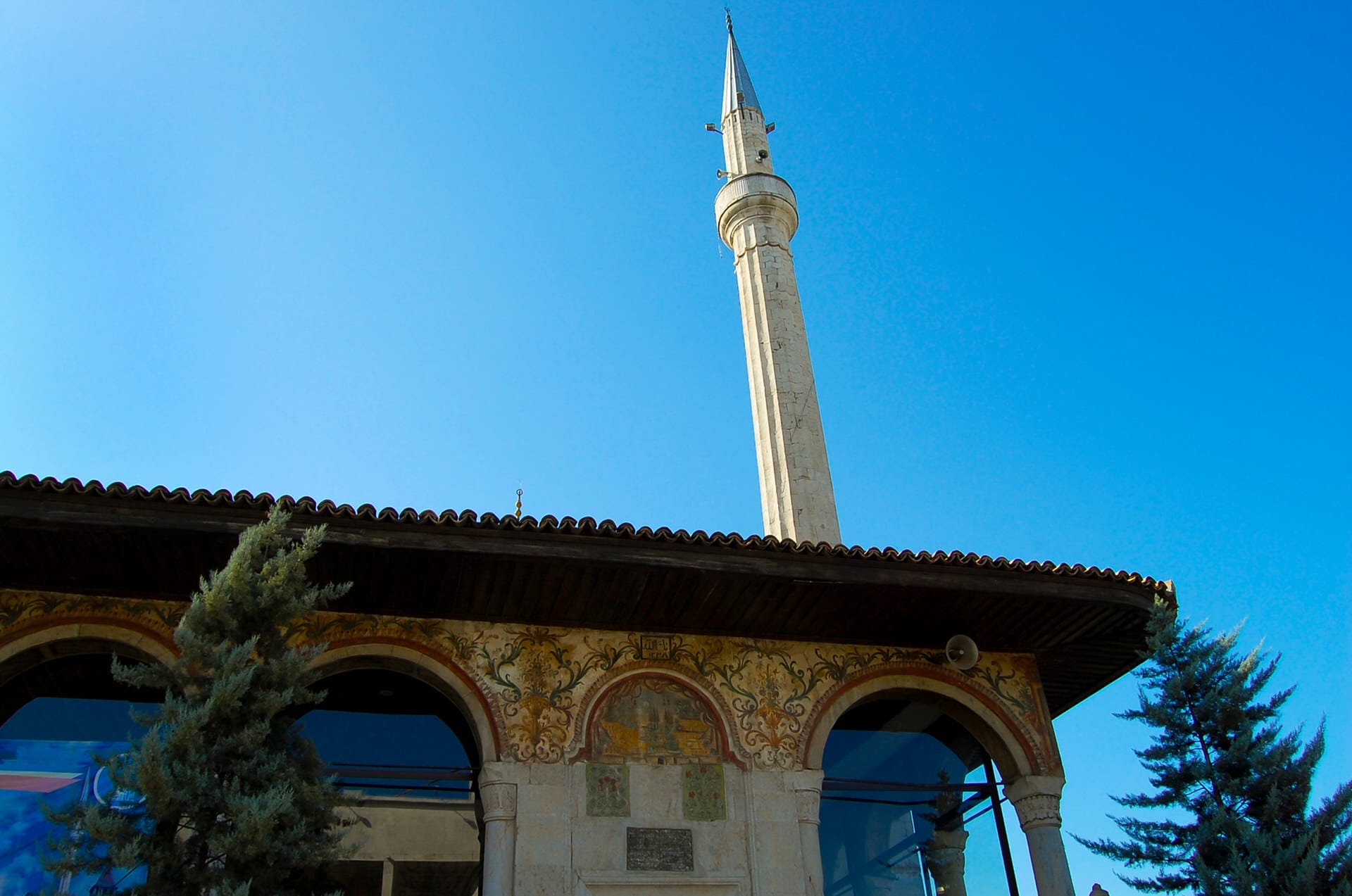
 Et'hem Bey Mosque
Built between 1789 and 1821, Et'hem Bey Mosque survived both Ottoman decline and communist demolition campaigns that destroyed hundreds of Albanian mosques. On January 18, 1991, 10,000 Albanians gathered here to pray in defiance of the atheist state—security forces refused to intervene, and the regime began its collapse.
 Landmarks
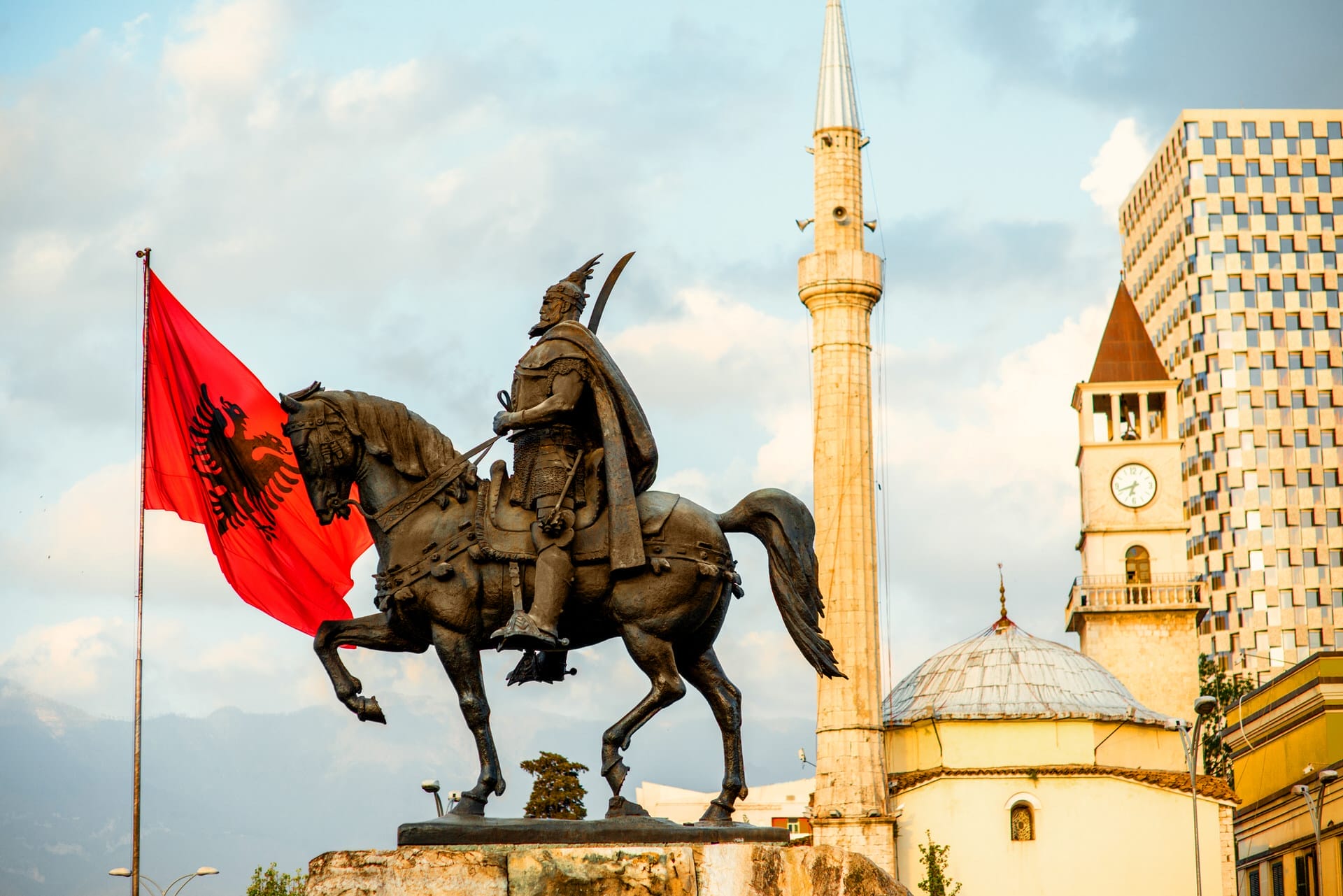
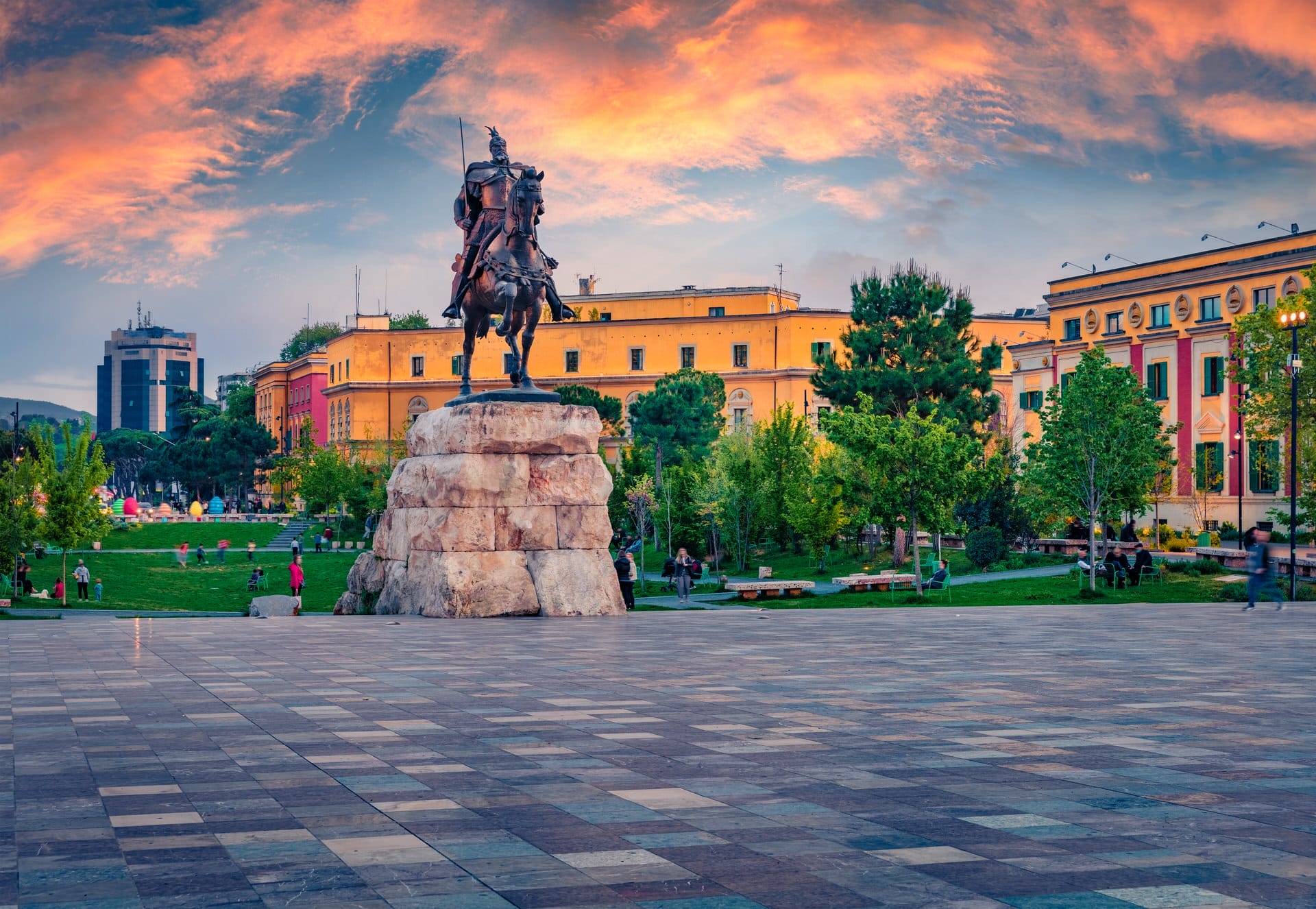
 Skanderbeg Square
Forty thousand square meters of pedestrian plaza where Austrian forces established Tirana's first public square in 1917, Italian fascists built Rationalist monuments in the 1930s, communists held parades for decades, and protesters toppled Hoxha's statue in 1991. The 2017 redesign by Belgian firm 51N4E removed all cars and paved the entire space with stone from every Albanian region.
 Landmarks
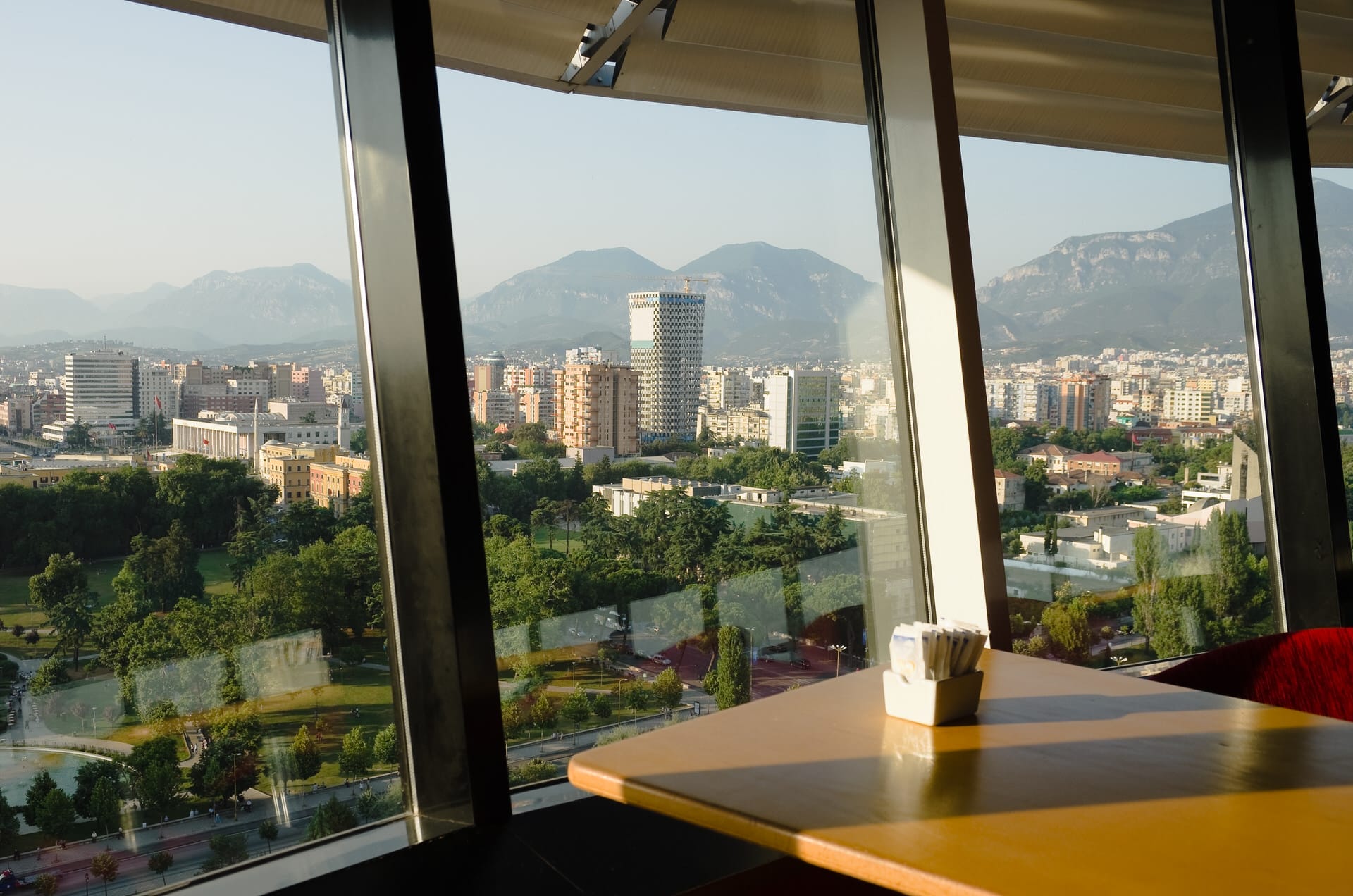
 Sky Tower Hotel, Restaurant & Bar
More than just novel aerial views, Sky Bar's 45-minute celestial rotation serves as metaphor for Albania's stark departure from isolationist rule towards an open society with expanded global horizons befitting its premium continental menu and interstellar interior.
 Landmarks
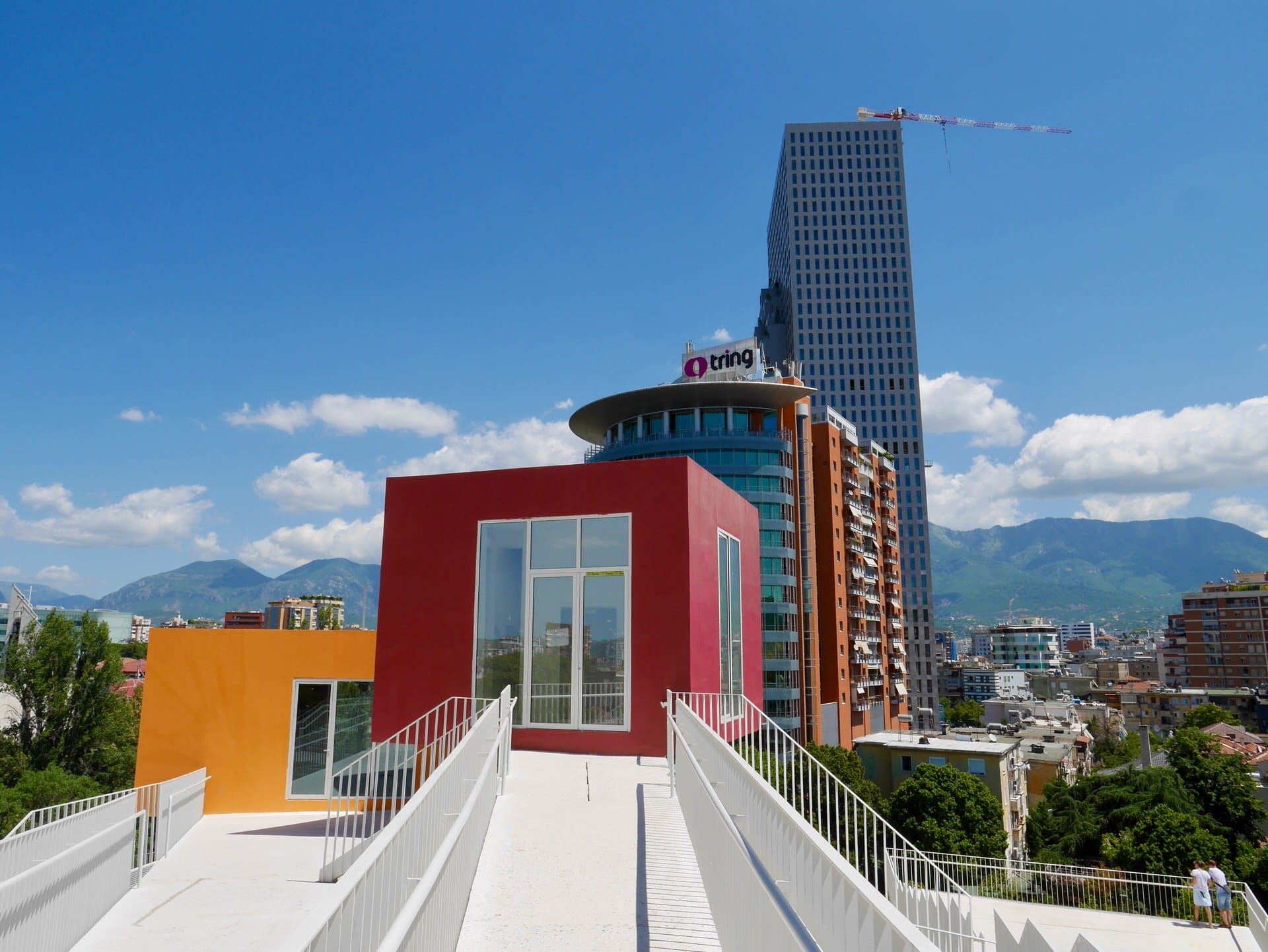
 The Pyramid of Tirana
In 1988, Enver Hoxha's daughter built a pyramid to honor the dictator who died three years earlier. The regime collapsed before the museum found its purpose. After decades as NATO base, nightclub, and graffiti-covered ruin, Dutch firm MVRDV completed a 2023 renovation transforming it into a climbable tech education hub where teenagers learn robotics for free.
 Landmarks
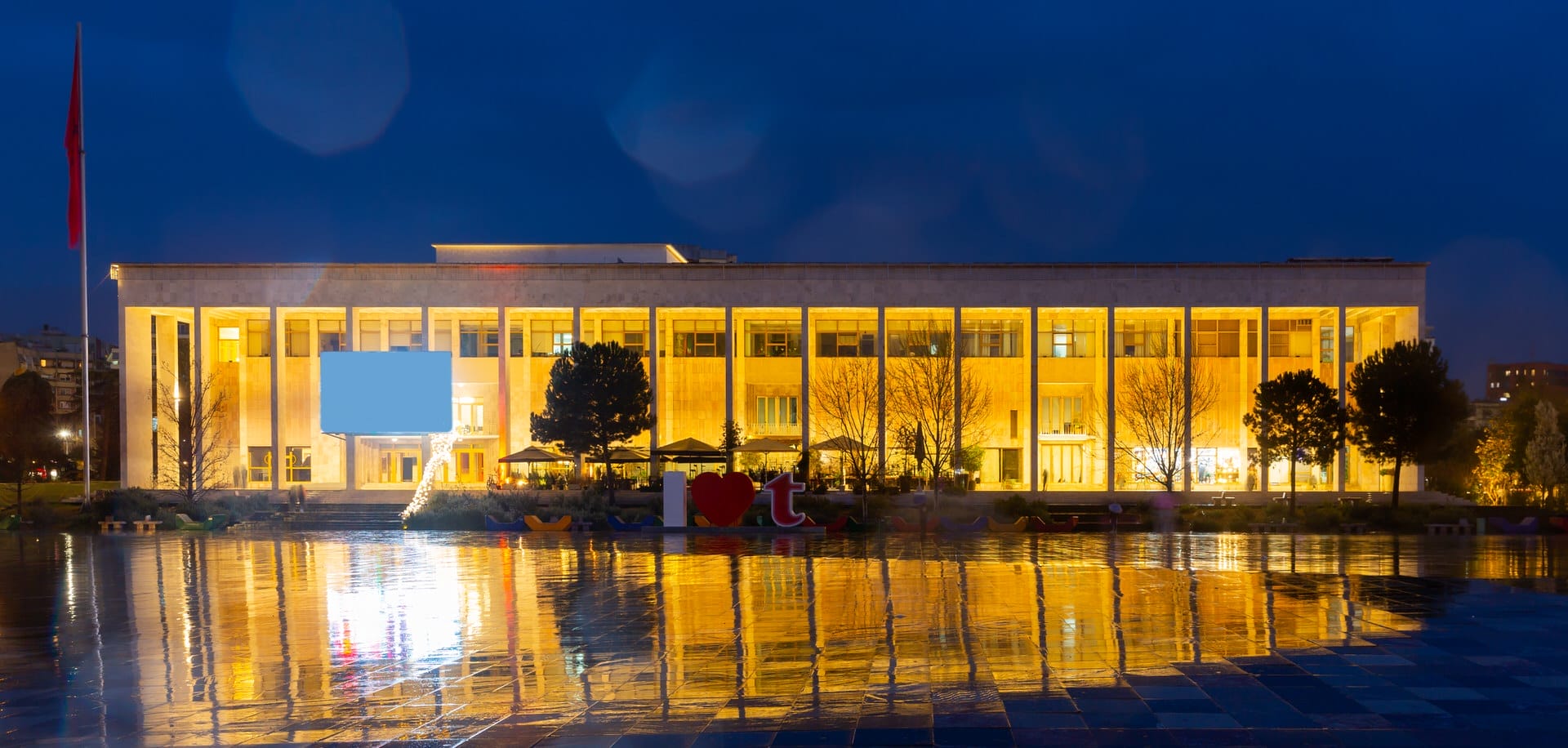
 Tirana Opera House
Discover how to buy tickets and what to expect at Albania’s National Theatre of Opera and Ballet in Tirana — an authentic cultural experience at democratic prices.
Museums
 Museums
 Albania's Museums
Albania's museums vividly chronicle the nation's journey through artifacts, art, and stories spanning ancient civilizations, communist rule, and beyond.
 Museums
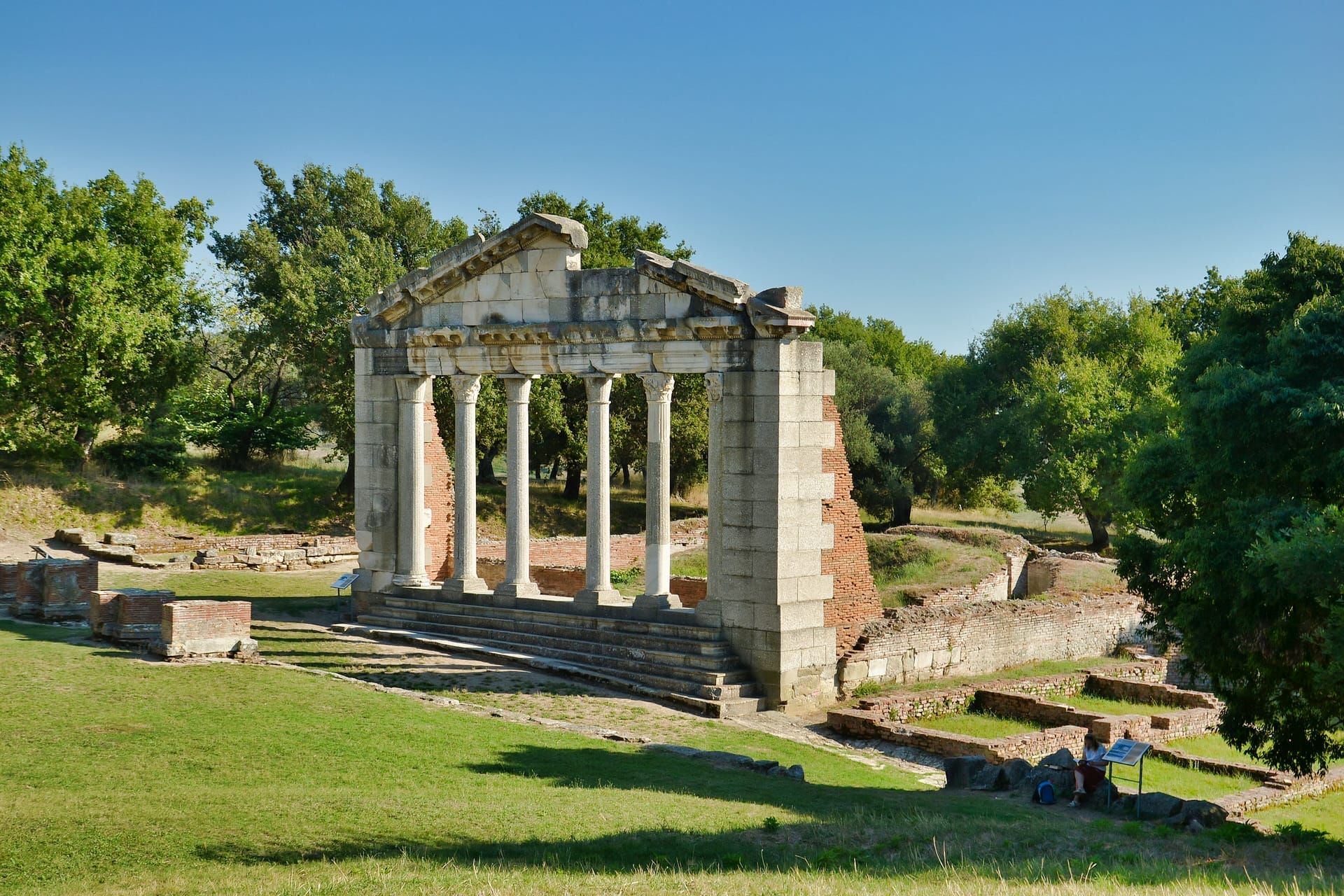
 Apollonia Archaeological Museum
Housed in a 14th-century Byzantine monastery within the Apollonia Archaeological Park, this museum displays artifacts from excavations at ancient Apollonia (founded 588 BCE)—including 7th-4th century BCE Illyrian funerary steles, Roman mosaics, and extensive coin collections spanning 800 years of the city's operation as a major Adriatic port.
 Museums
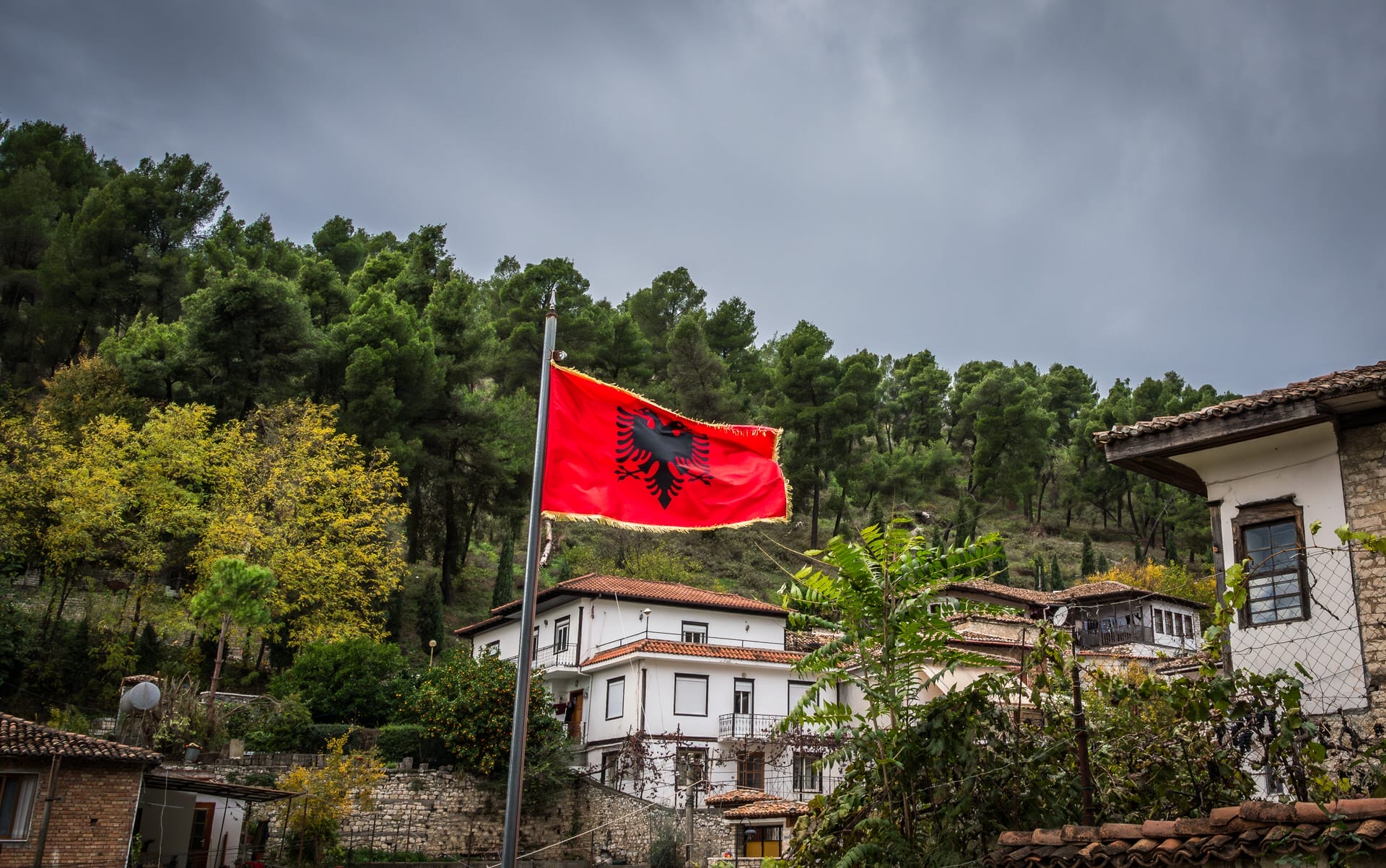
 Berat Ethnographic Museum
An 18th-century Ottoman konak (mansion) in Berat's Gorica quarter houses 1,300+ objects documenting traditional Albanian life—from copper raki distilling equipment to hand-embroidered wedding costumes—with split hours (9 AM-1 PM, 4-7 PM) and minimal English interpretation requiring patience to decode.
 Museums
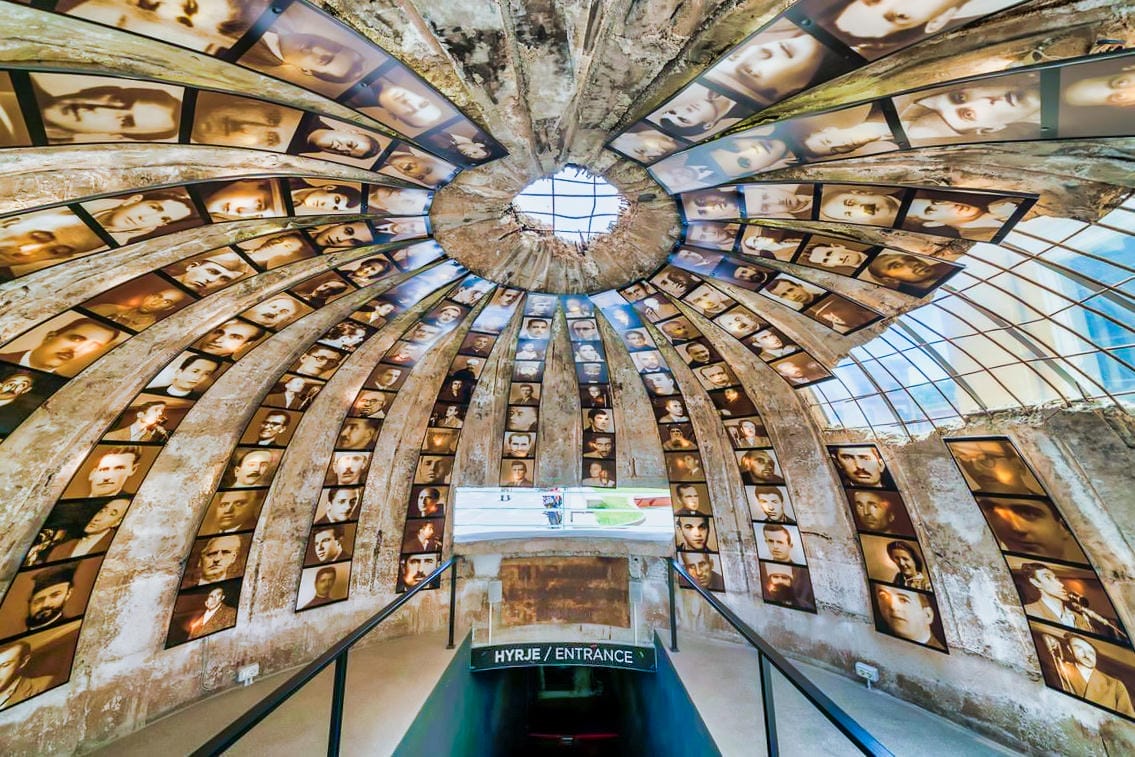
 Bunk'Art 1
Between 1972 and 1978, communist Albania built a five-story underground bunker containing 106 rooms to shelter Enver Hoxha and the party elite during nuclear war. The bunker was never used. It opened as a museum in 2014, documenting Cold War paranoia, secret police operations, and the 45-year communist period that isolated Albania from both East and West.
 Museums
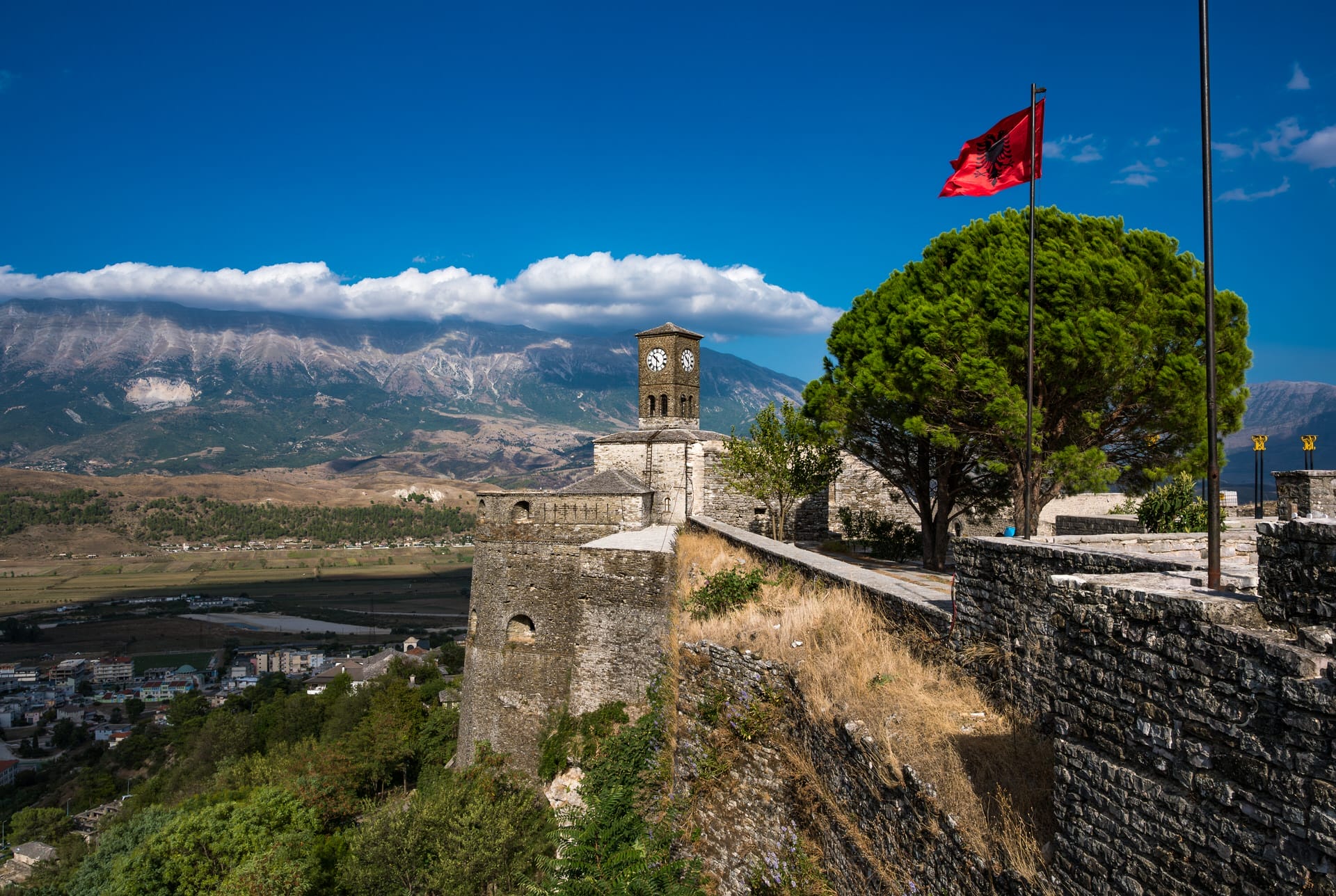
 Ethnographic Museum of Krujë
Encapsulating Albania's remarkable cultural complexity accrued over centuries, Krujë’s spellbinding Ethnographic Museum showcases over 4,000 Ottoman-era antiques from intricate costumes to household items within an exquisitely restored merchant home exhibiting craftsmanship rivaling the collections themselves.
 Museums
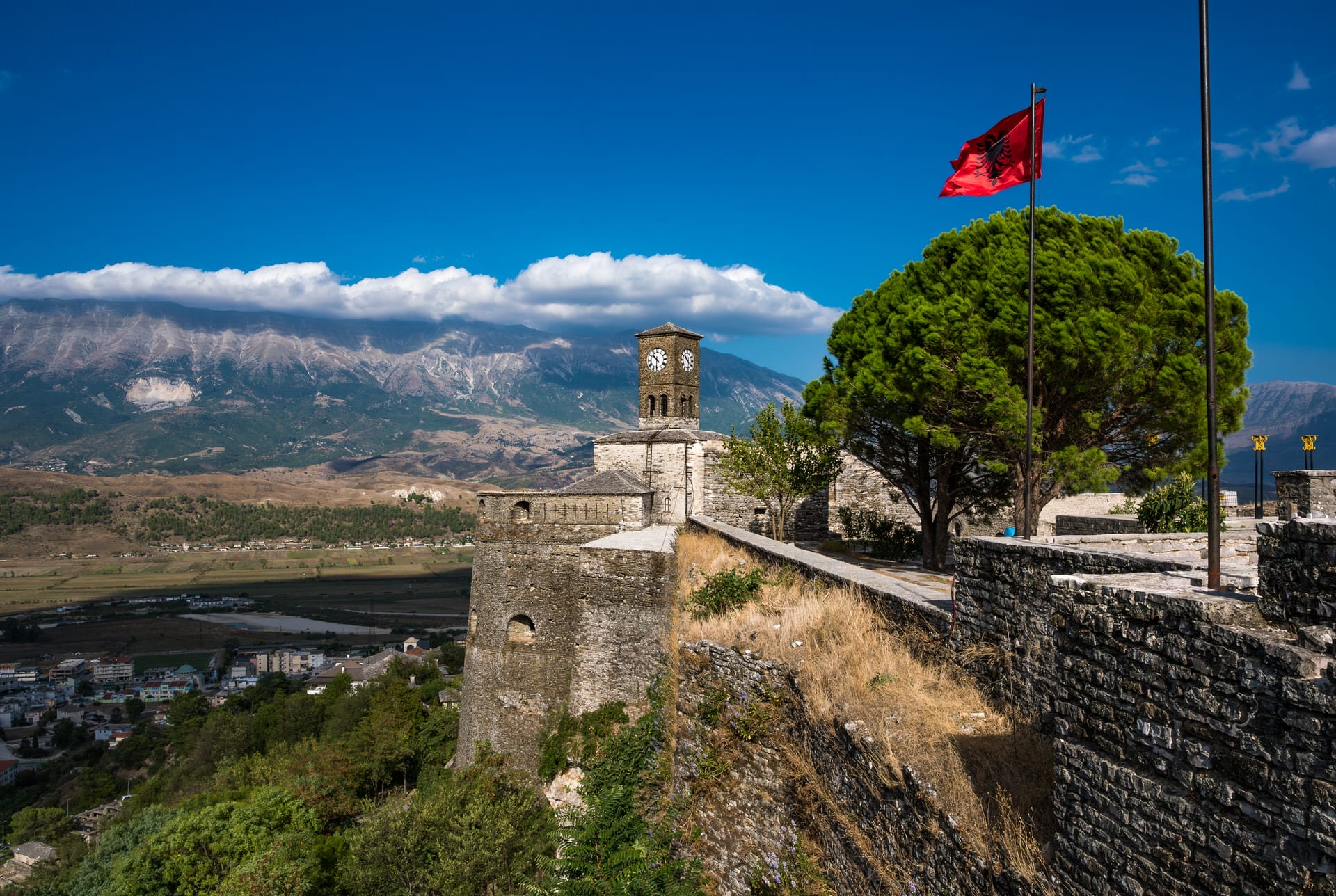
 Gjirokastra Ethnographic Museum
The Gjirokastra Ethnographic Museum offers visitors an immersive window into traditional Albanian life through its expansive collection of cultural artifacts and traditions.
 Museums
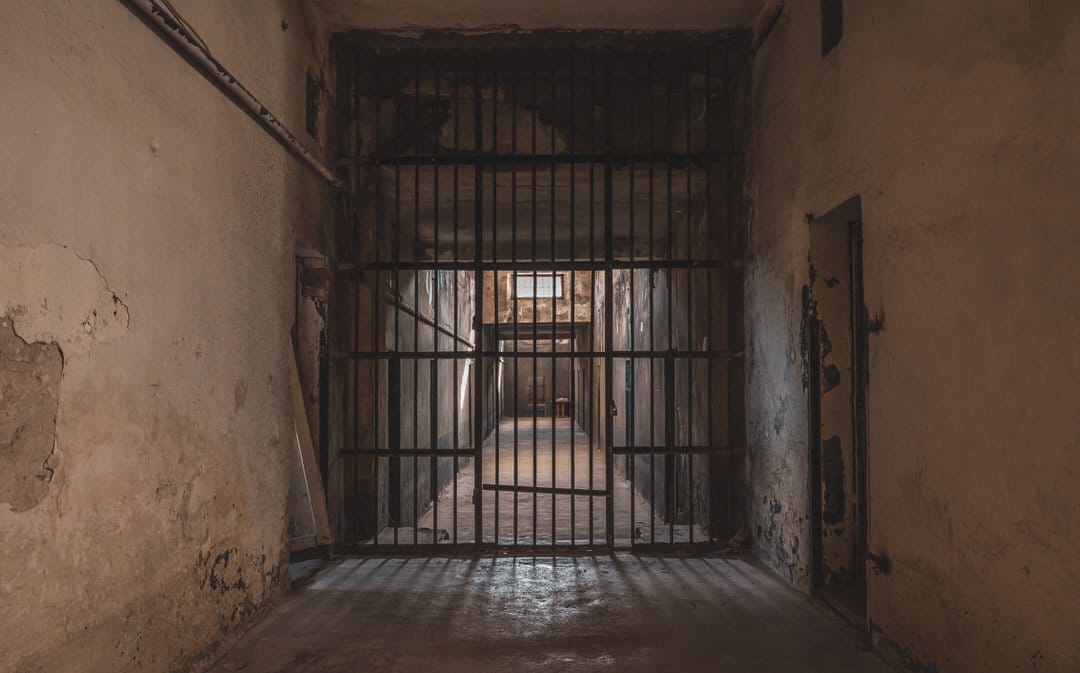
 Gjirokastra Historical Museum
The Gjirokastra Historical Museum in southern Albania is housed within a beautiful 18th century Ottoman-era building. This stunning fortress showcases the diverse history and culture of the city of Gjirokastra and surrounding region.
Museums History Museums In Albania
Discover the rich history of Albania through its fascinating museums.
 Museums
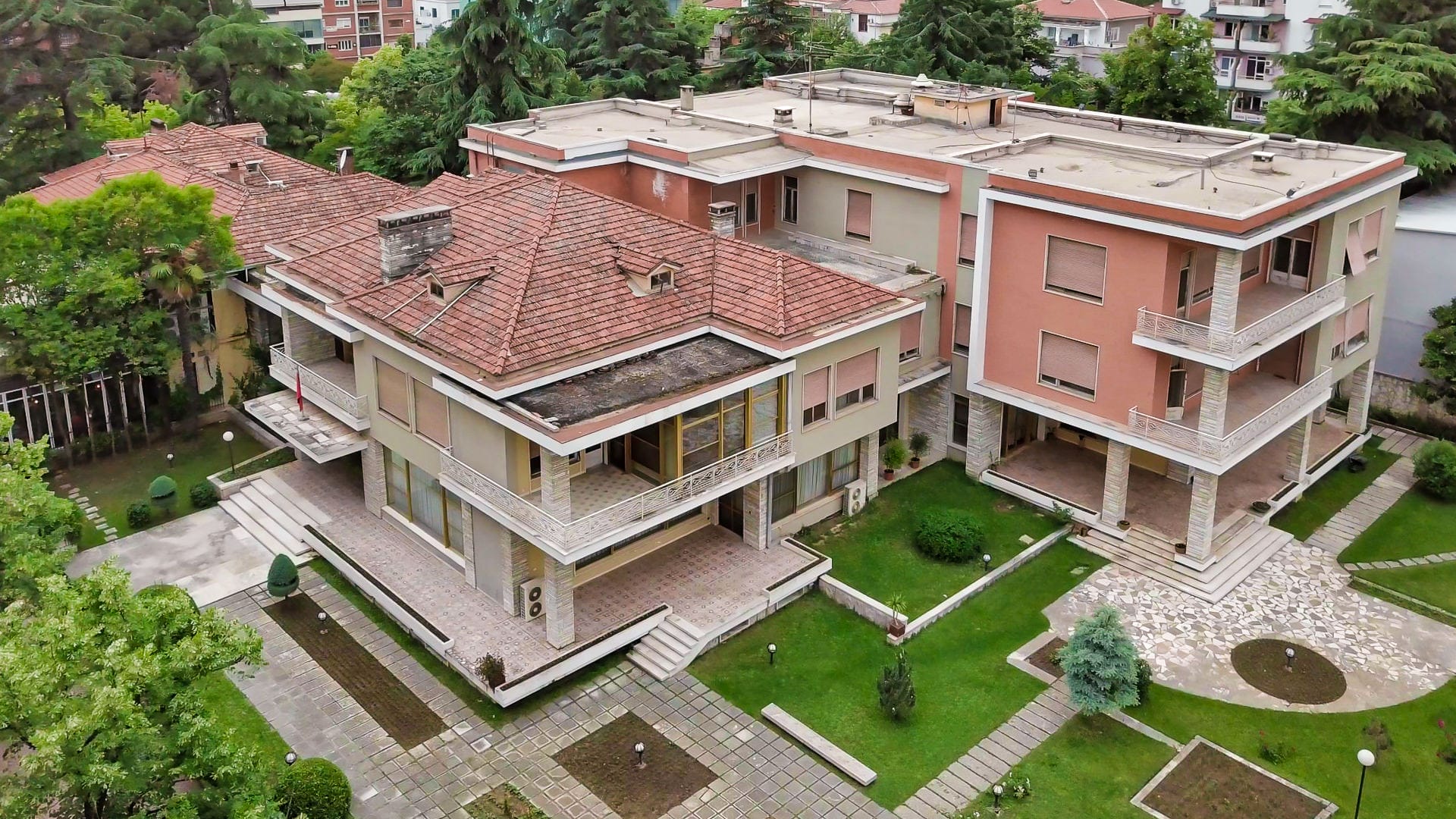
 House of Leaves Museum
Tirana’s House of Leaves Museum preserves the rooms where the Sigurimi spied on citizens. The equipment and files here once dictated who lived freely—and who went to prison.
Museums National History Museum
Albania's largest museum (27,000 square meters) closed March 15, 2024 for complete renovation until 2028. The €40 million EU4Culture project will restore earthquake damage, modernize exhibitions, add accessibility features, and preserve the iconic socialist-realist mosaic facade. When it reopens, expect redesigned pavilions spanning Illyrian antiquity through communist persecution, interactive digital storytelling, and bilingual Albanian/English labels throughout.
Museums Onufri Museum
Step into the world of Byzantine art at Onufri Iconographic Museum. Experience the history of Albania through a collection of 173 significant objects.
 Museums
 Skanderbeg Museum
Built 1982 inside Krujë Castle, this museum occupies a brutalist concrete structure designed to resemble an eagle (Albania's national symbol), displaying artifacts and Albanian nationalist narrative about Gjergj Kastrioti Skanderbeg's 25-year resistance (1443-1468) against Ottoman expansion that ultimately failed after his death.
Natural Wonders
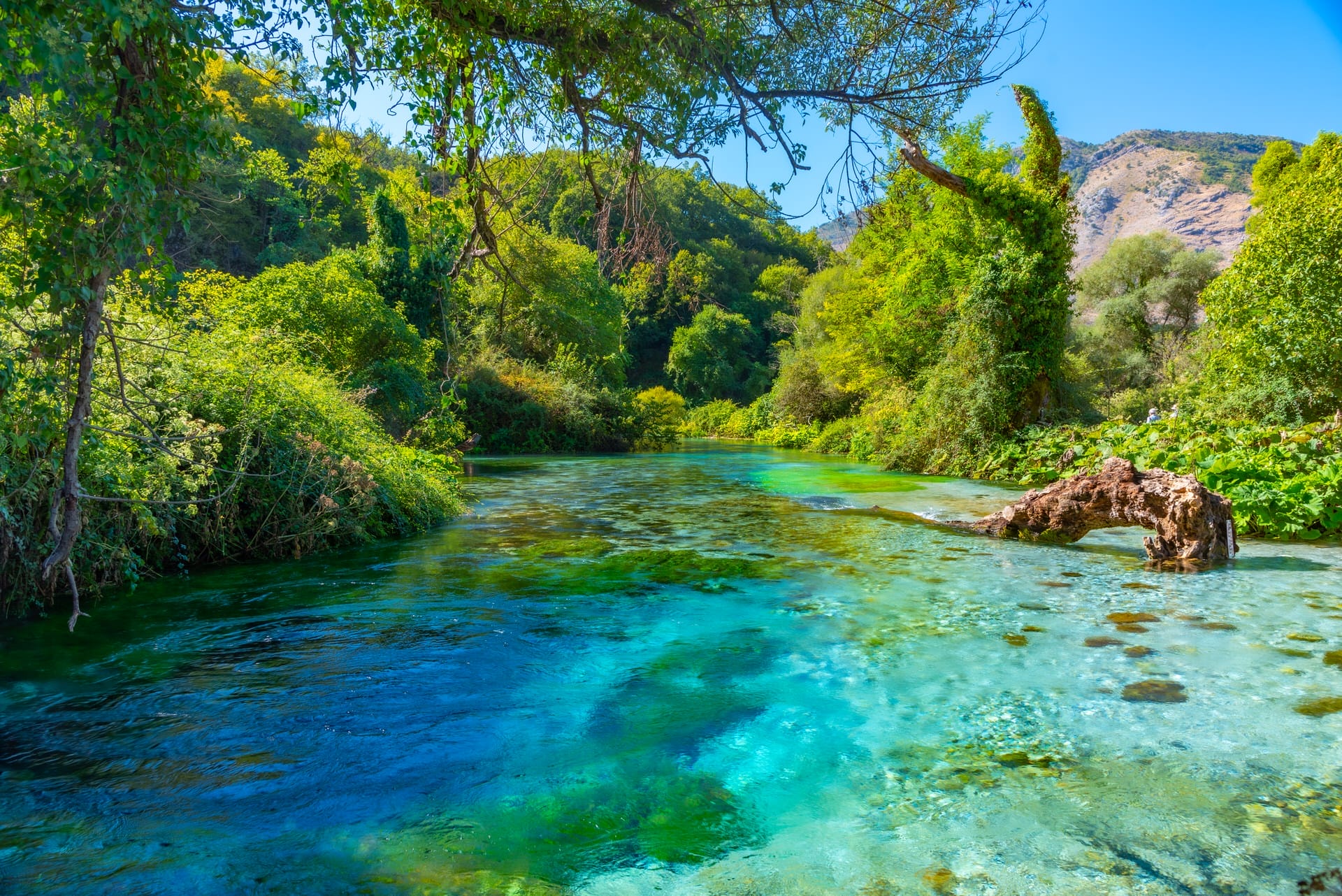 Natural Wonders
 Albania's Natural Wonders
Albania's natural attractions range from Albanian Alps peaks reaching 2,694 meters (Maja Jezercë) to Mediterranean coastline spanning 427 kilometers, including Europe's last wild river (Vjosa), ancient lakes (Ohrid, Shkodër), thermal springs (Bënja), limestone caves, and protected areas covering approximately 15% of national territory across mountains, wetlands, and marine environments.
 Natural Wonders
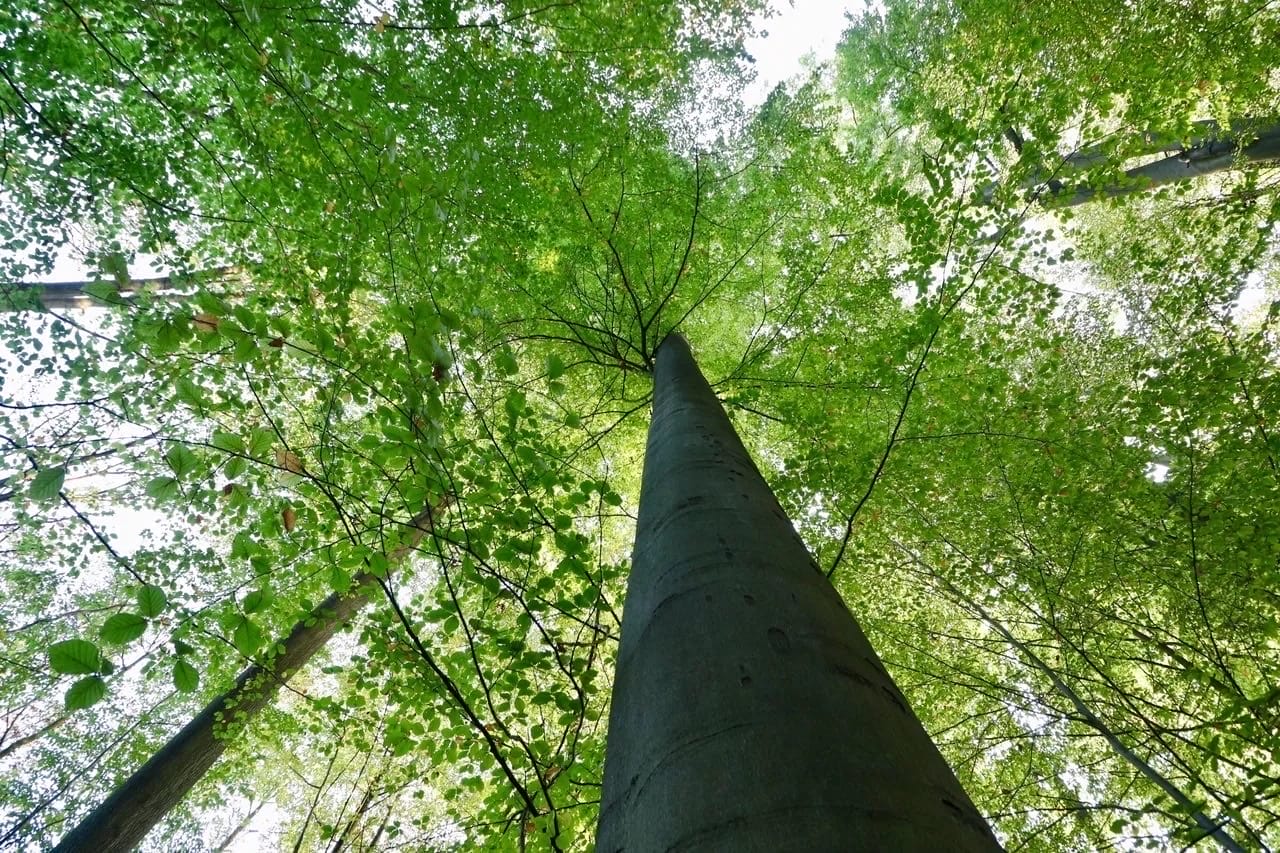
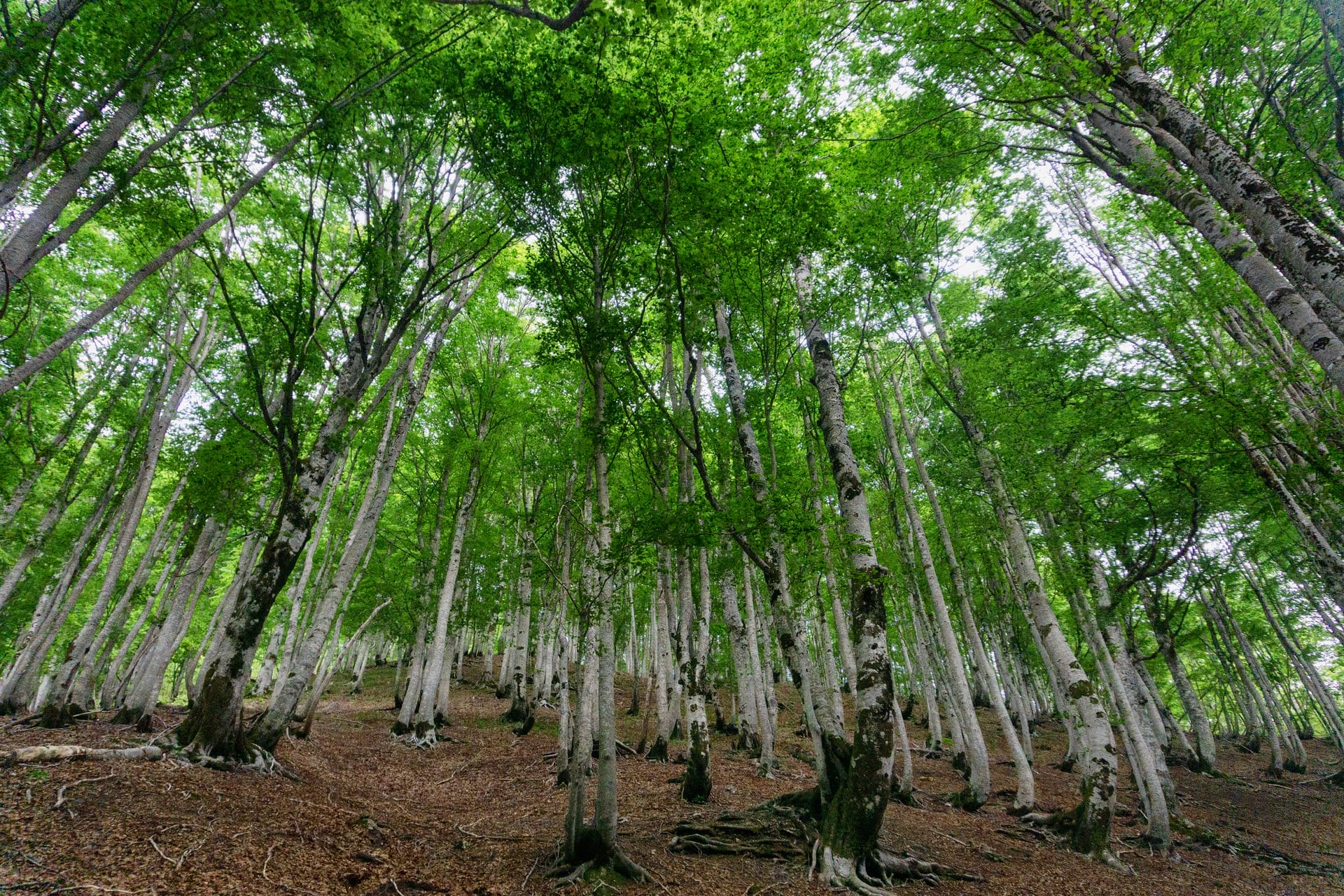
 Albania's Primeval Beech Forests
In the rugged mountains of Albania lies one of Europe's last remnants of primeval forests, where towering ancient beech trees have stood for over 1,000 years.
 Natural Wonders
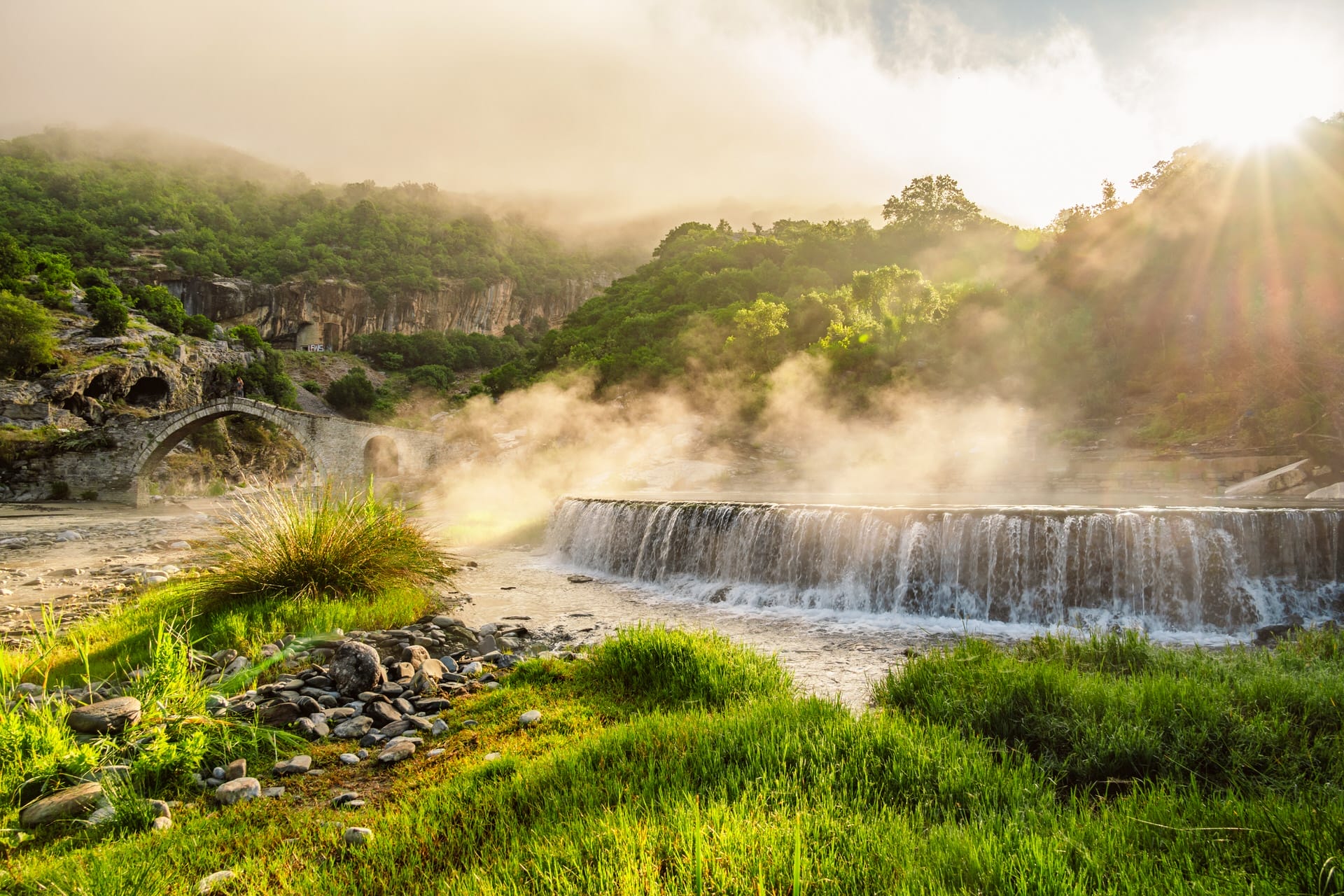
 Bënja Thermal Baths
Natural hot springs emerging at 30-32°C (86-90°F) along the Lengarica River near Përmet create free-access thermal pools beside Ottoman-era Kadiut Bridge—accessible via 1.5-kilometer walk from parking area, offering warm water bathing in riverside setting with minimal facilities and variable crowding during peak season.
 Natural Wonders
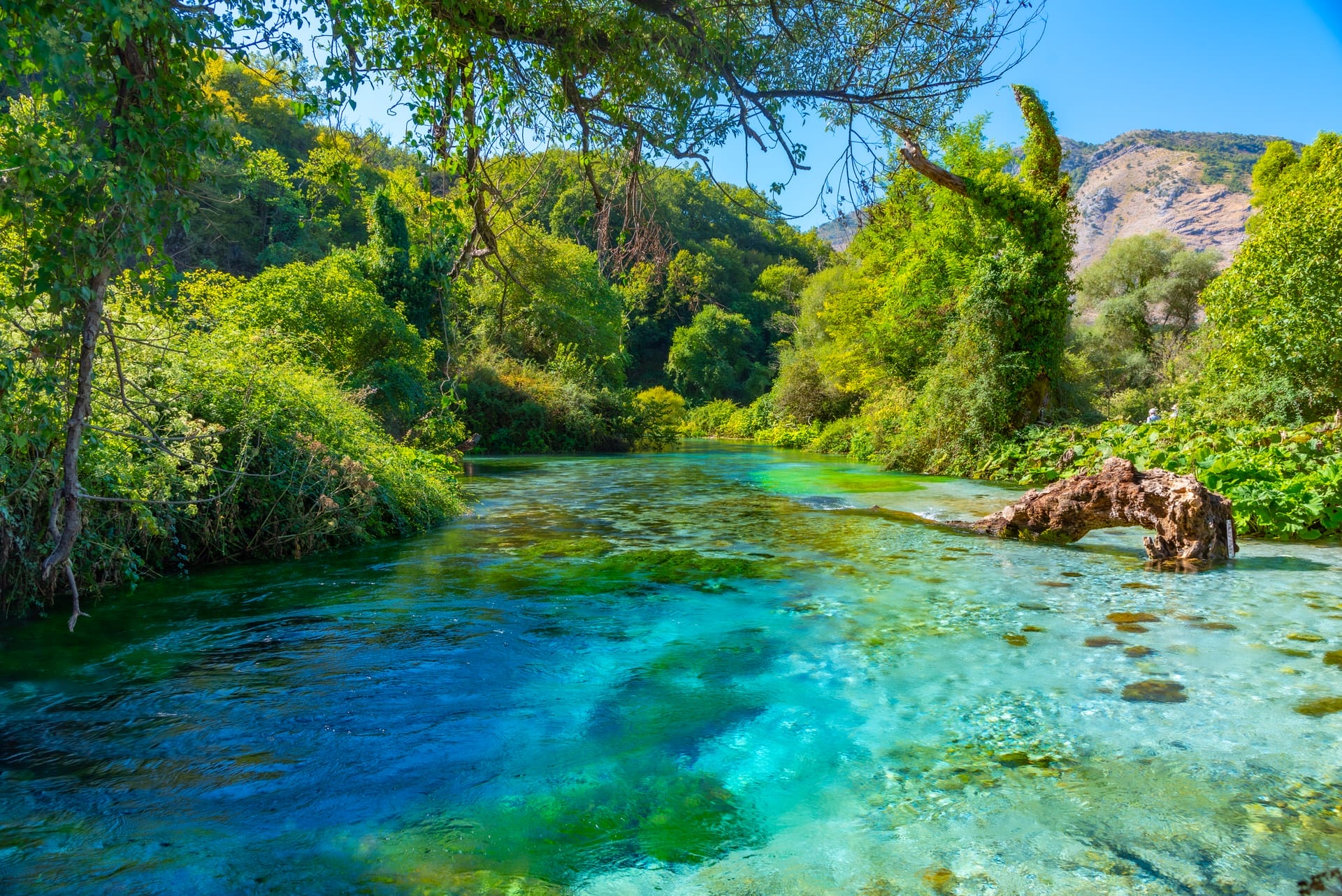
 Blue Eye Spring
Thirty kilometers inland from Sarandë, the Blue Eye (Syri i Kaltër) bubbles from karst limestone at approximately 6 cubic meters per second. Divers have measured depths exceeding 50 meters before encountering darkness that defeats their lights and sonar, leaving the spring's true source unmapped.
 Natural Wonders
 Grunas Waterfall
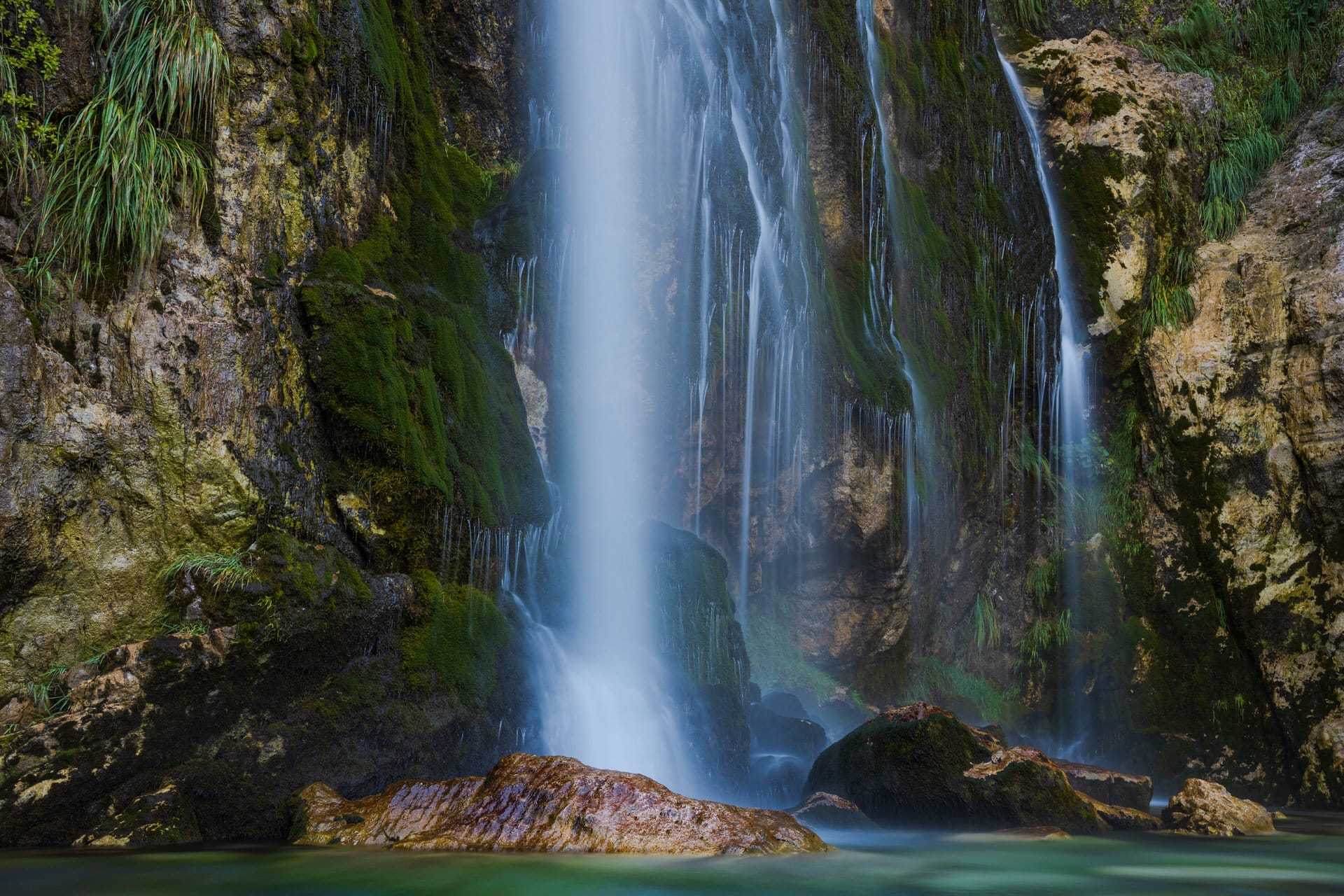
A 25-meter cascade in Theth National Park accessible via 1-hour hike (2-3 kilometers each direction) from Theth village, featuring limestone cliff drop into pool below—the most popular short hike from Theth requiring €2 entrance fee and offering family-friendly trail compared to longer alpine routes.
Castles & Fortresses
 Castles & Fortresses
 Albanian Castles & Fortresses
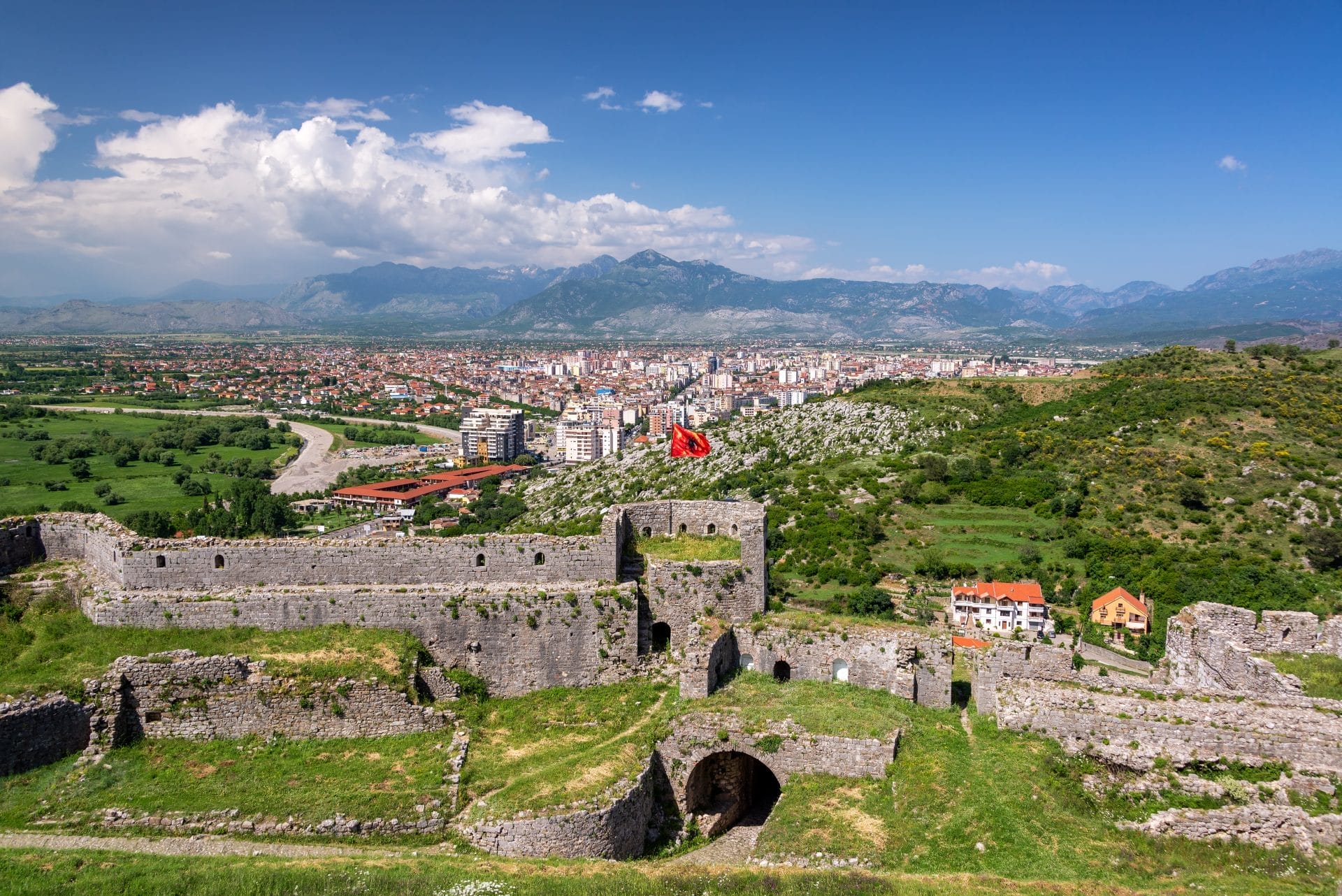
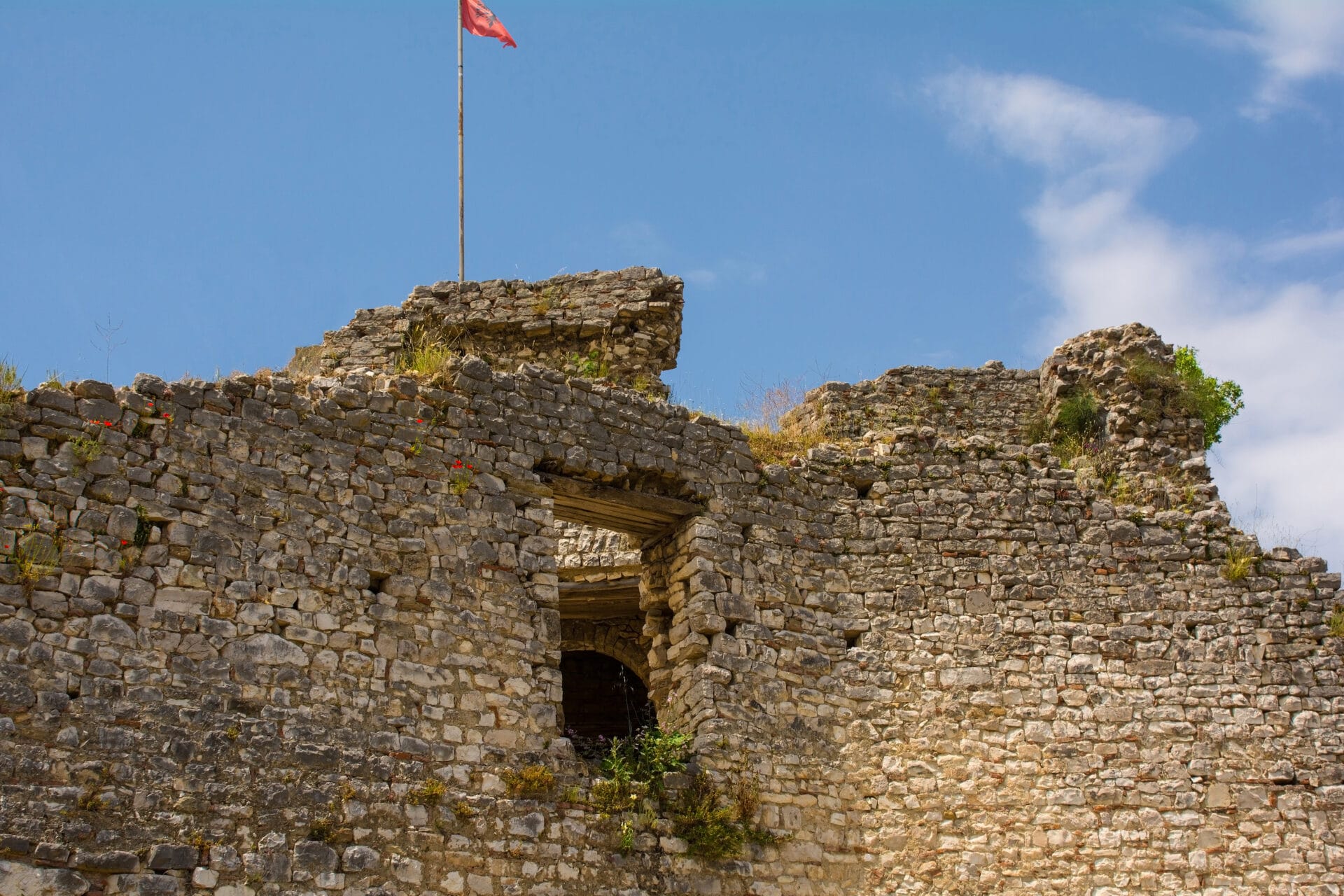
Albania contains 158 officially designated fortress sites spanning Illyrian hill forts (4th century BCE) through Ottoman military installations (19th century CE). Of these, perhaps 20 remain accessible and intact enough for tourism, with 6-8 actually worth visiting unless you're specifically researching medieval Balkan fortification architecture.
 Castles & Fortresses
 Berat Castle
Berat Castle has been continuously inhabited for 2,400 years—built by Illyrians in the 4th century BC, reinforced by Byzantines and Ottomans, and still home to approximately 100 families who live behind medieval walls where children play against Byzantine church foundations and neighbors share coffee on Ottoman-era porches.
Castles & Fortresses Drisht Castle
Drisht Castle occupies a hilltop 7 kilometers southeast of Shkodër, with ruins spanning Illyrian foundations (circa 1000 BCE) through Venetian fortifications destroyed by Ottoman siege in 1478. Access requires rough 4x4 road or 2-hour hike—no facilities, minimal infrastructure, archaeology without interpretation.
Castles & Fortresses Gjirokastra Castle
Explore Gjirokastra Castle, Albania’s stone fortress. Legends, museums, Cold War bunkers, and travel tips inside a UNESCO World Heritage Site.
Castles & Fortresses Kardhiq Castle
Explore Kardhiq Castle's rich history and strategic architecture, a compelling destination that merges Albania's past with panoramic natural beauty.
Castles & Fortresses Porto Palermo Castle
Built 1804-1814 by Ali Pasha Tepelena on a small peninsula in Porto Palermo Bay, this triangular fortress represents late-Ottoman defensive architecture when castles had become obsolete against artillery—primarily valued today as convenient roadside stop (200m from SH8 highway) during Albanian Riviera drives offering 30-minute exploration and bay views.
Lakes & Nature
 Lakes & Nature
 Albanian Lakes
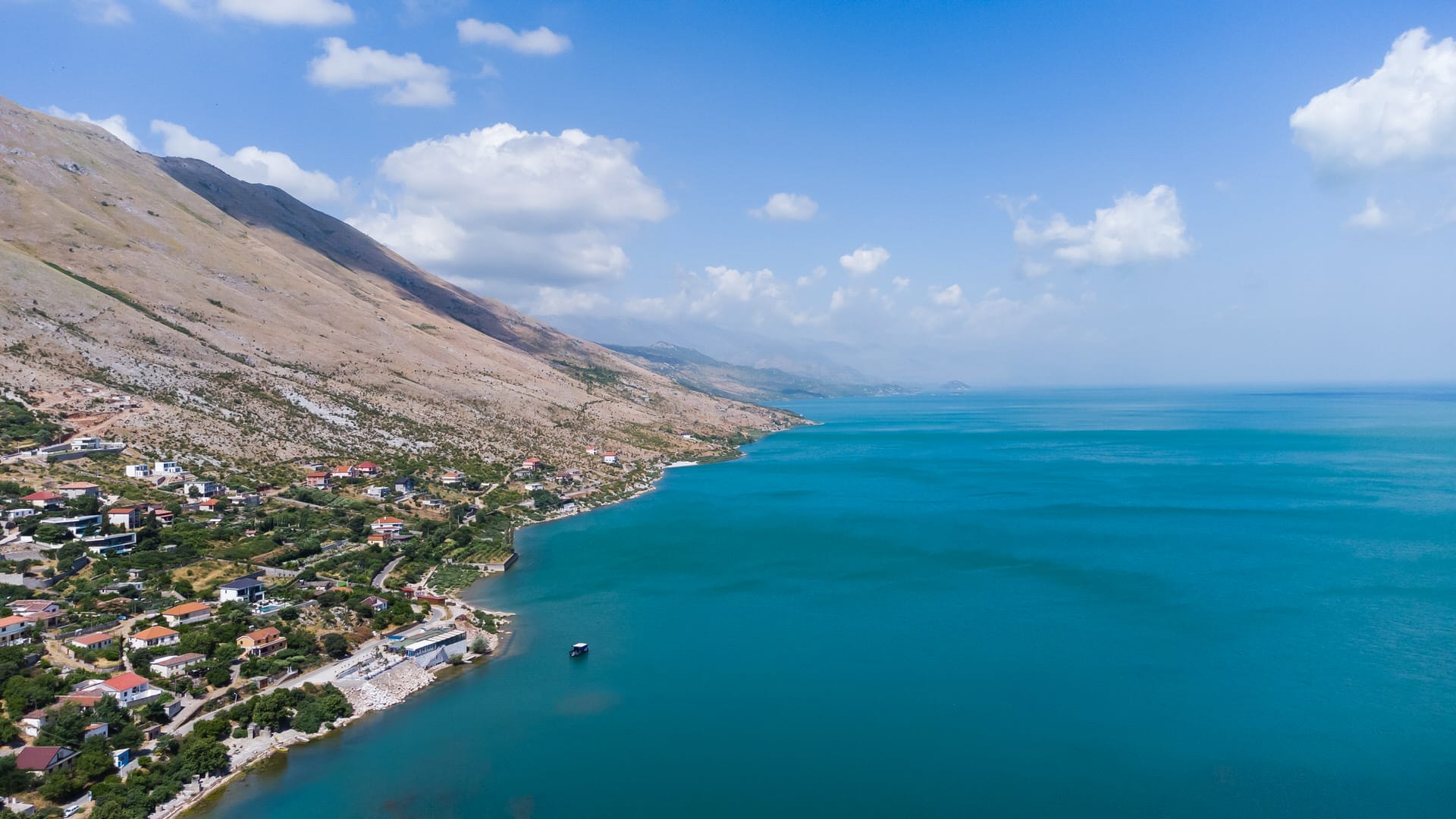
Albania contains 240 natural lakes and 800 artificial reservoirs, including the Balkans' three largest lakes: Shkodër (370-580 km², shared with Montenegro), Ohrid (358 km², 4-10 million years old, shared with North Macedonia), and Prespa (272 km² total, highest tectonic lake at 853m elevation, shared with North Macedonia and Greece). Only 5-6 lakes merit tourist visits—the others are either remote, environmentally degraded reservoirs, or lack access infrastructure.
 Lakes & Nature
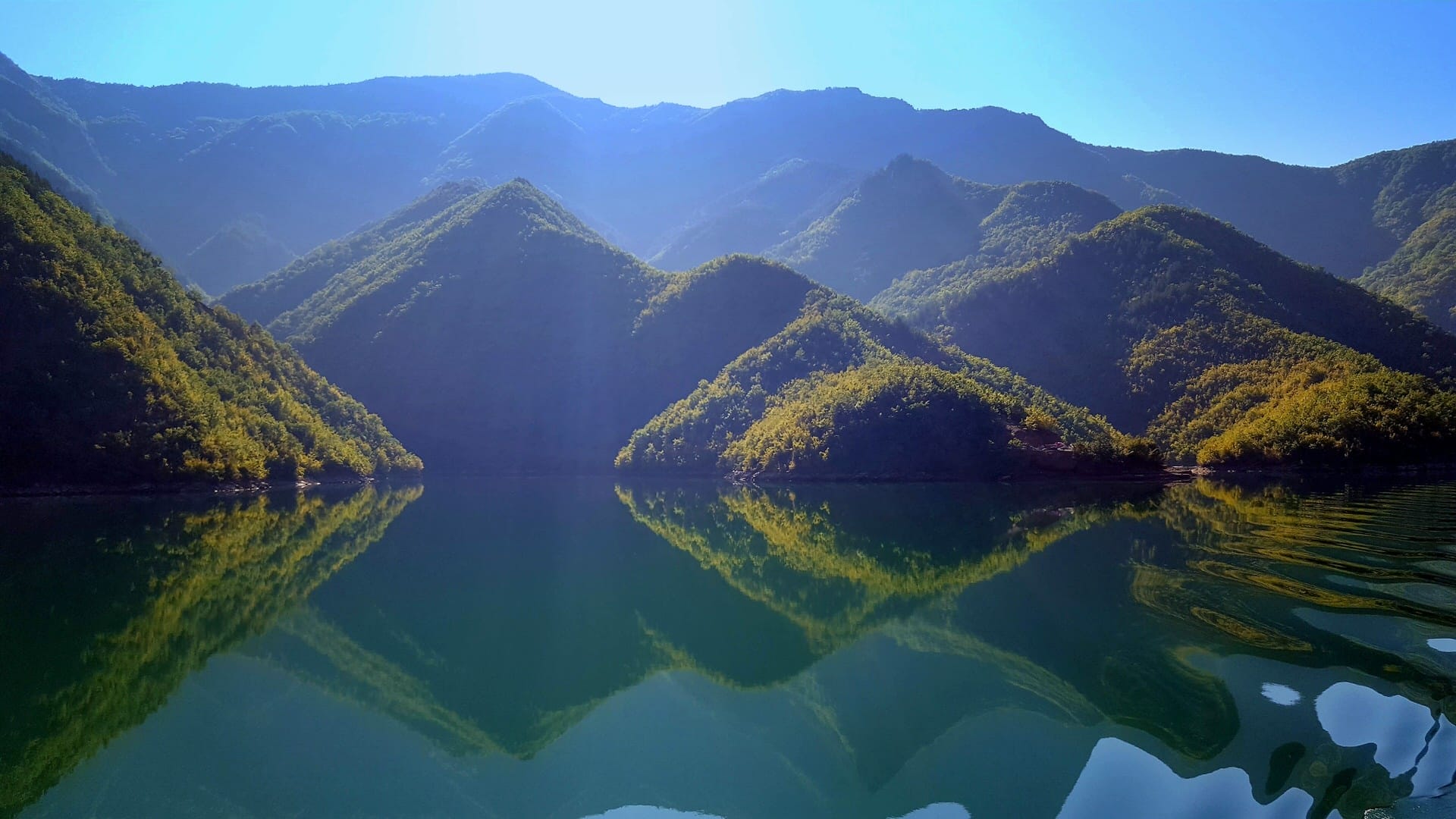
 Komani Lake
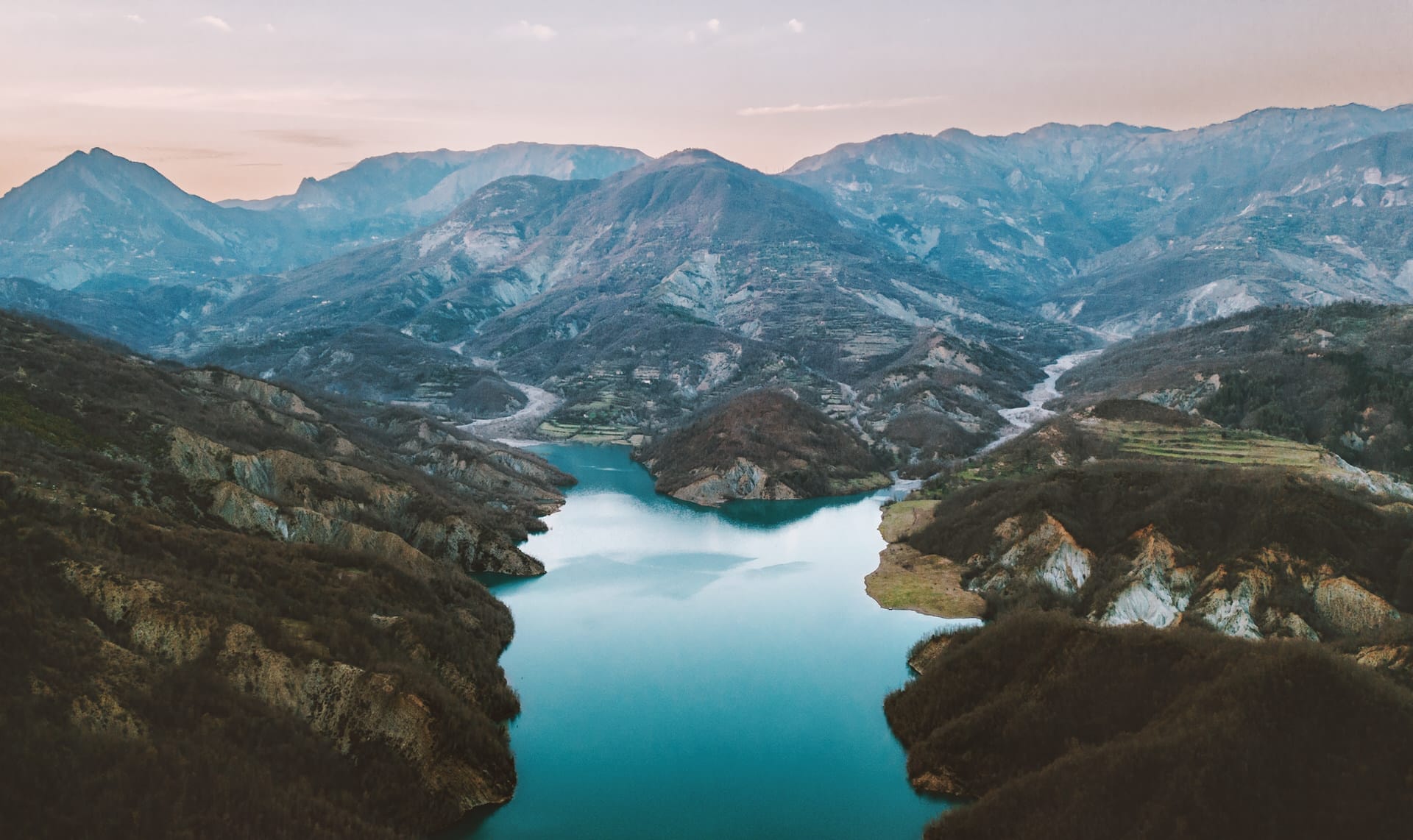
Komani Lake is a 34-kilometer reservoir created in 1978-1985 by damming the Drin River, functioning primarily as hydroelectric infrastructure while serving as the scenic ferry route (3 hours, €10) connecting Shkodër region to Valbona Valley—a journey tourists take for transport necessity that happens to offer canyon views.
 Lakes & Nature
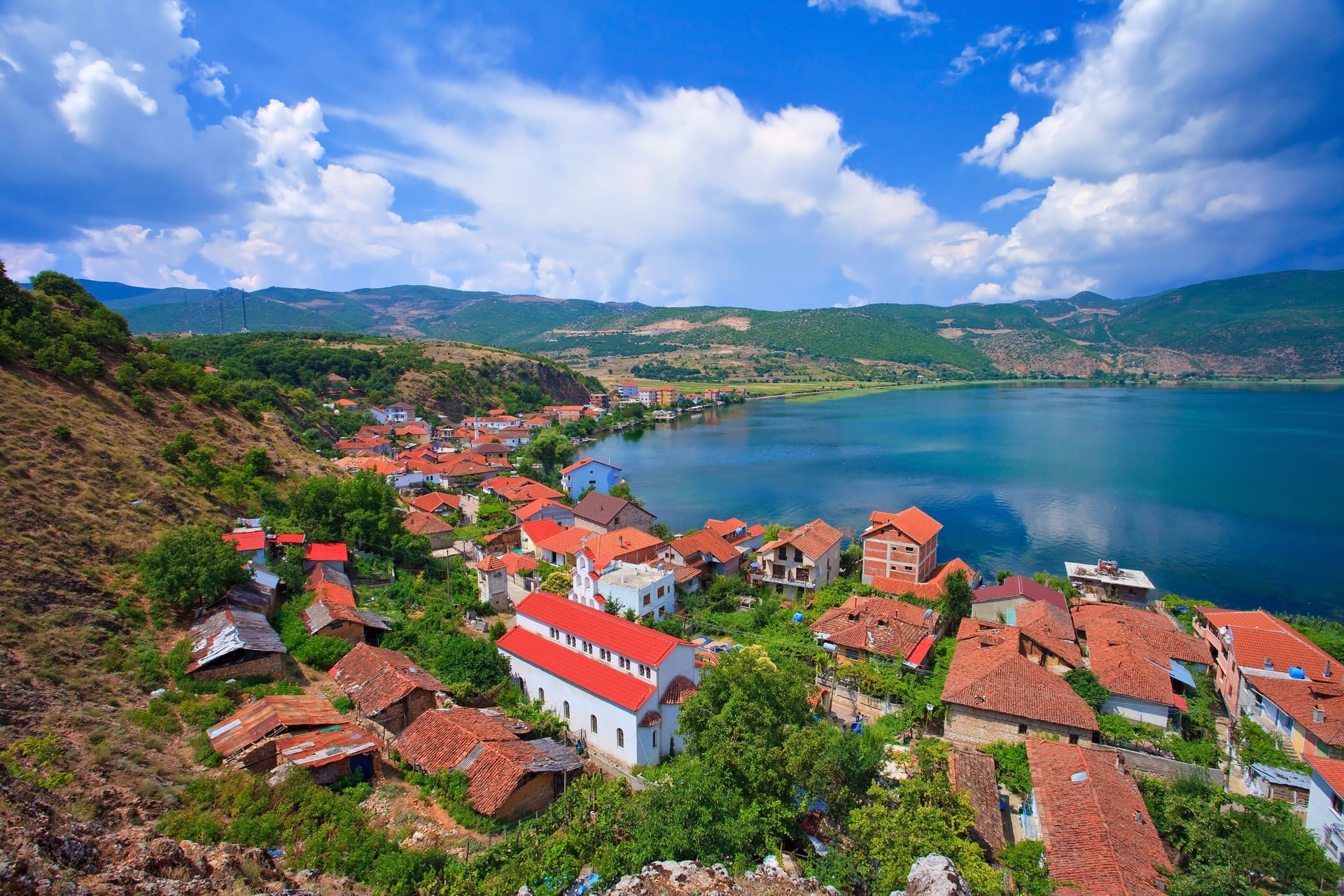
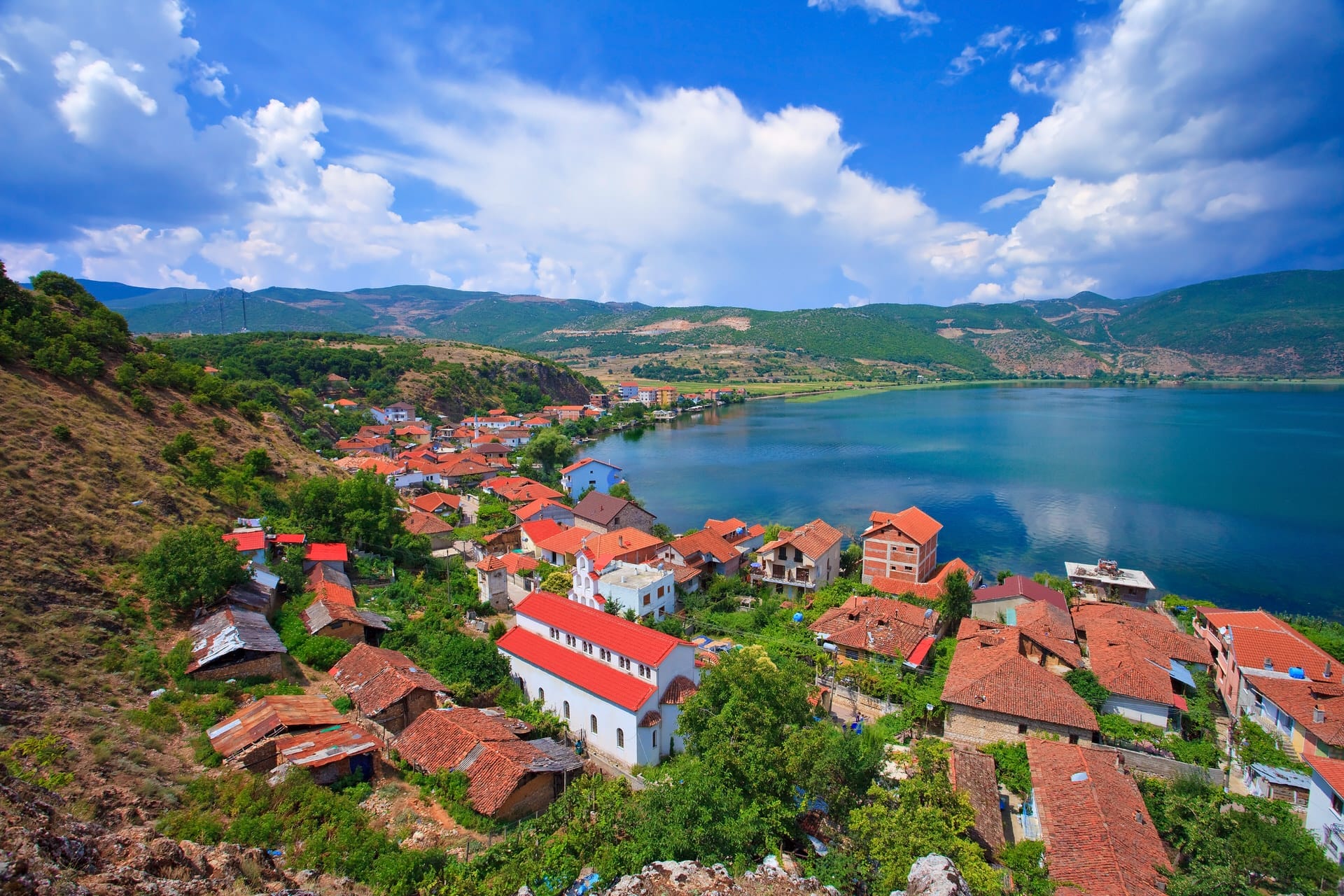
 Lake Ohrid (Albanian Side)
Lake Ohrid's Albanian eastern shore (approximately 1/3 of the 358 square kilometer transboundary lake) centers on Pogradec town offering lakefront promenade, swimming beaches, and access to Lin Peninsula archaeological site (6th-century basilica mosaic), while the larger North Macedonian western shore contains the UNESCO World Heritage historic core—Albania provides quieter alternative to Macedonian tourism development.
Beaches & Coast
 Beaches & Coast
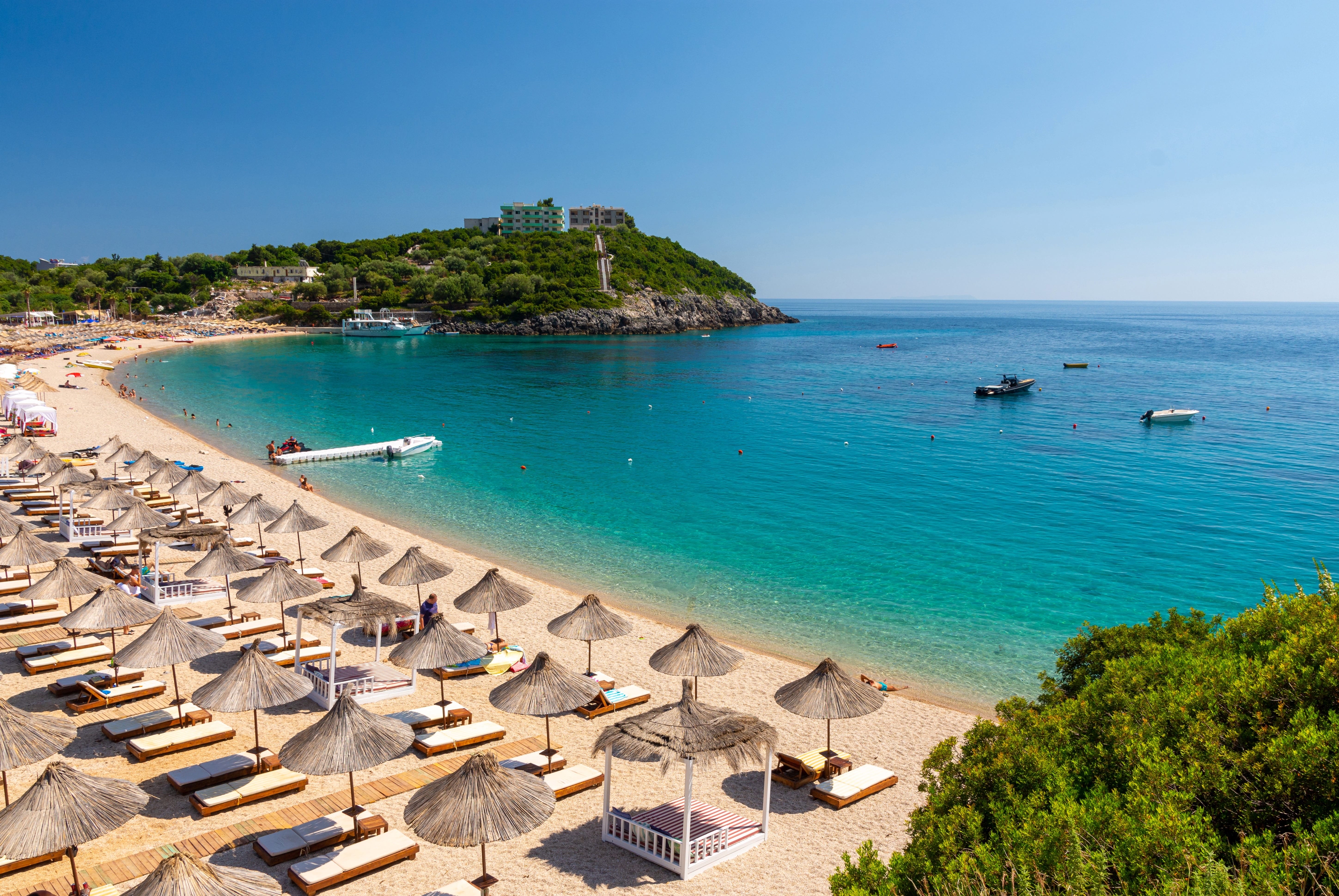
 Albanian Riviera Beaches
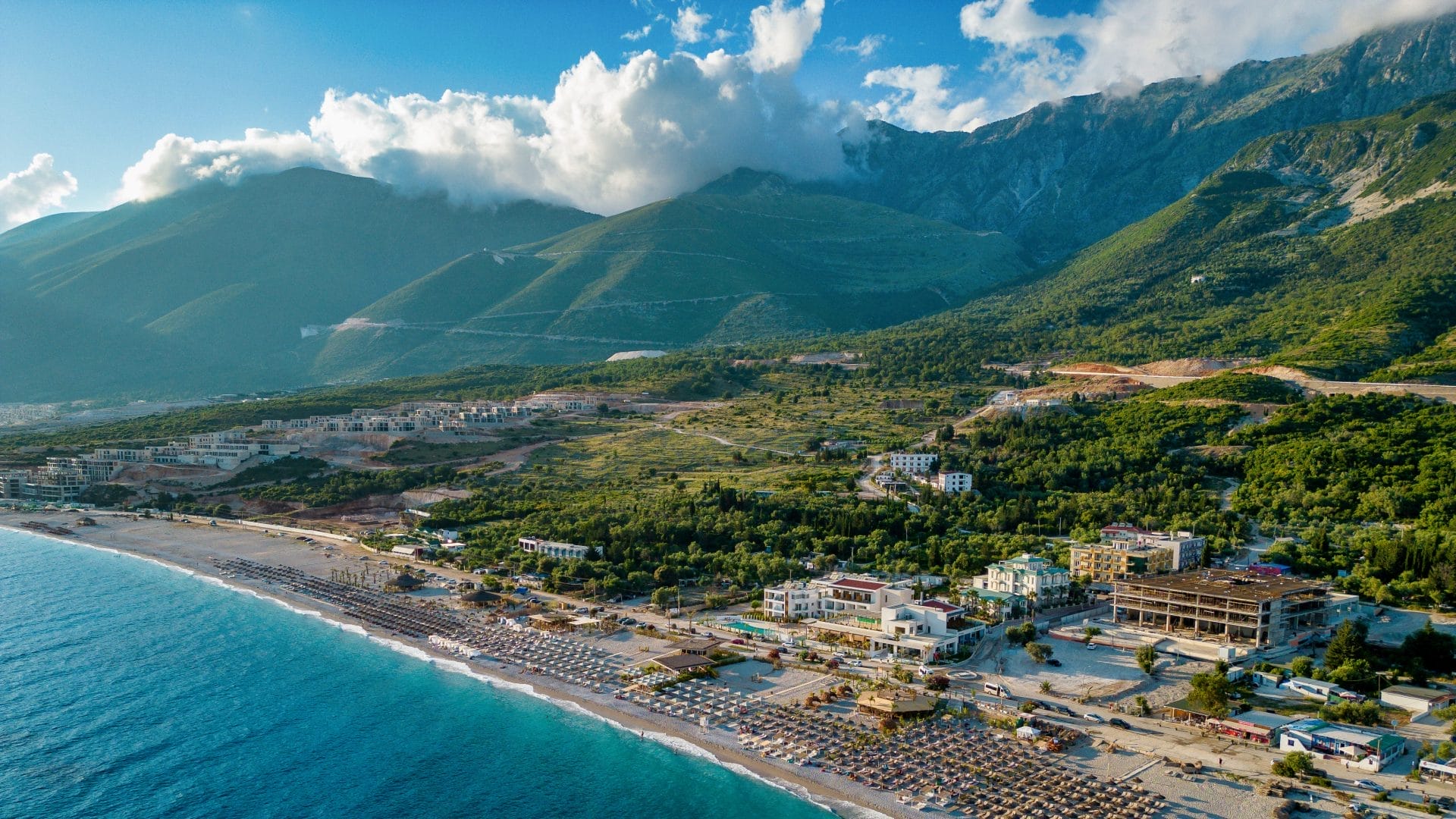
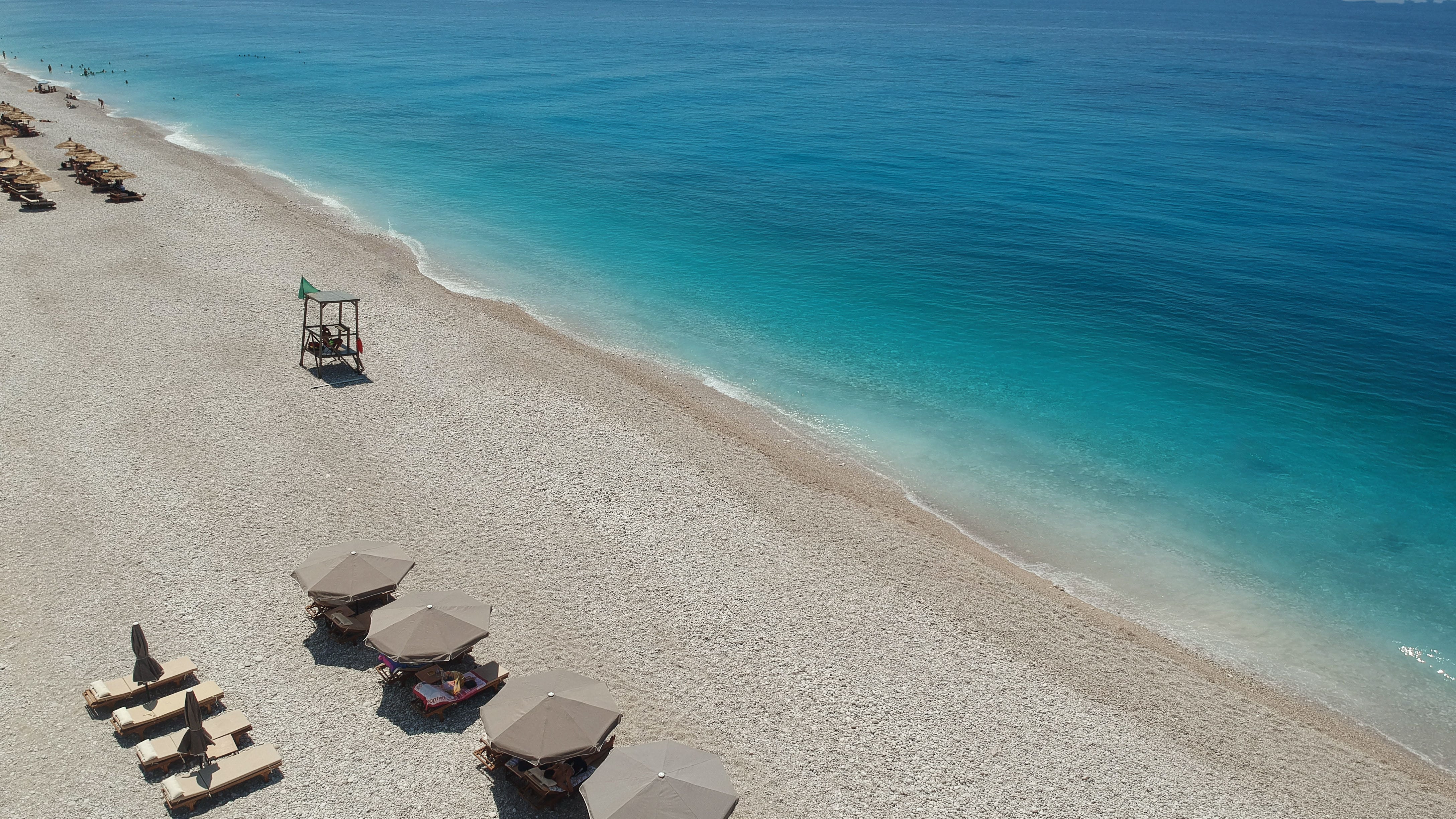
The Albanian Riviera stretches 120 kilometers from Vlorë south to Ksamil, offering beaches that range from the longest stretch at Dhërmi (accessible by paved road, packed with 1,000+ beachgoers in August) to Gjipe (requiring 30-minute hike through canyon, empty even in summer).
 Beaches & Coast
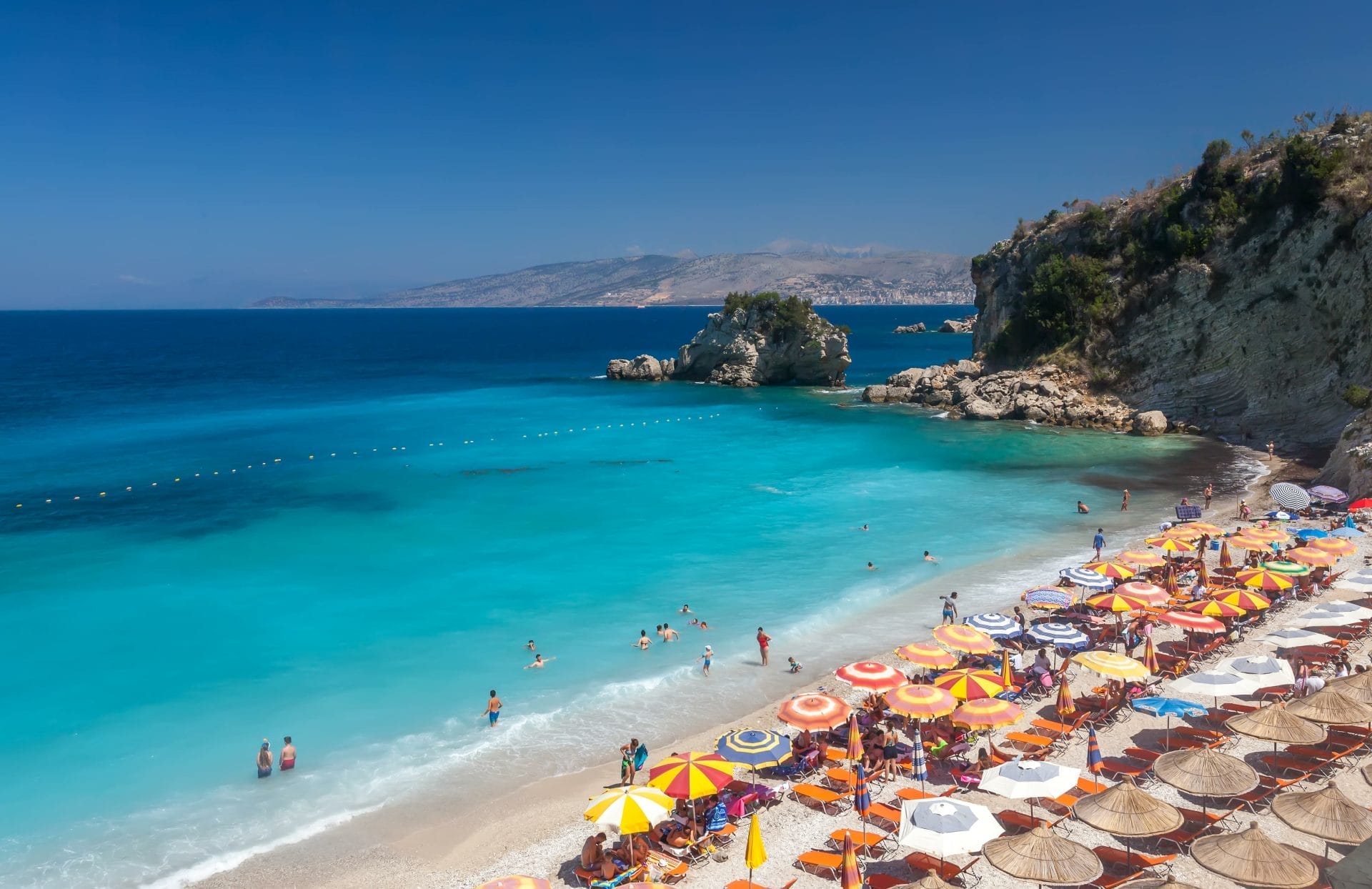
 Best Beaches in Albania
Albania's 427-kilometer coastline divides into two distinct beach zones: the northern Adriatic (sandy beaches, shallow water, family-friendly, 39km from Tirana but less scenic) and the southern Ionian Riviera (pebble beaches, dramatic cliffs, turquoise water, Instagram-famous but 2.5-hour drive from capital). Neither coast delivers on everything—choosing between them means accepting trade-offs.
Historical Sites
 Historical Sites
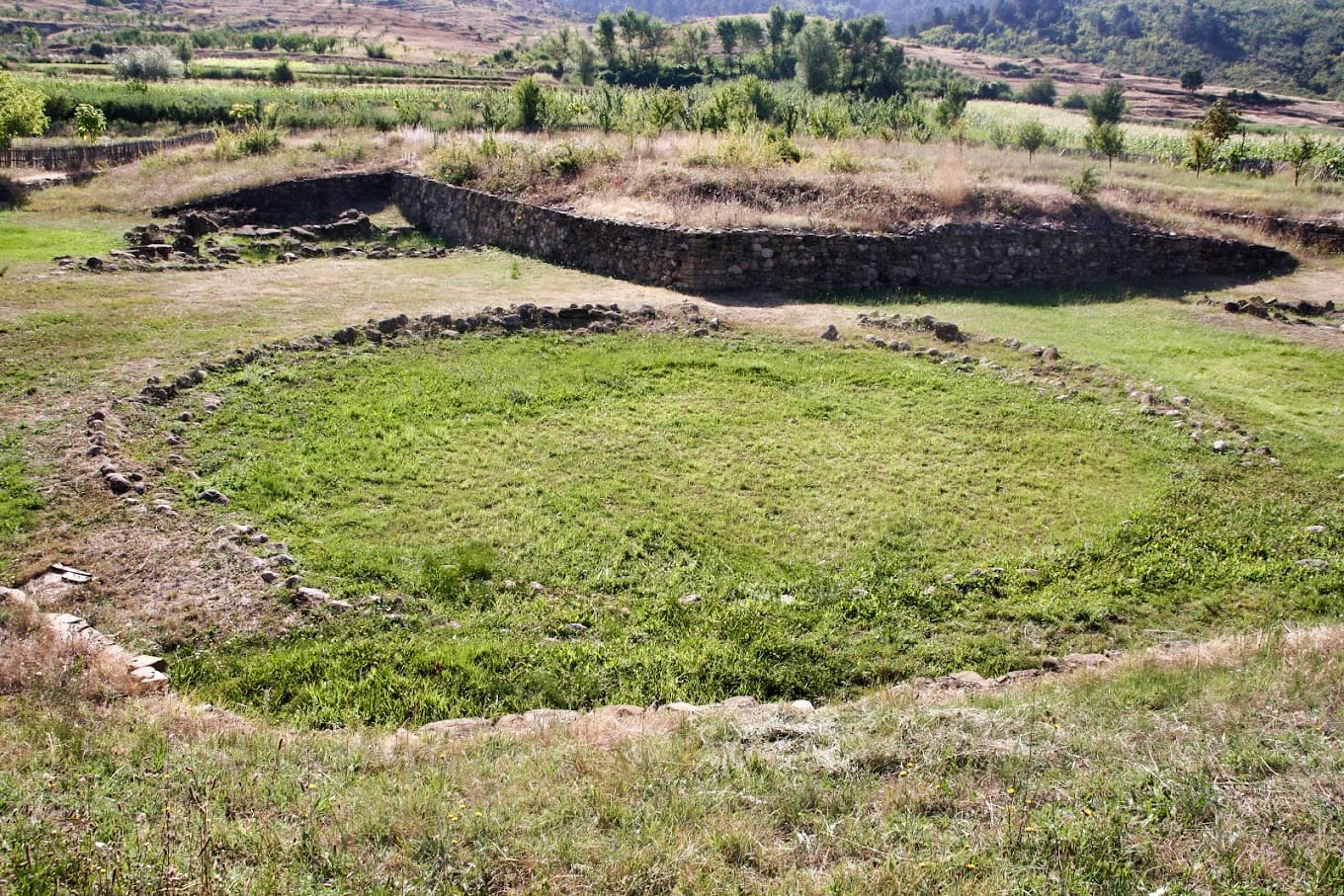
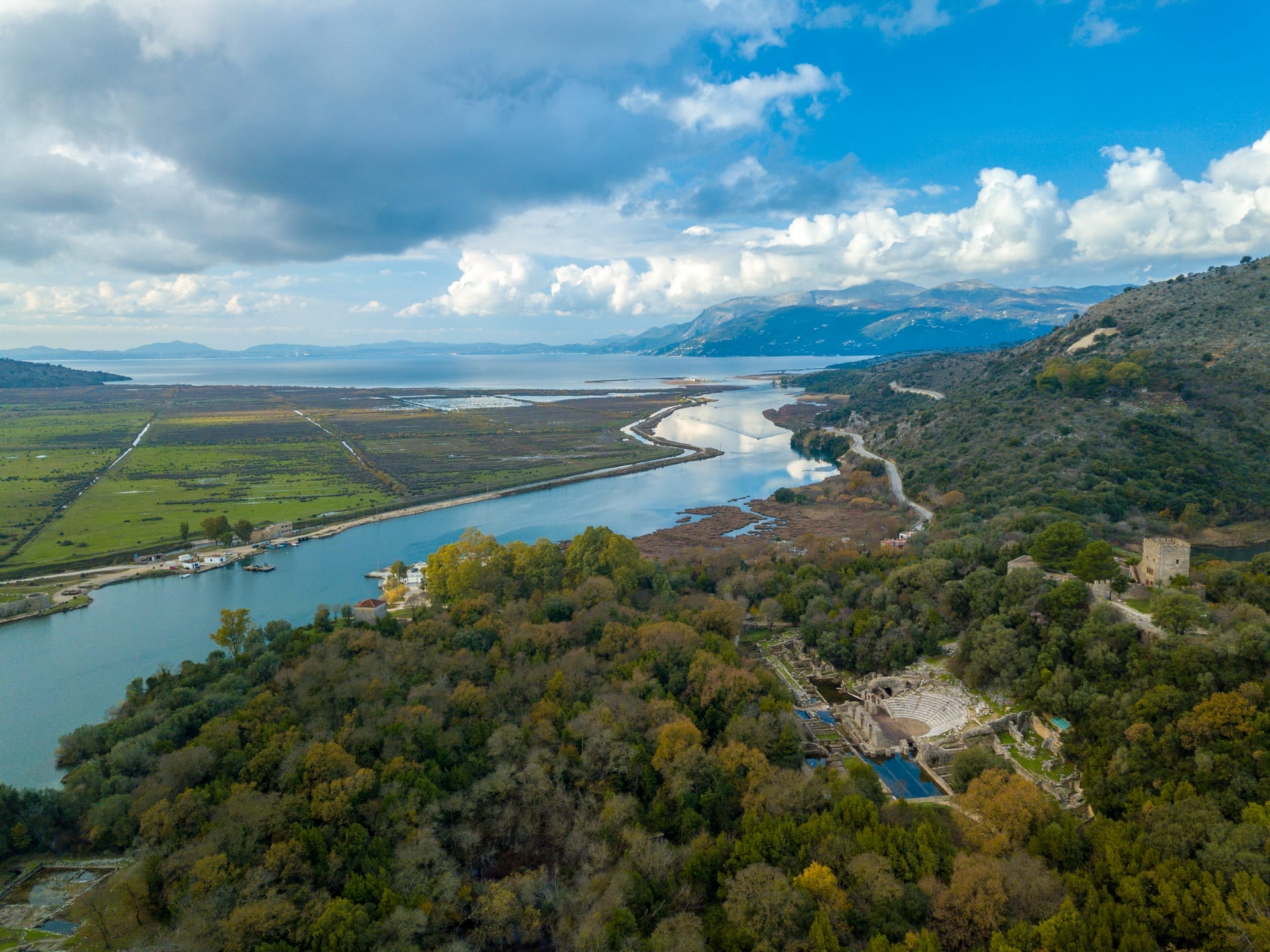
 Ancient City of Phoenice
Phoenice was the capital of the Chaonian tribe from the 6th century BCE until Roman conquest in 167 BCE, occupying a hilltop 12 kilometers inland from modern Sarandë. The ruins include a 4,000-capacity theater, city walls, and scattered foundations accessible via rough 2-kilometer track from Finiq village.
 Historical Sites
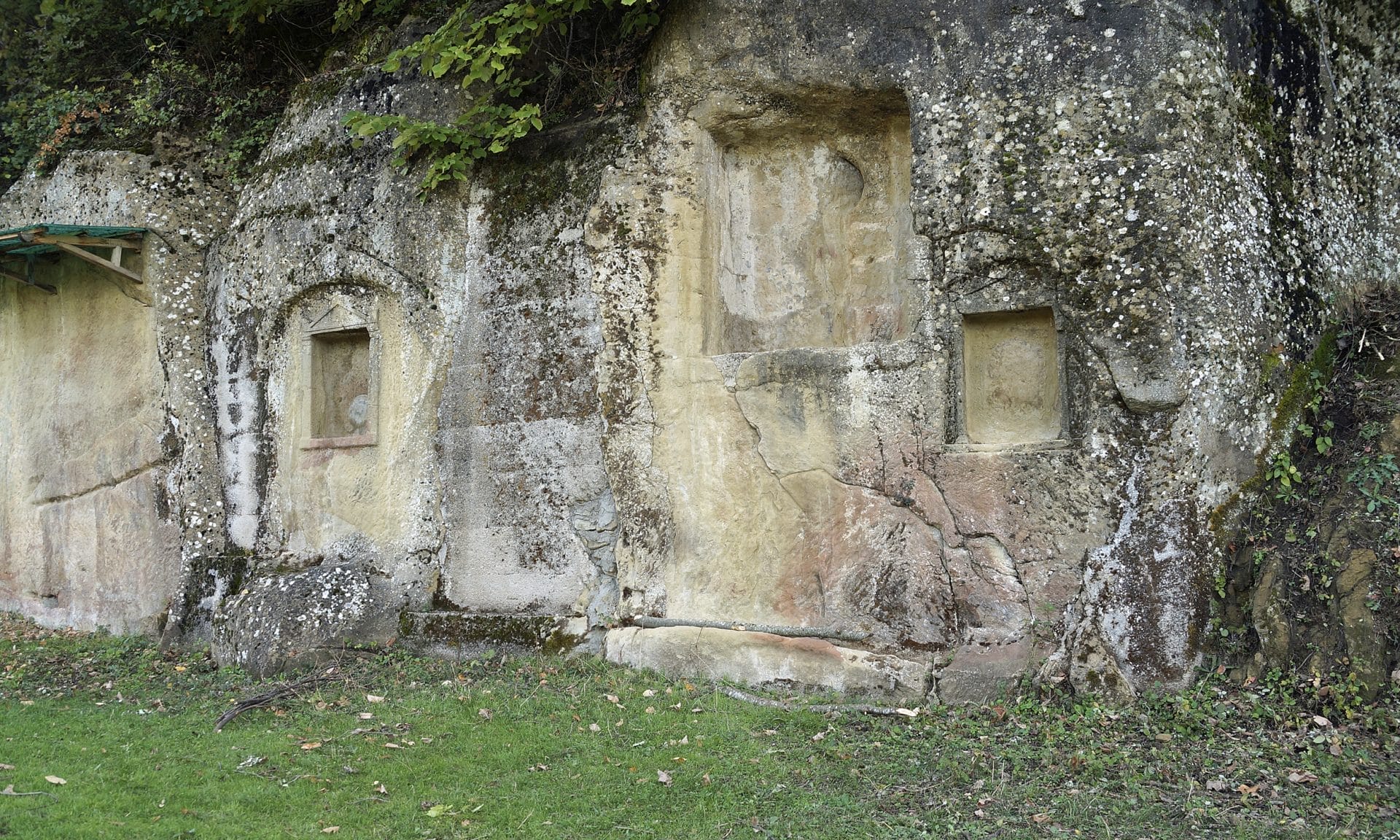
 Ancient Illyrian Tombs of Selca
Selca contains Albania's largest concentration of monumental Illyrian tombs—rock-cut chambers carved between the 4th-1st centuries BCE that require a steep 30-minute hike but remain largely unexcavated and uninterpreted, creating archaeology without infrastructure.
 Historical Sites
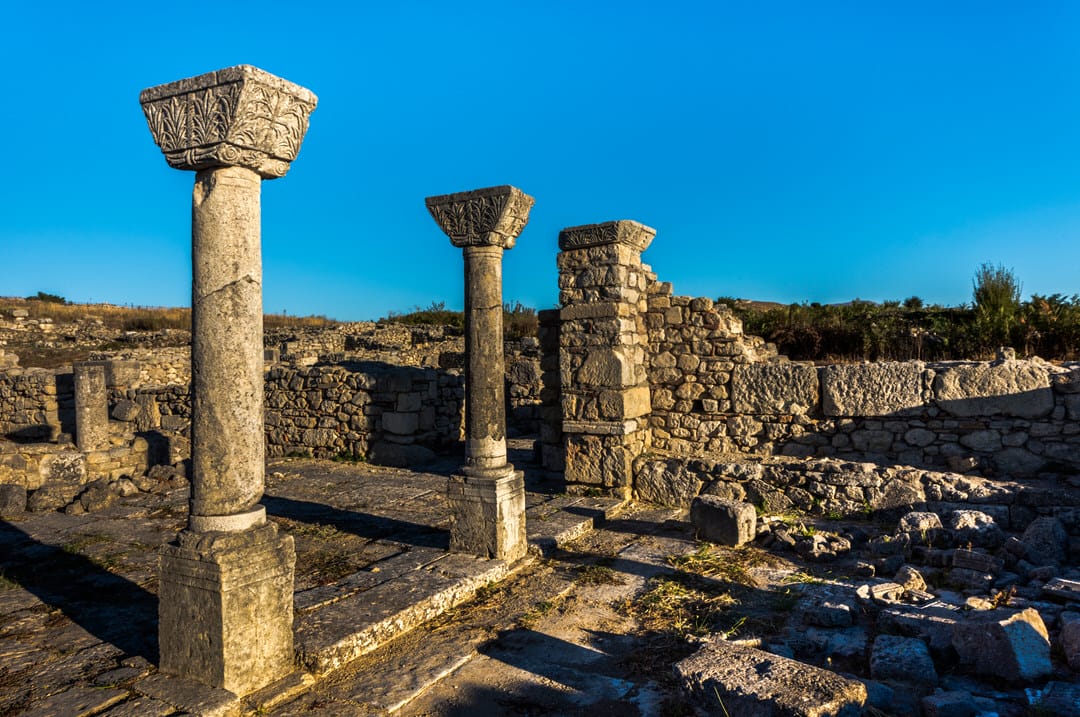
 Byllis Archaeological Park
A windswept hilltop with Illyrian walls, a Roman theater and early Christian mosaics—Byllis might be Albania's most rewarding ancient city without the crowds.
 Historical Sites
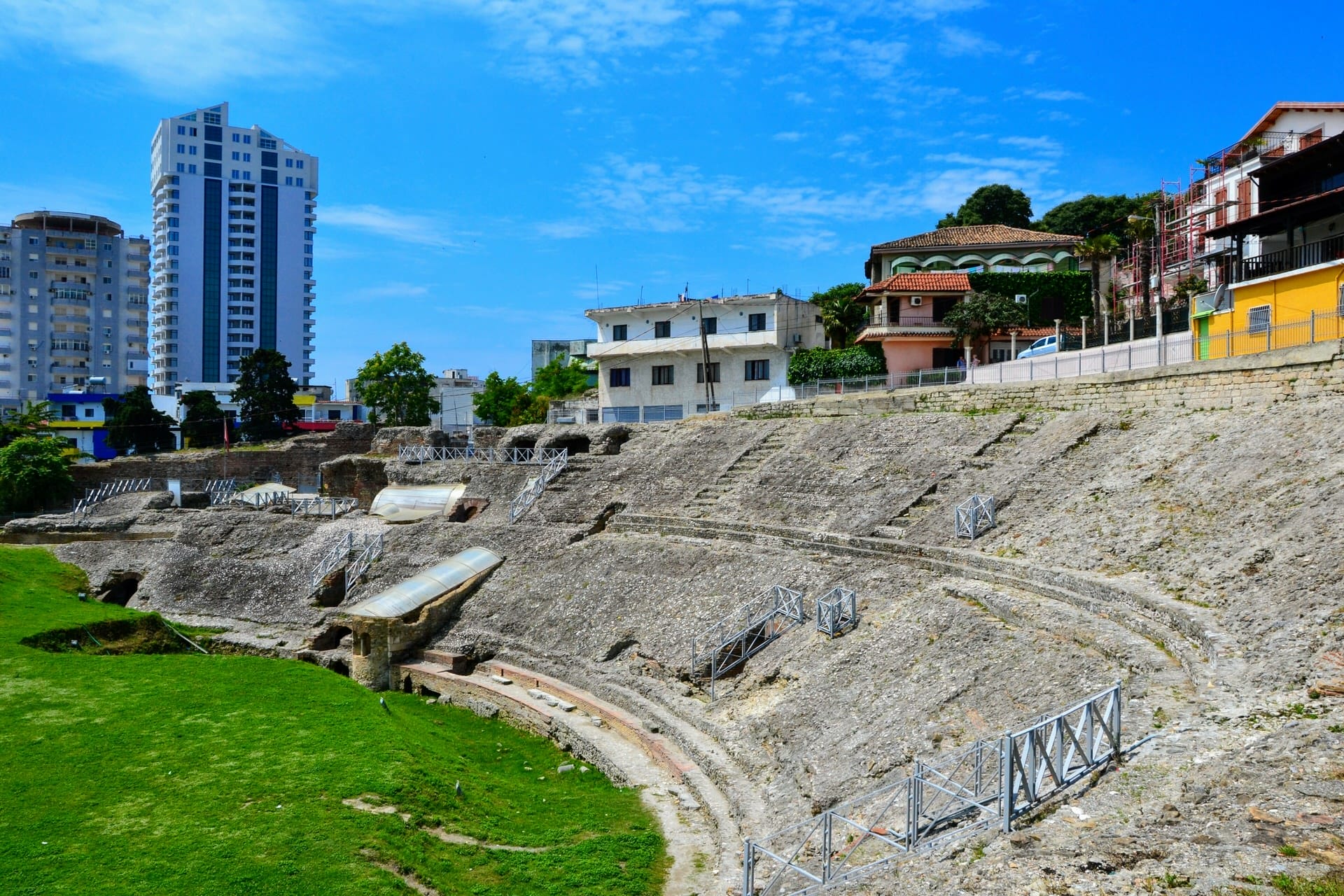
 Durrës Amphitheatre
In 1966, a fig tree in central Durrës collapsed several meters into the ground, revealing what archaeologists would confirm as the Balkans' largest Roman amphitheatre—a 20,000-seat arena built under Emperor Trajan around 100-110 AD, buried under medieval and Ottoman construction for over a millennium.
 Historical Sites
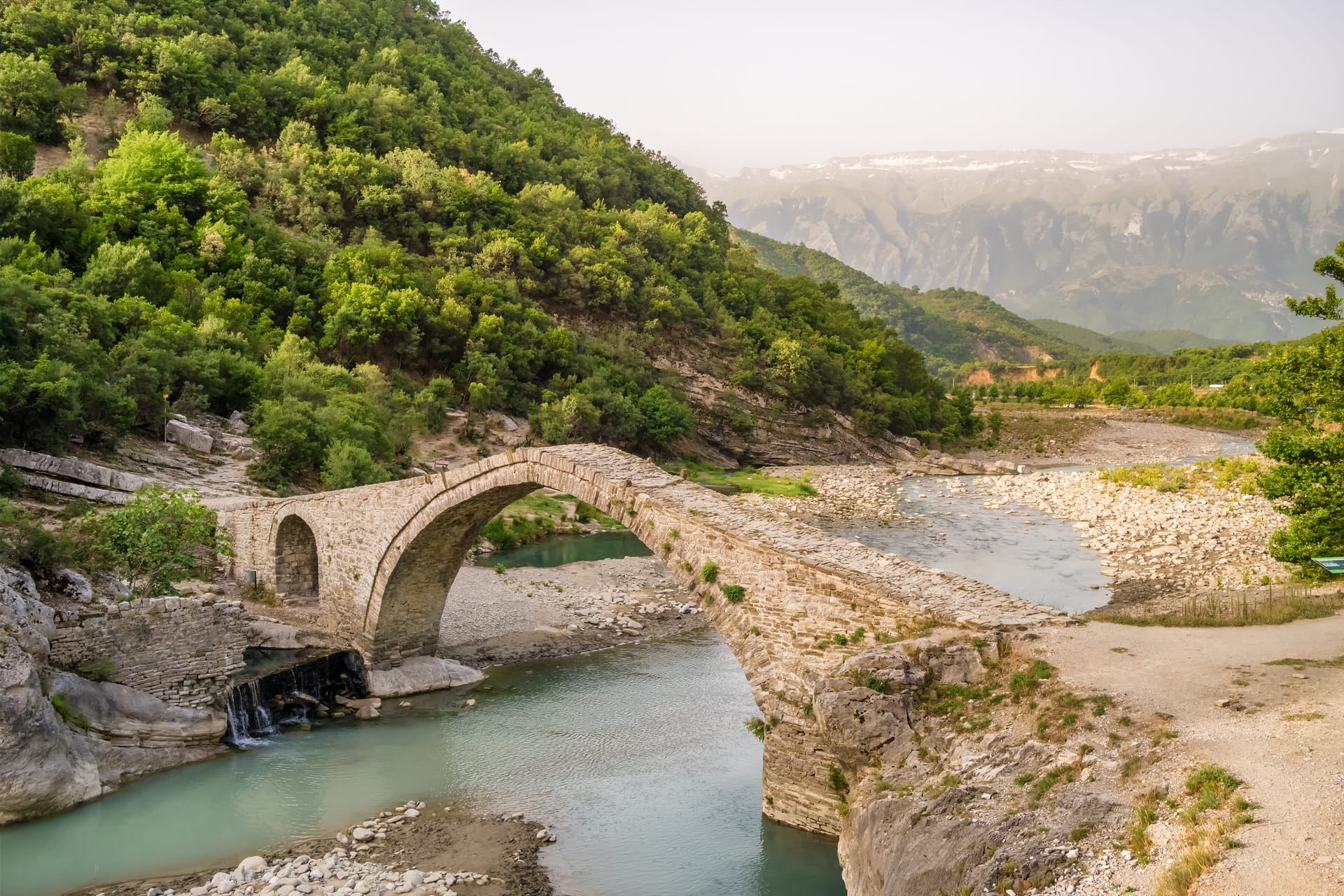
 Kadiut Bridge
Traverse the historic multi-arched Kadiu Bridge by Përmet displaying proud regional stonemasonry techniques that first connected logging villages across the Langarica River centuries before modern transportation infrastructure carved through Albania's southern mountains.
 Historical Sites
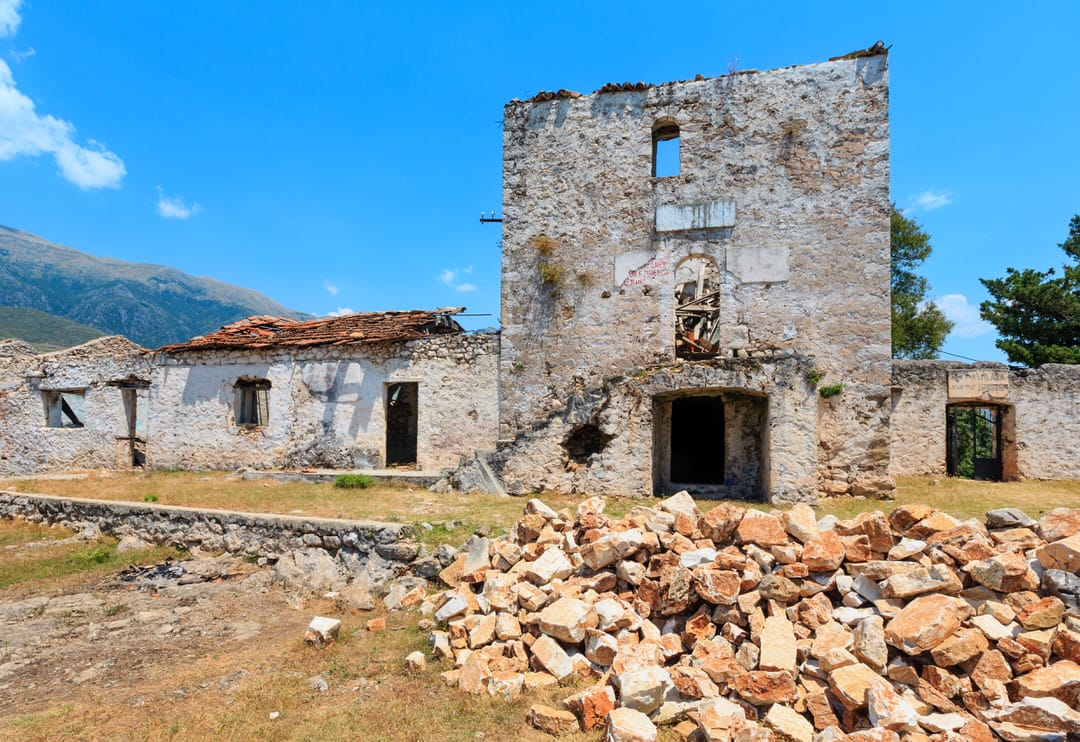
 Saint Theodore's Monastery
Saint Theodore’s Monastery above Gjipe Beach is a half-ruin, half-restoration site layered with 2,000 years of history and breathtaking coastal views.
 Historical Sites
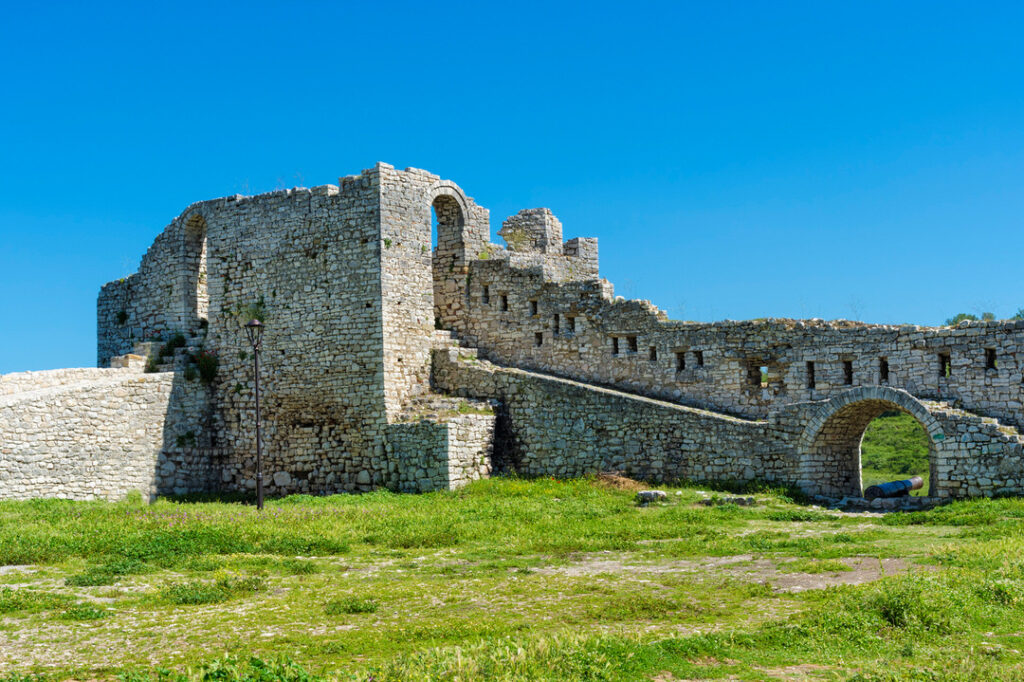
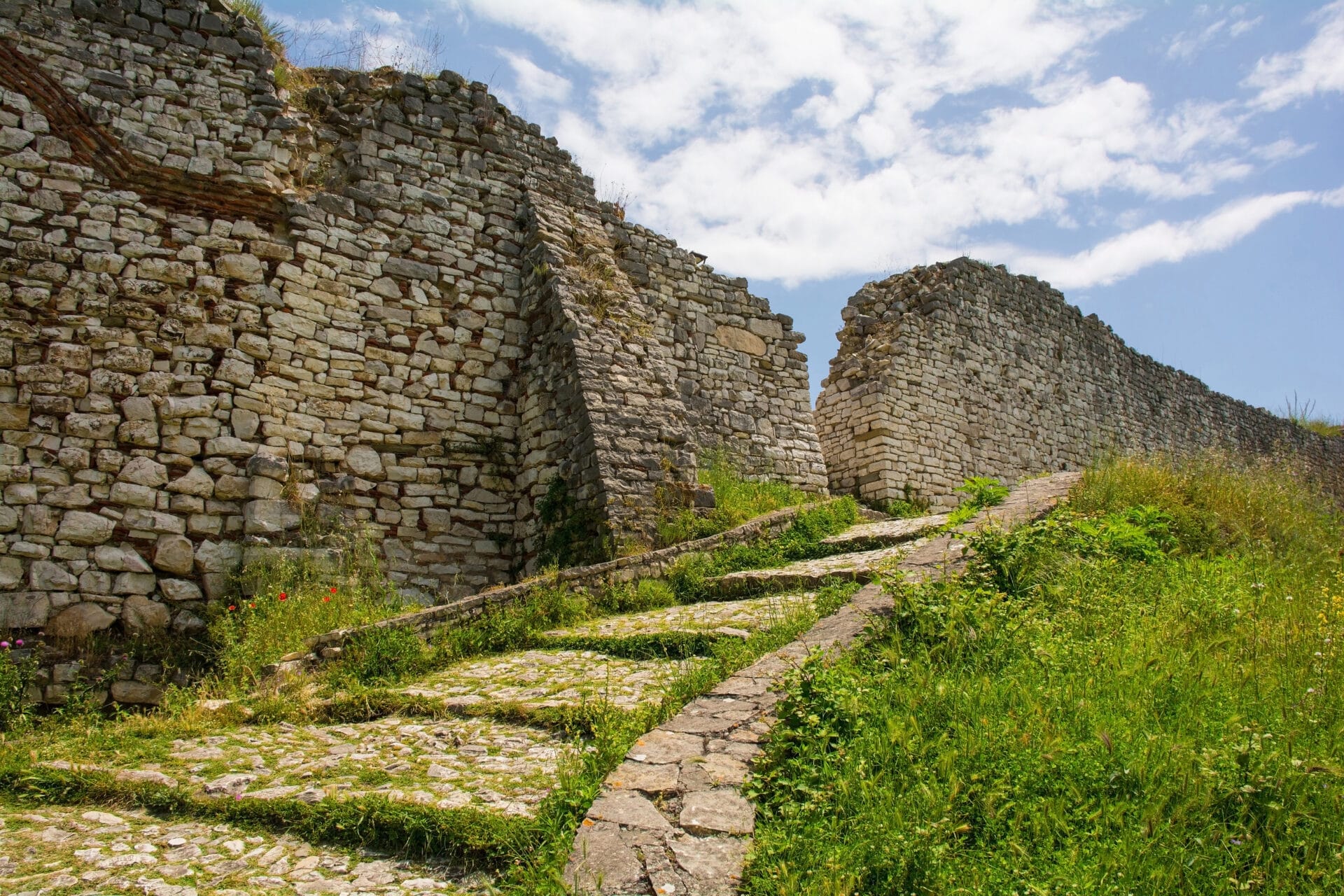
 UNESCO World Heritage
Explore Albania's standout UNESCO sites spanning ancient ruins, Ottoman architecture, pristine lakes, and primeval forests.
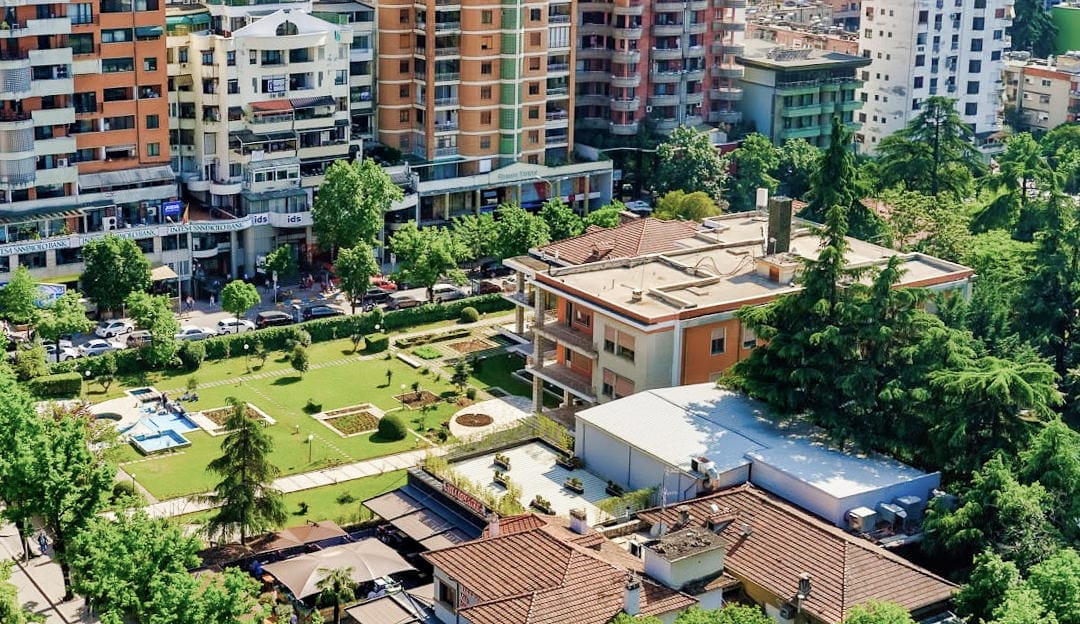
Beaches
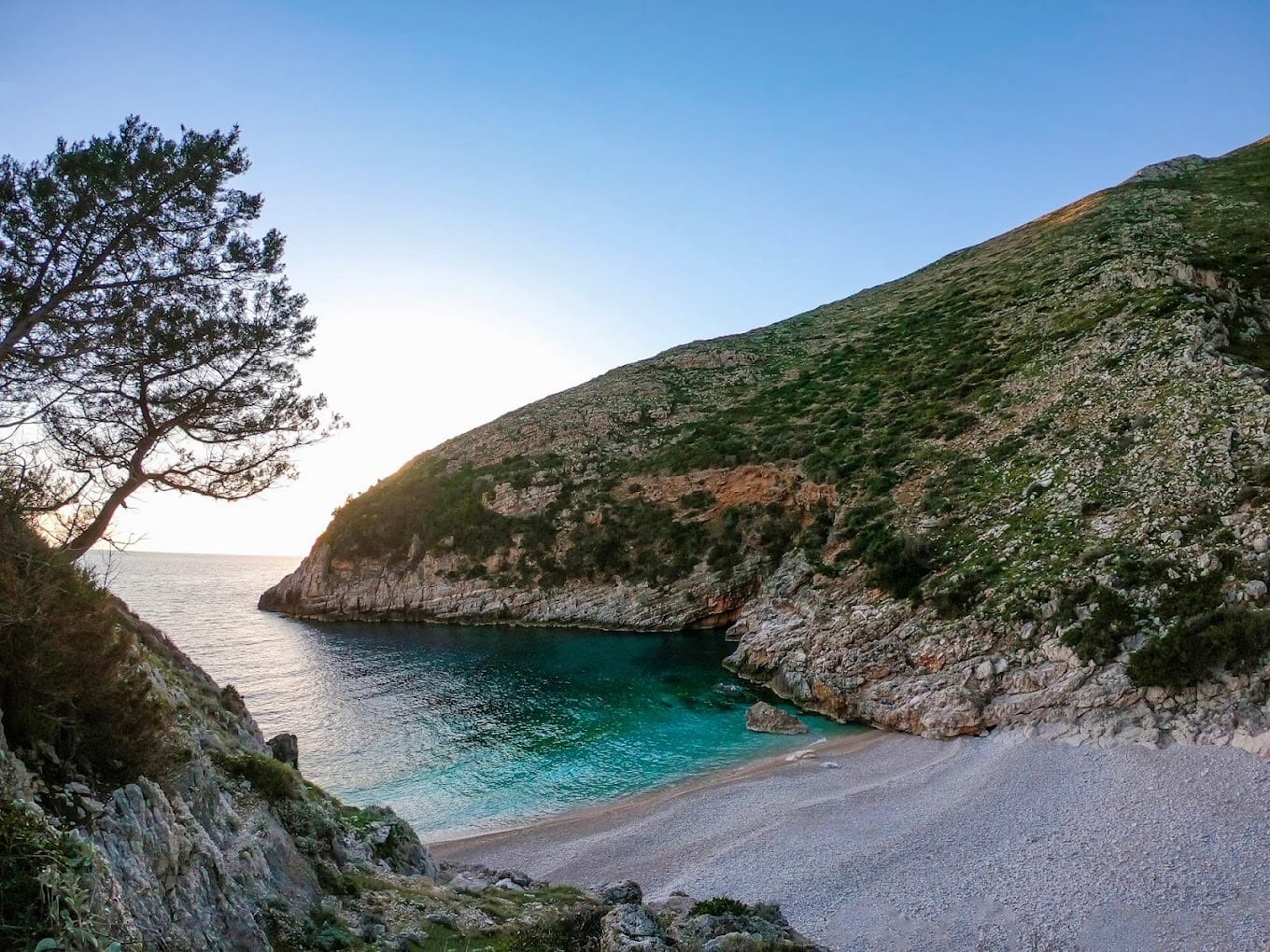 Beaches
 Dafina Bay
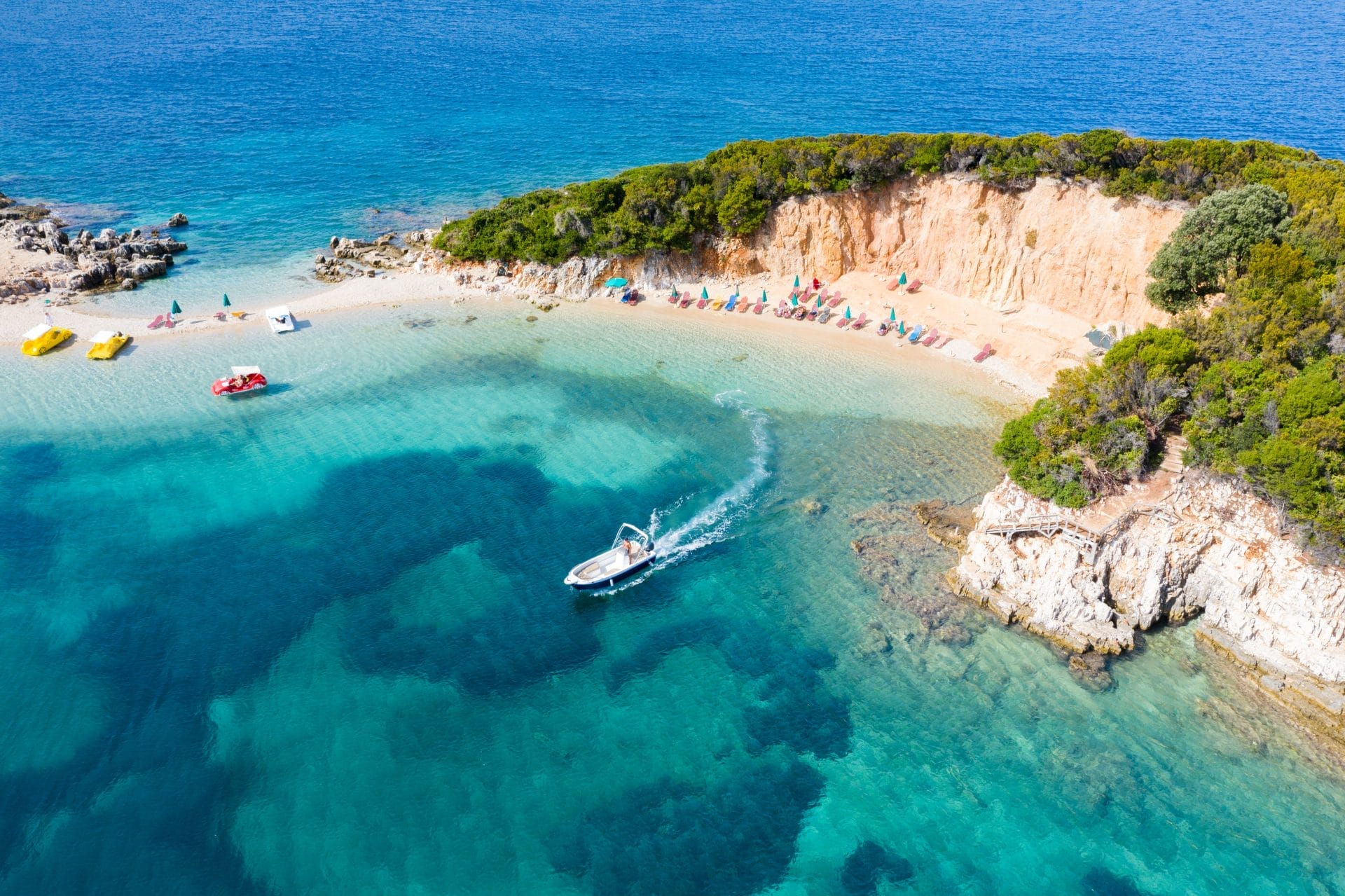
Hidden away on Albania's Karaburun Peninsula, the breathtaking Dafina Bay offers a peaceful escape with its sweeping turquoise waters, pristine beach, and unspoiled natural beauty.
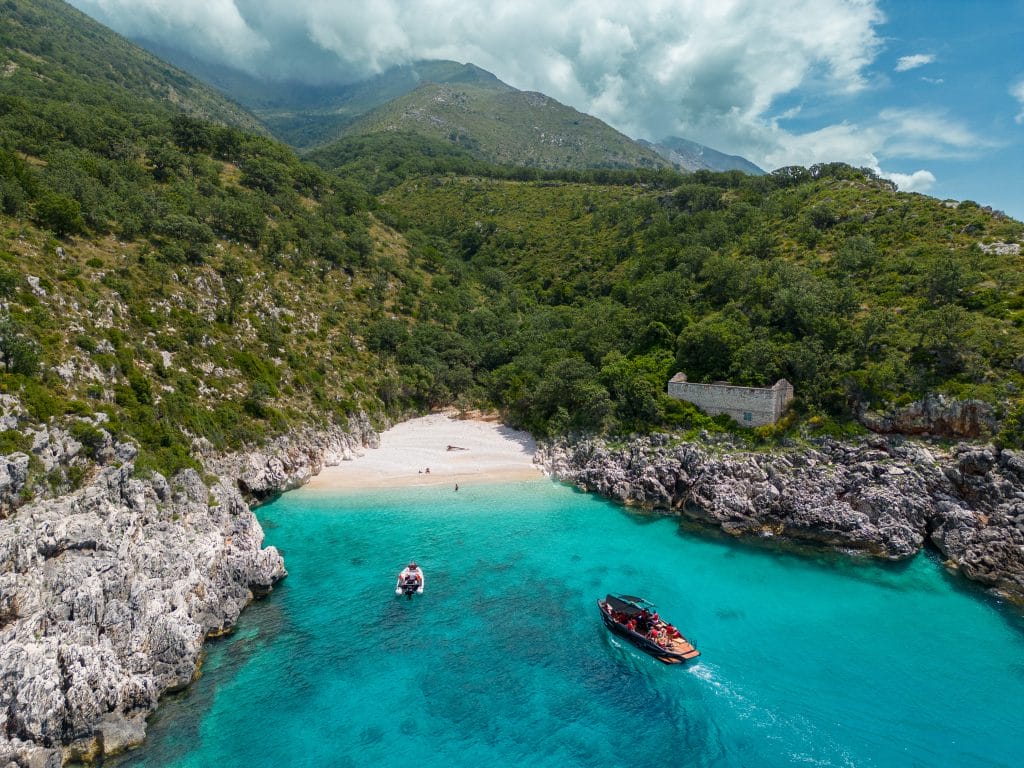 Beaches
 Karaburun Peninsula
Escape the crowds and journey along Albania's Karaburun Peninsula to discover secluded beaches, breathtaking landscapes, mystical caves, and rich marine life in this Adriatic and Ionian paradise where the two seas meet.
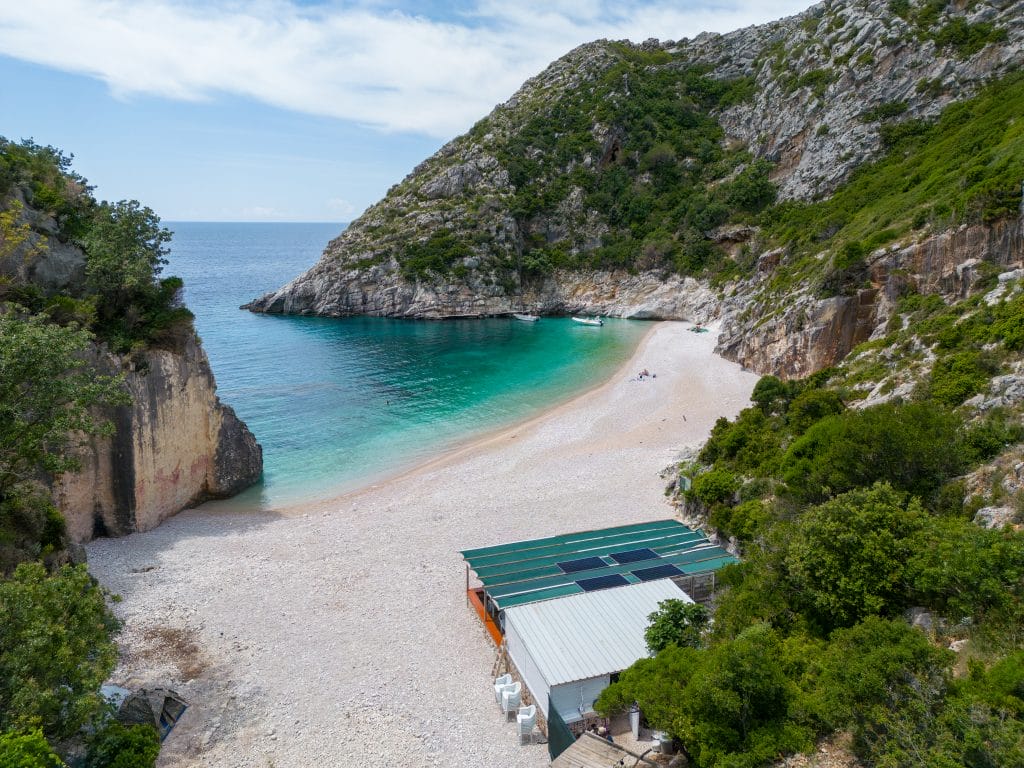 Beaches
 Secluded Beaches
Discover Albania's virgin, secluded, boat-only beaches. From the mystical allure of Grama Bay to the picture-perfect serenity of Filikuri Beach, leave the crowds behind and plunge into crystalline waters.
National Parks & Reserves
 National Parks & Reserves
 Dajti National Park
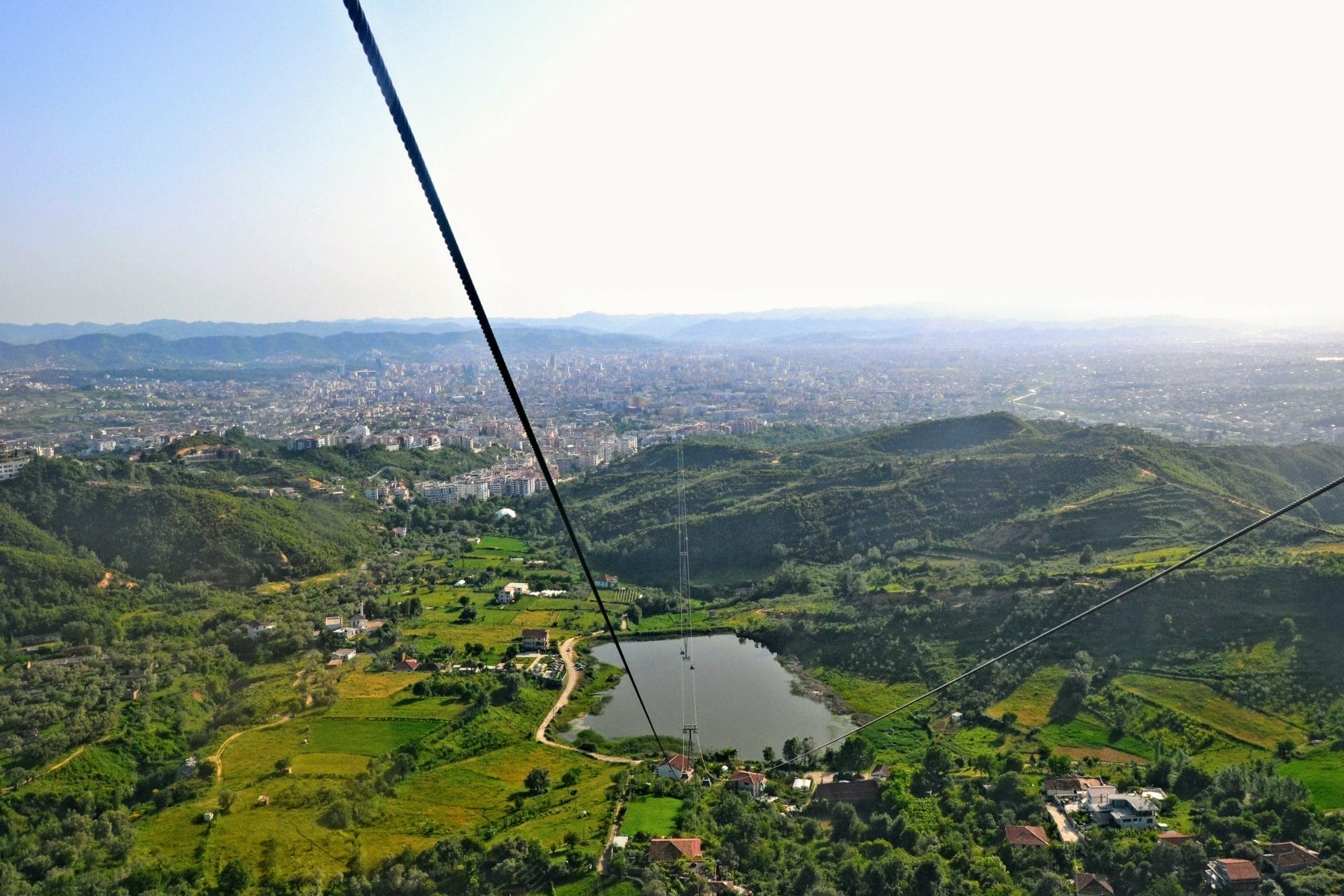
Dajti National Park (29,384 hectares, established 1966) surrounds Mount Dajti east of Tirana offering cable car access (Dajti Ekspres, 4.7km, 1,200 LEK), hiking trails through oak and beech forests (1,500+ plant species), and viewpoints overlooking Tirana from elevations reaching 1,613 meters—functioning as Tirana's accessible mountain recreation area 25 kilometers from city center.
 National Parks & Reserves
 Karaburun-Sazan Marine National Park
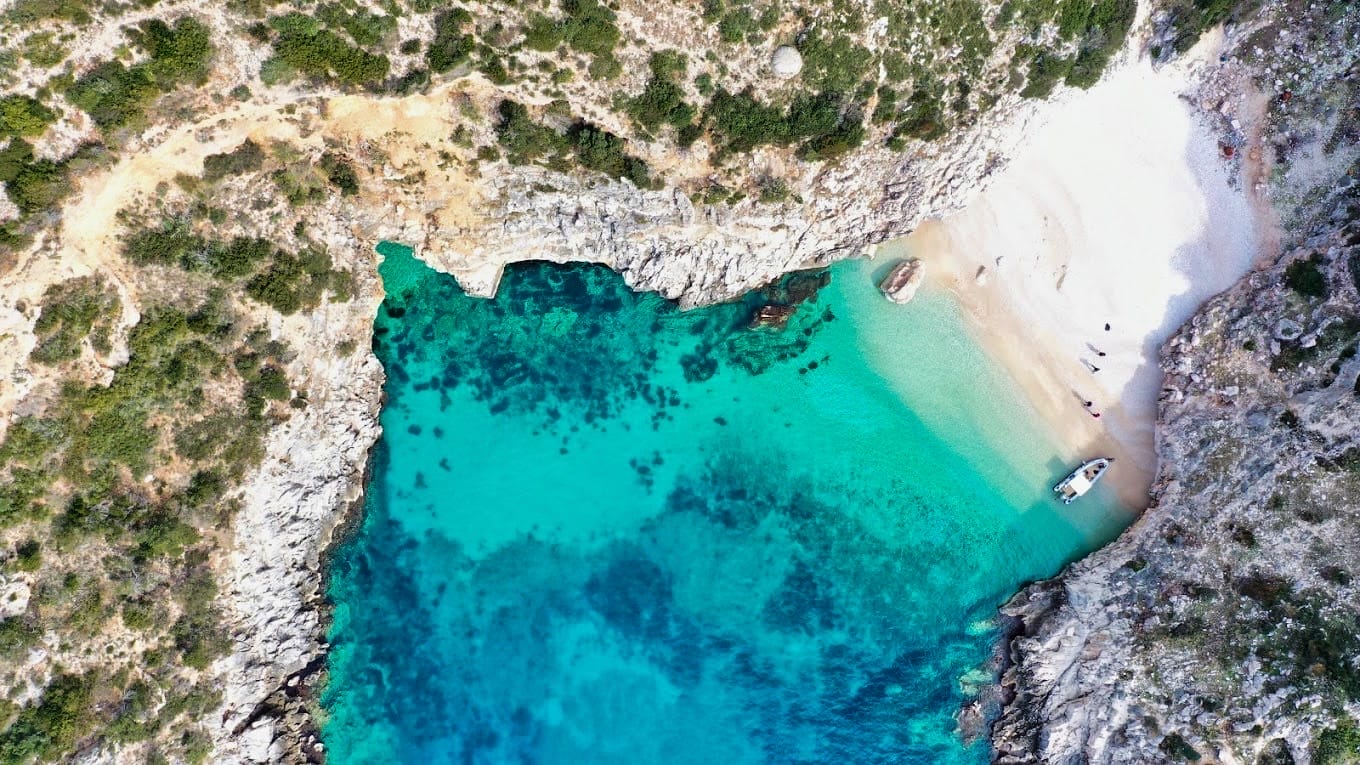
Albania's first marine protected area (established 2010) covers 12,570 hectares including Karaburun Peninsula and Sazan Island in the Adriatic Sea entrance, protecting Mediterranean biodiversity through boat-only access from Vlorë—offering diving, snorkeling, and coastal exploration in remote peninsula with limited infrastructure and restricted landing areas.
 National Parks & Reserves
 Llogara National Park
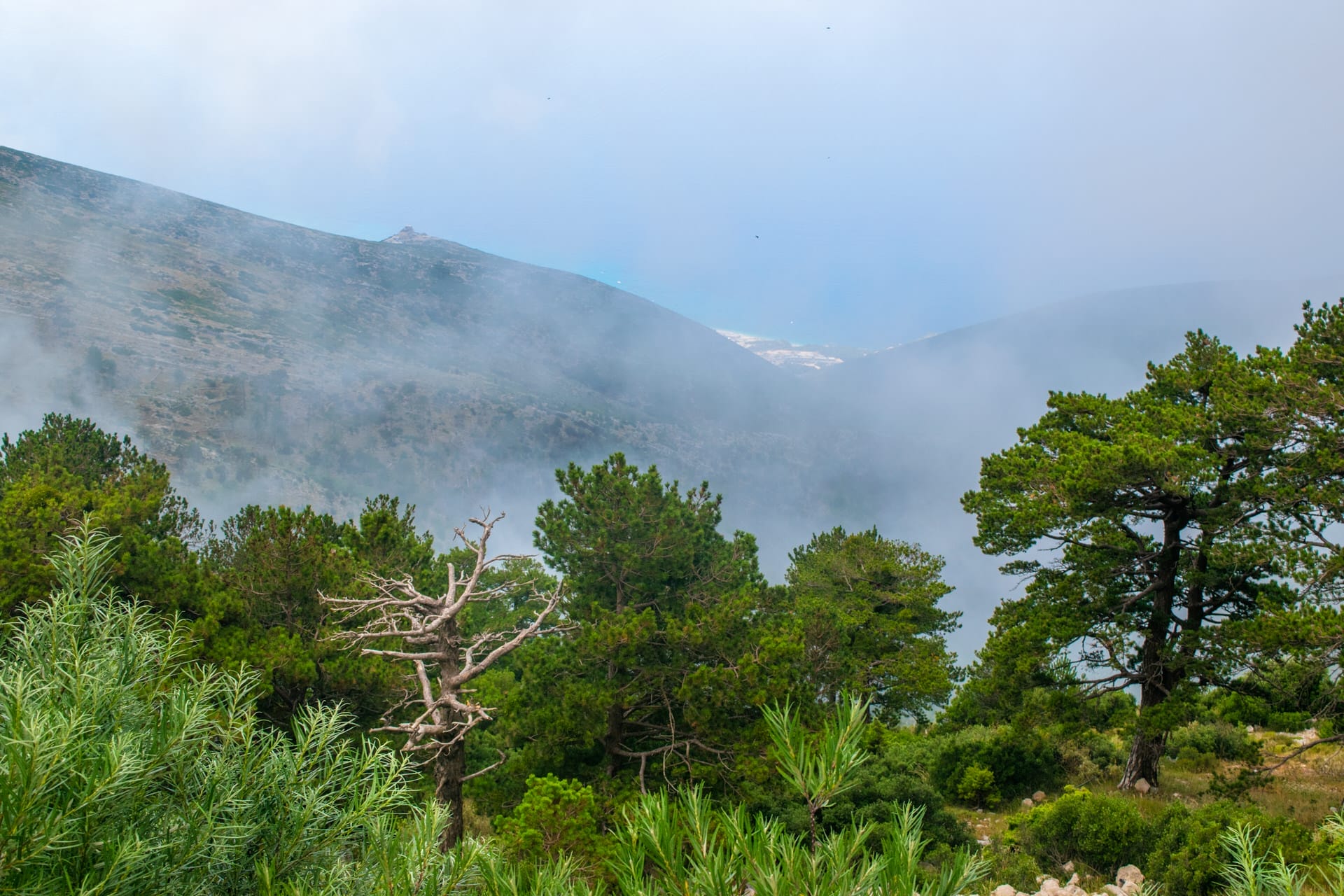
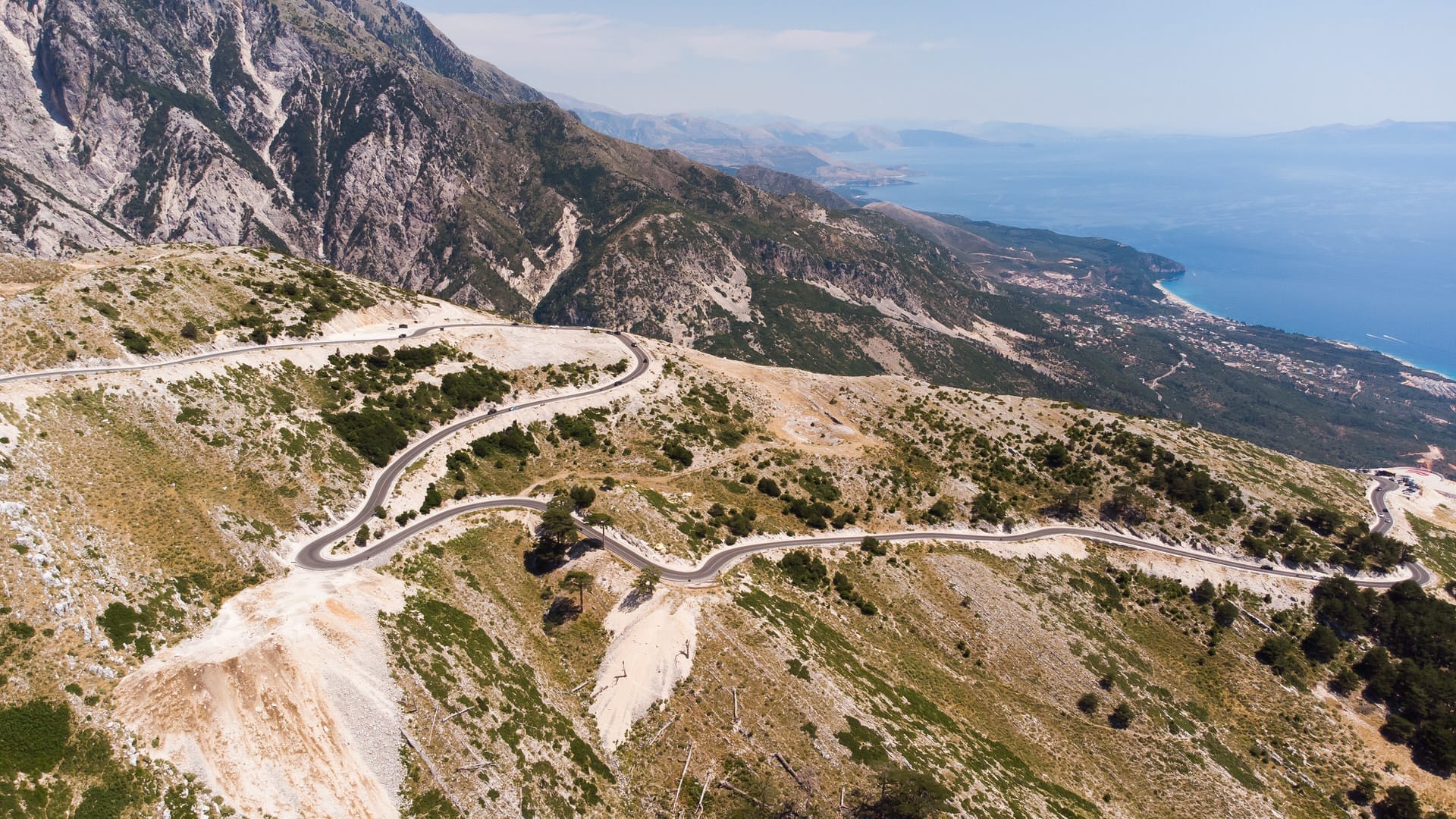
Llogara National Park (10,100 hectares, established 1966) covers Llogara Pass and surrounding mountains along Albania's southwest coast, offering paragliding from 1,027-meter summit, hiking trails through black pine forests, and access to Albanian Riviera beaches—functioning primarily as scenic mountain pass with limited park infrastructure beyond roadside facilities.
 National Parks & Reserves
 Theth National Park
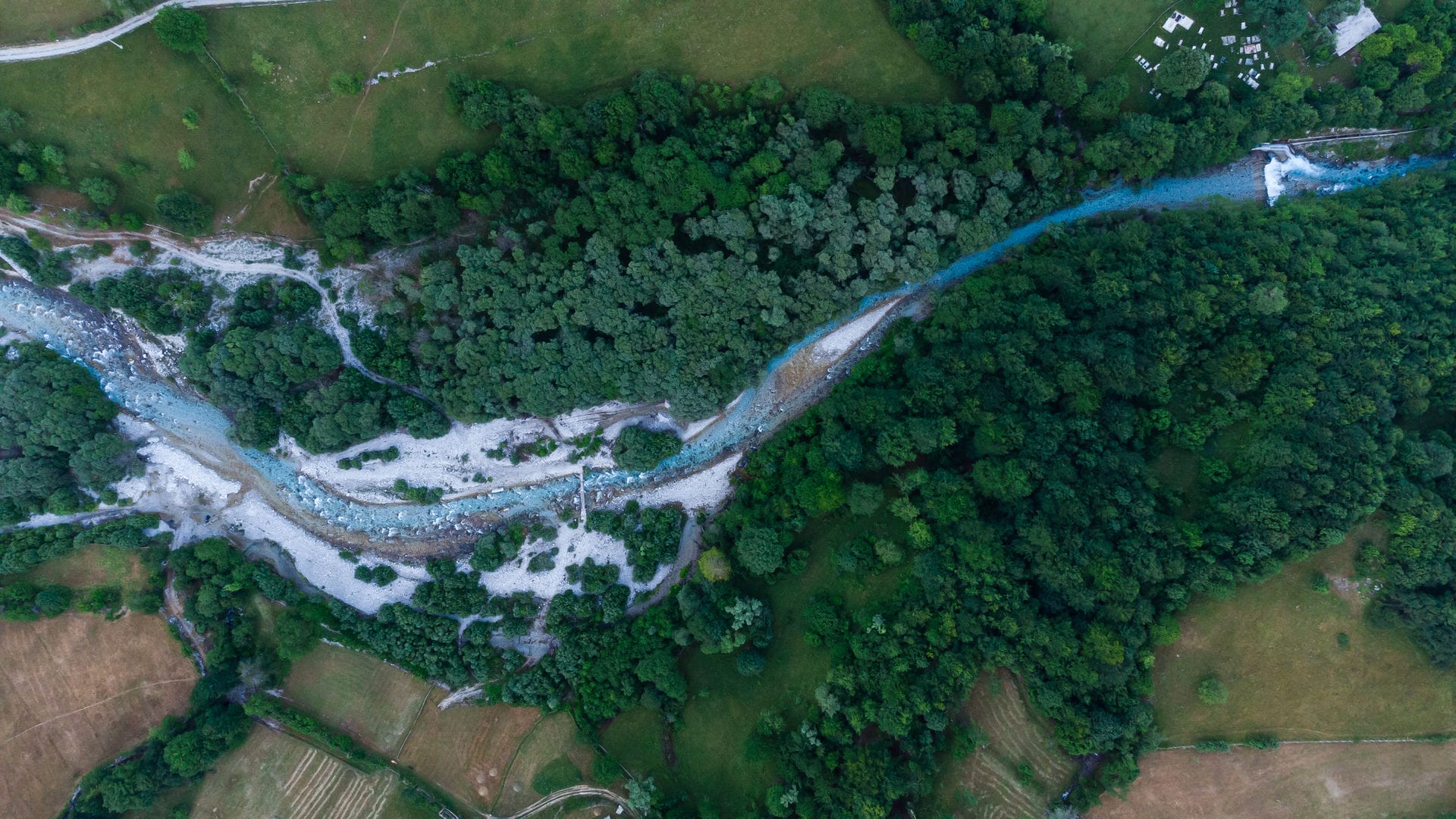
Theth National Park (26,630 hectares, established 1966) contains the village of Theth (population ~400) at 750m elevation in the Albanian Alps, accessible via 25-kilometer unpaved road from Shkodër (3 hours driving) serving as base for hiking to Grunas Waterfall, the Lock-in Tower, and the Valbona-Theth trail—though overtourism has created infrastructure strain and environmental concerns.
 National Parks & Reserves
 Valbona Valley National Park
Valbona Valley National Park (8,000 hectares, established 1996) follows the Valbona River through a 25-kilometer valley in the Albanian Alps, with Valbona village (~500 residents) at 800m elevation serving as base for the Valbona-Theth trail (6-8 hours, 1,800m pass) and day hikes to Rrogam Waterfall—accessible via Fierza ferry (3 hours from Koman) or rough mountain roads from Bajram Curri.
 National Parks & Reserves
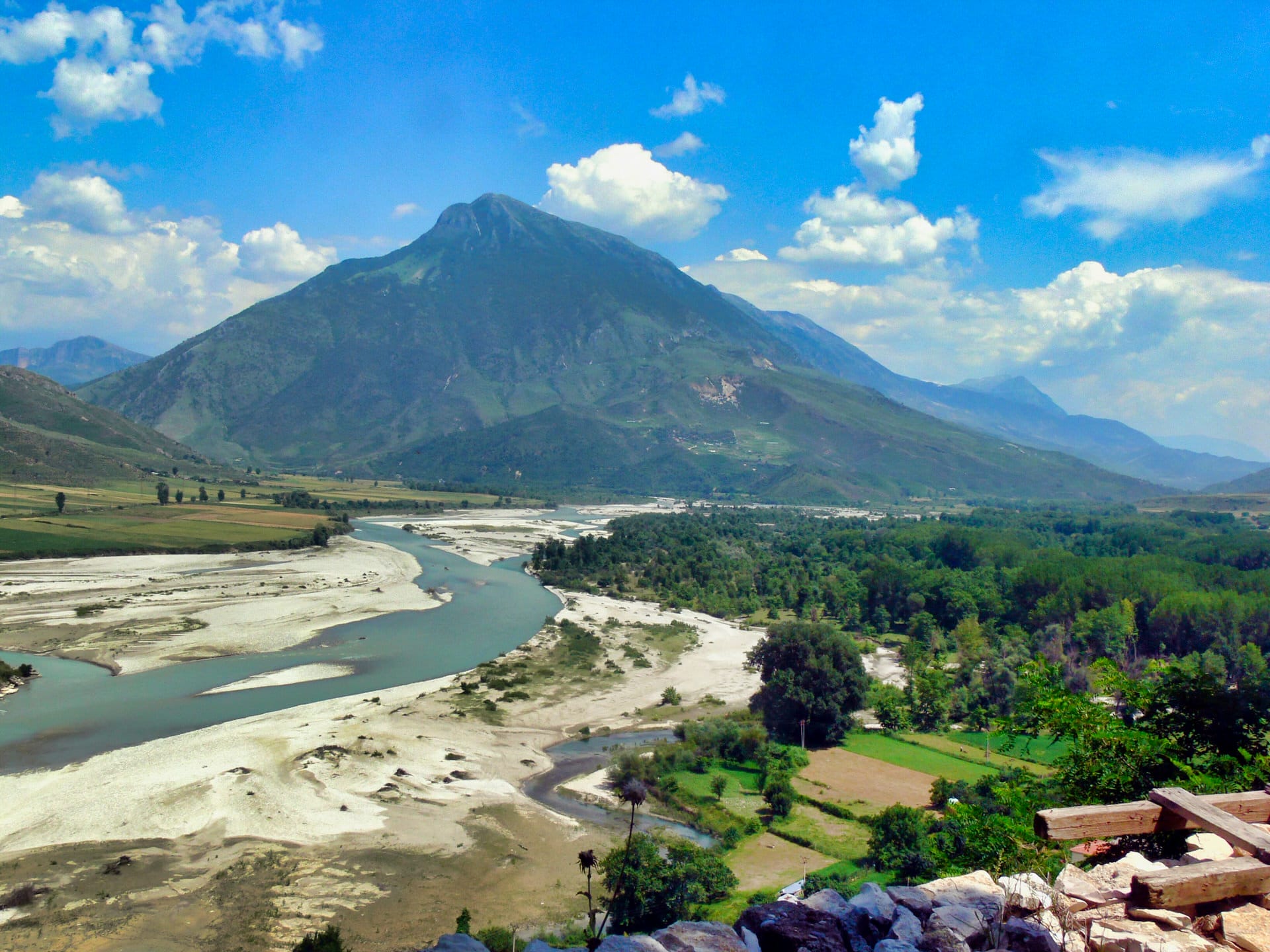
 Vjosa River
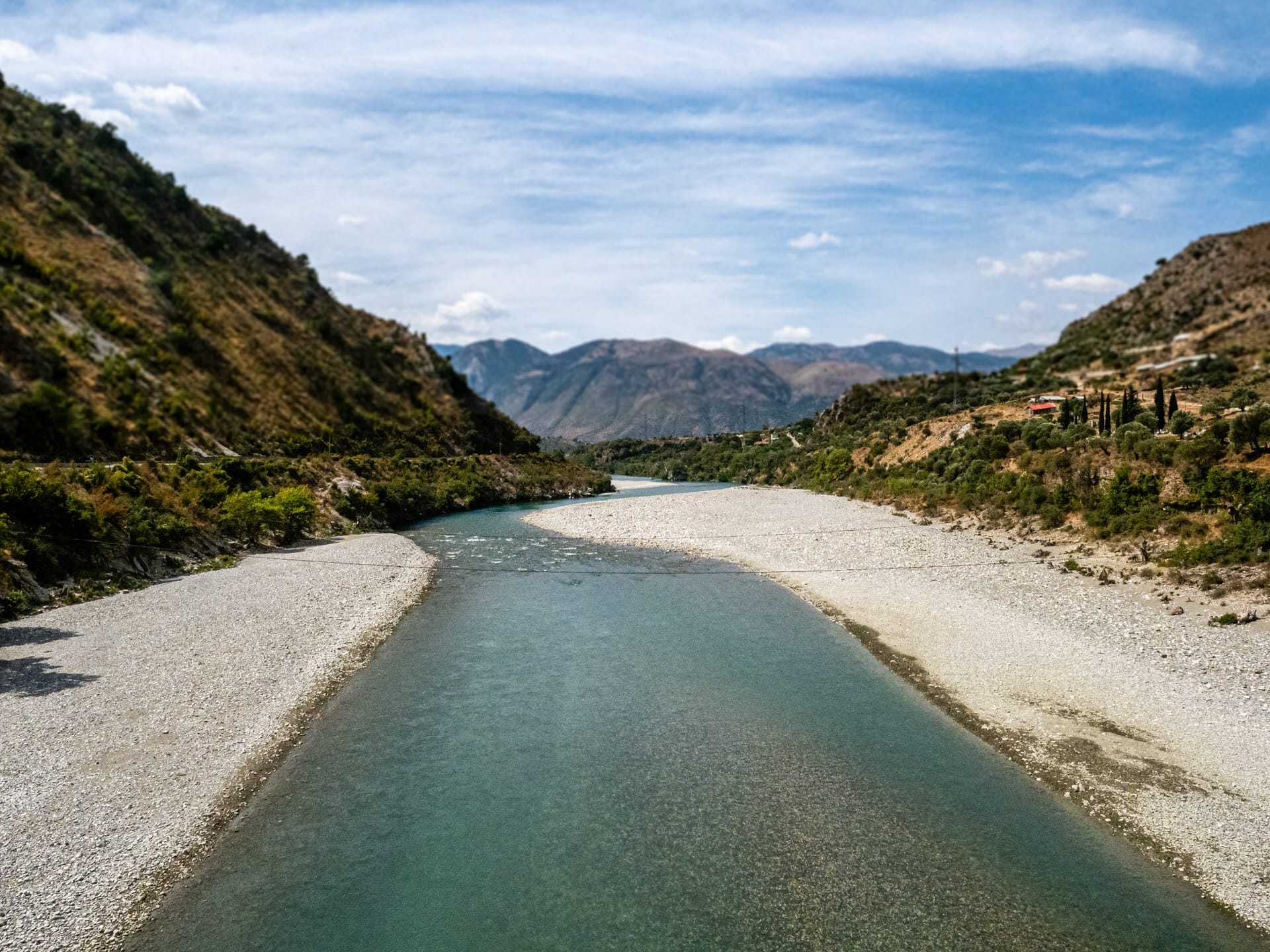
Vjosa Wild River National Park (established March 2023) protects Europe's last major free-flowing river across 300 kilometers from Greek border to Adriatic Sea through southern Albania, offering rafting (Class II-III rapids, €39-109), thermal springs at Bënja (13km from Përmet), hiking in Langarica Canyon, and access to traditional Albanian towns along Albania's newest national park.
Rivers & Canyons
 Rivers & Canyons
 Langarica Canyon and River
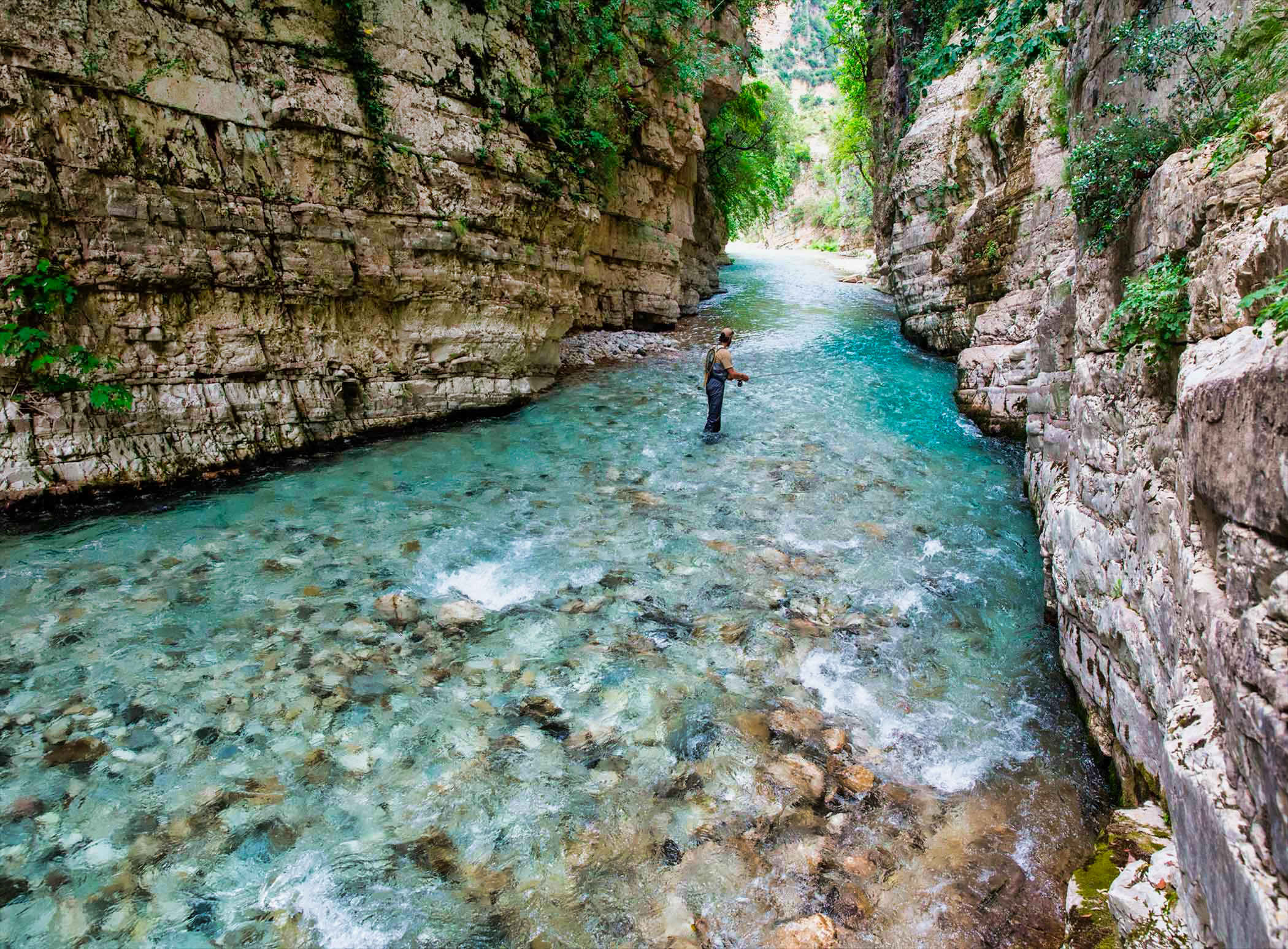
Langarica Canyon near Përmet features a 5-kilometer hiking route requiring water crossings (ankle-deep to waist-deep) through narrow gorge to reach Bënja thermal springs (30-32°C), passing 18th-century Kadiut Bridge and offering canyon hiking alternative to standard trail access—requiring 2-3 hours with water shoes for stream wading in southern Albania's Hotova-Dangëlli National Park area.
 Rivers & Canyons
 Shala River
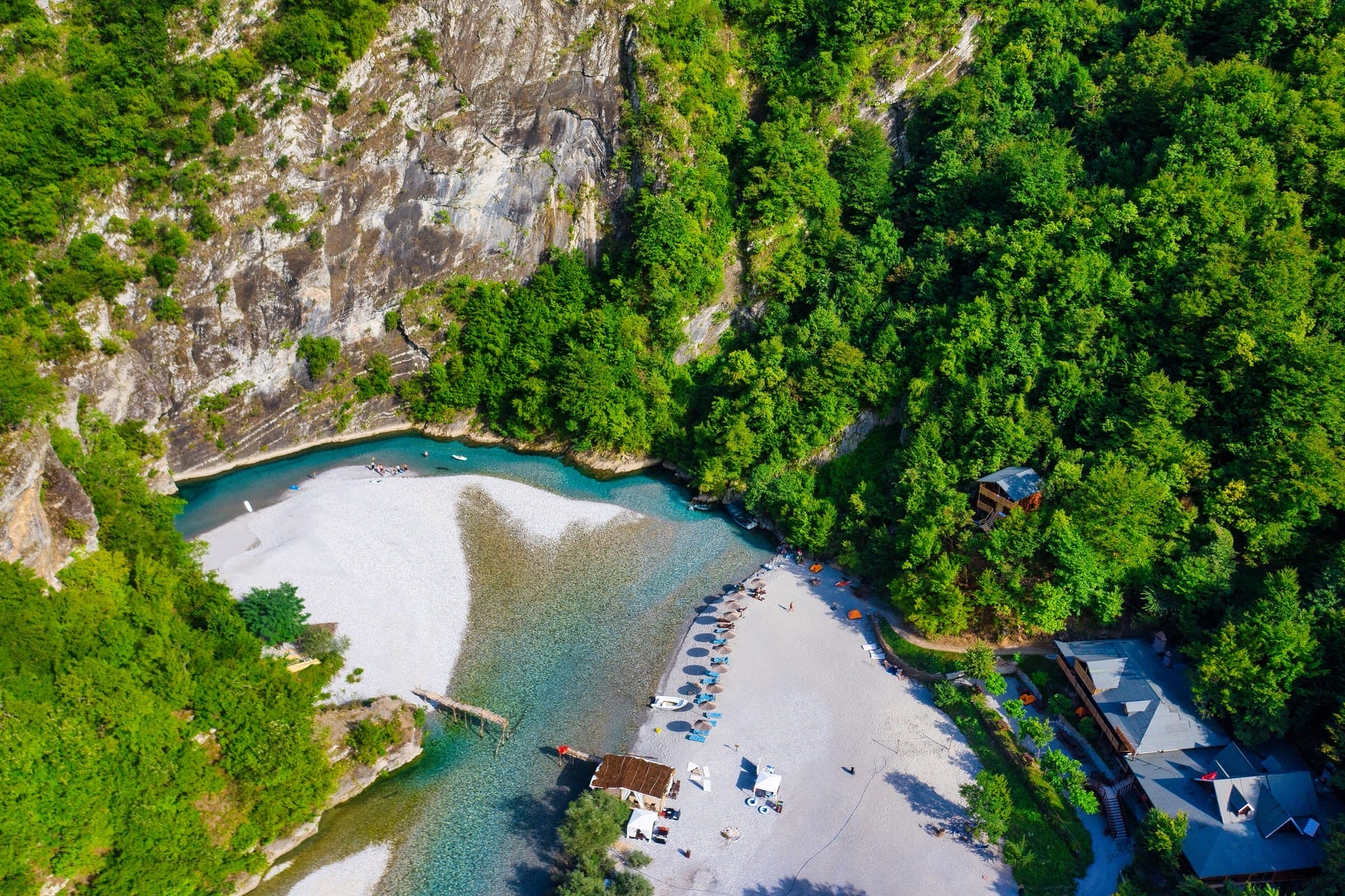
Shala River in northern Albania flows through a remote valley accessible only by boat tour from Komani Lake (1-2 hours, €25-30 per person) or multi-day hiking from Valbona, offering turquoise water swimming, riverside restaurants, and isolated mountain setting with no road access—functioning as popular boat tour destination from May-October.
Mountains & Nature
 Mountains & Nature
 Llogara Pass
The spellbinding drive up Albania's Llogara Pass rewards daring drivers navigating hairpin turns with rearviews capturing the Adriatic and Ionian seas dramatically colliding.
 Mountains & Nature
 Mount Dajti
Mount Dajti rises to 1,613 meters elevation 25 kilometers east of Tirana, accessible via 4.7-kilometer cable car (Dajti Ekspres) reaching 1,050m in 15 minutes. The 29,380-hectare Dajti National Park offers hiking trails, rotating restaurant, and views toward the Adriatic—but limited infrastructure and signage beyond the cable car station.
 Mountains & Nature
 The Albanian Alps
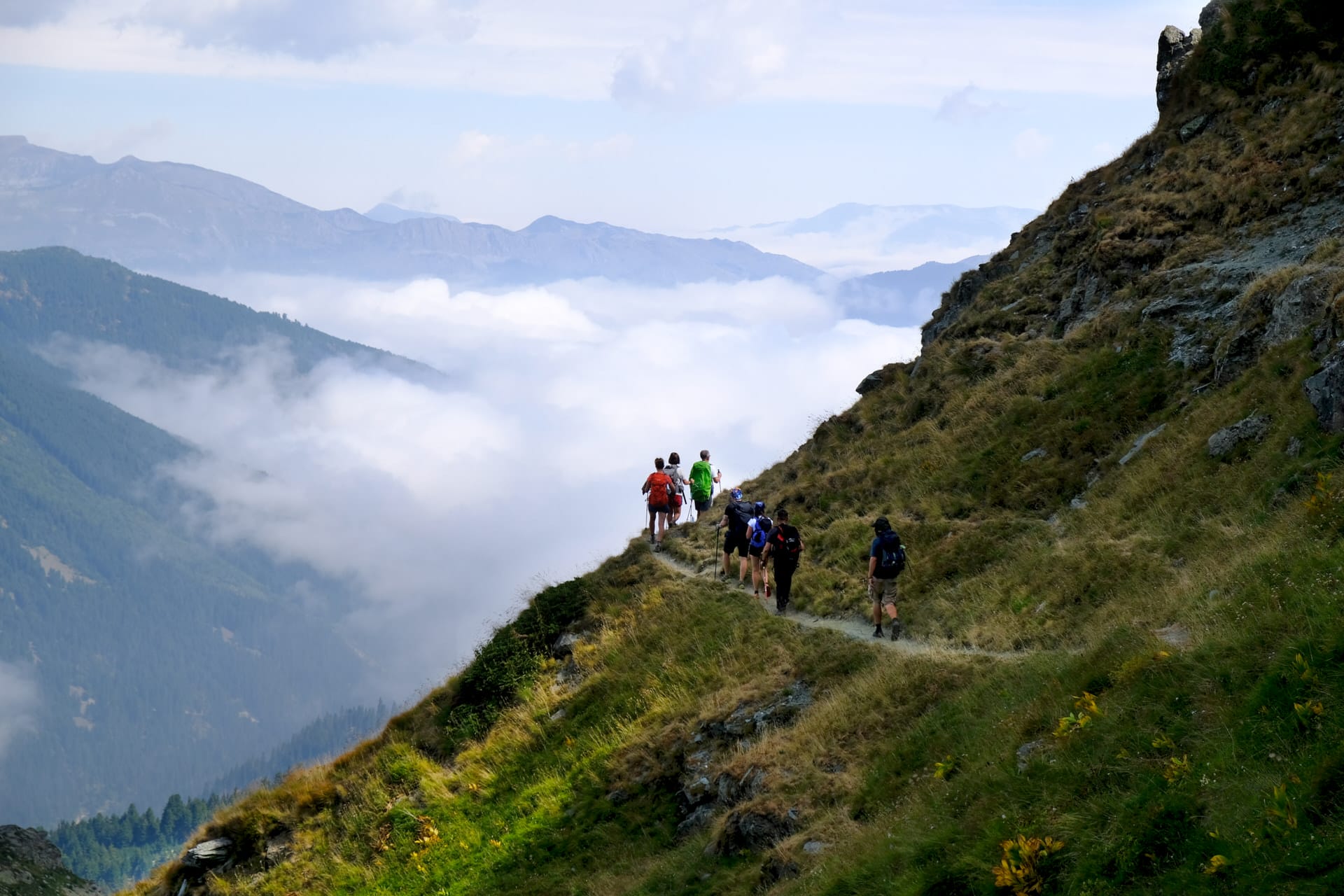
Bjeshkët e Nemuna—the Accursed Mountains—earned their name from either Slavic curses during medieval battles or from locals who watched avalanches and rockfalls claim lives with regularity. The range stretches 60 kilometers along Albania's northern border, culminating at Maja Jezercë (2,694m), the Dinaric Alps' highest peak.
Mountains
 Mountains
 Mount Trebeshinë
Accredited guides lead technically skilled mountaineers up shear mountain faces across Trebeshinë's national park to experience Albania's rarest habitats still roamed by golden eagles and gray wolves lingering around secluded highland valleys.
 Mountains
 Mountain Peaks
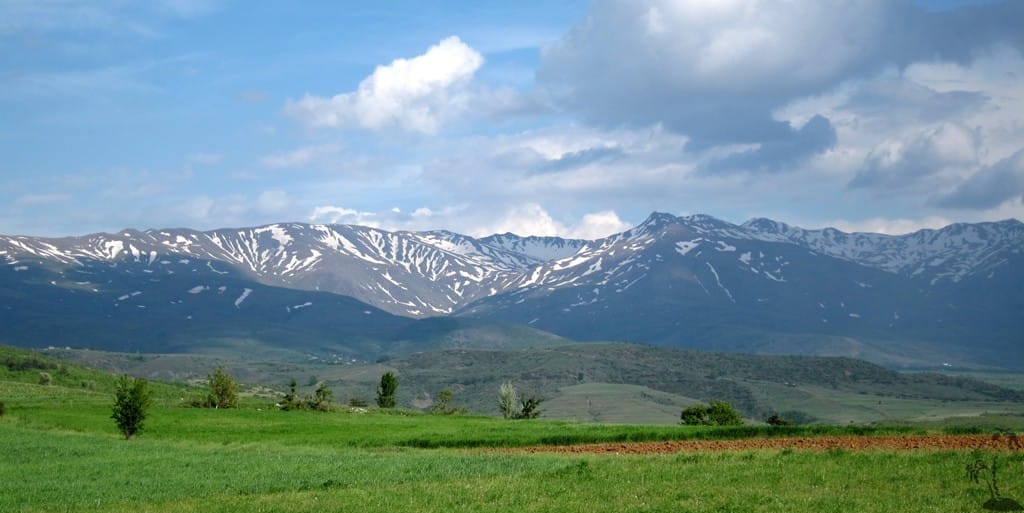
Beyond Albania’s sun-kissed coastline lies a hiker’s wonderland of jagged ridges, ice-blue tarns and windswept highland pastures grazed by free-roaming herds. Get ready to explore tumultuous history and unspoiled beauty as you journey skyward into the Balkans’ best mountains.