What Blloku Represents
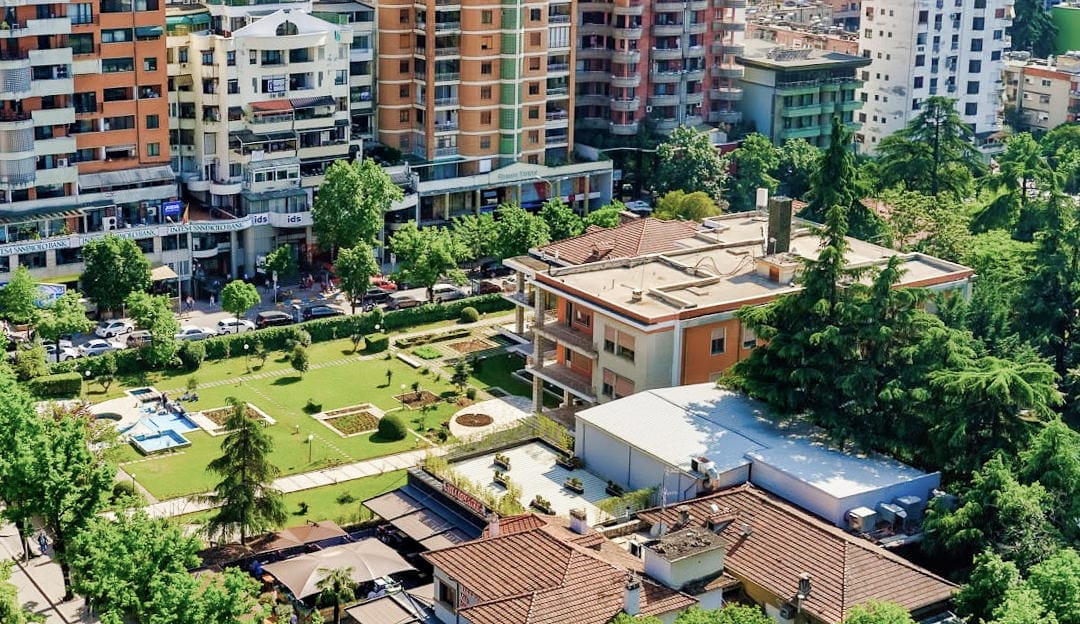
Blloku is an approximately 8-block neighborhood in central Tirana bounded by Boulevard Dëshmorët e Kombit (east), Rruga Ibrahim Rugova (west), Rruga Myslym Shyri (north), and Rruga Kavajës (south). The district’s significance comes not from architectural monuments or historical sites in traditional sense, but from what it represents about Albania’s post-communist transformation—an area that was completely off-limits to ordinary citizens from 1944-1991 becoming the city’s most accessible nightlife and dining zone within less than a decade.
During communist period, Blloku housed the party elite in modest villas behind walls and armed checkpoints. Soldiers with automatic weapons patrolled entry points 24/7, turning back anyone lacking authorization. The most prominent residence was dictator Enver Hoxha’s villa—a two-story brick building notably modest compared to Eastern Bloc leaders’ typical palaces but absolutely forbidden territory for the 99.9% of Albanians who weren’t party elite.
When communism collapsed in 1991, the barriers came down literally overnight. By 1995, the first bars and cafes were opening in converted ground-floor apartments. By 2000, Blloku had transformed into Tirana’s primary nightlife district. By 2010, the transformation was complete—the former elite enclave had become the most commercially developed neighborhood in Albania, with real estate prices exceeding anywhere else in the country.
Blloku today contains approximately 200+ bars, restaurants, cafes, clubs, boutiques, and galleries concentrated in those same 8 blocks, creating Albania’s highest density of hospitality venues. Walking the district means experiencing the physical manifestation of Albania’s rapid shift from isolated communist state to market economy connected to global culture.
The Communist-Era History
Blloku’s restriction began in 1944 when communist authorities seized power and established the neighborhood as residential zone for Central Committee members, high-ranking party officials, and state security leadership. The name “Blloku” (The Block) refers to this restricted-access status—the area was literally blocked from public entry.
Security measures included:
- Armed checkpoints at all entry streets, staffed by Sigurimi (secret police) guards checking identification documents
- Concrete barriers and gates that could be closed to vehicular traffic
- Patrol routes by security personnel throughout the neighborhood 24 hours daily
- Severe penalties for unauthorized entry, ranging from detention to prison terms for repeated violations
The restriction wasn’t subtle—ordinary Tiranians knew precisely where Blloku began and understood that crossing those boundaries without authorization meant serious consequences. The psychological barrier matched the physical one, creating zone that existed within city limits but was functionally separate from the rest of Tirana.
Enver Hoxha’s Villa
Located at Rruga Dëshmorët e 4 Shkurtit (Martyrs of February 4th Street), Hoxha’s residence is modest two-story brick villa built in understated style that reflected Albanian communism’s emphasis on equality rhetoric (even while maintaining rigid hierarchy). The house has distinctive red brick exterior, small front garden, and layout typical of upper-class villas from the 1940s-1950s.
After Hoxha’s death in 1985 and communism’s collapse in 1991, the property was converted to children’s center (Qendra për Fëmijë) providing after-school programs and activities. The exterior remains largely unchanged—you can photograph the building from the street, though entering requires permission (it’s functioning children’s facility, not museum).
The villa’s significance isn’t architectural—it’s ordinary building by most standards—but symbolic. This was the physical center of power for Albania’s most isolated dictatorship, and seeing it operate as children’s center where kids play where Hoxha once planned policy documents the inversion of the communist era’s exclusivity.
Post-Communist Transformation: 1991-2000
When the checkpoints came down in 1991, Blloku’s villas initially remained residential—families of former officials lived in them (often because they had nowhere else to go), and the neighborhood was simply another Tirana residential area, albeit one with larger houses and better infrastructure than most.
The commercial transformation began mid-1990s when property owners realized they could rent ground floors to businesses while maintaining residential space on upper floors. The first bars and cafes opened around 1995-1996, targeting young Tiranians who had grown up knowing Blloku only as forbidden zone and wanted to experience what had been off-limits.
By 1998-2000, the transformation accelerated. More venues opened. Property values began rising. International businesses started arriving—Italian restaurants, German-style pubs, American-style cafes. The neighborhood’s central location (walking distance from Skanderbeg Square, government district, university) combined with the cachet of the formerly-restricted zone created perfect conditions for hospitality district emergence.
By 2005, Blloku had become what it remains today—Tirana’s primary nightlife and dining destination, with the transformation so complete that younger residents who never experienced communist-era restrictions simply know it as the bar district without understanding the historical irony.
Blloku Today: The Hospitality District
Blloku currently functions as Tirana’s highest concentration of bars, restaurants, cafes, and nightclubs. The approximately 200+ venues span every price point and style:
Restaurants: Albanian traditional cuisine (tavë kosi, qofte, grilled lamb), Italian (pizza, pasta, antipasti), Asian fusion, French bistros, American-style burger joints, vegan cafes. Expect €8-15 for casual dining, €15-25 for mid-range restaurants, €25-40 for upscale establishments.
Cafes: European-style coffee houses serving espresso, cappuccino, and pastries dominate. Tirana’s cafe culture means many residents spend 1-2 hours daily at cafes drinking coffee and socializing—Blloku cafes are prime locations for this ritual. Coffee costs €1-2, pastries €2-4.
Bars: The spectrum runs from casual beer bars (€2-3 per beer) to cocktail lounges (€6-10 per cocktail) to rooftop venues charging premium prices (€10-15 per drink). The most famous is Hemingway Bar, named for the writer and decorated with literary memorabilia plus photos documenting Blloku’s transformation.
Nightclubs: Several clubs operate in converted villas or purpose-built venues, hosting DJs and events Thursday-Saturday nights. Cover charges range €5-15 depending on event. The clubs typically open midnight and operate until 4-5 AM.
Boutiques and Galleries: Higher-end fashion boutiques, jewelry stores, and contemporary art galleries occupy ground floors throughout the district. The National Gallery of Arts (Galeria Kombëtare e Arteve) sits on Blloku’s eastern edge, displaying Albanian fine art and temporary exhibitions.
Walking Blloku: Routes and Highlights
Blloku is compact enough to walk comprehensively in 2-3 hours. The main thoroughfares—Rruga Ismail Qemali and Rruga Pjeter Bogdani—run north-south through the district connecting most venues. Side streets contain additional bars and restaurants, often quieter than main roads.
Suggested Route:
- Start at intersection of Boulevard Dëshmorët e Kombit and Rruga Ismail Qemali (eastern entry point)
- Walk west on Ismail Qemali past cafes and boutiques toward center of district
- Turn north on Pjeter Bogdani to find Enver Hoxha’s villa (marked on maps, easily identified by red brick)
- Continue north to Rruga Myslym Shyri, turn west to see National Gallery of Arts
- Return south through side streets discovering smaller bars and restaurants
- Exit via Boulevard Dëshmorët e Kombit or continue to adjacent Pazari i Ri (New Bazaar, 5-minute walk)
Photography: The district’s architecture is standard 1940s-1960s villas with some modern insertions—not particularly photogenic compared to Tirana’s older quarters. The interest is the transformation rather than architectural aesthetics. Enver Hoxha’s villa attracts photographers, as do some cafes with colorful facades. Street art appears on some walls, created post-communism as part of Tirana’s urban renewal initiatives.
Best Times: Blloku functions 24 hours but has distinct rhythms:
- Morning (8-11 AM): Cafes fill with coffee drinkers, quiet atmosphere
- Midday (11 AM-2 PM): Lunch crowds at restaurants
- Afternoon (2-6 PM): Slower period, some venues close for traditional Albanian afternoon break
- Evening (6-10 PM): Dinner service, terraces fill, families and couples dominate
- Night (10 PM-4 AM): Bars and clubs active, younger crowds, louder atmosphere
Practical Visit Information
Access from Tirana Center: Blloku sits 1.5 kilometers southwest of Skanderbeg Square (Tirana’s main plaza), easily walkable in 15-20 minutes. Taxis from central Tirana cost 300-400 LEK (~€3). The district is walkable from most central Tirana hotels.
Accommodation: Several boutique hotels operate within Blloku (€60-120 per night), offering convenient access to nightlife while accepting noise from bars/clubs (bring earplugs if light sleeper). Budget travelers typically stay elsewhere—hostels cluster near Skanderbeg Square, 15-minute walk from Blloku.
Safety: Blloku is Tirana’s safest nightlife district—high foot traffic, police presence, well-lit streets. Pickpocketing exists but is less common than in crowded tourist areas. Standard urban precautions apply (watch drinks, avoid excessive alcohol, travel in groups late night).
Language: English is widely spoken in Blloku venues—this is where international tourists, expats, and English-speaking Albanian youth congregate. Menus often appear in Albanian, English, and Italian. Service staff generally speak enough English for basic communication.
Costs: Blloku prices are Tirana’s highest (it’s the expensive district), but remain reasonable by Western European standards. Budget €25-40 per person for dinner with drinks, €15-25 for casual meal, €10-20 for evening drinks at bars. Clubs charge €5-15 cover depending on event.
Dress Code: Casual smart—Tiranians dress well when going out, but formal wear isn’t required except at upscale venues. Avoid beach clothes, athletic wear, or obviously worn clothing. Clubs enforce stricter dress codes than casual bars.
Cultural Context: What Blloku Represents
Understanding Blloku requires grasping what it meant during communism and what the transformation represents. For Albanians who lived through the communist period, entering Blloku now carries psychological weight—you can go where you were once forbidden, drink coffee where party elite once lived, walk streets that were patrolled by armed guards.
For younger Albanians who never experienced the restrictions, Blloku is simply the nightlife district, though many understand the historical context through family stories. For international visitors, Blloku provides tangible evidence of how quickly Albania transitioned from isolated dictatorship to market-driven economy connected to global culture.
The district’s commercial success also documents Albania’s economic transformation—the fact that Tirana can support 200+ bars and restaurants in 8 blocks indicates disposable income levels and consumer culture that didn’t exist in the 1990s. The mixed clientele (locals, expats, tourists) demonstrates Albania’s integration into European and global networks compared to pre-1991 isolation.
The Honest Assessment
Blloku delivers on historical significance and contemporary dining/nightlife access. The transformation from restricted zone to open commercial district documents Albania’s rapid post-communist change in compact geographic area. For visitors interested in understanding post-communist transitions through urban spaces, Blloku provides clear example of how political systems shape and reshape city neighborhoods.
What Blloku doesn’t deliver is unique architectural experience or conventional tourist attractions. The buildings are ordinary villas, the streets are standard urban grid, and the bars/restaurants—while numerous and varied—aren’t dramatically different from hospitality districts in other European capitals. The historical context creates the interest; the physical space itself is functional rather than beautiful.
The nightlife and dining are genuinely good—Tirana’s restaurant scene has developed substantially, and Blloku concentrates many of the better establishments. The variety accommodates different budgets and tastes, from cheap beer bars to upscale restaurants. If you’re in Tirana and want dinner or drinks, Blloku is logical destination regardless of historical interest.
Skip Blloku If: You have very limited time in Tirana (prioritize National History Museum, Bunk’Art, Skanderbeg Square), if you’re not interested in dining/nightlife (the district is primarily hospitality venues), if you need dramatic architecture or conventional monuments, if you’re uncomfortable with crowded nightlife scenes, or if you avoid areas where English-speaking tourists concentrate.
Visit Blloku If: You’re spending 2+ days in Tirana and want quality dining options, if you’re interested in post-communist urban transformation, if you want to experience Tirana’s nightlife and social scene, if you’re curious about spaces that were restricted under communism, if you appreciate the irony of exclusive zones becoming inclusive commercial districts, or if you simply want convenient location with numerous restaurant choices.
Blloku succeeds as accessible example of how Albania’s political transformation manifested in physical space—a neighborhood that was forbidden territory becoming the city’s most open and commercial zone within a decade. Whether that historical context plus good restaurants and bars justify visiting depends on your interest in urban history versus preference for conventional tourist sites. The transformation is fascinating; the current result is functional nightlife district that works well for its purpose without being particularly beautiful or unique compared to similar districts in other European cities.