The Numbers vs. Reality
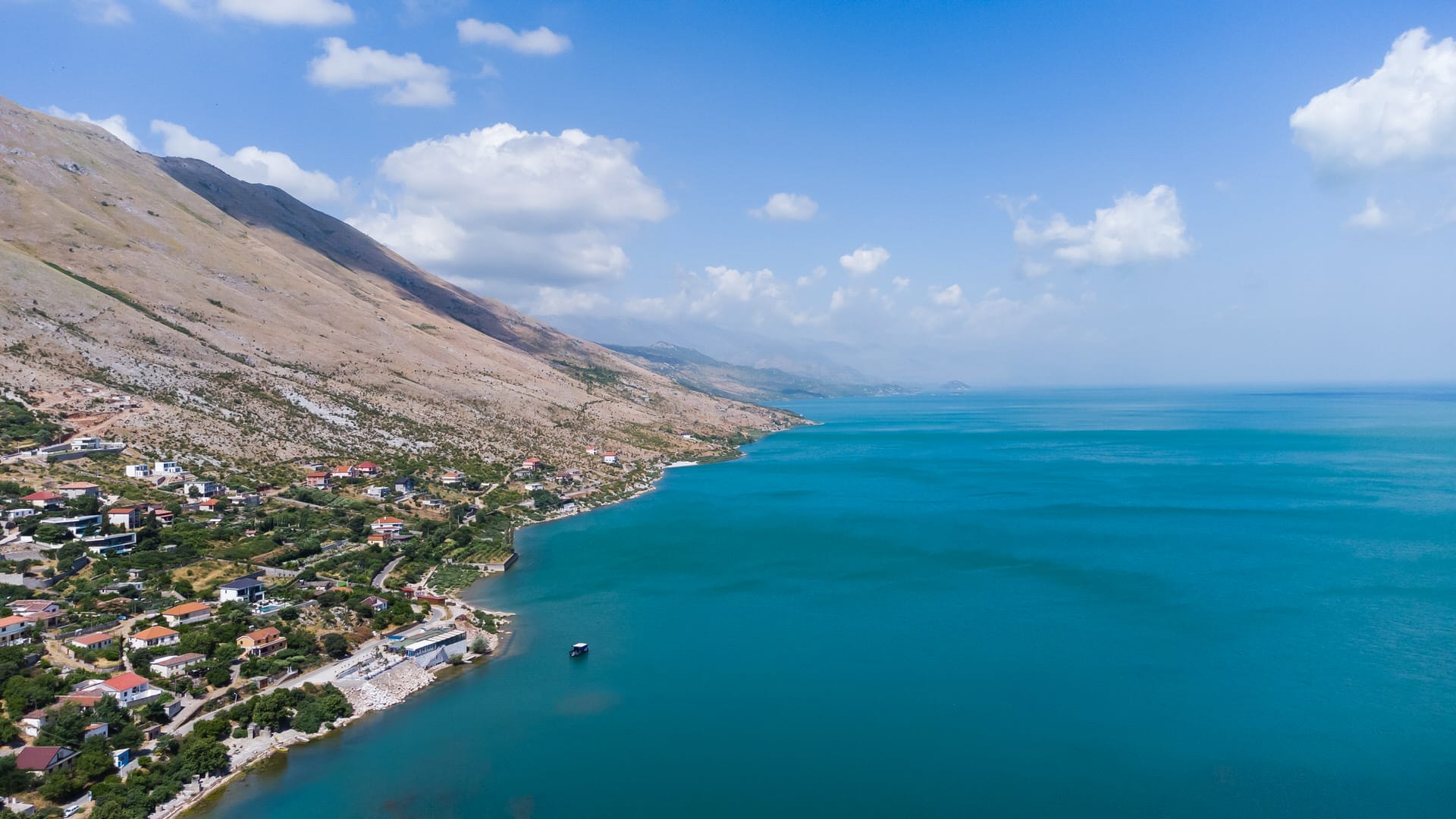
Albania officially contains 240 natural lakes and approximately 800 artificial reservoirs created by damming rivers for hydroelectric power and irrigation. This sounds impressive until you consider that most natural lakes are remote mountain tarns accessible only via multi-day hikes, and most artificial reservoirs are environmentally degraded construction zones surrounded by concrete infrastructure and fluctuating water levels that expose mudflats.
Of the 1,040+ total lakes and reservoirs, perhaps 10-15 have road access and some tourism infrastructure. Of those 10-15 accessible lakes, only 5-6 actually merit tourist visits unless you’re specifically researching hydrology, conducting ornithological surveys, or seeking extreme backcountry hiking destinations.
The five lakes worth visiting are: Shkodër (Balkans’ largest), Ohrid (UNESCO World Heritage, millions of years old), Prespa (highest tectonic lake, pelican colony), Koman (artificial but scenic ferry route), and Bovilla (Tirana water supply, hiking access). A sixth option, Lake Butrint near Sarandë, works as add-on if you’re visiting Butrint Archaeological Park but doesn’t justify dedicated trip.
Lake Shkodër: Largest But Least Compelling
Size: 370-580 km² (varies seasonally) Location: Shkodër, northern Albania Access: 3 kilometers from Shkodër city (taxi 500 LEK, 10 minutes) Best For: Boat tours, bird watching, cycling
Lake Shkodër (Liqeni i Shkodrës) is the Balkans’ largest lake, spanning 370 square kilometers during summer and expanding to 580 square kilometers during winter high water. Approximately two-thirds of the lake sits in Albania, with the remaining third in Montenegro. The lake is shallow (average depth 5 meters, maximum 44 meters), creating extensive wetlands that support significant bird populations.
The Albanian side is less developed for tourism than Montenegro’s. The primary tourist activity involves boat tours from Shkodër city visiting fishing villages, monasteries on small islands, and bird watching areas. The lake supports traditional fishing communities using distinctive flat-bottomed boats, and the wetlands provide habitat for over 260 bird species including the endangered Dalmatian pelican.
Why It’s Least Compelling: The lake is large and ecologically significant but visually unremarkable—flat water surrounded by flat terrain, lacking the dramatic scenery of mountain lakes or the Mediterranean clarity of Ohrid. The shallow depth creates murky water unsuitable for swimming. Most visitors to Shkodër skip the lake entirely in favor of Rozafa Castle or using the city as base for Albanian Alps access.
Visit If: You’re spending 2+ days in Shkodër and want boat tour experience, if you’re serious about bird watching, or if you’re cycling the lake circumference route (approximately 90 kilometers, popular with touring cyclists). Skip If: You have limited Albania time, if you expect dramatic scenery, or if you’re not specifically interested in wetland ecosystems.
Lake Ohrid: UNESCO World Heritage and Millions of Years Old
Size: 358 km² total (133 km² in Albania) Location: Pogradec, southeastern Albania Access: 140km from Tirana (2.5 hours drive), hourly buses from TEG terminal Best For: Swimming, lakefront promenades, UNESCO heritage site
Lake Ohrid is Europe’s deepest tectonic lake (maximum depth 285 meters) and one of the world’s oldest, with geological age estimated between 4 and 10 million years. This ancient origin created isolated aquatic environment where over 200 endemic species evolved found nowhere else on Earth. UNESCO designated the lake and surrounding area World Heritage Site in 1979, recognizing both natural and cultural significance.
The Albanian portion (approximately one-third of total lake) centers on the town of Pogradec, which functions as low-key lakeside resort. The lakefront promenade extends several kilometers, lined with restaurants, cafes, and small hotels. The water is clear enough for swimming (though cold even in summer—mountain lake fed by springs), and several beaches operate May through September with lounger rental and basic facilities.
The Albanian side is substantially quieter than the North Macedonian side, where the town of Ohrid functions as major international tourism destination with UNESCO-listed old town, ancient churches, and developed tourism infrastructure. Most visitors to Albanian Ohrid are domestic tourists or travelers specifically choosing the less-developed side.
Visit If: You’re touring southeastern Albania, if you want UNESCO lake experience without crowds, if you’re interested in ancient lakes and endemic species, or if you prefer quiet lakeside towns to developed resorts. Skip If: You’re not already traveling through the region (it’s 2.5 hours from Tirana in opposite direction from most tourist routes), or if you expect dramatic mountain scenery (the lake is beautiful but the surrounding hills are gentle rather than dramatic).
Lake Prespa: Highest and Most Remote
Size: 272 km² total (38.8 km² in Albania) Location: Southeastern Albania near Greek/North Macedonian borders Access: 180km from Tirana (3+ hours), limited public transport Best For: Bird watching (Dalmatian pelicans), extreme isolation
Lake Prespa sits at 853 meters elevation, making it the Balkans’ highest tectonic lake. The lake occupies remote corner of Albania where the borders of three countries meet, creating area that remained undeveloped during communist period due to closed borders and continues to receive minimal tourism because access requires commitment.
The Albanian portion is least developed of the three countries sharing the lake. The primary attraction is Small Prespa Lake (entirely within Albania), which hosts the world’s largest breeding colony of Dalmatian pelicans—approximately 1,400 breeding pairs, representing significant percentage of global population. The island of Maligrad in Small Prespa is protected nature reserve closed to visitors except authorized researchers.
Infrastructure consists of a few guesthouses in villages along the shore, marked hiking trails, and boat access to some islands. This is destination for visitors specifically seeking isolation and ornithological interest rather than general lake tourism.
Visit If: You’re serious bird watcher, if you specifically seek remote destinations requiring effort to reach, if you’re touring southeastern Albania comprehensively including Lake Ohrid, or if you appreciate destinations where tourism infrastructure is minimal by design rather than neglect. Skip If: You need reliable services, if you expect easy access, if you’re not particularly interested in birds, or if you have limited Albania time.
Lake Koman: Artificial But Scenic Ferry Route
Size: 13 km² Location: Northern Albania, 80km from Shkodër Access: Ferry from Koman village to Fierza (3 hours, €10) Best For: Scenic boat journey, accessing Valbona Valley Season: Ferry operates June-September only
Lake Koman (Liqeni i Komanit) isn’t natural—it’s reservoir created in 1978-1985 by damming the Drin River. Despite artificial origin, the lake became Albania’s most scenic water body because the dam flooded a deep river gorge creating fjord-like landscape where limestone cliffs rise 400+ meters directly from water.
The lake’s primary tourist function is as transportation route. The ferry connects Koman village (accessible by road from Shkodër) to Fierza (where onward transport reaches Valbona Valley in the Albanian Alps). Most passengers are tourists using the ferry to reach Valbona for hiking rather than taking the lake cruise as destination in itself, though the 3-hour journey through the gorge is genuinely scenic.
The comparison to Norwegian fjords appears in most Lake Koman descriptions and is both accurate (similar topography of narrow water body between vertical cliffs) and misleading (the scale is smaller, the water is green rather than blue, and the surrounding landscape is Mediterranean rather than Nordic).
Visit If: You’re traveling to/from Valbona Valley (the ferry is legitimate transport option plus tourist experience), if you want scenic boat journey, or if you’re based in Shkodër and want full-day excursion. Skip If: You’re not going to Valbona anyway (the ferry is 3-hour commitment each direction), if you’re visiting outside June-September ferry season, or if you need accessible lake rather than specifically boat-based experience.
Lake Bovilla: Tirana’s Water Supply and Hiking Destination
Size: 2.5 km² Location: 20km northeast of Tirana Access: 40 minutes drive from Tirana, poor road final 5km Best For: Hiking, mountain biking, day trips from Tirana
Lake Bovilla (Liqeni i Bovillës) is reservoir created in 1996 by damming the Tirana River, functioning as Tirana’s primary drinking water supply. The lake occupies mountain valley surrounded by limestone peaks reaching 1,600+ meters, creating scenic setting that has become popular day-trip destination for Tirana residents.
The primary activities are hiking trails around the lake and up surrounding mountains, mountain biking on rough tracks, and picnicking at viewpoints overlooking the reservoir. Swimming is technically prohibited (it’s drinking water supply) though enforcement is inconsistent. No commercial facilities operate at the lake—visitors bring their own food and supplies.
Access requires vehicle (no public transport), and the final 5 kilometers consists of rough unpaved road that standard cars can manage carefully but that damages undercarriage if driven carelessly. The road quality means organized day tours from Tirana often include Lake Bovilla, solving transport issues for visitors without rental cars.
Visit If: You’re based in Tirana wanting nature day trip without multi-hour drives, if you enjoy hiking, if you have rental car or are taking organized tour, or if you want to understand Tirana’s water infrastructure. Skip If: You don’t have vehicle access, if you prefer developed lake facilities, if you’re uncomfortable on rough roads, or if you can access better hiking elsewhere in Albania.
The Honest Assessment
Albanian lakes deliver on ecological significance and scale—having the Balkans’ three largest lakes plus UNESCO-designated ancient lake is genuinely notable. What the lakes don’t uniformly deliver is tourist-friendly infrastructure or easy access.
Lake Ohrid works well as destination for visitors already touring southeastern Albania or specifically interested in ancient lakes and endemic species. Lake Koman functions effectively as scenic transport route between Shkodër and Valbona. Lake Bovilla serves as convenient Tirana day trip. Lake Shkodër appeals primarily to bird watchers and cyclists. Lake Prespa requires specific interest in isolation and ornithology to justify the access effort.
The 240 natural lakes + 800 artificial reservoirs statistic is technically accurate but practically irrelevant for tourism—the vast majority are either remote mountain tarns requiring multi-day hiking approaches or degraded hydroelectric reservoirs with fluctuating water levels and industrial surroundings.
Skip Albanian lakes entirely if you have limited Albania time and prefer to focus on beaches, mountains, or historical sites (which are Albania’s more distinctive attractions), if you expect Norwegian-style fjords or Alpine clarity uniformly across all lakes, or if you need well-developed lakeside tourism infrastructure.
Engage selectively with Albanian lakes if you’re spending 10+ days in Albania allowing time for 1-2 lake visits, if you’re specifically interested in ancient lakes or wetland ecology, if you’re using Koman ferry for Valbona access anyway, or if you want to combine lake destinations with surrounding attractions (Ohrid with southeastern Albanian touring, Shkodër with Albanian Alps access, Bovilla with Tirana-based hiking).
The lakes are worth visiting selectively based on which align with your route and interests, but they’re not Albania’s most compelling destinations for most visitors. The beaches, mountains, and historical sites deliver more distinctive experiences that visitors can’t easily replicate elsewhere in Europe.