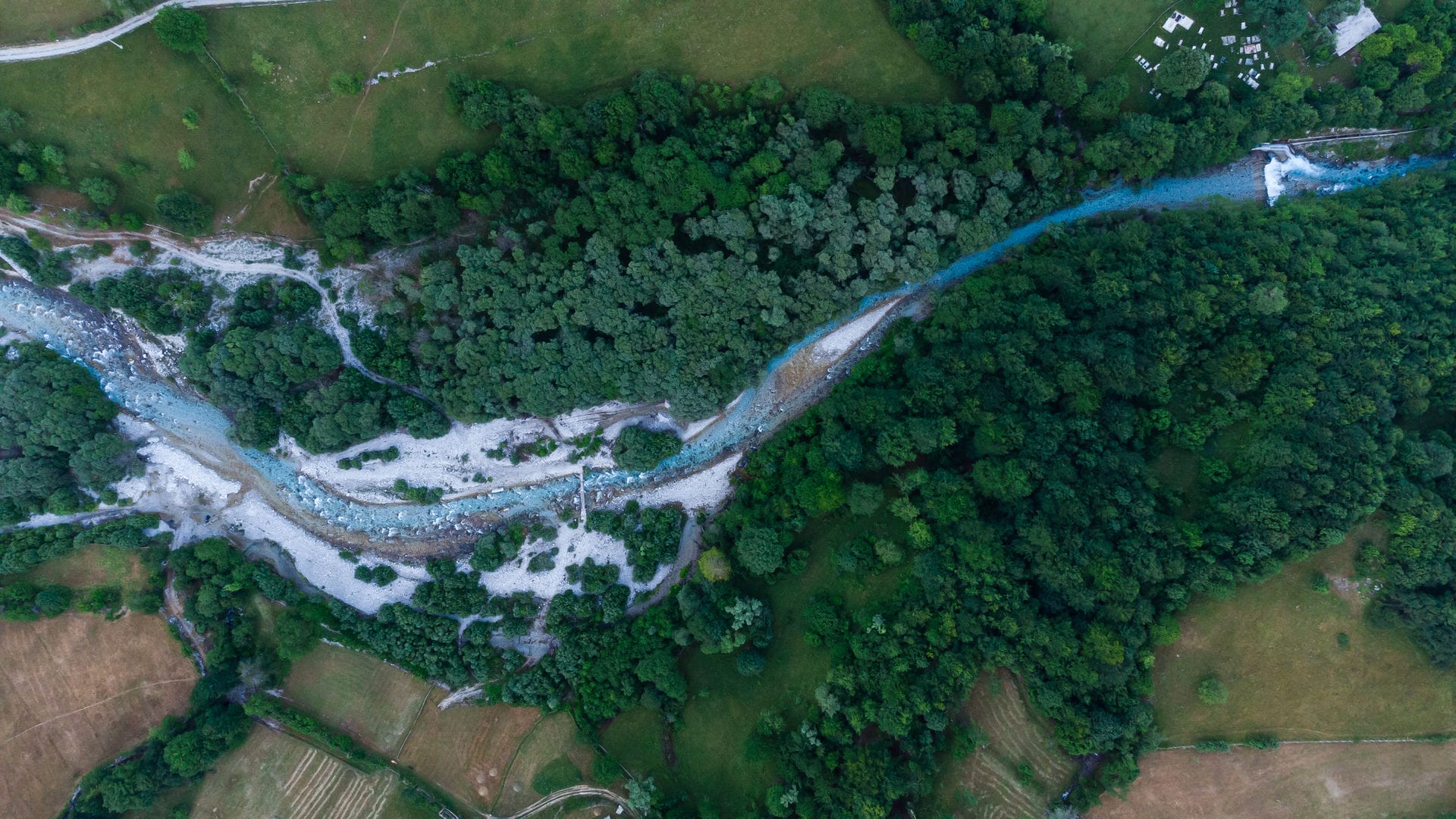
What Theth Actually Offers (And What Changed)
Theth National Park occupies 26,630 hectares in the Albanian Alps (locally called “Bjeshkët e Nemuna”—Accursed Mountains) in northern Albania. Established 1966 during communist administration, the park’s primary feature is Theth village—a settlement of approximately 400 permanent residents occupying a valley at 750 meters elevation, surrounded by limestone peaks reaching 2,500+ meters.
Until the 1990s, Theth was genuinely isolated—road access didn’t exist, residents reached the village via mountain trails, and the valley operated largely as self-sufficient agricultural community practicing traditional livestock herding. The post-communist period brought road construction (unpaved but vehicle-accessible) and tourism development. By the 2010s, Theth had become Albania’s most visited mountain destination, with the Valbona-Theth hiking trail achieving international recognition through travel blogs and guidebooks.
This transformation occurred rapidly—perhaps too rapidly. The village that had 5-6 guesthouses in 2005 had 50+ by 2020. Theth went from isolated mountain community to overtouristed destination within 15 years, creating infrastructure challenges (waste management, water supply, trail erosion) that the park and village struggle to address with limited resources.
The Access Reality (It’s Genuinely Rough)
Theth sits 70 kilometers northeast of Shkodër via mountain roads. The final 25 kilometers from Bogë village to Theth is unpaved—rough gravel and stone track requiring 4x4 vehicle or sturdy minibus. The journey from Shkodër takes 3-3.5 hours in good conditions, longer during rainy periods when sections become muddy. Standard rental cars can’t manage this road—undercarriage damage is guaranteed.
Transport options: minibuses depart Shkodër daily during season (June-September), typically leaving 7-8 AM, cost €10-15 per person one-way, arriving Theth around 11 AM-noon. Private 4x4 taxis charge €70-100 for vehicle (1-4 passengers). Tour operators offer organized transport as part of multi-day hiking packages (€150-300 for 2-3 day trips including transport, accommodation, guided hiking).
The road quality is intentionally limited—paving would increase traffic beyond what the village and park can accommodate. Current rough road serves as natural limiter on visitor numbers, though it’s unclear whether this is adequate given that July-August sees 50-150 hikers daily arriving to trek the Valbona-Theth trail plus additional visitors for short stays.
What You Actually Do in Theth
Grunas Waterfall: The most popular short hike from Theth village—approximately 1 hour walking each direction (2-3 kilometers) along marked trail. The waterfall drops approximately 25 meters over limestone cliff into pool below. Access requires €2 entrance fee (collected at trailhead). The trail is well-maintained compared to others in the area, making it family-friendly during dry conditions. During spring snowmelt (May-June), water flow is highest; by late summer (August-September), it reduces significantly.
The Lock-in Tower (Kulla e Ngujimit): Historic tower in Theth village center functioning as museum documenting Albanian Kanun law—traditional customary law system including blood feud regulations where families pursued revenge killings across generations. The “lock-in” referred to men confined to their family towers for protection from blood feud retaliation, sometimes for years. The tower museum explains this system (which technically persisted into the 1990s in remote areas, though enforcement has largely ended). Entry €2, basic English-language information panels. The tower is architecturally interesting example of Albanian defensive residential architecture—multi-story stone tower with small windows and reinforced doors.
Theth Church: Small stone Catholic church built early 20th century, still active for village population (Theth is predominantly Catholic unlike much of Muslim-majority Albania). The church sits dramatically below rocky cliffs creating photogenic composition. Free to visit outside service times.
Blue Eye of Theth: Natural spring approximately 45 minutes hiking from village, creating small turquoise pool. The “blue eye” name appears frequently in Albania—this is smaller, less impressive version compared to the Blue Eye near Sarandë. Worth visiting if you’re spending multiple days in Theth; skippable if you have limited time.
Valbona-Theth Trail: The multi-hour hike connecting Theth to Valbona Valley is covered separately, but briefly: 6-8 hours hiking crossing mountain pass at approximately 1,800 meters elevation. This trail is Theth’s primary draw for most visitors—people come specifically to hike this route, with Theth serving as either starting point or ending point depending on direction.
The Village Infrastructure Reality
Theth village consists of traditional stone houses (kulla), newer guesthouses built to accommodate tourism, small shops selling basic supplies, and minimal services. There are no banks, no ATMs (bring sufficient cash for entire stay), limited mobile reception (some carriers work, others don’t—download offline maps before arriving), sporadic electricity (guesthouses have generators for evening hours), and no medical facilities beyond basic first aid.
Accommodation is guesthouse-based: family-run operations offering rooms with shared or private bathrooms, meals included (breakfast and dinner typically, lunch available by arrangement). Prices range €15-30 per person per night including breakfast and dinner. Quality varies significantly—some guesthouses are well-maintained with comfortable beds and clean facilities, others are basic with minimal amenities. Booking ahead during peak season (July-August) is essential; shoulder season (June, September) allows more flexibility.
The guesthouses operate May-October. Outside this season, most close completely as families either move to lowland winter residences or remain with minimal tourism income. The village essentially hibernates November-April when snow makes road access impossible and temperatures drop substantially.
The Environmental and Cultural Concerns
Theth’s rapid tourism growth created visible problems: trail erosion (particularly on the Valbona-Theth route where 50-150 daily hikers wear paths into alpine vegetation), waste management struggles (village infrastructure designed for 400 residents now serving 1,000+ summer occupants), water supply issues during dry periods, and cultural impacts on traditional village life.
The economic benefits are concentrated: guesthouse owners profit significantly, but not all village residents participate equally in tourism economy, creating income disparities within small community. The seasonal nature means income arrives June-September, then families must manage finances across entire year.
Park management faces resource limitations—Albania’s national park system operates with minimal budgets, making trail maintenance, waste management, and visitor regulation challenging. The €5 Valbona-Theth trail fee helps but doesn’t cover comprehensive management needs for the entire park.
The Honest Assessment
Theth offers genuine mountain beauty—limestone peaks, clear streams, alpine meadows, traditional architecture. The village setting in the valley with mountains surrounding creates impressive landscape. The hiking opportunities are real, and the cultural context (traditional village life, blood feud history documented in the Lock-in Tower) adds layers beyond simple nature tourism.
What Theth isn’t anymore is undiscovered or uncrowded. The village receives significant visitor numbers during July-August, creating atmosphere where you’re sharing experience with many other tourists rather than experiencing isolated mountain village. The infrastructure struggles are visible—waste accumulation, trail erosion, crowding at popular spots like Grunas Waterfall.
Skip If: You expect pristine wilderness without other tourists (July-August sees crowds comparable to popular European hiking destinations), if you need comfortable accommodation with reliable modern amenities, if rough 3-hour vehicle access sounds unpleasant rather than adventurous, if you’re visiting outside June-September when services are closed and conditions are challenging, or if you have limited Albania time and prefer to focus on more accessible attractions.
Visit If: You’re hiking the Valbona-Theth trail (Theth serves as necessary base for this route), if you’re interested in traditional Albanian mountain culture and architecture, if you’re comfortable with basic accommodation and limited services, if you visit June or September to avoid July-August peak crowds, if you have 2-3 days minimum to justify the difficult access and actually explore the area rather than just passing through, or if you specifically seek Albanian Alps hiking experience despite the tourism development and infrastructure challenges.
Theth is worth visiting for the right visitor—someone who understands what they’re getting (mountain village experiencing overtourism growing pains, genuine hiking opportunities, basic infrastructure, beautiful setting) and accepts the trade-offs (rough access, crowds during peak season, environmental concerns, limited amenities). It’s not pristine wilderness, but it’s also not a tourist trap—it’s a village struggling to balance traditional life with tourism economy that arrived faster than anyone planned for.
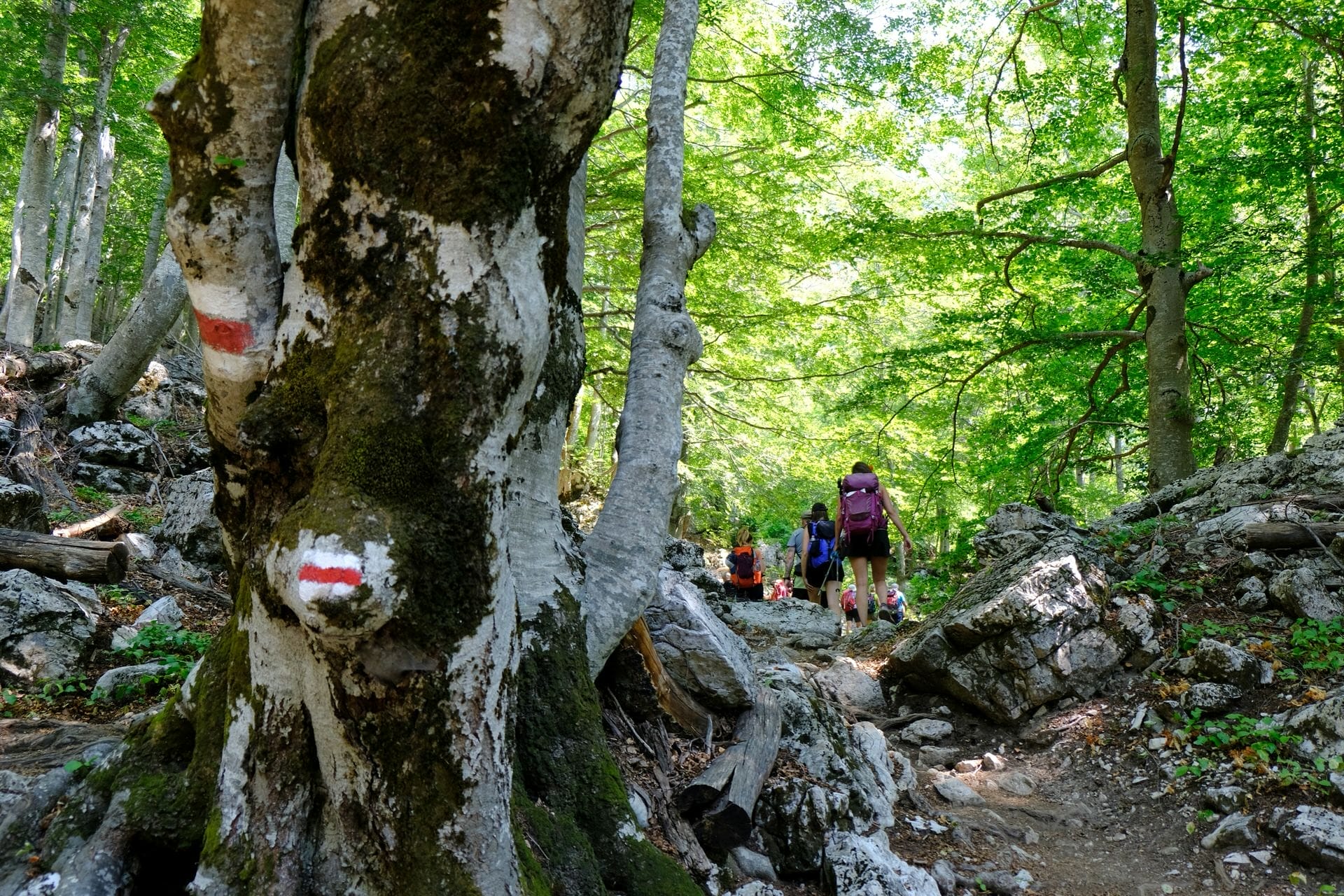
Hiking Albanian Alps
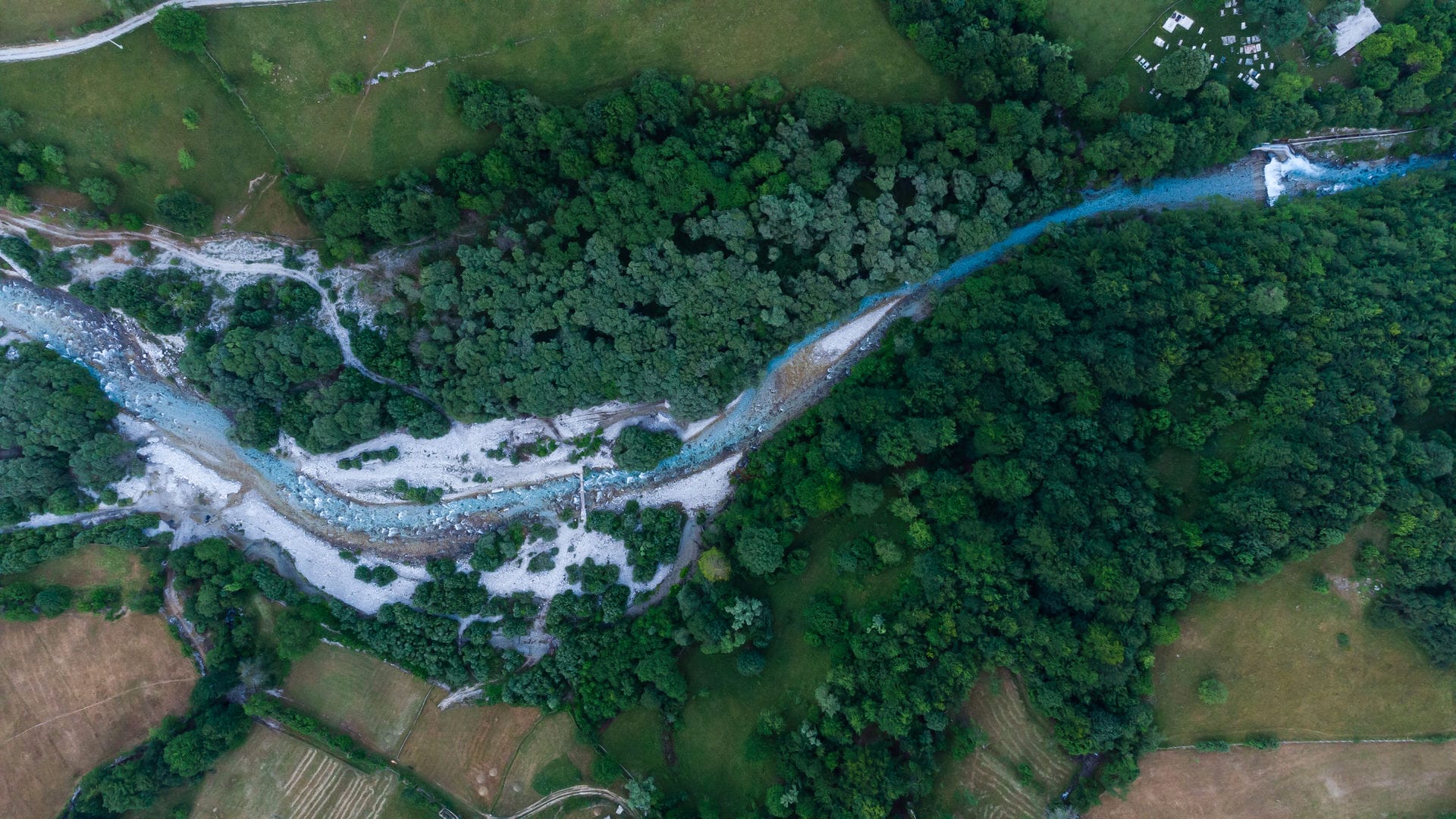
Theth National Park. Shkoder County, Albanian Alps
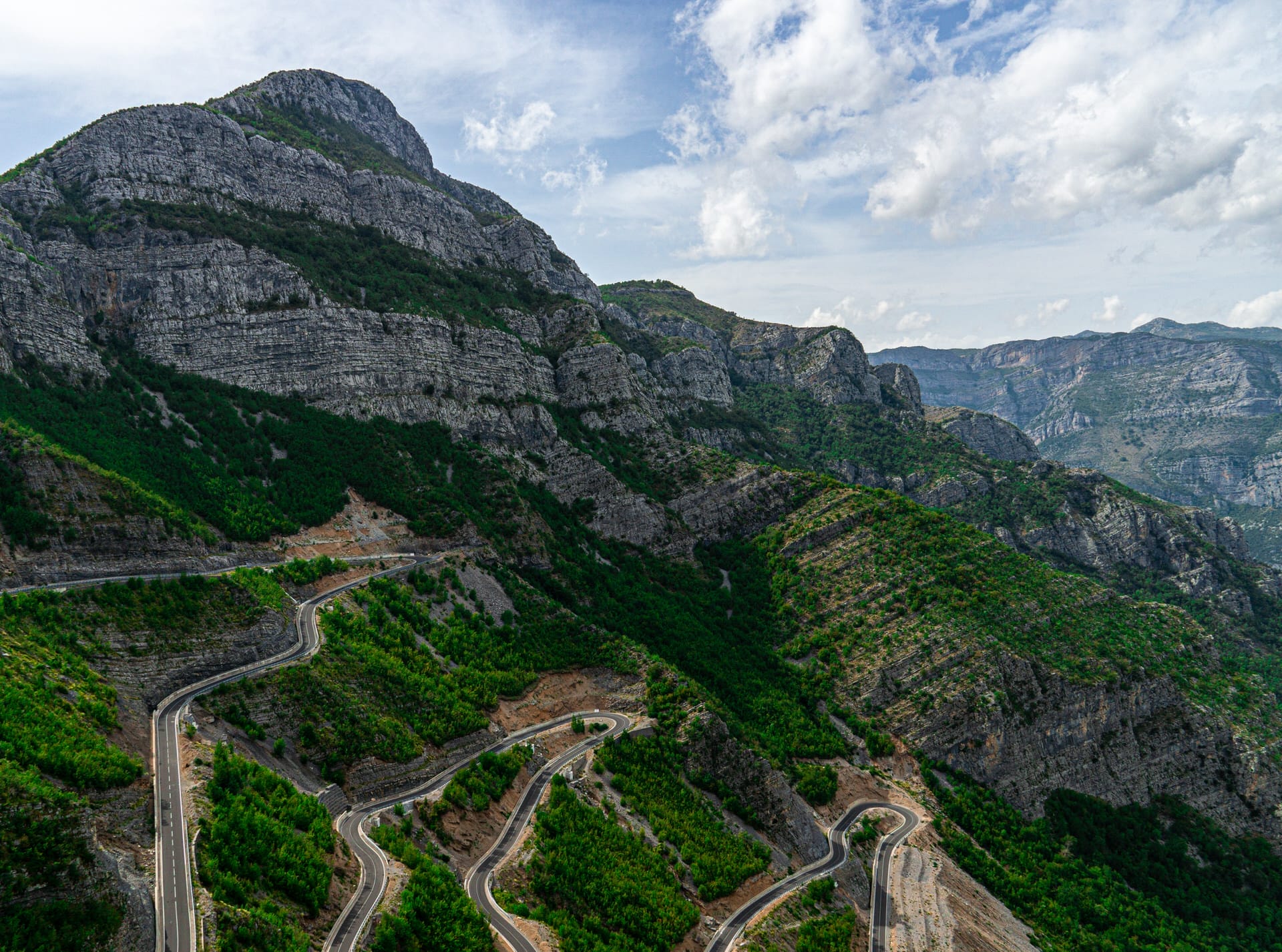
Albanian Alps
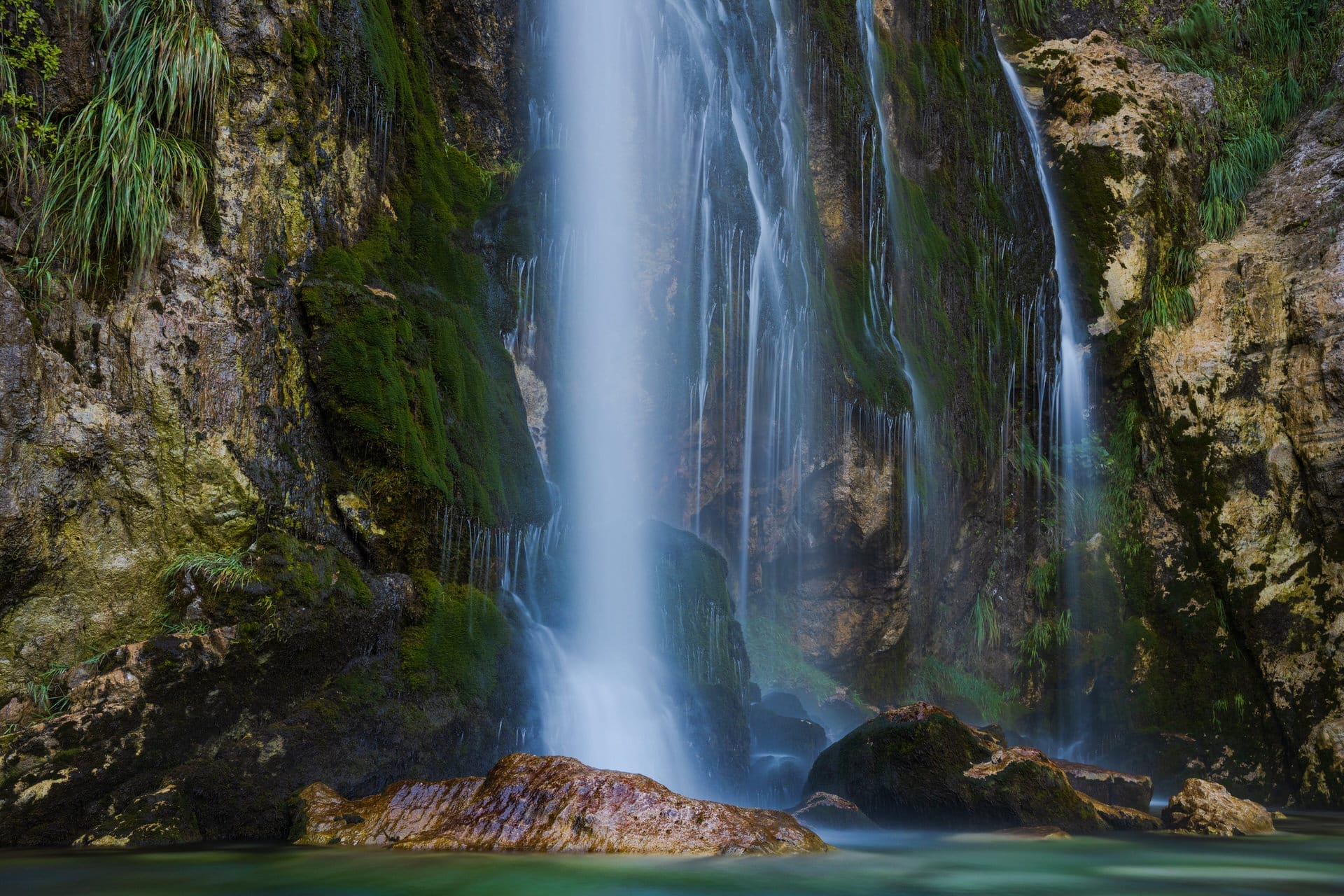
Grunas waterfall
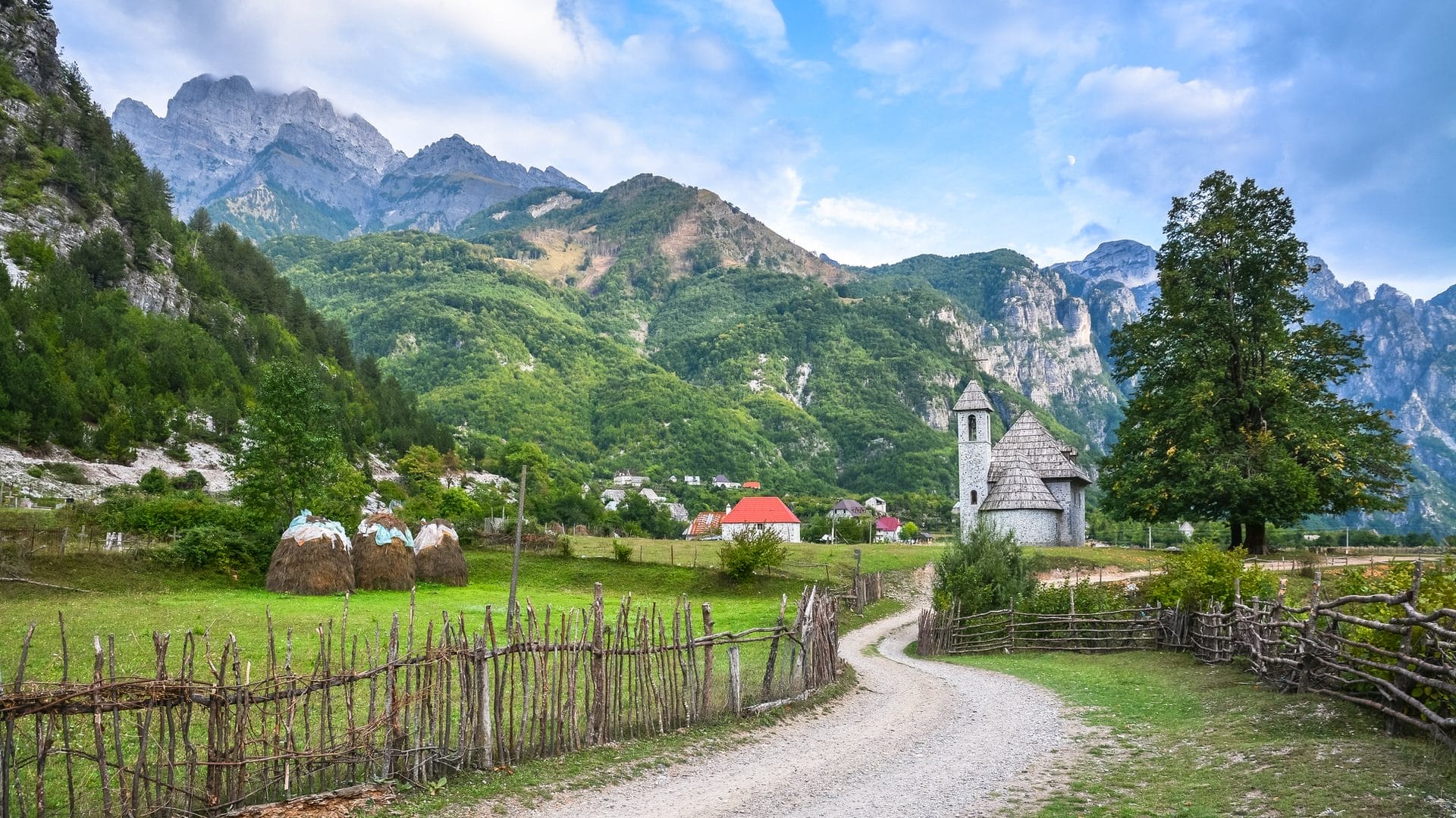
Theth village in the mountains of Northern Albania.