What Karavasta Lagoon Offers for Birdwatching
Karavasta Lagoon is Albania’s largest lagoon, covering 4,380 hectares within the 22,230-hectare Divjakë-Karavasta National Park along the central Albanian coast. The lagoon sits between the Adriatic Sea (separated by a narrow sand barrier) and the agricultural plains of the Myzeqe region, creating brackish wetland habitat supporting diverse birdlife. The site achieved international recognition as Important Bird Area (IBA) and Ramsar Wetland of International Importance due to its significance for waterbird populations, particularly the Dalmatian pelican colony.
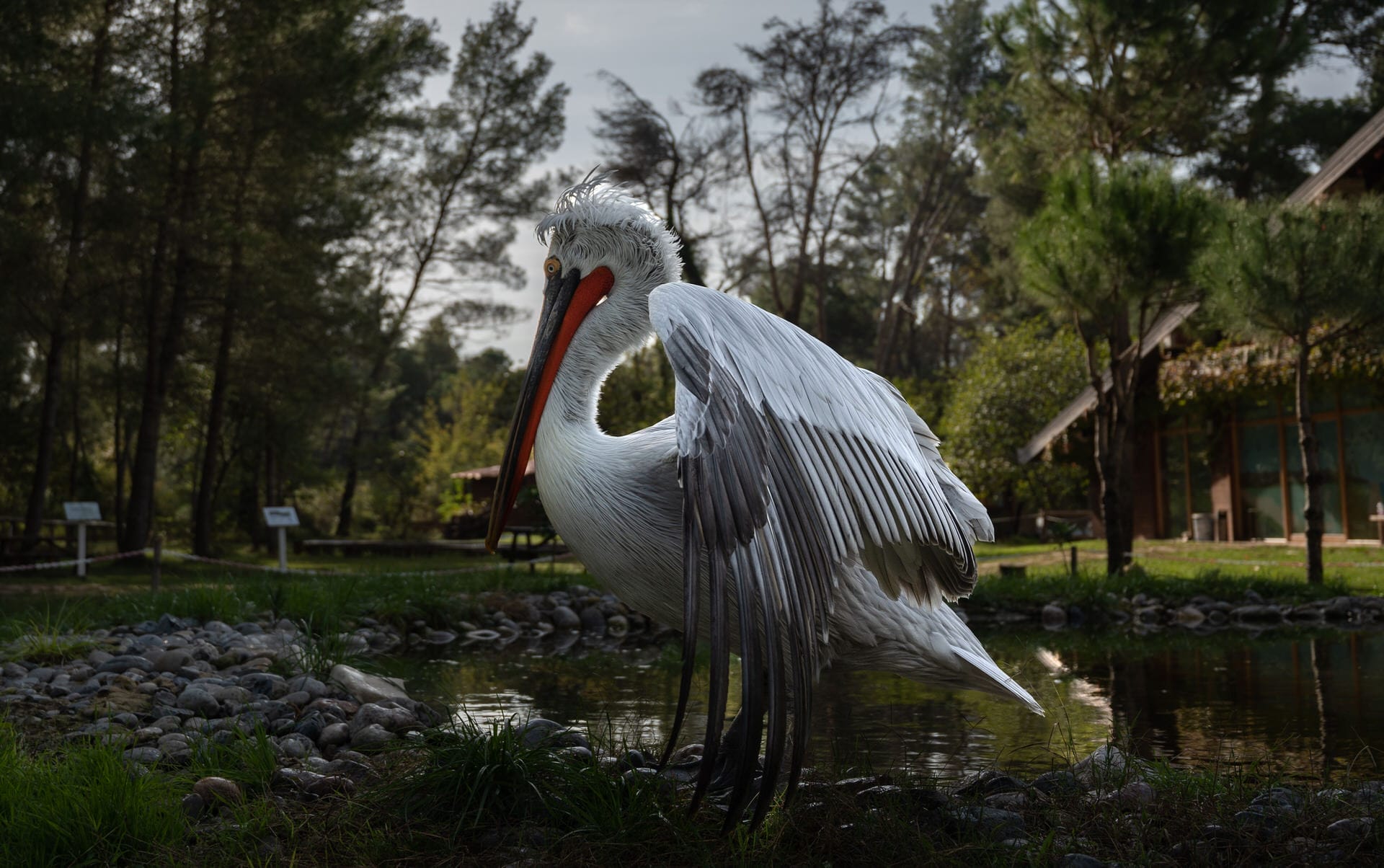
The Dalmatian pelican (Pelecanus crispus) is the lagoon’s flagship species—250-300 breeding pairs nest here, representing approximately 5% of the global population of this vulnerable species. During winter, pelican numbers swell to 2,000+ individuals as birds from breeding colonies elsewhere join the Karavasta residents. Observing these large birds (wingspan up to 3.5 meters, weight 10-15 kg) fishing cooperatively, roosting on islands, and flying in formation provides the primary visitor experience.
Beyond pelicans, 228 bird species have been recorded at Karavasta including rare European species: pygmy cormorant, ferruginous duck, white-headed duck, greater flamingo (occasional visitor), various herons and egrets, numerous duck species during winter, and migrating raptors. The lagoon’s position on the Adriatic Flyway—one of Europe’s major bird migration routes—means spring (April-May) and autumn (September-October) bring waves of migrants stopping to refuel.
The Lagoon Geography and Ecosystem
Karavasta Lagoon formed behind a 15-kilometer sand barrier separating it from the Adriatic Sea. The barrier—called Divjakë Beach—is 50-200 meters wide covered with Mediterranean vegetation including juniper scrub, sea daffodils, and introduced pine forests planted in the 1960s for erosion control. The lagoon itself is shallow (average depth 1-1.5 meters) with fluctuating water levels depending on season—higher in winter from rainfall and river inputs, lower in summer from evaporation.
The lagoon connects to the sea via a narrow channel allowing tidal exchange, creating brackish conditions (mixture of fresh and salt water) that support diverse aquatic life. The western side receives freshwater from several small rivers draining the agricultural plains, while the eastern connection to the Adriatic brings saltwater influence. This mixing creates productivity—nutrients from agricultural runoff (sometimes excessive, causing eutrophication concerns) support fish populations that feed pelicans and other waterbirds.
Small islands dot the lagoon—some natural, others artificial (constructed from dredged material or accumulated vegetation). These islands provide crucial nesting habitat for pelicans and cormorants that require isolation from terrestrial predators. The largest islands host hundreds of nesting pairs during breeding season (March-July) creating concentrated colonies visible and audible from observation points.
The surrounding wetlands include reed beds (Phragmites australis dominates), salt marshes, and seasonal flooding zones creating mosaic habitat. Beyond the wetlands, the pine forests along the beach barrier provide roosting for raptors and passerine migrants. The diversity of habitats within the small area explains the high bird species count.
Visiting the Lagoon for Wildlife Viewing
Access to Karavasta Lagoon requires driving to Divjakë town (57 kilometers south of Durrës, 1 hour drive via SH4 coastal highway), then continuing 5-7 kilometers on rough road toward the lagoon edge. The main visitor facilities cluster near the village of Karavasta on the lagoon’s western shore where the park visitor center, observation tower, and boat launch operate.
The visitor center (built 2010s with international conservation funding) provides orientation, displays about pelicans and wetland ecology, restrooms, and staff who arrange guided tours. English-speaking guides are available but not always present—calling ahead to confirm availability is advisable. The center keeps irregular hours (officially 8 AM-4 PM weekdays, weekends variable), reflecting Albania’s developing eco-tourism infrastructure.
The observation tower—wooden structure approximately 12 meters tall—overlooks reed beds and open water providing elevated vantage for scanning the lagoon with binoculars or spotting scopes. Early morning (6-9 AM) and late afternoon (4-7 PM) offer best bird activity when pelicans leave/return to roosting islands and other waterbirds are most active. Midday tends to be quiet as birds rest during heat.
Boat tours launch from the visitor center area, using flat-bottom boats suitable for shallow lagoon navigation. Tours last 1.5-2 hours, covering 8-10 kilometers circling islands, approaching (but not disturbing) pelican roosts, and exploring reed channels where herons and ducks hide. Boat tour prices vary by operator and group size (€10-20 per person typical, private tours higher). Tours require minimum numbers (usually 4-6 people), so solo visitors may need to wait for groups or pay higher private rates.
The Birdwatching Seasons and Species
Different seasons provide different birding experiences at Karavasta:
Spring Migration (April-May): Northbound migrants pass through—waders (sandpipers, plovers, curlews), terns, herons, raptors (marsh harrier, honey buzzard, lesser spotted eagle). Pelicans are on nests, less mobile but visible at colonies. Breeding residents (black-winged stilt, avocet, little tern) occupy territories creating active waterbird spectacle. Weather is pleasant (15-25°C), mosquitoes are emerging but not yet peak.
Summer Breeding (June-July): Pelican chicks hatch and grow, creating feeding frenzies as adults bring fish to nests. Other breeding waterbirds still active. Heat can be intense (30-35°C), mosquitoes are severe (bring repellent), fewer birders visit making this season quieter despite good bird activity. Some migrants have departed, reducing species diversity.
Autumn Migration (September-October): Southbound migration brings different species mix—more waders, ducks arriving for winter, raptors concentrating along coast. Young pelicans from the breeding season practice flying. Weather cools (20-28°C), mosquitoes decline, comfortable conditions for extended observation. This is arguably the best overall season balancing bird diversity, weather, and limited crowds.
Winter (November-March): Peak pelican numbers as northern populations join residents. Large duck concentrations (wigeon, teal, pintail, shoveler). Raptors hunting waterbirds (white-tailed eagle occasional, marsh harrier common). Weather is unpredictable—can be pleasant sunny days (10-15°C) or cold, rainy, and windy. Fewer visitors, accommodation options limited as coastal tourism infrastructure closes.
Serious birders should bring quality optics (8-10x binoculars minimum, spotting scope helpful), field guides (Birds of the Middle East or Birds of Europe cover Albanian species), and patience—wetland birding requires scanning expanses of reeds and water for distant birds rather than expecting close encounters.
Practical Considerations and Access Challenges
Karavasta lagoon tourism infrastructure is basic compared to developed European eco-tourism destinations. The park management has limited budget, staffing is minimal, and maintenance of facilities (observation towers, trails, signage) is inconsistent. This reflects Albania’s emerging eco-tourism sector where conservation funding often focuses on habitat protection rather than visitor services.
Accommodation options near the lagoon are limited—Divjakë town has several small hotels and guesthouses (€20-40 per night), Karavasta village has minimal options (basic village homestays possible with advance arrangement). Most visitors stay in Durrës (57 kilometers) or Fier (40 kilometers) making day trips to the lagoon. The nearby Divjakë Beach resort area (3-5 kilometers from lagoon) offers more accommodation but focuses on summer beach tourism rather than nature tourism.
The access roads can be rough—the final 5-7 kilometers from Divjakë to the lagoon are unpaved in sections, muddy after rain, occasionally flooded during winter high water. Standard rental cars manage in dry conditions, but 4x4 vehicles are safer during wet seasons. Signage is improving but still limited—GPS coordinates and downloaded maps are helpful.
Services at the lagoon are minimal—no food vendors (bring water and snacks), no ATMs (bring cash for entry fees and tours), unreliable mobile reception (download information beforehand). The nearest restaurant and shopping are in Divjakë town. Visitors should be self-sufficient with water, food, sun protection, insect repellent, and any necessary medications.
The Conservation Context and Threats
Karavasta Lagoon faces conservation challenges typical of Mediterranean coastal wetlands: agricultural pollution (fertilizer and pesticide runoff from surrounding farmland), illegal hunting (despite protection, poaching of waterbirds continues), invasive species (particularly fish that outcompete native species), and development pressure (tourism, aquaculture, infrastructure).
The pelican population appears stable but vulnerable to disturbance during breeding season—boat traffic near nesting islands, illegal egg collection, and changing fish populations (pelicans need abundant small fish, approximately 1-1.2 kg per adult daily) affect breeding success. Conservation organizations including Albanian Ornithological Society and international partners (Birdlife International, IUCN) support monitoring and protection efforts.
Park rangers patrol during breeding season to prevent disturbance to colonies and illegal fishing in core zones. This protection is imperfect—limited ranger numbers can’t cover the entire lagoon continuously—but it reduces pressures compared to unprotected wetlands. Visitor fees contribute to park budget though funding remains inadequate for comprehensive management.
Responsible visitors support conservation by following rules (staying on designated paths and observation points, not approaching nesting islands, using licensed guides), contributing economically (entry fees, tour payments, local accommodation), and respecting seasonal closures of sensitive zones during peak breeding.
The Honest Assessment
Karavasta Lagoon delivers specialized eco-tourism experience focused on birdwatching and wetland ecology. For bird enthusiasts, the Dalmatian pelican colony justifies the visit—seeing hundreds of these large, rare birds in a natural setting is exceptional in Europe. The broader bird diversity provides variety, and the relatively undeveloped character creates authentic wetland atmosphere lacking at more commercialized sites.
What Karavasta isn’t is a developed nature park with polished facilities, easy access, and guaranteed wildlife encounters. The infrastructure is basic, access requires some effort (rough roads, irregular visitor center hours), wildlife viewing can be challenging (distant birds, seasonal variation, weather dependence), and the experience assumes visitors have genuine interest in birds rather than casual nature appreciation.
For general tourists seeking Albanian coastal experiences, the nearby beaches (Divjakë, Durrës, further south the Albanian Riviera) provide easier, more comfortable options. Karavasta is niche attraction serving specific audience: birders, wildlife photographers, ecologists, and nature enthusiasts who value rare species over convenience.
Skip If: You’re not specifically interested in birds (the lagoon is birdwatching destination, not scenic viewpoint or beach alternative), if you expect developed eco-tourism facilities (visitor services are basic), if you’re unwilling to wake early for dawn viewing (best bird activity requires early starts), if you’re traveling without vehicle (public transport to the lagoon is difficult), if you have limited Albania time and prioritize more accessible attractions, or if mosquitoes and basic conditions bother you.
Visit If: You’re serious birder interested in Dalmatian pelicans and Mediterranean waterbirds, if you’re staying in Durrës area and want nature excursion from coastal tourism, if you visit during migration periods (April-May or September-October) when bird diversity peaks, if you appreciate undeveloped wetlands and don’t need perfect infrastructure, if you’re willing to invest time (full day minimum for meaningful birdwatching), or if you’re researching European wetland conservation and want to see Albanian example.
Karavasta works as specialized eco-tourism destination rather than mass market attraction. It fills niche for visitors seeking authentic wetland experience with globally significant pelican colony, accepting the trade-offs of basic infrastructure and specialized appeal. Consider it as addition to Albanian coastal itinerary for nature enthusiasts, not as substitute for Albania’s more accessible cultural and scenic highlights.
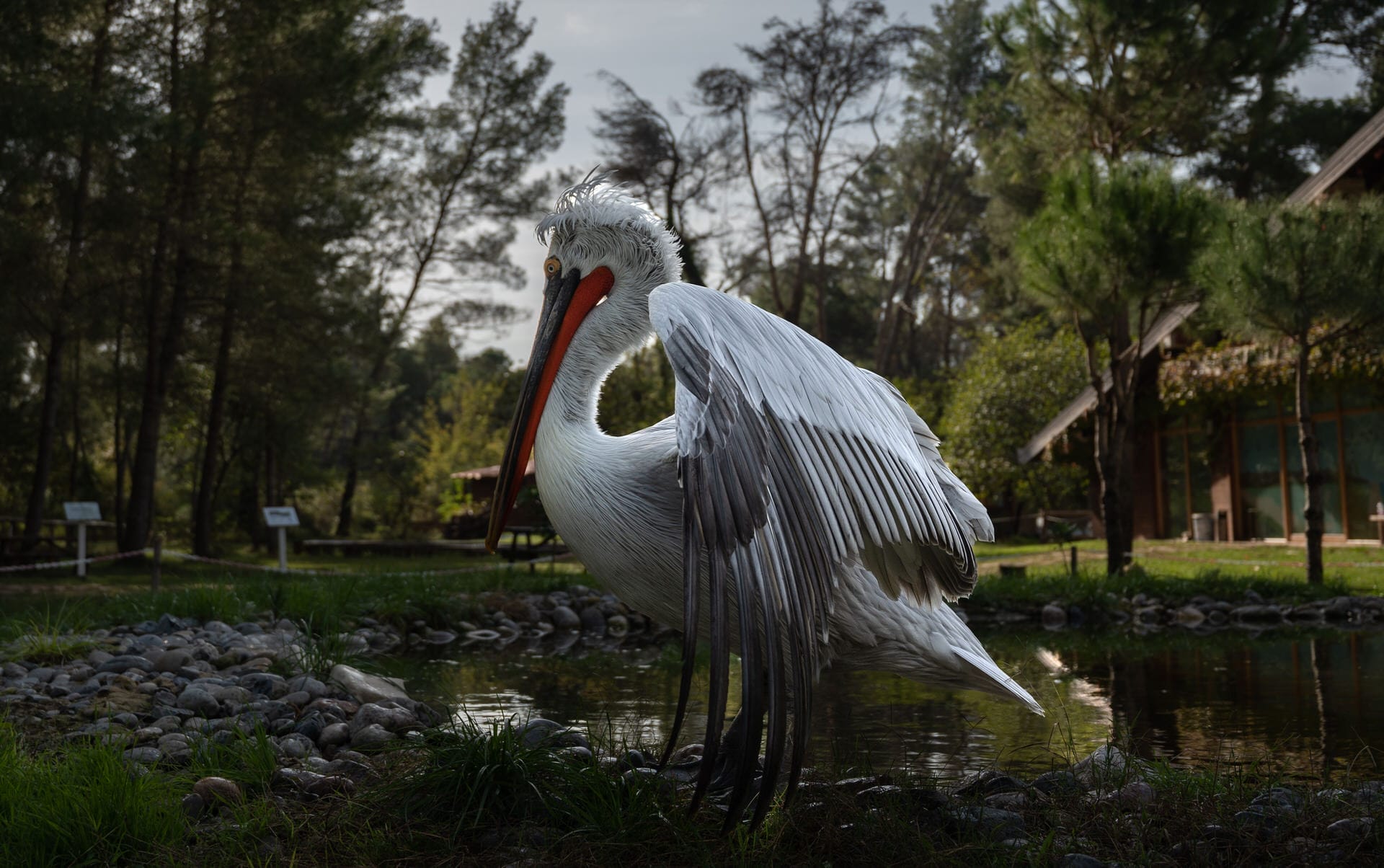
Dalmatian pelican at Divjakë-Karavasta National Park lagoon
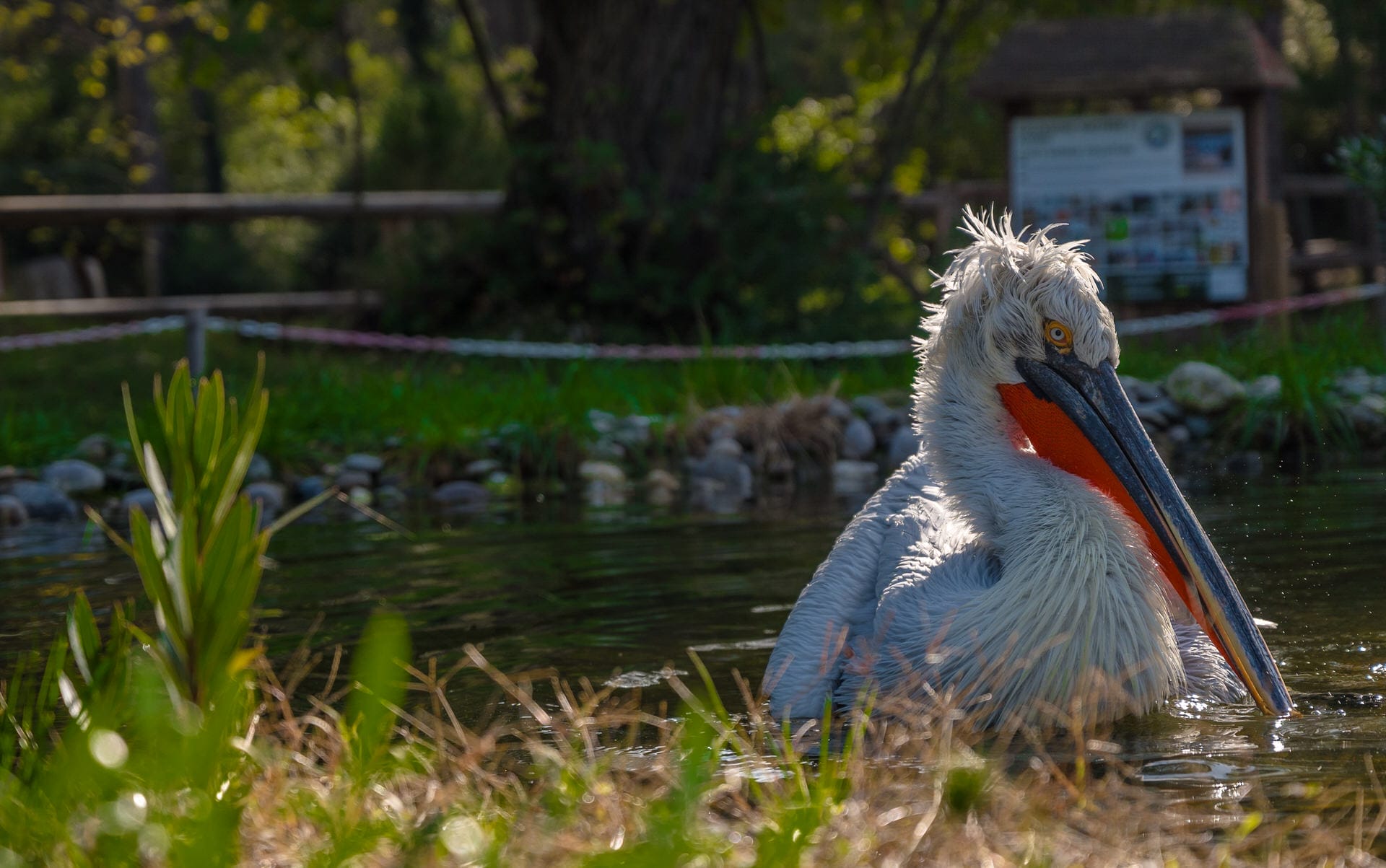
Wetland landscape at Karavasta Lagoon showing reed beds and open water
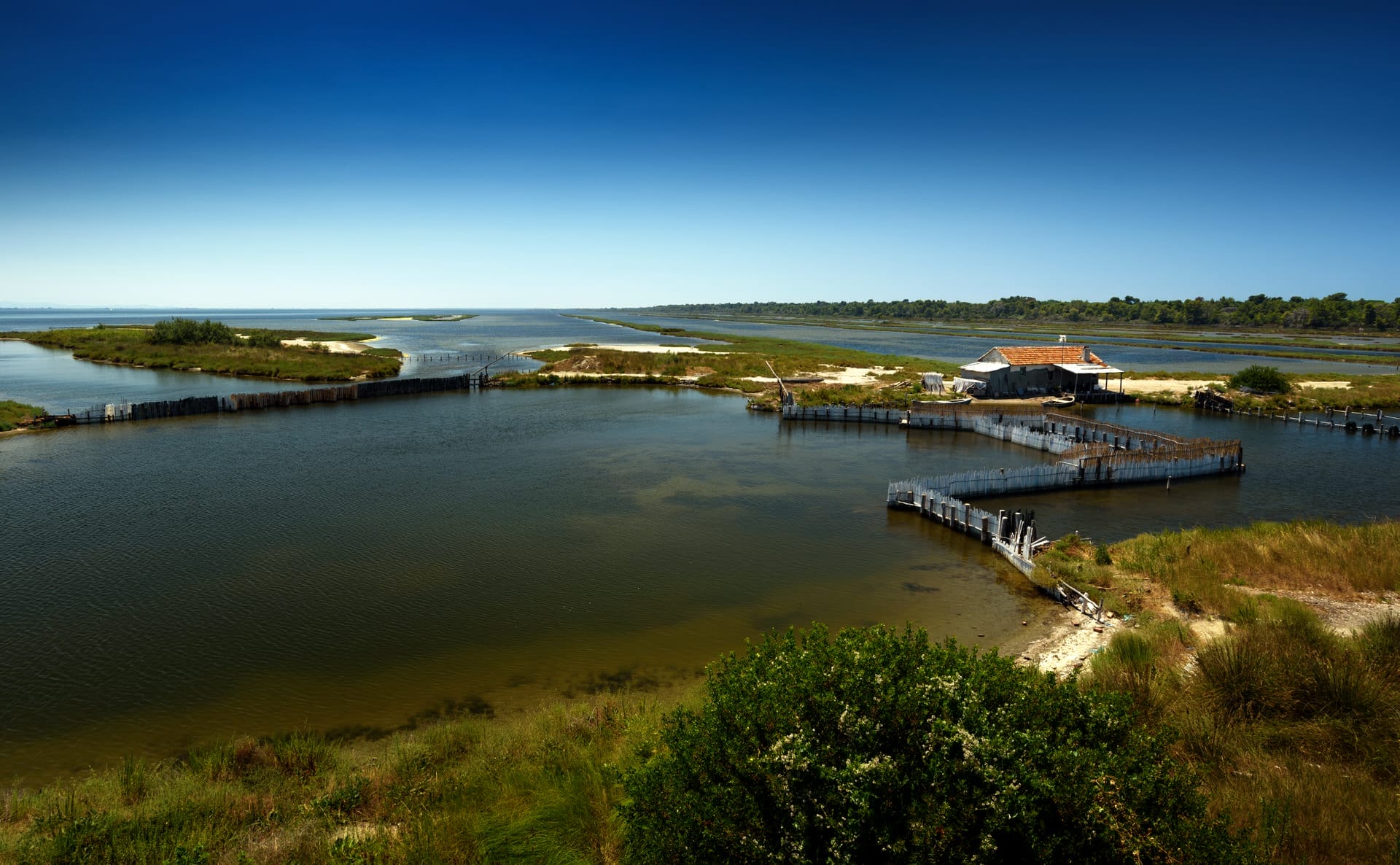
View across Karavasta Lagoon toward the Adriatic coastal barrier
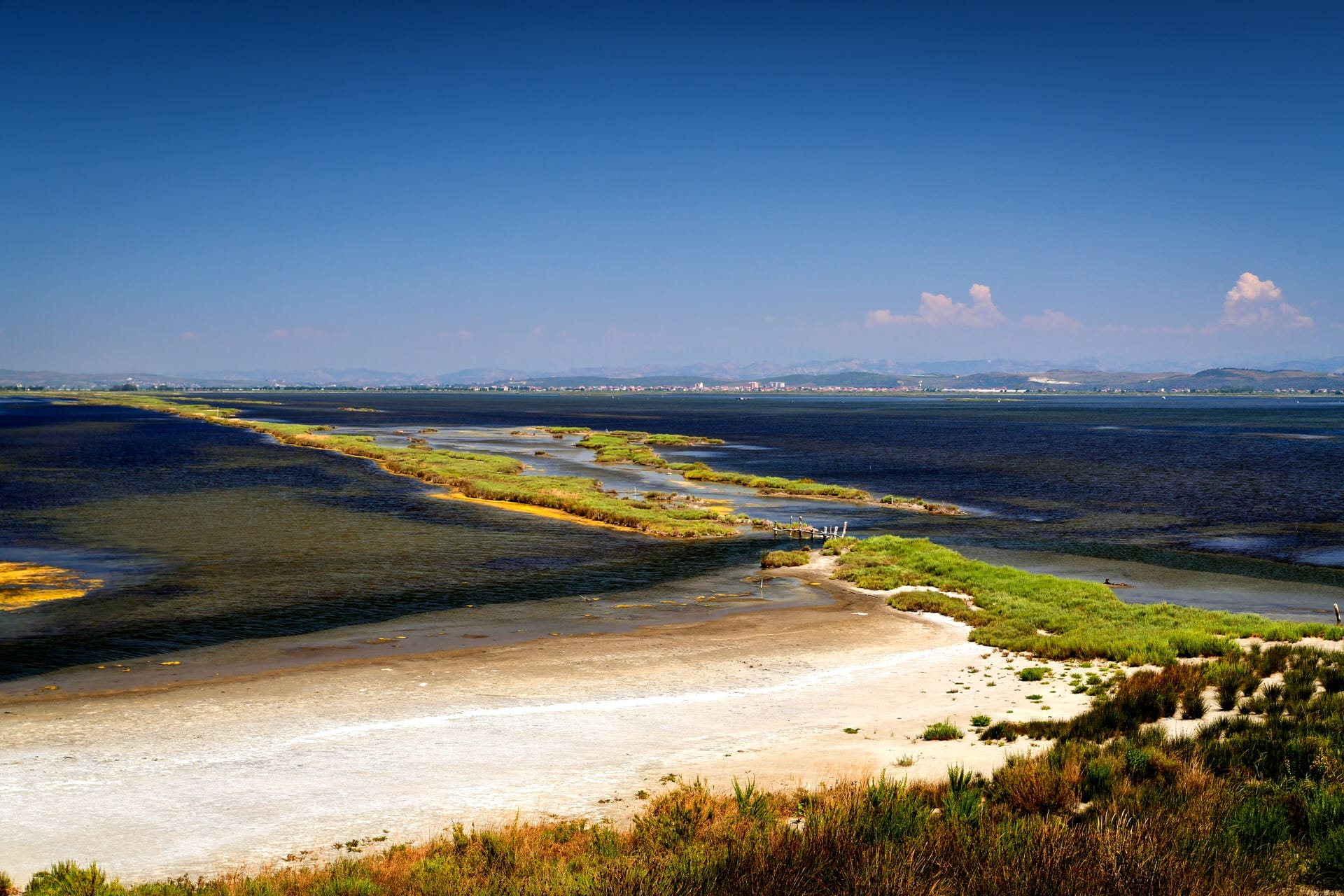
Observation area at Karavasta Lagoon in Divjakë-Karavasta National Park