What Llogara National Park Actually Offers
Llogara National Park, established 1966, covers 10,100 hectares in the Ceraunian Mountains along Albania’s southwest coast. The park extends from Llogara Pass (1,027 meters elevation where the SH8 highway crosses the mountains) down both northern slopes (toward Vlorë) and southern slopes (toward the Albanian Riviera beaches). The park’s primary feature is the dramatic transition from mountain to sea—the Ceraunian range rises directly from the Ionian coast creating cliffs, forested slopes, and the winding mountain highway that became Albania’s most photographed road section.
Llogara functions more as scenic mountain pass and paragliding site than as traditional national park with developed visitor infrastructure. The park has limited facilities—the main development concentrates at Llogara Pass summit where hotels, restaurants, and paragliding operators cluster around the highway. Hiking trails exist but most are unmarked, poorly maintained, and require local knowledge to navigate safely. The park protection designation limits development while the mountain pass provides transportation corridor between Vlorë and the southern coastal resorts.
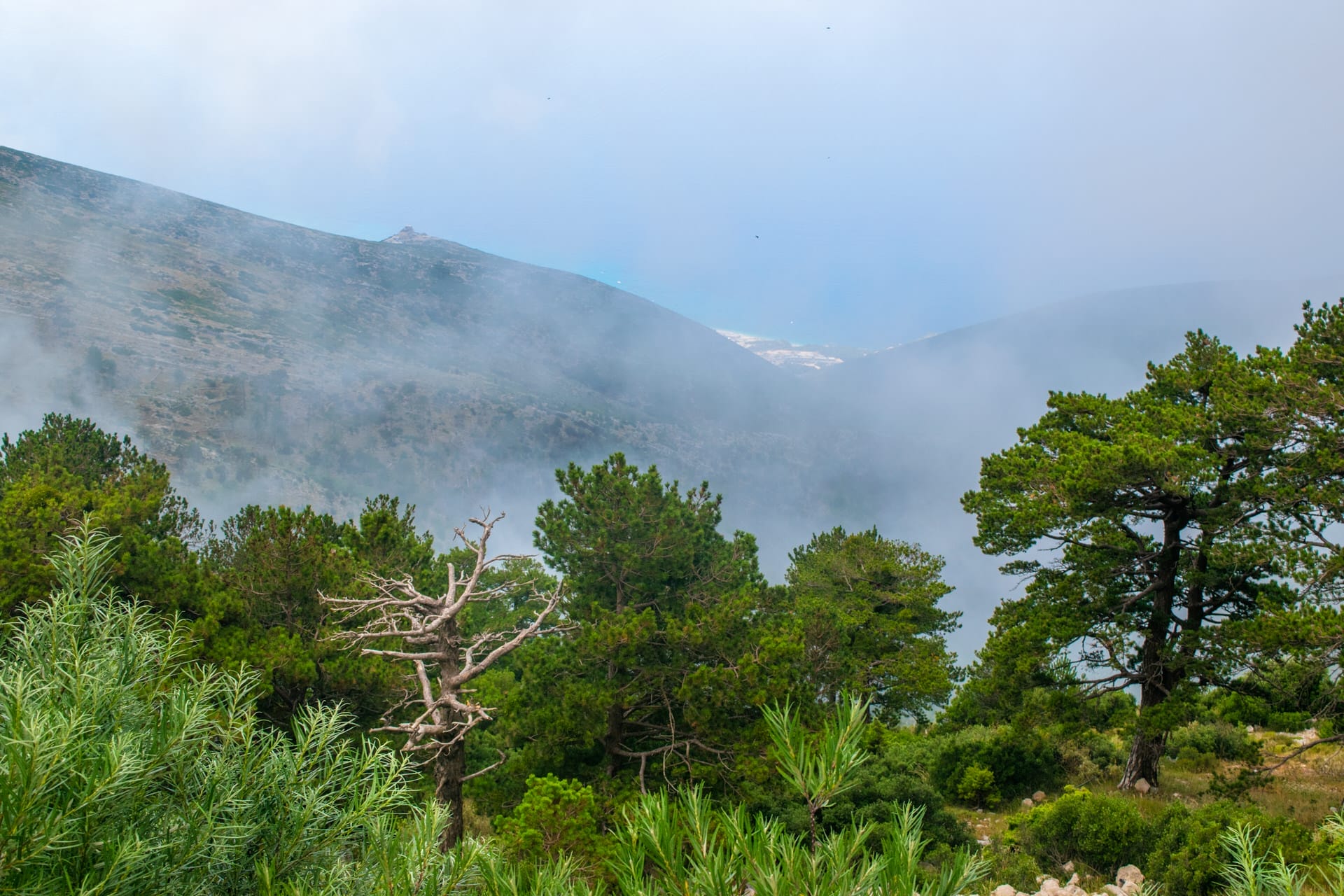
The elevation change (sea level to 1,027 meters over approximately 12 kilometers of winding road) creates distinct vegetation zones: Mediterranean maquis at lower elevations transitioning to black pine forests (Pinus nigra) at higher altitudes. These forests are the park’s primary conservation target—old-growth black pine stands that have scientific and ecological value. Wildlife includes deer, wild boar, wolves (rarely seen), eagles, and other mountain species, though animal sightings are uncommon for casual visitors.
Llogara Pass and the SH8 Highway
The SH8 highway climbs from Vlorë through the park to Llogara Pass, then descends dramatically toward the coast via hairpin turns creating the famous “Llogara Pass” section that appears in Albanian Riviera tourism photography. The road was improved in the early 2000s (previously it was rough track requiring 4x4 vehicles), making it accessible to standard cars though drivers still need attention on the curves.
At the pass summit (1,027 meters), several viewpoints overlook both the northern side (Vlorë Bay, Karaburun Peninsula, Sazan Island visible on clear days) and the southern side (Ionian coast, Albanian Riviera beaches stretching toward Himarë). These viewpoints are the primary visitor activity—stopping for photos, having meals at pass restaurants, and enjoying the mountain-sea vista. The pass itself is called “Caesar’s Pass” locally, supposedly because Julius Caesar’s forces crossed here during Roman campaigns, though historical documentation is thin.
The descent from the pass toward the Riviera (southern side) provides the most dramatic section—approximately 8 kilometers of switchbacks dropping 1,000 meters with cliffs on one side and mountain on the other, creating exposure that bothers nervous passengers. The viewpoints along this descent (several pullouts with space for 5-10 cars) offer photo opportunities looking down at Palasë beach and the coast.
During summer (July-August), the pass road becomes congested with Albanian Riviera traffic—both tourists heading to beaches and local vehicles. Weekends see particular crowding. Spring and autumn provide easier driving with less traffic. Winter (November-March) brings fog that can reduce visibility to near-zero, making the pass dangerous. Snow occasionally closes the road, though this is rare and usually clears within days.
Paragliding from Llogara
Paragliding is Llogara’s primary adventure activity. The launch site sits at the pass summit (1,027 meters) with landing on Palasë beach at sea level—a vertical drop creating 15-25 minute flights depending on wind conditions and pilot route choices. Several operators based at the pass offer tandem flights (€50-80 per person) where passengers fly strapped to experienced pilots requiring no previous paragliding experience.
The flight conditions at Llogara are generally good May-September when thermal updrafts from the sun-heated mountainside create lift allowing extended flights. Morning flights (8-11 AM) typically have calmer conditions suitable for nervous first-timers. Afternoon flights (2-6 PM) offer stronger thermals allowing more dynamic flying but also more turbulence. Flights are cancelled if winds are too strong, too calm, or blowing from wrong directions—expect approximately 20-30% cancellation rate due to unsuitable conditions.
The pilots are Albanian paragliding enthusiasts who’ve turned hobby into tourism business—quality varies but most are competent and safety-conscious since bad accidents would destroy their reputations in Albania’s small adventure tourism community. Equipment is generally adequate though not always newest gear. The experience delivers genuine bird’s-eye views of the coast and dramatic mountain-to-sea descent that justifies the cost for adventure-seekers.
Landing on Palasë beach requires coordination—someone (usually a staff member from the company) drives passengers’ belongings down from the pass to meet them at the beach, then provides transport back up to collect their vehicles. This logistics dance works but can be confusing for first-timers. Confirm pickup arrangements before launching.
Hiking in the Park
Llogara has hiking trails through the black pine forests and along ridges, but trail infrastructure is minimal. The most accessible trail begins near the pass hotels heading into the forest—roughly 3-5 kilometers loop through pine stands, some clearings with mountain views, returning to the pass. The trail is unmarked beyond the first kilometer, overgrown in places, and can be difficult to follow without local guidance or hiking experience.
Longer trails extend along the ridgeline toward higher peaks (Mount Çika at 2,044 meters is the highest point in the Ceraunian range) but these require serious mountain hiking capability, navigation skills, and ideally local guides. The park has no official guide service—inquire at hotels at the pass about hiring local shepherds or hunters familiar with the trails.
Wildlife viewing is possible but requires early morning or evening timing and quiet hiking. Deer are most commonly seen, wild boar leave signs (rooted earth, tracks) but avoid humans, wolves exist but are extremely rare to encounter. The black pines themselves are the main attraction for nature enthusiasts—some trees are 400+ years old, creating forest atmospheres unusual in Albania where much old-growth forest was cut during the communist period.
The park has no facilities beyond the pass—no bathrooms, no water sources (bring your own), no emergency services beyond what passes through on the highway. Hikers should be self-sufficient and inform someone of plans before heading into the forest.
The Pass Summit Hotels and Restaurants
Several hotels and restaurants operate at Llogara Pass, functioning as the park’s only developed infrastructure. These establishments offer accommodations (€30-80 per night depending on season and room quality), meals (traditional Albanian food, grilled meats, salads, €8-15 per person), and base for exploring the area.
The hotels range from basic mountain lodges (simple rooms, shared bathrooms, wood heat) to more developed tourist hotels (private bathrooms, heating, WiFi). Quality is variable—some are well-maintained, others are aging facilities that survive on location rather than amenities. Reviews before booking are advisable.
The restaurants serve both hotel guests and passing travelers—many drivers stop at the pass for lunch during the Vlorë-Riviera journey, making the restaurants busy during peak season. The food is generally good traditional Albanian cooking rather than fancy cuisine—grilled lamb, roasted vegetables, byrek, salads. Prices are slightly elevated compared to coastal areas but not exorbitant given the remote mountain location.
The pass hotels close November-March when winter weather reduces tourism. Some stay open for Albanian domestic visitors who come to the mountains for snow (limited skiing/sledding is possible), but services are minimal during winter months.
The Honest Assessment
Llogara National Park delivers on mountain scenery and the dramatic mountain-to-sea transition that makes the Albanian Riviera drive memorable. The paragliding is genuine adventure activity offering unique aerial perspective. The black pine forests have ecological value and provide pleasant hiking for those who don’t need marked trails and developed infrastructure.
What Llogara isn’t is a well-developed national park with visitor centers, maintained trail systems, interpretive programs, and comprehensive facilities. It’s mountain pass with park designation, functioning primarily as transportation corridor and paragliding launch site with some hiking opportunities for self-sufficient outdoor enthusiasts. The park protection prevents development but doesn’t provide extensive visitor services.
For most visitors, Llogara is brief stop during Albanian Riviera journeys—pull over at viewpoints, have lunch at a pass restaurant, photograph the scenery, continue to beach destinations. This is appropriate use that matches what the park offers. Expecting extensive hiking, wildlife viewing, or wilderness camping requires adjusting expectations or having serious mountain experience.
Skip If: You’re driving the Albanian Riviera and want to minimize time reaching beaches (the pass crossing adds 30-45 minutes compared to theoretical coastal route that doesn’t exist), if you’re nervous about mountain driving (the switchbacks and exposure bother some passengers), if you expect developed national park infrastructure (visitor centers, marked trails, ranger programs), if weather is poor (fog makes the pass unpleasant and dangerous), or if you’re not interested in mountain scenery (just want beaches).
Visit If: You’re driving between Vlorë and Albanian Riviera anyway (the pass is the main route), if you want to paraglide from mountain to sea (this is genuinely special experience), if you appreciate mountain forests and want to hike without needing perfect trails, if you want to stay in mountain environment while accessing beaches (the pass hotels provide cooler mountain air versus hot coastal accommodations), or if you’re photographing Albanian landscapes (the pass viewpoints offer iconic shots).
Llogara works as component of Albanian Riviera travel rather than as standalone destination. Combine the pass crossing with coastal beach time, use it for paragliding if you’re adventure-inclined, or stay overnight at pass hotels if you want mountain experience. Don’t expect developed national park facilities—approach it as scenic mountain pass with some hiking and adventure options.
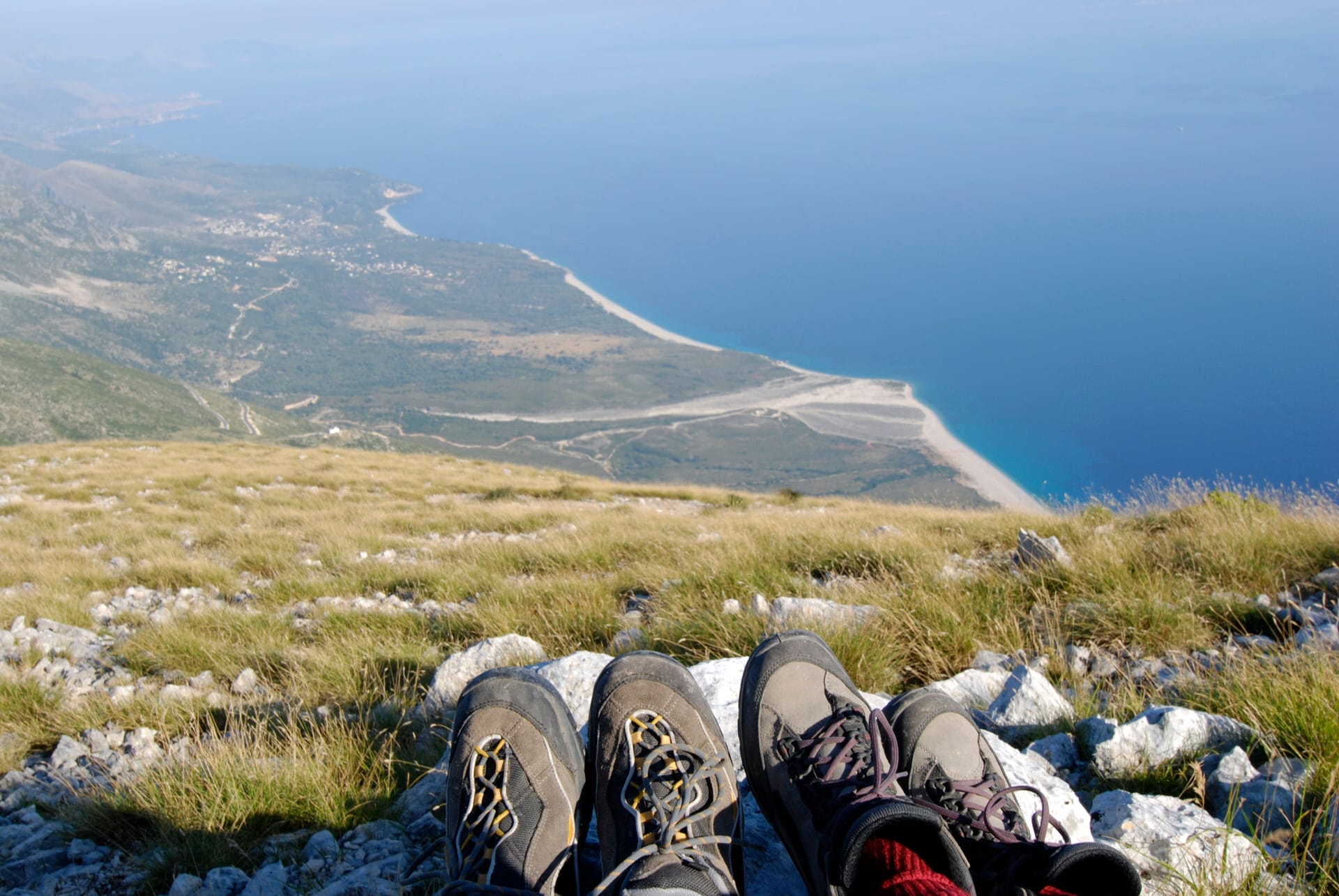
View from Llogara Pass looking down toward the Albanian Riviera coast
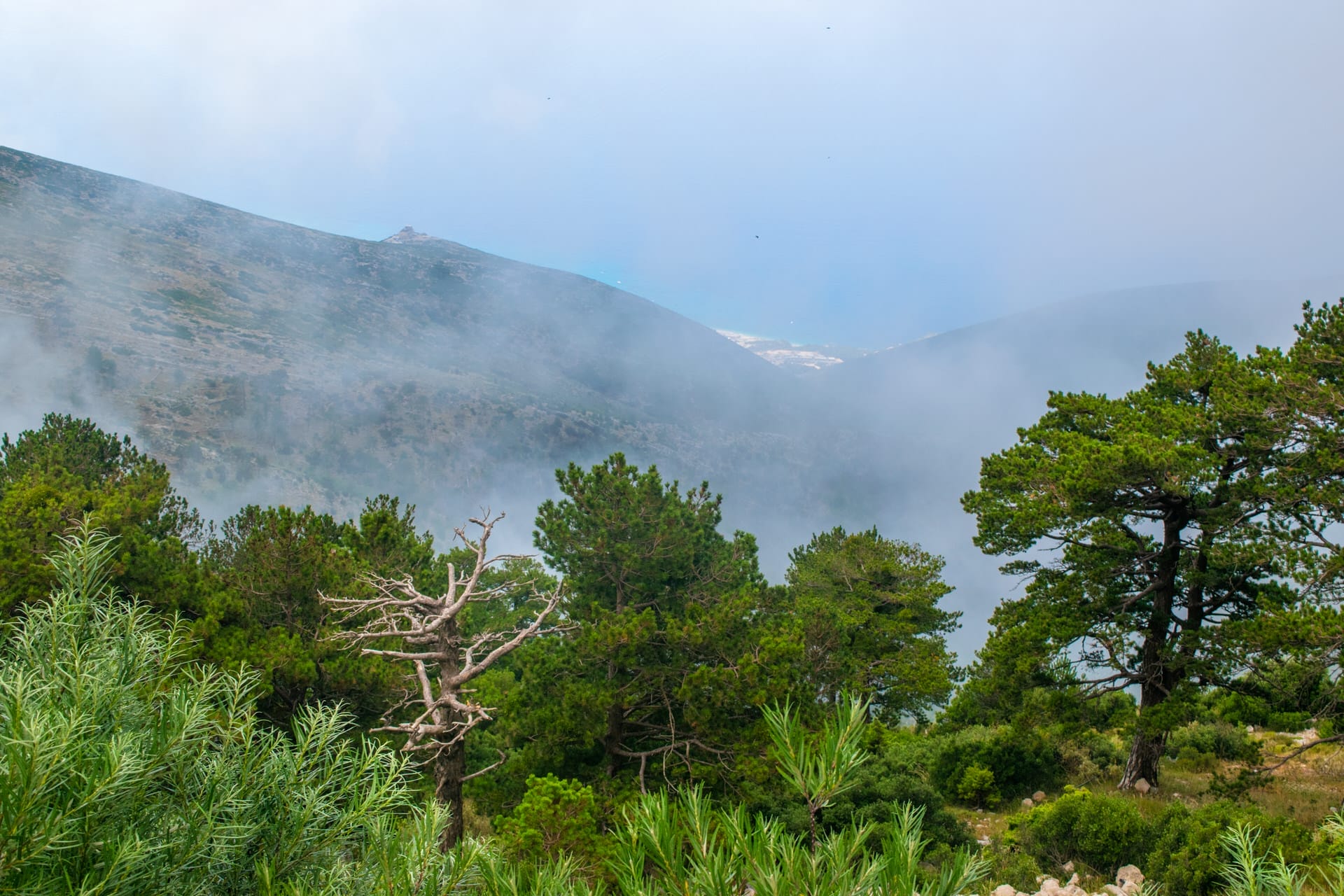
Black pine forests in Llogara National Park along the Ceraunian Mountains
The winding SH8 highway through Llogara National Park
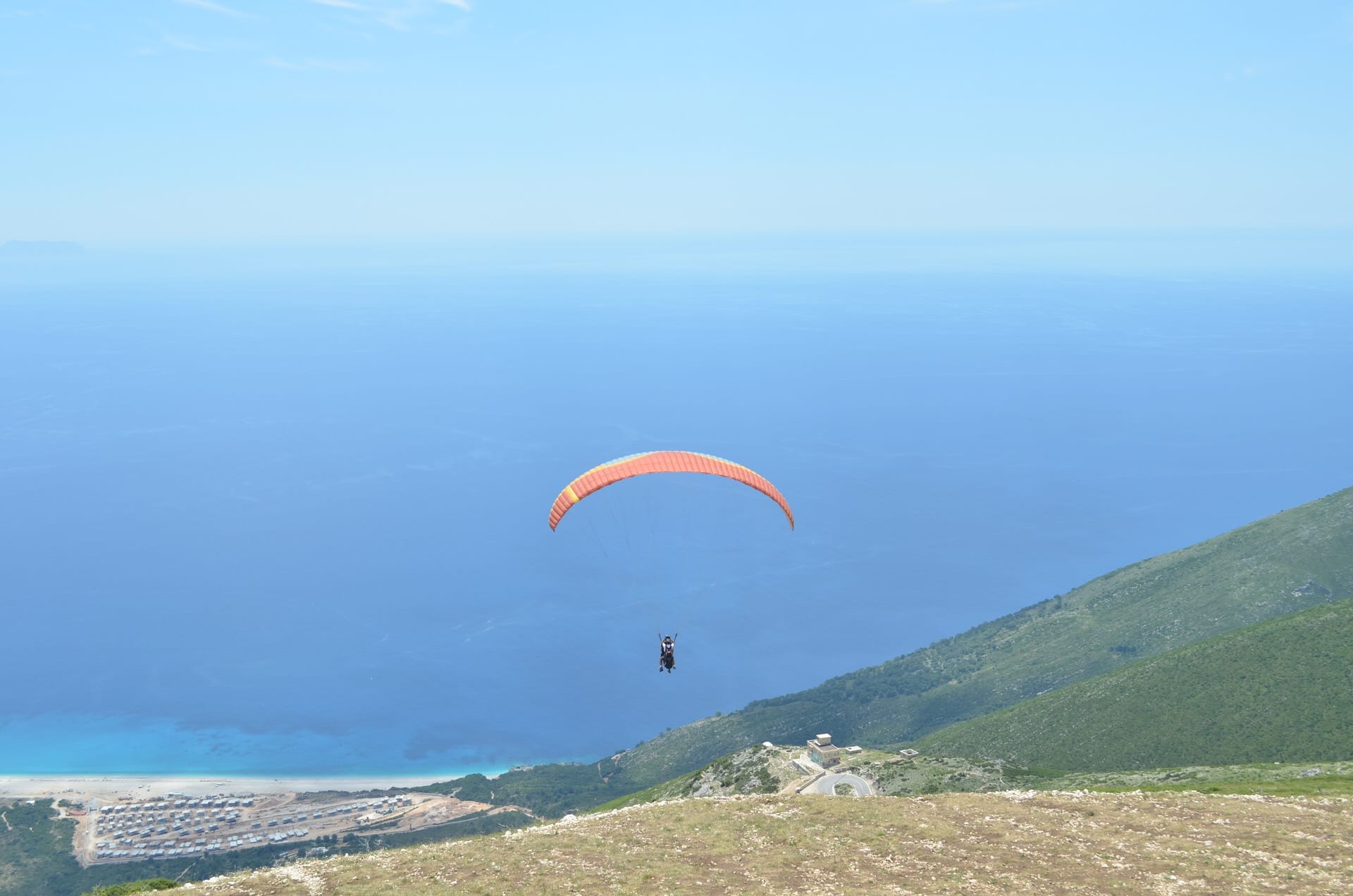
Paragliding from Llogara Pass (1,027m) down to Palasë beach on the Ionian Sea
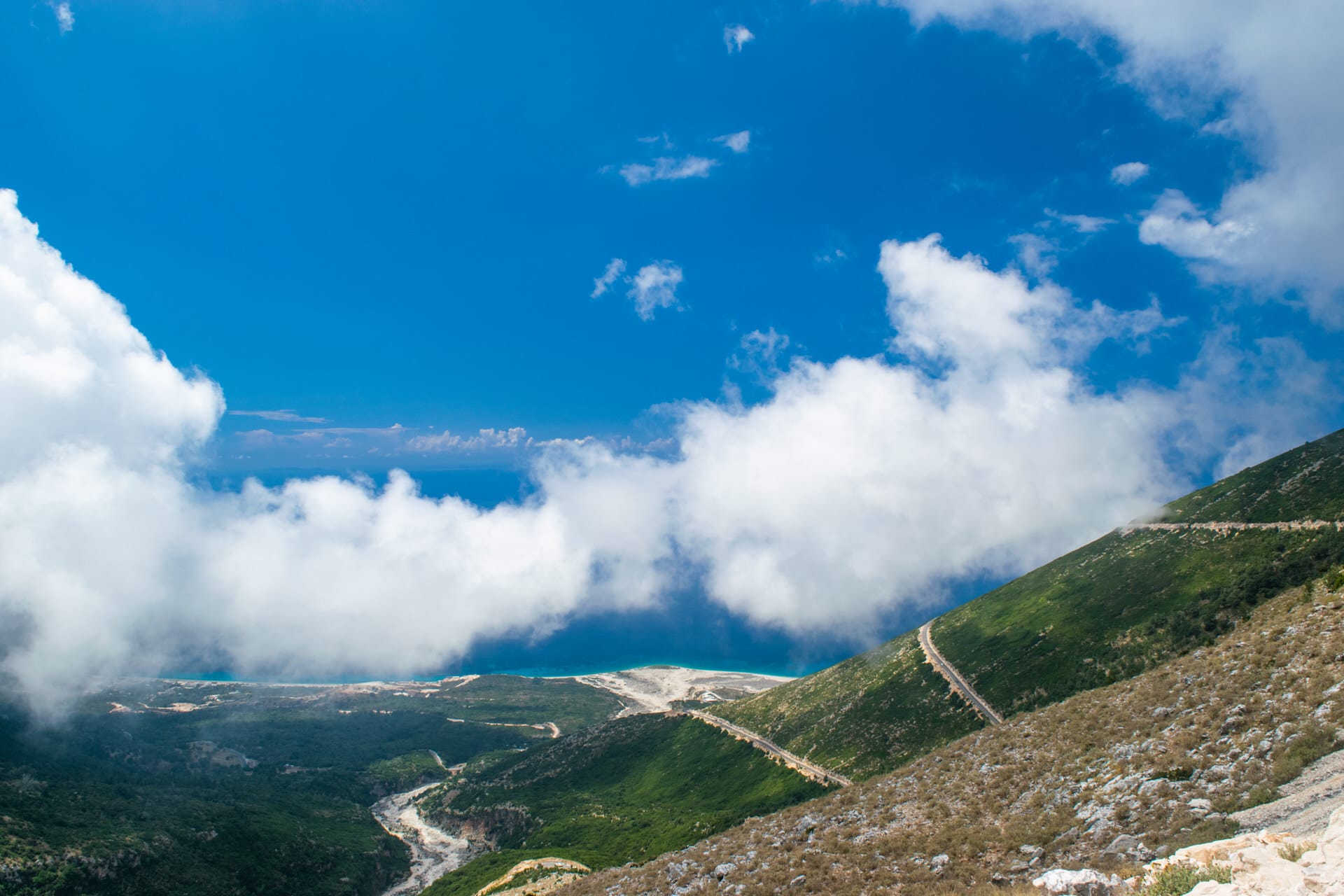
Fog conditions at Llogara Pass can reduce visibility and make driving dangerous
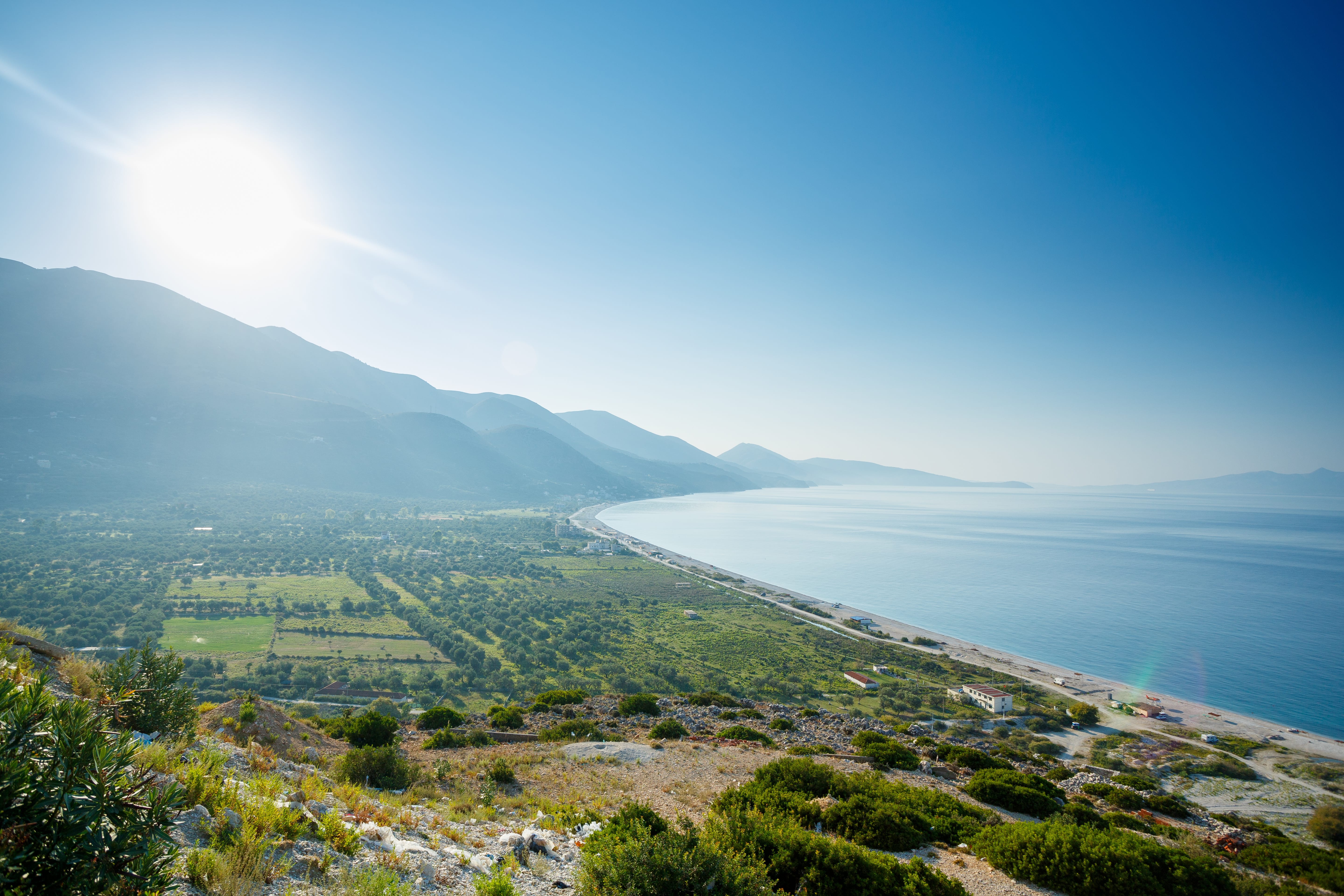
View from the pass descent toward Palasë village and beach
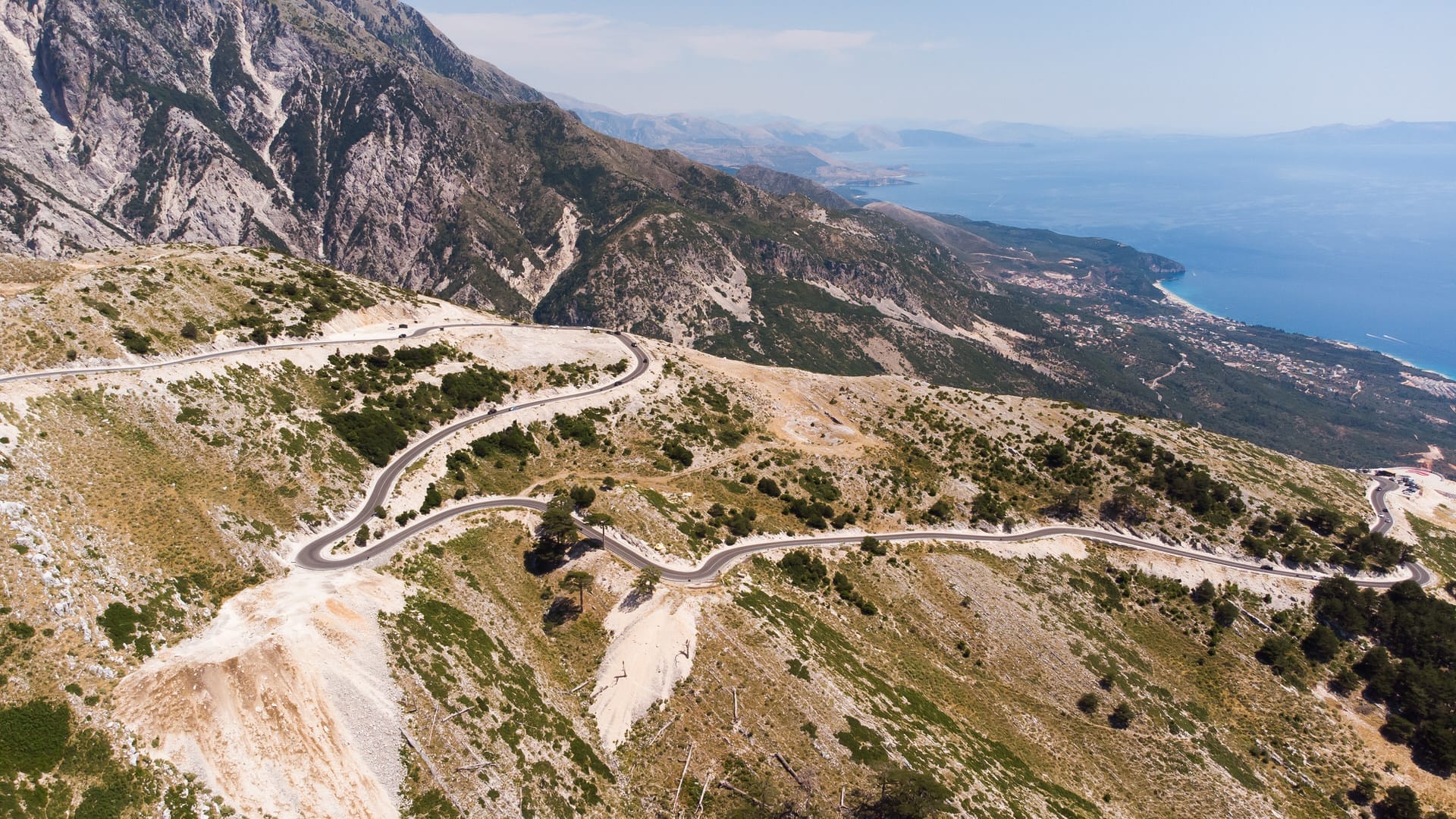
The dramatic switchbacks of the SH8 highway descending from Llogara Pass