What Valbona Offers (Compared to Theth)
Valbona Valley National Park occupies 8,000 hectares along the Valbona River in the Albanian Alps (Bjeshkët e Nemuna—Accursed Mountains) in northern Albania. Established 1996, the park centers on Valbona village—a settlement of approximately 500 permanent residents at 800 meters elevation in a valley extending approximately 25 kilometers between limestone peaks reaching 2,500+ meters.
Valbona functions as the “other end” of the Valbona-Theth hiking trail—the multi-hour mountain crossing that connects these two Albanian Alps villages. Most hikers approach from one direction or the other, though technically you can drive to both (Valbona’s road access is marginally better than Theth’s). The ferry approach via Komani Lake is more common and arguably more scenic, making Valbona the typical starting point for hikers planning the Valbona-Theth circuit.
Compared to Theth, Valbona is: slightly less crowded (though still busy July-August), marginally easier to access (better road from Bajram Curri, though still rough), and offers similar guesthouse infrastructure with comparable services. The villages are functionally equivalent—traditional mountain settlements adapted for tourism, surrounded by impressive Albanian Alps scenery, serving as bases for hiking rather than destinations themselves.
The Two Access Routes (Ferry vs. Road)
Ferry Route (Most Common): The scenic approach involves taking the Komani Lake ferry from Koman village to Fierza landing (3 hours, €10-15), then minibus/taxi from Fierza to Valbona village (1 hour, €5-10 per person or €40-60 for private vehicle). Total journey from Shkodër: 5-6 hours including Shkodër-Koman minibus (1.5 hours). This route is slower but offers Komani Lake canyon scenery.
Road Route (Faster but Rough): Drive from Shkodër to Bajram Curri (115 kilometers, 2.5-3 hours on paved roads), then Bajram Curri to Valbona (35 kilometers, 1.5-2 hours on rough unpaved mountain road requiring 4x4 or sturdy vehicle). Total: 4-5 hours Shkodër to Valbona, more direct but less scenic than ferry route. The Bajram Curri-Valbona road is marginally better than the Bogë-Theth road but still requires appropriate vehicle—standard rental cars risk damage.
Most tourists choose ferry route for scenery despite longer duration. Organized tours typically use ferry approach, handling all transport logistics.
What You Actually Do in Valbona
Valbona-Theth Trail: The primary activity—6-8 hours hiking crossing mountain pass at approximately 1,800 meters elevation. The trail climbs steeply from Valbona (gaining 1,000+ meters over 4-5 kilometers), crosses open alpine pass with views toward surrounding peaks, then descends toward Theth (losing 1,000+ meters over remaining 6-8 kilometers). The route is marked but not maintained—expect rough terrain, stream crossings, and sections requiring scrambling over rocks. Fitness level required: moderate to challenging. Best hiked June-September; snow lingers into June at pass elevation, and October brings weather uncertainty.
The €5 trail fee (collected at both ends) theoretically funds trail maintenance, though actual maintenance is minimal—the trail receives heavy use (50-150 hikers daily during July-August peaks) causing erosion and vegetation damage that limited resources can’t adequately address.
Rrogam Waterfall: The most popular day hike from Valbona village—2-3 hours round trip (4-5 kilometers) following rough trail upstream along Rrogam stream. The waterfall itself is moderate-sized cascade (approximately 15-20 meters) dropping into pool. Worth visiting if you’re spending 2+ days in Valbona and want shorter hike, but it’s not exceptional compared to other Albanian waterfalls. Trail is unmarked beyond village outskirts—ask guesthouse owners for directions.
Shoshan Springs & Xhemes Lake: These are mentioned in tourism materials as day hike options, but access information is inconsistent and trails are largely unmarked. They’re realistic options for visitors with local guides or extensive hiking experience comfortable navigating without clear trails, but challenging for typical tourists expecting maintained paths.
Valley Walks: The simplest activity involves walking the valley floor along the rough vehicle track, exploring Valbona River’s course and surrounding forests. This requires no special fitness or navigation skills—just follow the road/track through the valley observing mountain scenery, traditional houses, livestock, and river.
Village Infrastructure and Services
Valbona village extends along the valley for approximately 2-3 kilometers—not compact settlement but dispersed houses and guesthouses spread along the main track. The village has approximately 40+ guesthouses operating May-October, offering family-run accommodation with meals included (breakfast and dinner standard, lunch by arrangement). Prices: €15-30 per person per night including meals. Quality varies from well-maintained facilities with hot water and comfortable beds to basic rooms with shared bathrooms and sporadic electricity.
No banks, no ATMs (bring cash for entire stay—guesthouses, trail fees, any supplies), limited mobile reception (variable by carrier—download offline maps before arriving), sporadic electricity (guesthouses use generators for evening hours, typically 6 PM-10 PM), no medical facilities beyond basic first aid. Small shops sell basic supplies (snacks, water, beer) at prices reflecting remote location markup.
The guesthouses close October/November as snow arrives and most families relocate to lowland winter residences. The valley essentially hibernates November-April when snow makes access impossible and temperatures drop significantly. Attempting winter access requires serious mountaineering skills and equipment—this isn’t casual snow hiking.
The Comparison to Theth (Choosing Between Them)
If you’re hiking the Valbona-Theth trail, you’ll visit both—no choice necessary. If you’re selecting one for multi-day stay without crossing between them, consider:
Valbona advantages: Marginally easier access (ferry route is organized transport vs. Theth’s rough minibus), slightly fewer crowds (though still busy July-August), slightly better road if driving from Bajram Curri side. The valley is wider and less claustrophobic than Theth’s narrow valley setting.
Theth advantages: More developed short hikes from village (Grunas Waterfall is better maintained than Rrogam, Blue Eye is accessible), the Lock-in Tower museum provides cultural context, the church setting is more dramatic. Theth has slight edge as standalone destination if you’re not hiking between valleys.
Realistically, they’re similar enough that choosing “wrong” one isn’t disaster. Both are traditional Albanian Alps villages adapted for tourism, both serve as hiking bases, both offer guesthouse infrastructure, both have beautiful mountain settings, both face overtourism challenges, both close in winter. Pick based on access preferences (ferry vs. road) rather than assuming major differences in experience.
The Honest Assessment
Valbona Valley offers genuine Albanian Alps hiking experience—high mountains, clear rivers, traditional architecture, challenging trails. The Valbona-Theth crossing is legitimately good multi-day hiking experience, and the valley setting provides impressive mountain scenery. Guesthouse hospitality is generally good, meals are home-cooked traditional Albanian food, and the overall experience delivers on mountain village tourism promises.
What Valbona isn’t is undiscovered. The valley sees significant summer tourism (July-August particularly crowded), infrastructure struggles with visitor numbers exceeding design capacity, trails show erosion from heavy use, and services reflect growing pains of rapid tourism development. The village isn’t pristine wilderness—it’s working community adapting to tourism economy that arrived quickly and continues growing.
Skip If: You expect pristine wilderness without other tourists (July-August brings crowds), if you need modern amenities and reliable services, if rough access routes sound unpleasant, if you’re visiting outside June-September when conditions are challenging and services closed, if you have limited Albania time and prefer more accessible destinations, or if you’re uncomfortable with basic accommodation and sporadic utilities.
Visit If: You’re hiking the Valbona-Theth trail (Valbona is typical starting point via ferry approach), if you’re interested in Albanian Alps hiking and traditional mountain culture, if you’re comfortable with basic guesthouse accommodation and limited services, if you visit June or September to avoid July-August peaks, if you have 2-3 days minimum to justify access effort and experience the valley rather than just passing through, or if you specifically seek mountain hiking experience accepting the infrastructure limitations and tourism development.
Valbona works for visitors who understand they’re visiting developing mountain tourism destination—genuine hiking opportunities, real mountain beauty, basic but functional infrastructure, visible environmental pressures from tourism growth. Manage expectations accordingly: this isn’t Alps-level infrastructure, but it’s not a tourist trap either. It’s mountain village making its way through rapid tourism transition, offering good hiking with predictable growing pains.
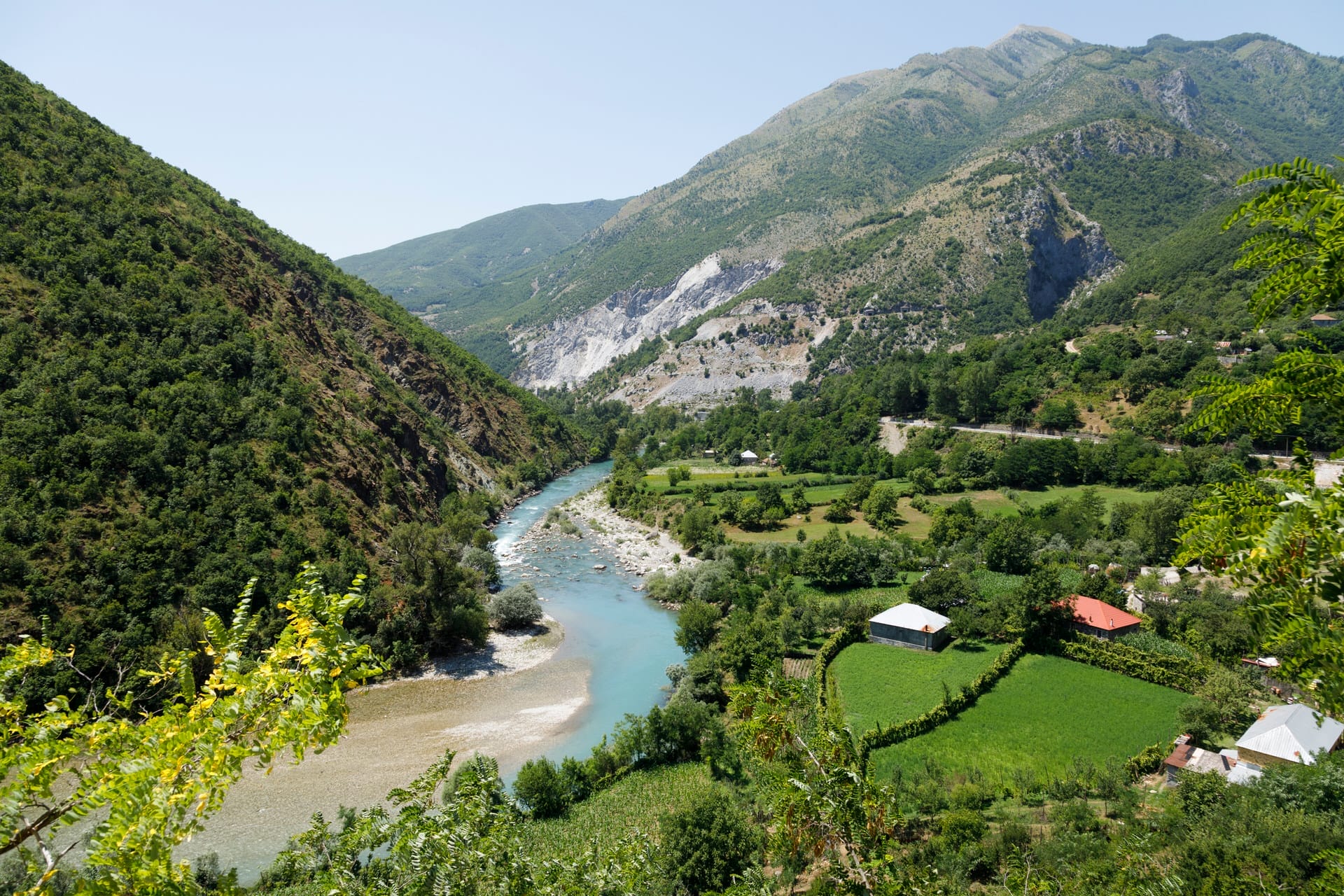
Valbona river in the beautiful Valbona valley in the Dinaric Alps in Albania
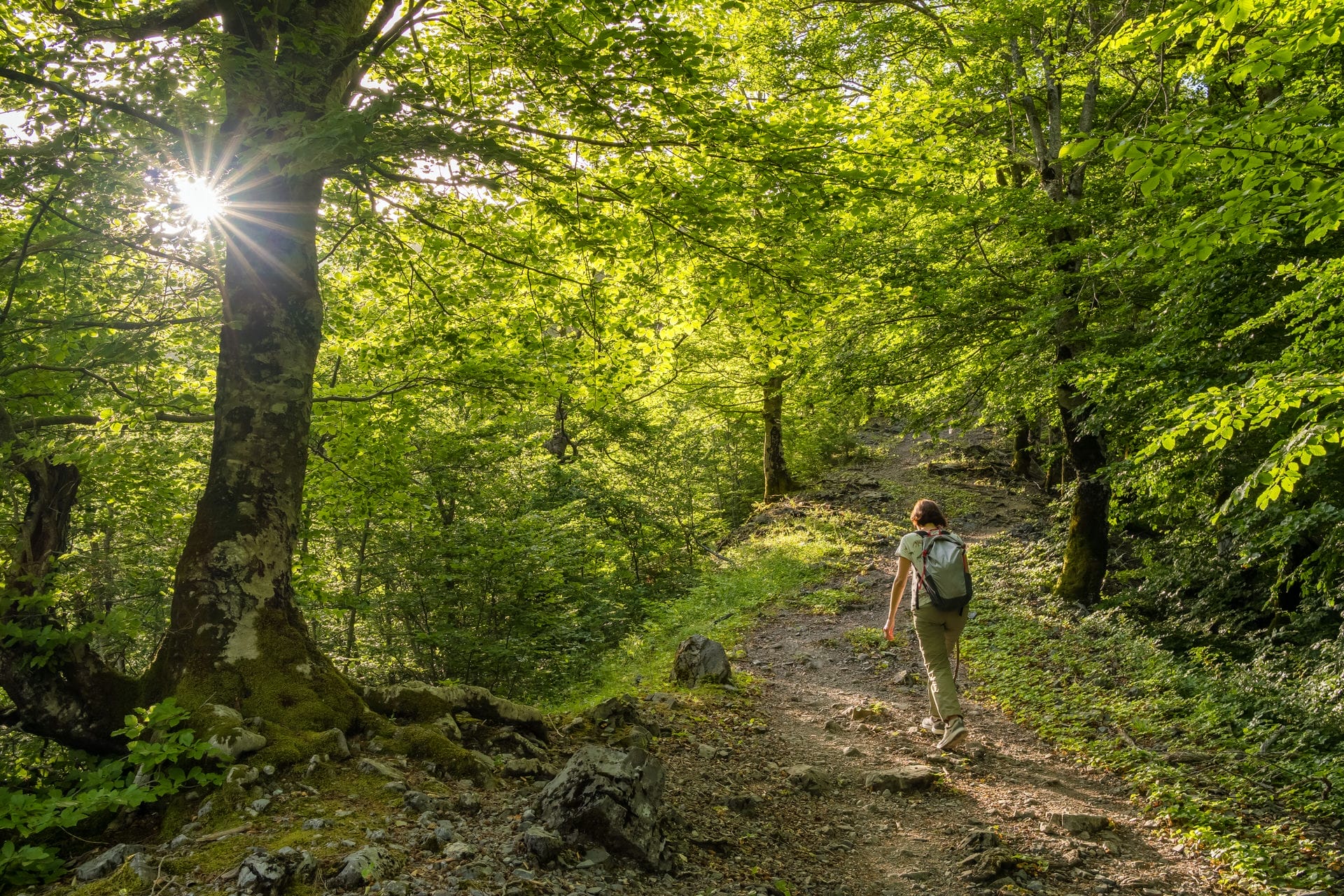
Hiking the Valbona to Theth trail in the Accursed Mountains, Albania
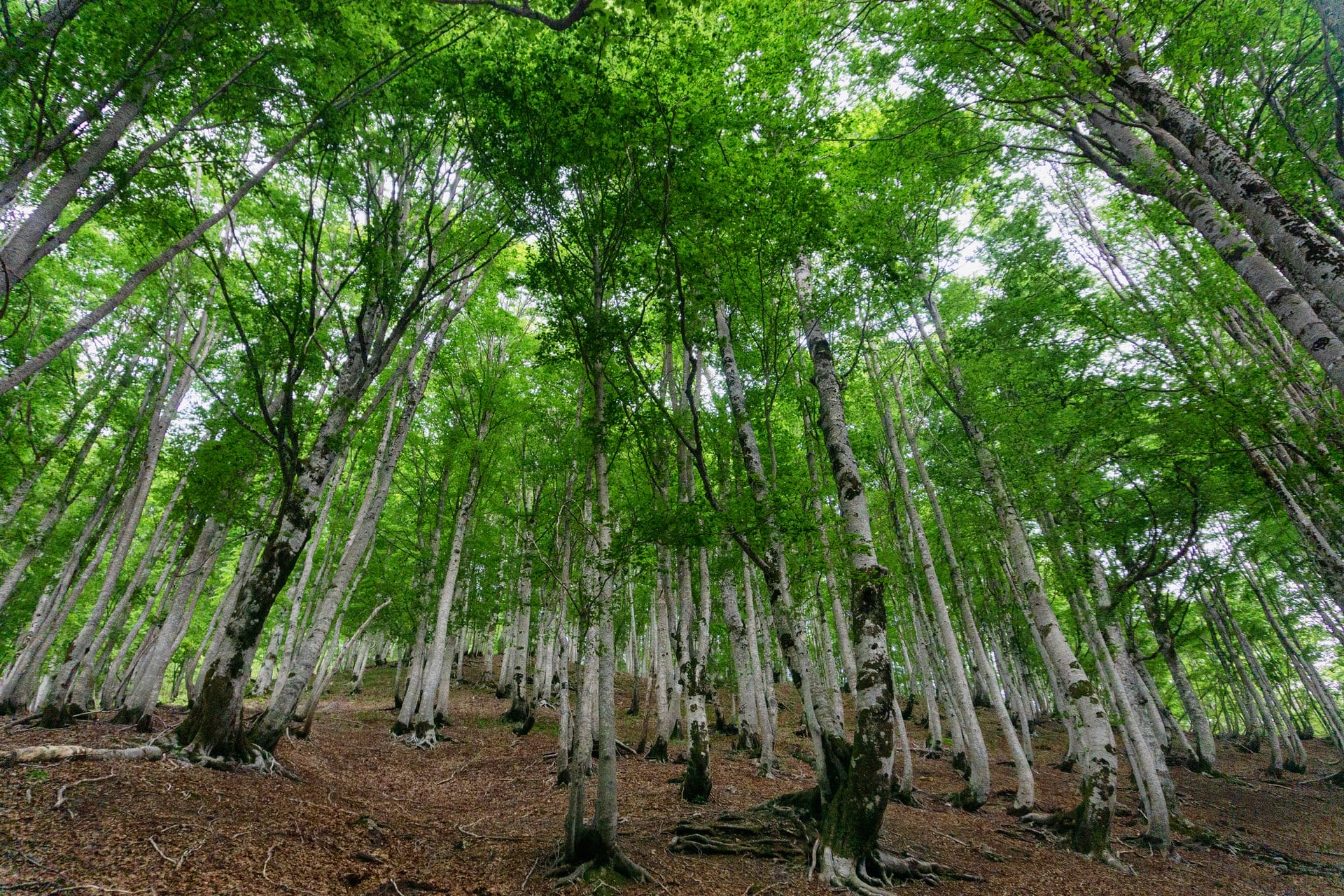
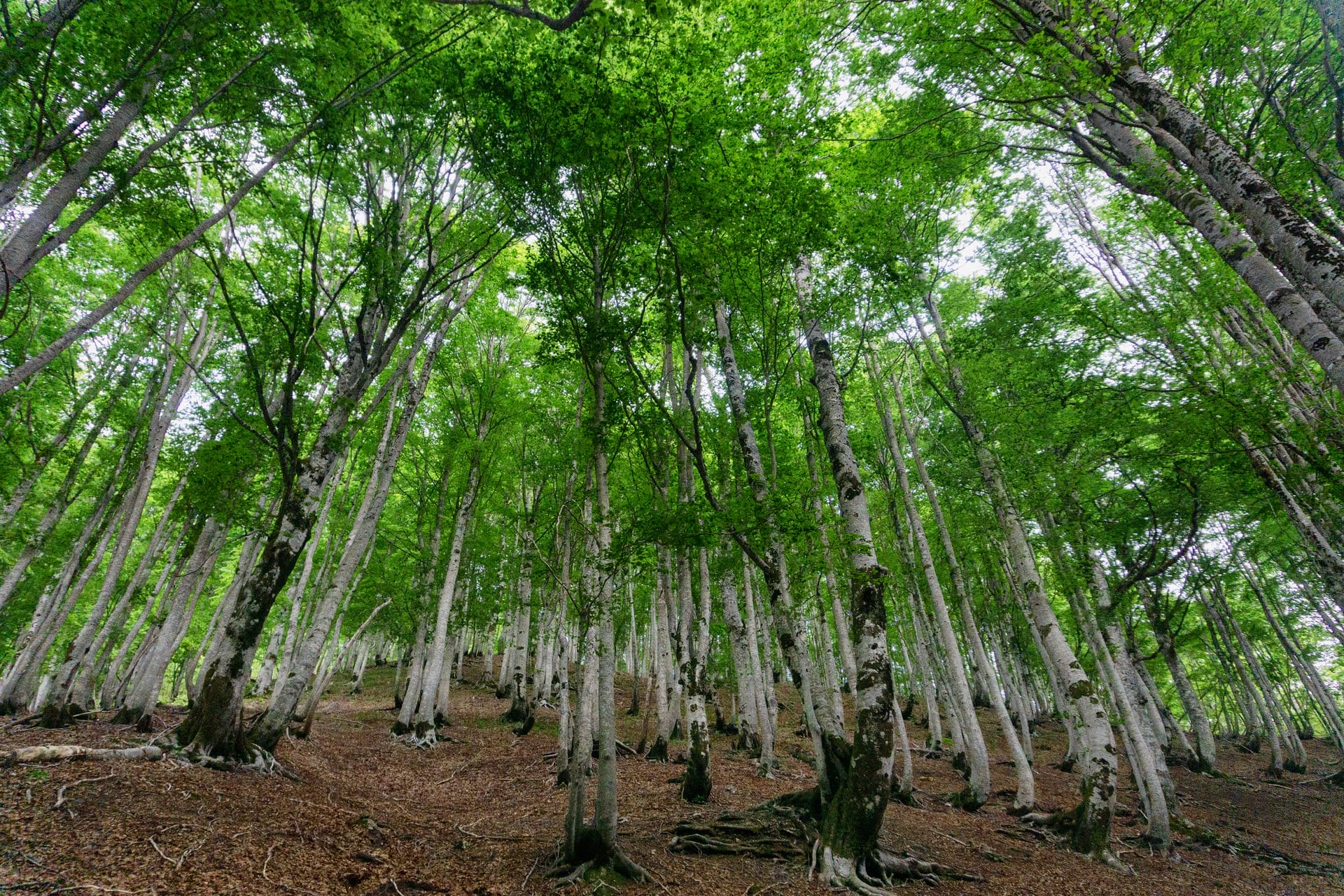
Primeval Beech Forrest on a steep slope in the Albanian Alps