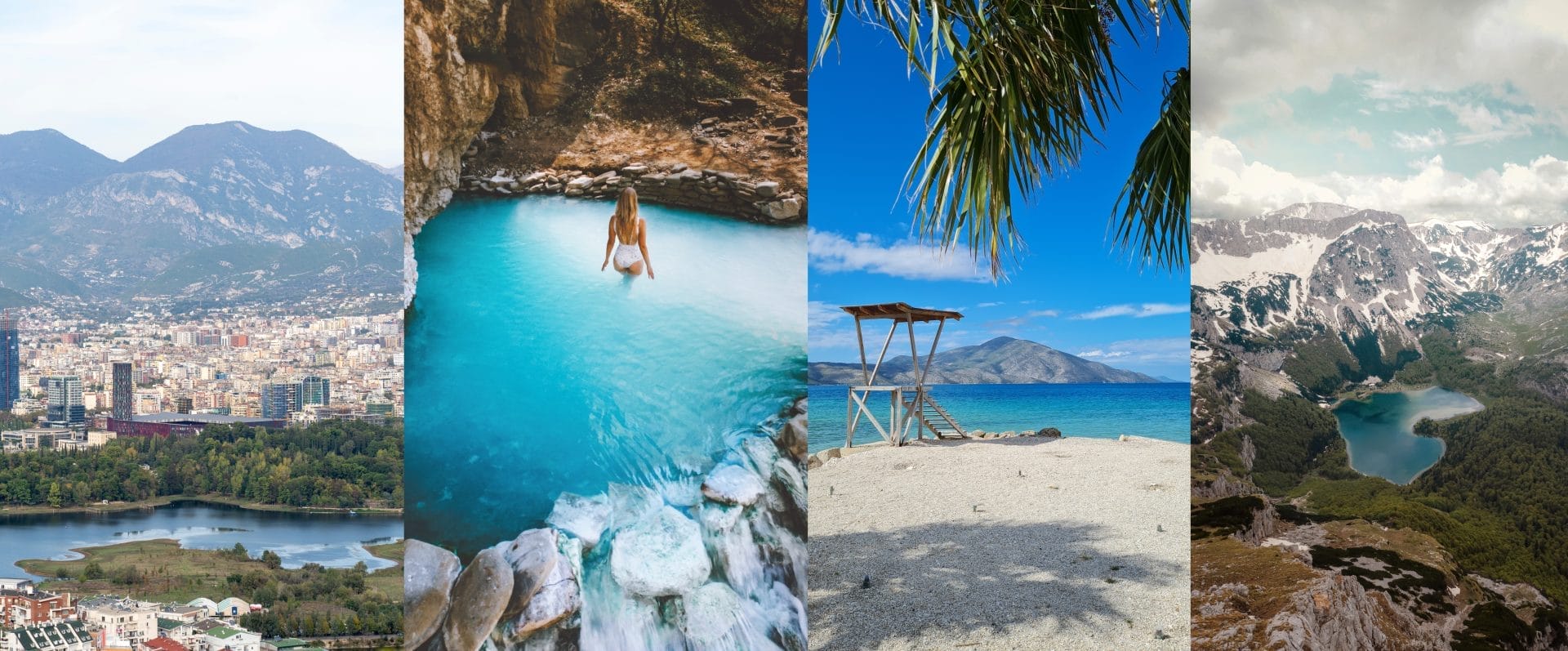
When should you actually visit Albania?
It depends—and anyone giving you a simple answer hasn’t been here recently.
Everyone says “late May or September” like it’s some universal law. They’re not completely wrong. But here’s what those articles won’t tell you: Albania went from 2.6 million visitors in 2019 to 11.7 million in 2024. The “undiscovered paradise” narrative? Dead. Especially if you’re planning July in Ksamil.
I’ve watched this transformation happen, and the honest answer is this: the best time to visit depends entirely on what you want to do, how much you’ll spend, and how you feel about crowds. Let me break down what each season actually looks like in 2025.
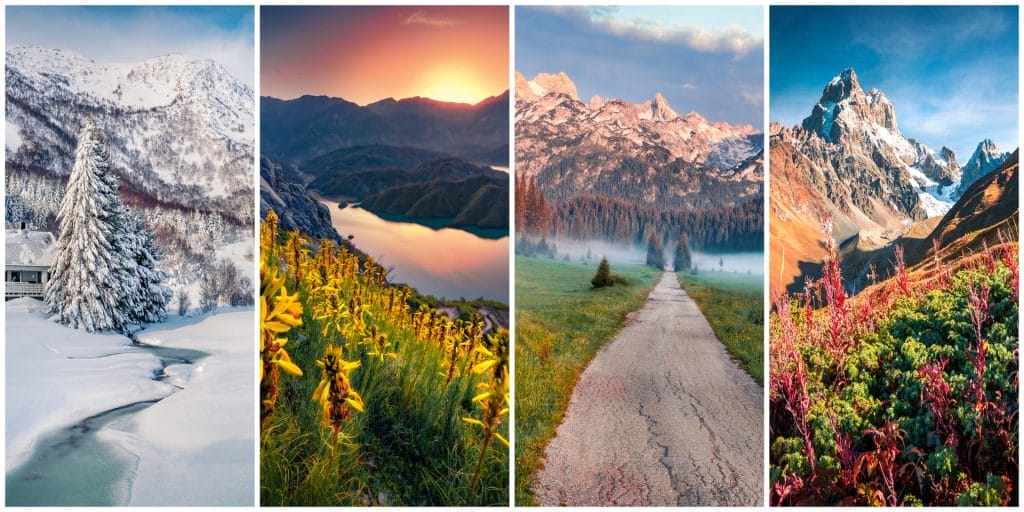
Four seasons in Albania—each tells a different story.
Winter (December-February): Empty Streets, Closed Beaches
Let me be upfront: winter Albania isn’t for everyone.
Temperature: 5-12°C (41-54°F) coast, -5 to 5°C (23-41°F) mountains Rain: Heavy—10-13 rainy days monthly, especially December Snow: Significant in northern mountains Tourist density: Nearly nonexistent What’s closed: Most of the Albanian Riviera
The winter reality
The coast largely shuts down. Not quiet—shut down. Restaurants board up, hotels close until April, beach bars don’t exist. Saranda and Himara stay open (they’re real towns), but your restaurant options shrink from fifty to maybe eight.
Tirana, Berat, Gjirokaster—the cities function normally. Museums operate, restaurants stay open. If you’re doing a cultural trip focused on UNESCO sites, winter works. Just bring rain gear and accept wet feet occasionally.
What actually costs in winter
This is where winter gets interesting if you’re cheap.
Accommodation:
- Budget hotels in Tirana: €25-35/night (vs. €50-70 summer)
- Mid-range city hotels: €40-70/night (vs. €80-150 summer)
- Coastal towns: Many closed; open ones run €30-50/night
Food: Stays consistent—byrek €1-2, restaurant meal €10-15/person
Transport: Rental cars drop to €20-30/day (vs. €40-55 summer)
Mountain access
This is critical: the northern Albanian Alps become largely inaccessible.
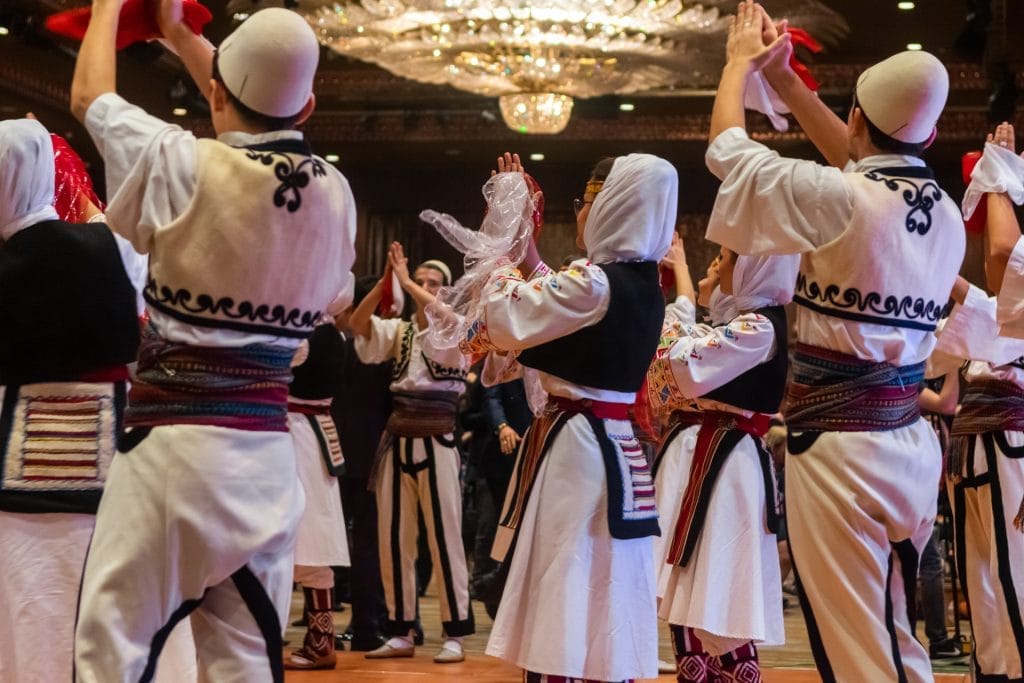
Albanian folklore dance team.
Completely closed December-April/May:
- Road to Theth (closes early December, opens late April at earliest)
- Upper Valbona Valley roads
- Most high-elevation guesthouses
Limited access:
- Lower Valbona (accessible but needs 4WD in snow)
- Boga Alpine Resort area (maintains roads for skiing)
If you’re imagining winter hiking in the Alps, adjust expectations. You’re looking at proper mountaineering—snow, ice, real avalanche risk.
What winter is good for
Skiing: Albania has a few ski resorts—nothing fancy. Boga in the north is most developed. Dajti Mountain near Tirana has limited skiing but decent winter hiking.
Empty cities: Want to photograph Berat or Gjirokaster without tourists? Winter delivers. December through February, you get Ottoman streets to yourself.
Rock-bottom prices: Winter hotel rates drop 40-60%. Tirana hotels charging €80-100 in summer? Try €35-50 in January.
Pro tip for winter travelers
Focus on cities and UNESCO sites. Plan around Tirana, Berat, Gjirokaster, Durres. Skip the coast entirely.
Check heating before booking. Not all Albanian buildings heat reliably. Read reviews specifically mentioning winter stays.
Pack for wet, not just cold. Western Albania gets genuinely soggy December-February. Waterproof boots, rain jacket, layers that dry quickly.
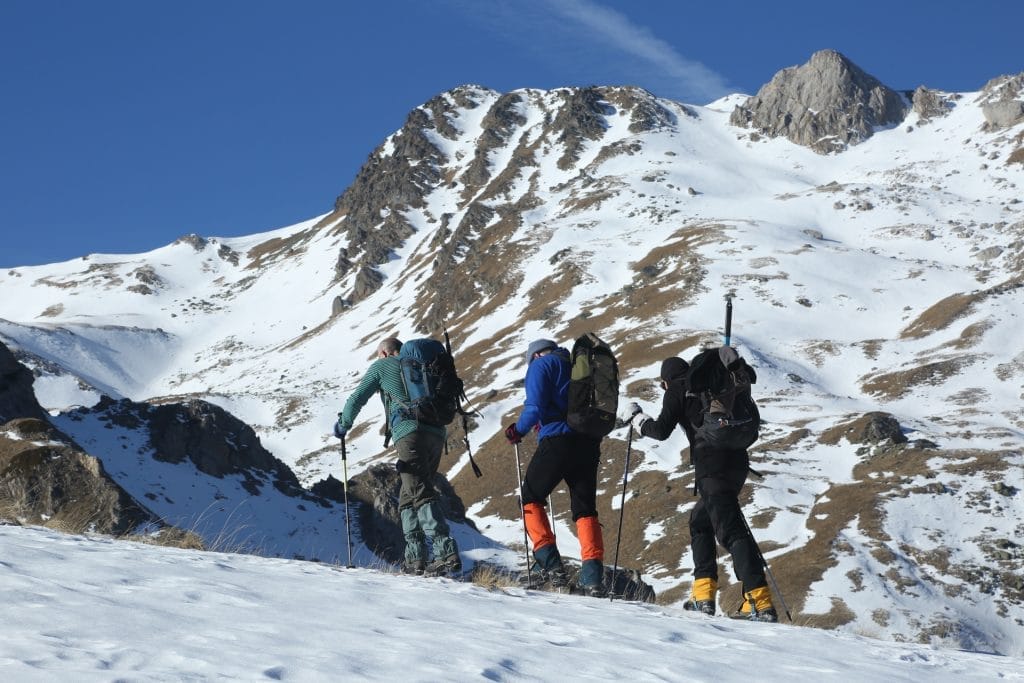
Winter climbing in the Albanian Alps—serious mountaineering territory.
Spring (March-May): The Sweet Spot (With Complications)
This is when I visit.
Temperature: 15-26°C (59-79°F), warming throughout Rain: Moderate in March-April (8-10 days), decreasing by May Tourist density: Light in March-April, building through May Costs: 30-40% less than summer peak
Why spring isn’t one season
People say “spring” like it’s uniform. It’s not. March Albania and May Albania are different countries.
Early Spring (March-April): Wildflower season in the mountains. Hills around Berat and Gjirokaster explode with plum blossoms, cherry blossoms, wild poppies. Temperature averages 15-20°C (59-68°F)—perfect for walking cities, too cool for beach camping.
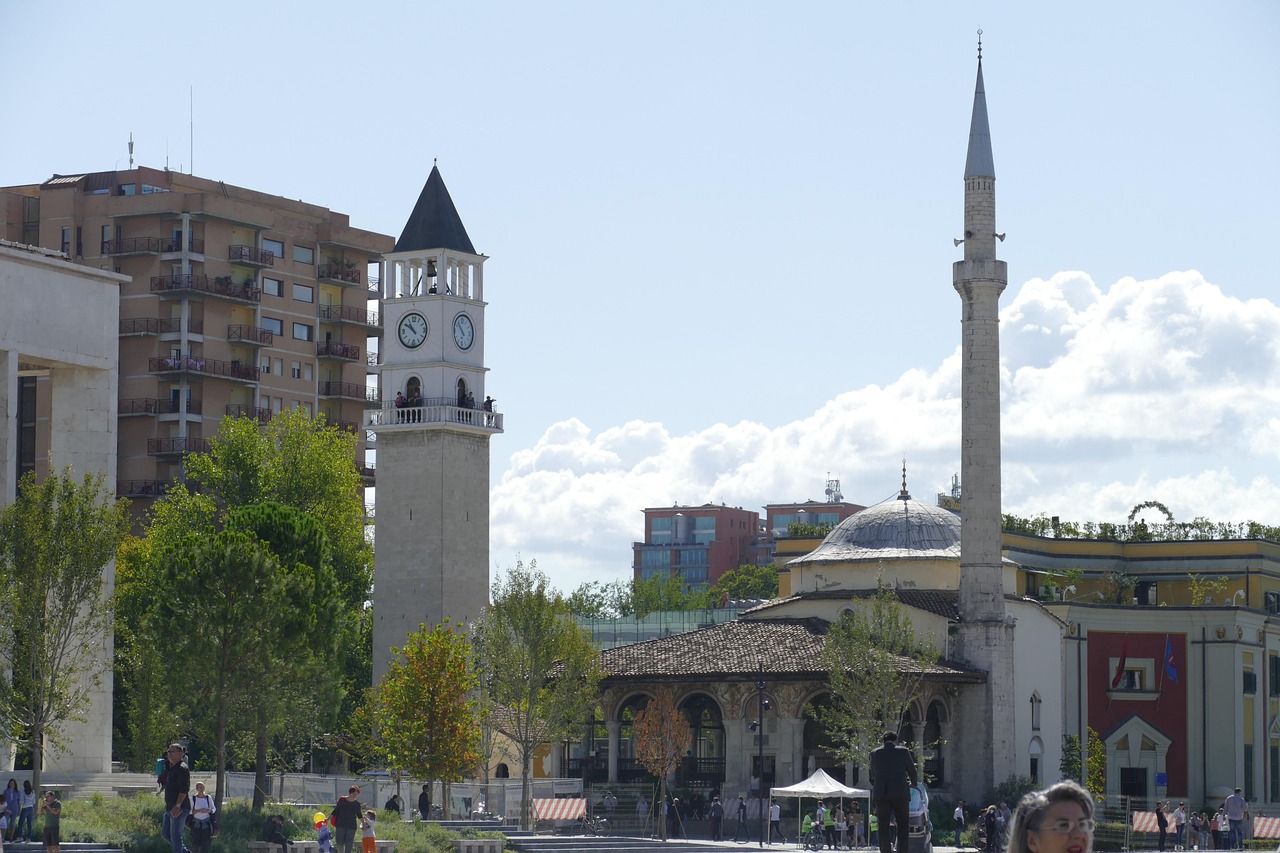
View over Tirana, Albania
The complication: Albanian Alps aren’t accessible yet. Road to Theth closes December-May. Some years it doesn’t open until late May or early June. Valbona is worse; high passes stay snow-covered into early June.
Late Spring (May): This is it. Temperature hits 22-26°C (72-79°F), sea warms enough for swimming (19-21°C), tourist numbers stay manageable. A 3-star hotel in Saranda costing €110 in August? You’ll pay €45-60 in May.
What spring actually costs
Real numbers from 2024:
Accommodation:
- 3-star Saranda hotel: €50/night (vs. €110 August)
- Budget hotels: €30-45/night (vs. €50-70 summer)
- Albanian Alps guesthouses: €25-35/night (when open)
Activities:
- Rental car (compact): €25/day (vs. €45-55 peak)
- Beach umbrella & chairs: €10/day (vs. €30-50 Ksamil August)
- Restaurant meal: €10-15/person (same as always)
Spring doesn’t discount food much (Albanians eat regardless), but accommodation takes a serious dive. You’ll save €50-80/day on lodging for a couple.
What’s open, what’s not
Fully open by late April:
- All major cities (Tirana, Durres, Berat, Gjirokaster, Shkoder)
- Southern coastal towns (Saranda, Ksamil, Himara)
- Archaeological sites
- Most restaurants in tourist areas
Limited or closed in March/early April:
- Mountain guesthouses in Alps (many open mid-May)
- Some beach clubs (open late May)
- High-elevation hiking trails (snow/mud)
- Some hostels in smaller towns
Pro tip for spring
Late May is the actual sweet spot. You get 90% of summer weather, 40% of summer crowds, maybe 60% of summer prices. Book accommodation 3-4 weeks ahead rather than 3-4 months.
Wildflower photography: Late April-early May in the south. The hills are incredible.
Check Theth road status before booking. Call guesthouses 2-3 weeks ahead—they’ll know if the road’s open.
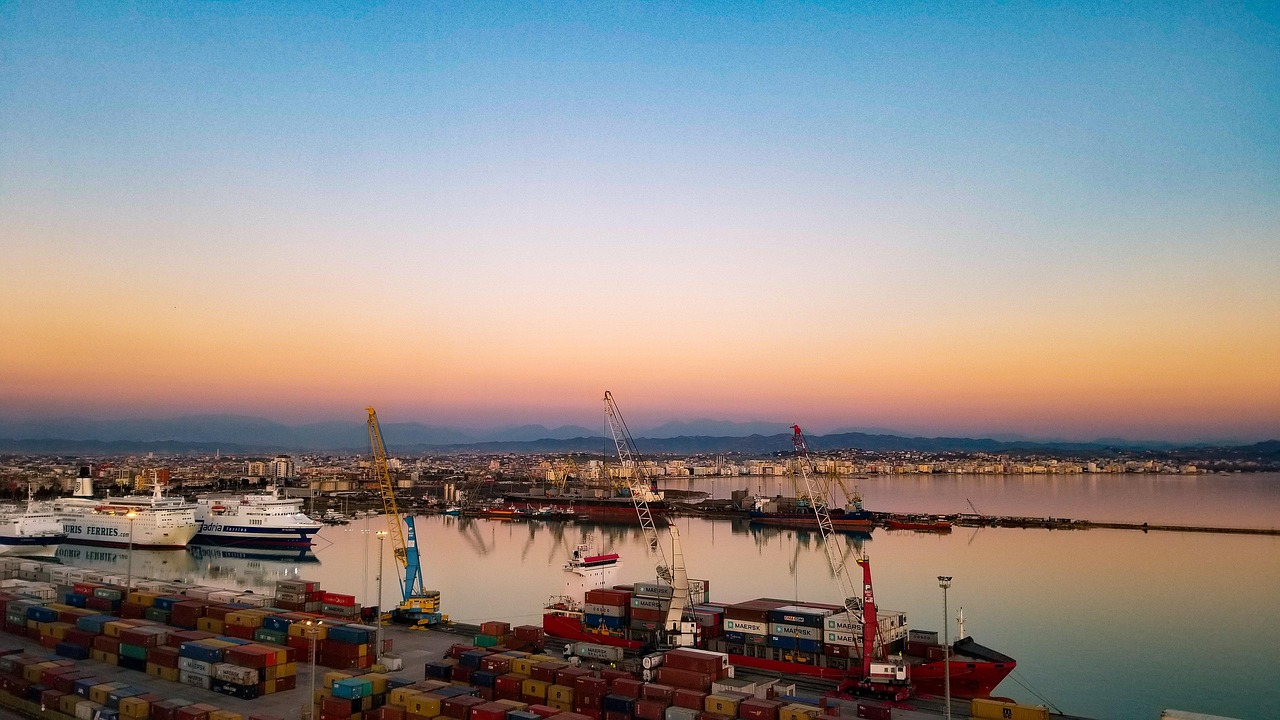
City center (old town) and the harbor of Durres, Albania.
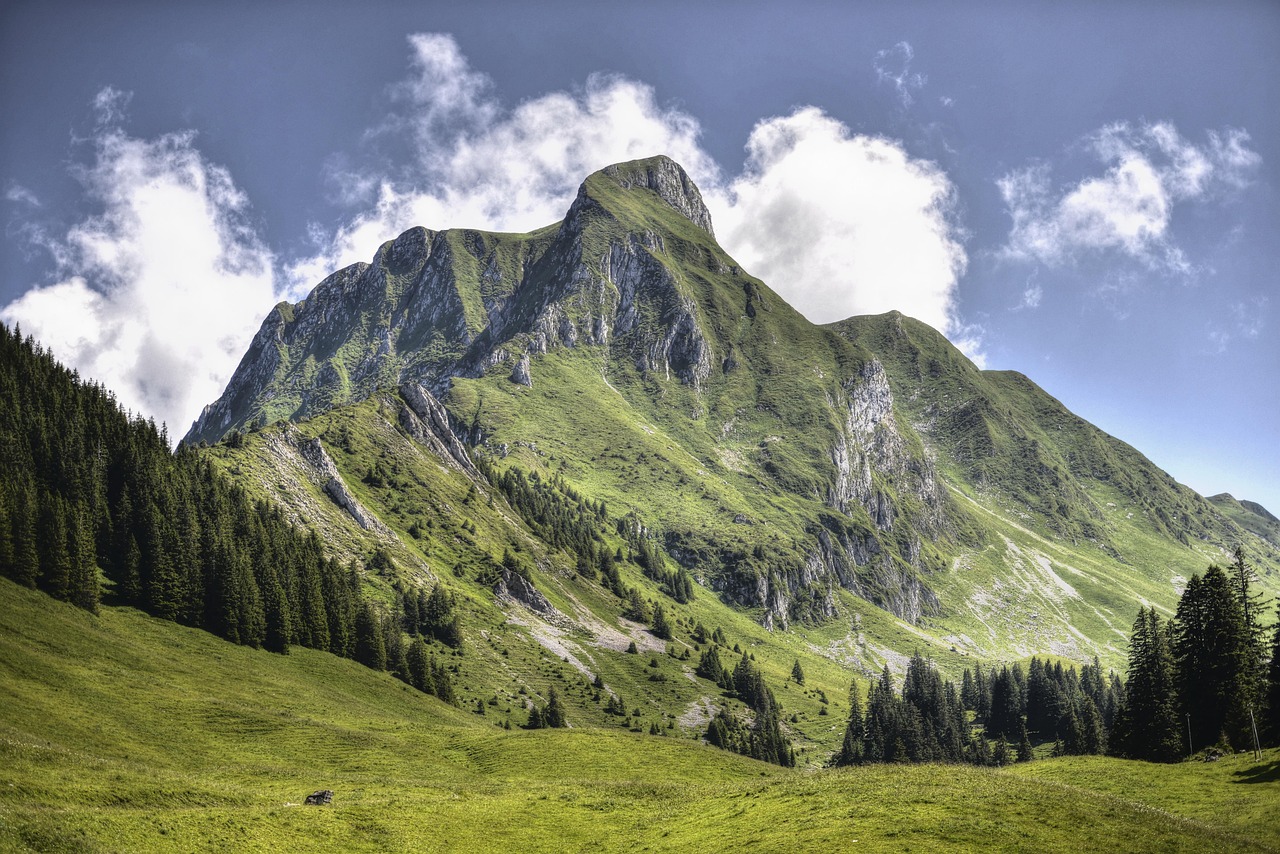
Theth in late spring—accessible again after snow melts.
Summer (June-August): Beach Season Reality Check
Let’s start with the elephant on the beach.
Temperature: 28-33°C (82-91°F) coast, 30°C+ (86°F+) inland Rain: Virtually none (3-5 rainy days entire season) Tourist density: Five times heavier than rest of year combined Water temperature: 24-26°C (75-79°F)—perfect swimming
What summer actually costs
This is where it gets complicated.
Accommodation:
Beach hotels in Ksamil charging €40/night in May? Expect €80-150/night July-August. Same basic 3-star place with a shower taking ten minutes to warm up. Saranda runs €70-120/night mid-range. Dhermi is €60-100/night, unless you want sea views—add €30-50.
- Budget hotels: €50-70/night
- Hostels: €25-35 private double, €12-15 dorm bed
- Mid-range coastal: €80-150/night
- Upscale: €150-300/night
Beach rentals:
Umbrella and chair rentals got ridiculous. Expect €10-20/day basic setups, but prime Ksamil or Jale spots run €30-50/day. Do the math—that’s €210-350 just to sit on the beach for a week.
Food: Stays consistent—€10-15/person mid-range meal
Transport: Rental cars hit €40-55/day for compact
The crowd situation
Blunt truth: the days of pristine Albanian beaches to yourself are over during peak season. Ksamil in August 2024 looked more like a Greek island than the “undiscovered” destination blogs promised. Beach umbrellas packed so tight you hear three conversations in three languages without moving your towel.
The Albanian Riviera from Palase to Ksamil gets absolutely mobbed July-mid-August. Traffic jams on mountain roads. Hour-long waits at popular restaurants. Finding a spot for your towel becomes strategic warfare.
What’s actually good about summer
Everything is open. Every restaurant, every beach bar, every tour, every hotel. No calling ahead—they’re operating. This matters more than you’d think.
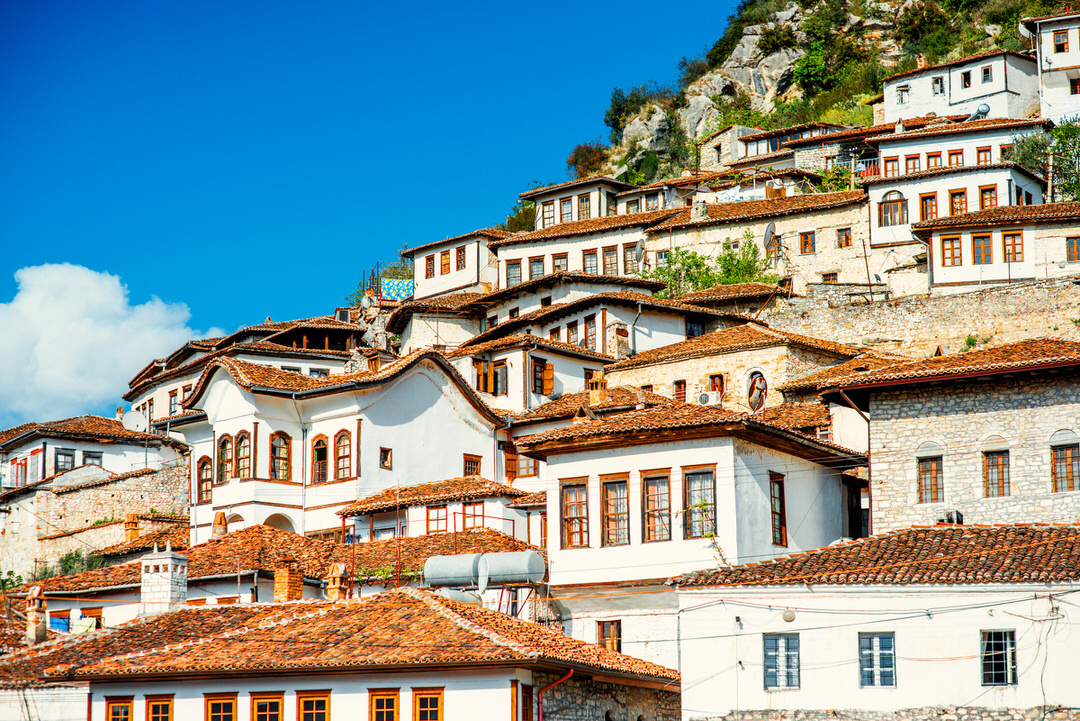
Ottoman Houses in Berat
Weather is reliable. When I say it doesn’t rain, I mean it. July 2024 saw maybe two rainy days across the country. You can book outdoor activities six weeks out with near certainty they won’t get rained out.
Water sports peak. Diving in Ksamil is genuinely world-class (clearer than some Greek spots), and all kayak/SUP/boat operations are fully staffed.
Archaeological sites stay open later. Butrint, Apollonia, the castles—they extend hours. You can visit after lunch when it’s slightly less scorching.
Pro tip for summer travelers
Book 3-4 months ahead for coastal accommodation. Not a suggestion—requirement. Good-value places sell out by May.
Skip Ksamil and Saranda entirely. Controversial, I know. Head to Borsh, Himara town (not just the beach), or Livadhi instead. Save €30-50/night and actually move your arms on the beach.
Beach time: 7-9 AM. By 11 AM August, beaches are packed and sun is brutal. Spend midday visiting mountain villages or monasteries (blissfully empty and cool).
Bring electrolyte powder. Heat is no joke, especially hiking between beaches on Riviera trail. I’ve watched too many tourists get wobbly from not replacing salt.
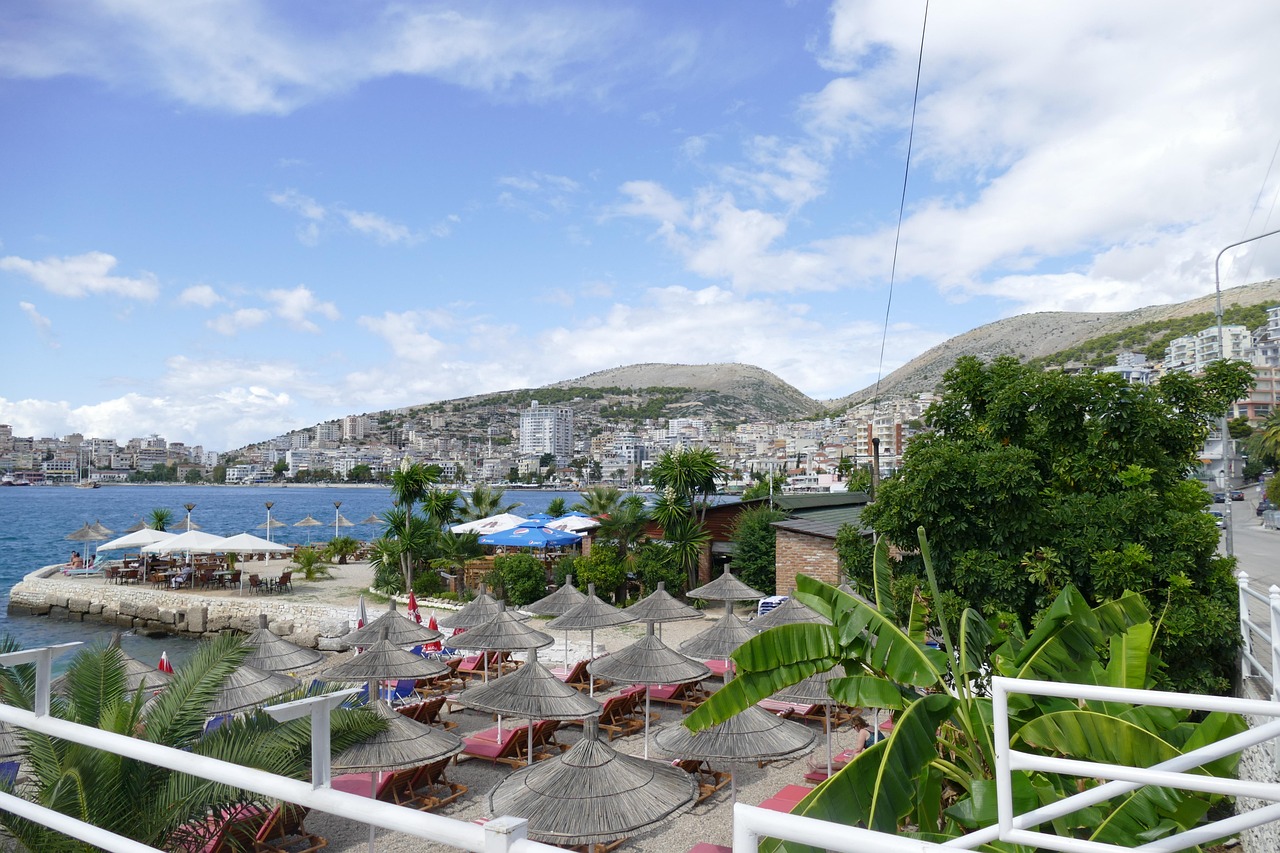
Mango Beach in Saranda—this is what mid-July looks like now.
Fall (September-October): The Insider Secret
If I could only visit Albania twice yearly, summer wouldn’t make the cut. Spring and fall would.
Temperature: 23-28°C September, dropping to 15-22°C October Rain: Increasing (5-7 days Sept, 8-10 Oct) Tourist density: Dramatically lighter after September 15 Water temperature: 22-24°C early September, 19-21°C October
Why fall works
The sea is actually warmer early September than May. Let that sink in. The Mediterranean absorbed heat all summer, so September swimming is glorious. Yet after September 15, coastal prices drop 30-50% as European families go home for school.
September weather: highs 26-28°C (79-82°F), maybe five rainy days all month, beaches that aren’t sardine tins. Hotel in Himara that was €130/night August? Now €55. Exact same room.
October is where you gamble weather. Temps drop to 15-22°C (59-72°F), you’ll see 8-10 rainy days, evenings get properly cool. But the tradeoff is dramatic—walk through Gjirokaster’s old town Saturday afternoon and have stone streets mostly to yourself.
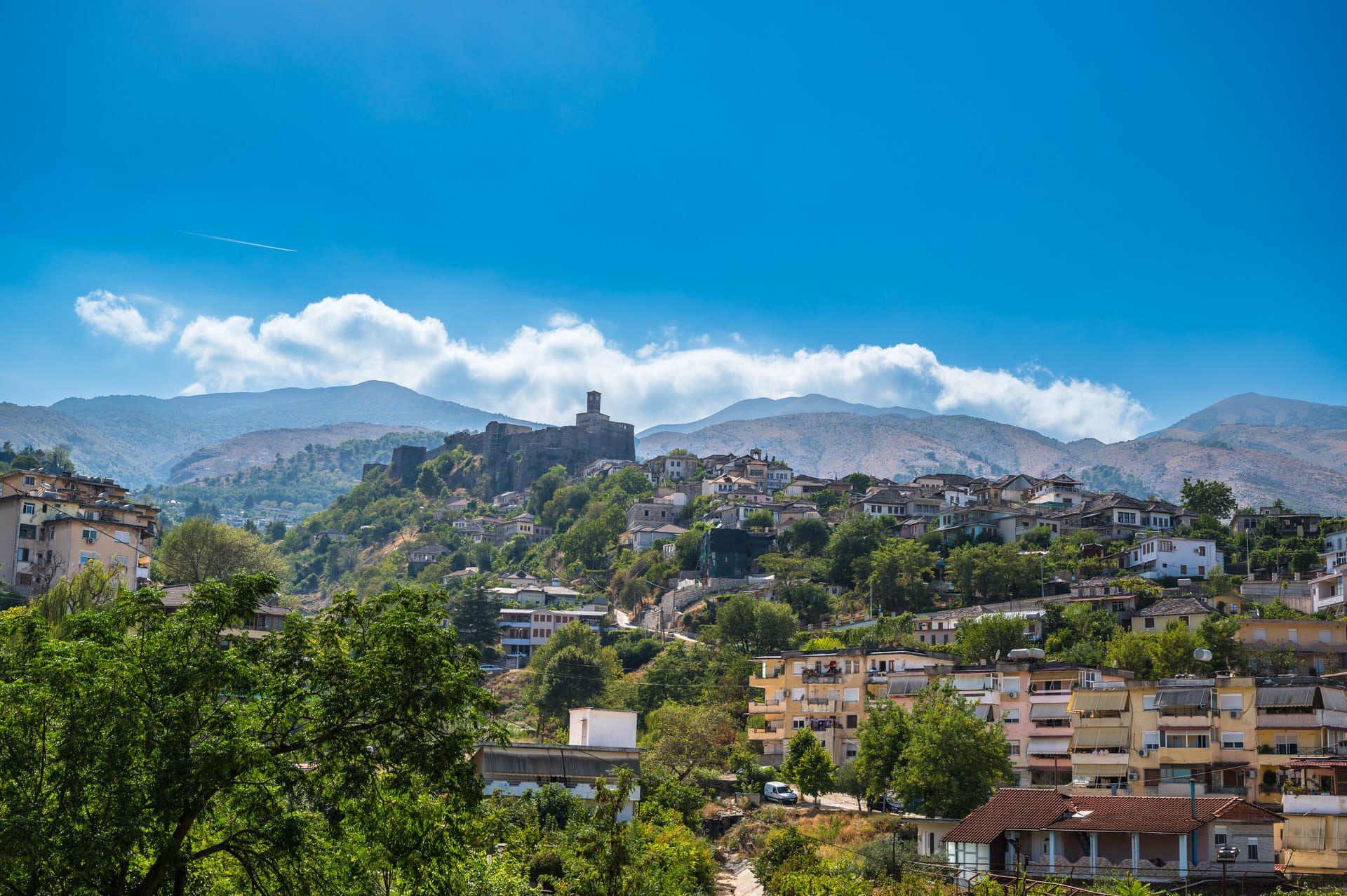
Gjirokaster old town and citadel castle.
What fall actually costs
Accommodation:
- Coastal mid-range: €50-90/night September, €40-70 October (vs. €80-150 summer)
- Budget: €30-45/night (vs. €50-70 summer)
- Cities: €40-60/night mid-range
Everything else: Similar to spring pricing
Fall activities sweet spot
This is harvest season. Albanian wine country (around Berat and Permet) comes alive with tastings, vineyards look incredible with fall colors. You can visit wineries without booking weeks ahead.
Hiking extends through October, especially south. Llogara National Park is perfect—warm enough for t-shirts, cool enough you’re not dying on uphills. Albanian Alps fully accessible, clear trails, guesthouses open through mid-October.
Cultural festivals cluster September-October. Gjirokaster’s National Folklore Festival (when it runs) happens early October. Tirana Marathon is October. Korca Beer Festival late August/early September.
What closes in fall
Mid-October onward:
- Many beach clubs and seasonal restaurants close
- Some mountain guesthouses shut for winter
- Ferry schedules to Ksamil islands reduce
- Some tour operators end season
Still fully operational:
- All cities and major towns
- Most hotels (they just have vacancy)
- All archaeological sites and museums
- Restaurants in population centers
Pro tip for fall travelers
Early September (before the 15th) if you want beaches with summer weather minus summer insanity.
Late September-early October if you prioritize culture, hiking, wine over beach. Save serious money, see Albania without peak-season filter.
Skip November. Weather turns legitimately rainy (10-13 rainy days), temps drop to 10-15°C, half coastal infrastructure hibernates. There’s a reason it’s the cheapest month.
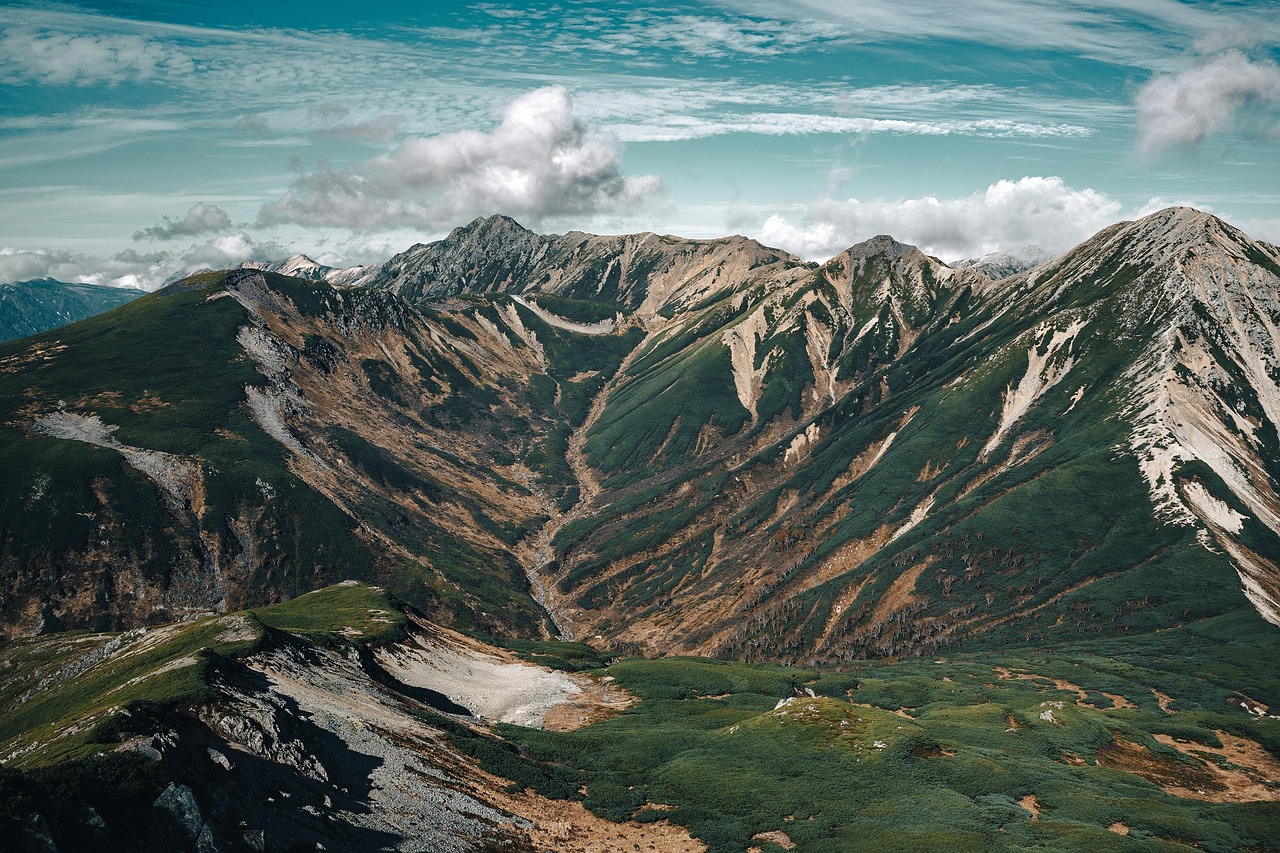
Theth National Park in October—autumn colors before snow.
Money & Budgeting: What Things Actually Cost
Since we’re being honest about timing, let’s be honest about money.
Albania is still cheaper than Western Europe, but the gap narrows fast—especially summer. Here’s what you’re realistically looking at 2025:
Daily budgets by season
Budget traveler:
- Summer: €60-80/day (hostel, street food, public transport, free activities)
- Shoulder: €40-60/day
- Winter: €35-50/day
Mid-range traveler:
- Summer: €120-180/day (hotel, restaurants, rental car, some tours)
- Shoulder: €80-120/day
- Winter: €60-90/day
Comfortable:
- Summer: €200-300/day (nice hotels, good meals, activities, car)
- Shoulder: €140-200/day
- Winter: €100-150/day
What stays cheap year-round
Food pricing remains fairly consistent:
- Byrek breakfast: €1-2
- Mid-range lunch: €8-12/person
- Nice dinner with wine: €15-25/person
- Street food (qofte, giros): €3-5
- Coffee/beer: €1-2.50
Archaeological sites don’t fluctuate:
- Major sites (Butrint, Apollonia): €5-10
- Castles and museums: €2-5
Booking Timeline: When to Actually Reserve
This isn’t the same answer for every season.
Summer (June-August): Book 3-4 months ahead for coastal accommodation. Seriously. Good-value spots in Saranda, Ksamil, Dhermi, Himara sell out by April for July-August. You can find something last-minute, but you’ll pay premium for whatever’s left.
Cities (Tirana, Berat, Gjirokaster) more flexible—6-8 weeks ahead works.
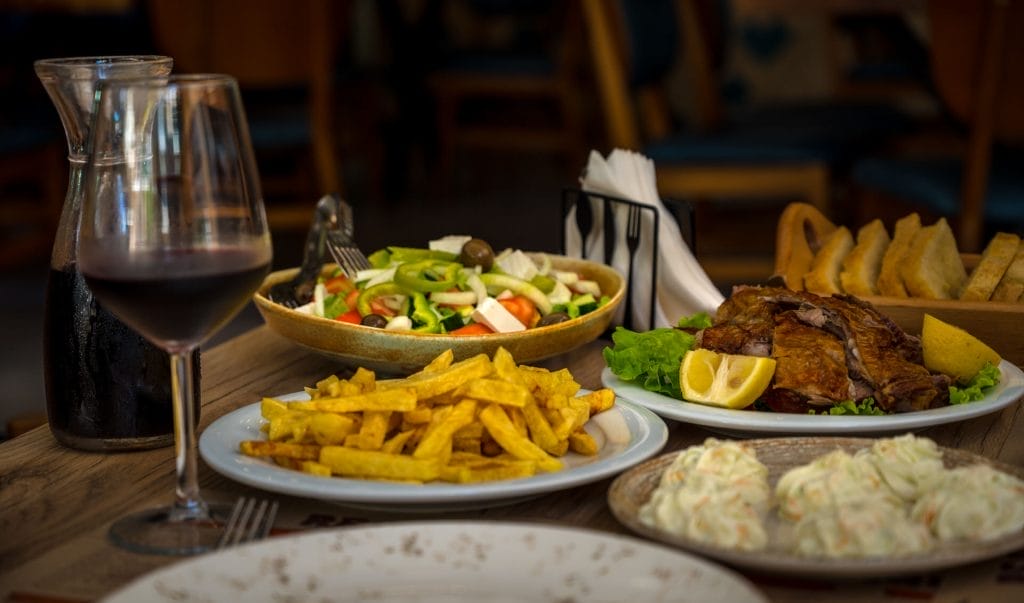
Traditional Albanian cuisine, baked lamb with salad, tzatziki, and potatoes.
Shoulder seasons (May, September, early October): 3-4 weeks ahead is plenty. Sometimes less. I’ve booked great Saranda places two weeks out late September. Panic booking doesn’t apply.
Off-season (November-March): Often book week-of in cities. Though honestly, advance booking helps ensure places are actually open and expecting you.
Albanian Alps (Theth, Valbona): Book 6-8 weeks ahead for summer (June-September). Guesthouse capacity is limited, popular places fill up.
Festival Calendar: Events Worth Planning Around
Albanian festivals aren’t just tourist entertainment—they’re actual cultural events locals attend.
Music festivals
Kala Festival (June 4-11, 2025, Dhermi) - Electronic music festival on Riviera. If you like techno and beach parties, this is your scene. If you hate loud bass at 3 AM, avoid Dhermi this week.
UNUM Festival (June 5-10, 2025, Shengjin) - Five days electronic music. Similar vibe to Kala, different location.
Turtle Fest (late July/early August, Dhermi) - Backpacker-oriented music festival. More relaxed than Kala.
Traditional festivals
Summer Day (Dita e Verës) (March 14) - Albanian spring celebration with traditional foods, outdoor gatherings.
Nowruz (March 21) - Persian New Year marking spring. Big in Bektashi communities.
Gjirokaster National Folklore Festival (every 5 years, typically early October) - The real deal. Traditional Albanian music, dance, crafts. Next one is 2025, likely October.
Korca Beer Festival (mid-August) - One of Albania’s biggest public festivals. If you like beer and Albanian culture, worth the inland trip.
Wine Harvest Festivals (September-October, Berat region) - Multiple small festivals celebrating grape harvest. Less touristy, more authentic.
Sports
Tirana Marathon (October) - Beautiful, challenging course through city and hills.
Pro tip on festivals
Don’t plan your entire trip around a festival unless it’s major international with confirmed dates. Albanian festival scheduling can be… flexible. Check official sources 2-3 months before to confirm dates and whether it’s actually happening.
What I Actually Recommend
After all that, here’s what I tell friends:
Beach focus: Late May-mid-June, or September. Warm water, good weather, you’re not fighting for sand space. Yes, some beach clubs aren’t open yet May or close early September. You’ll survive.
Hiking focus: May-October, but timing depends location. Southern Albania (Llogara, Permet): April-October works. Northern Alps (Theth, Valbona): June-September is your window. October possible but check guesthouses are open.
Culture/cities: April-June or September-October. Weather’s pleasant for walking cities, everything’s open, you’re not melting on cobblestones.
Empty Albania: November or February-March. You’ll deal with rain and cold, but see the country without tourist infrastructure between you and authentic Albanian life. Not comfortable, but real.
Tight budget: Shoulder seasons (May, September, October) give best value-to-experience ratio. Save 30-50% accommodation without sacrificing much weather or accessibility.
What I’d skip: Peak July-August unless deeply committed to beach life or don’t mind crowds and premium prices. Mid-November through January unless you have specific winter/skiing plans.
Frequently Asked Questions
What is the cheapest time to visit Albania?
November is absolute cheapest—hotel rates drop 50-60%, serious flight deals. But there’s a reason: 10-13 rainy days, half coastal infrastructure closed, genuinely gloomy.
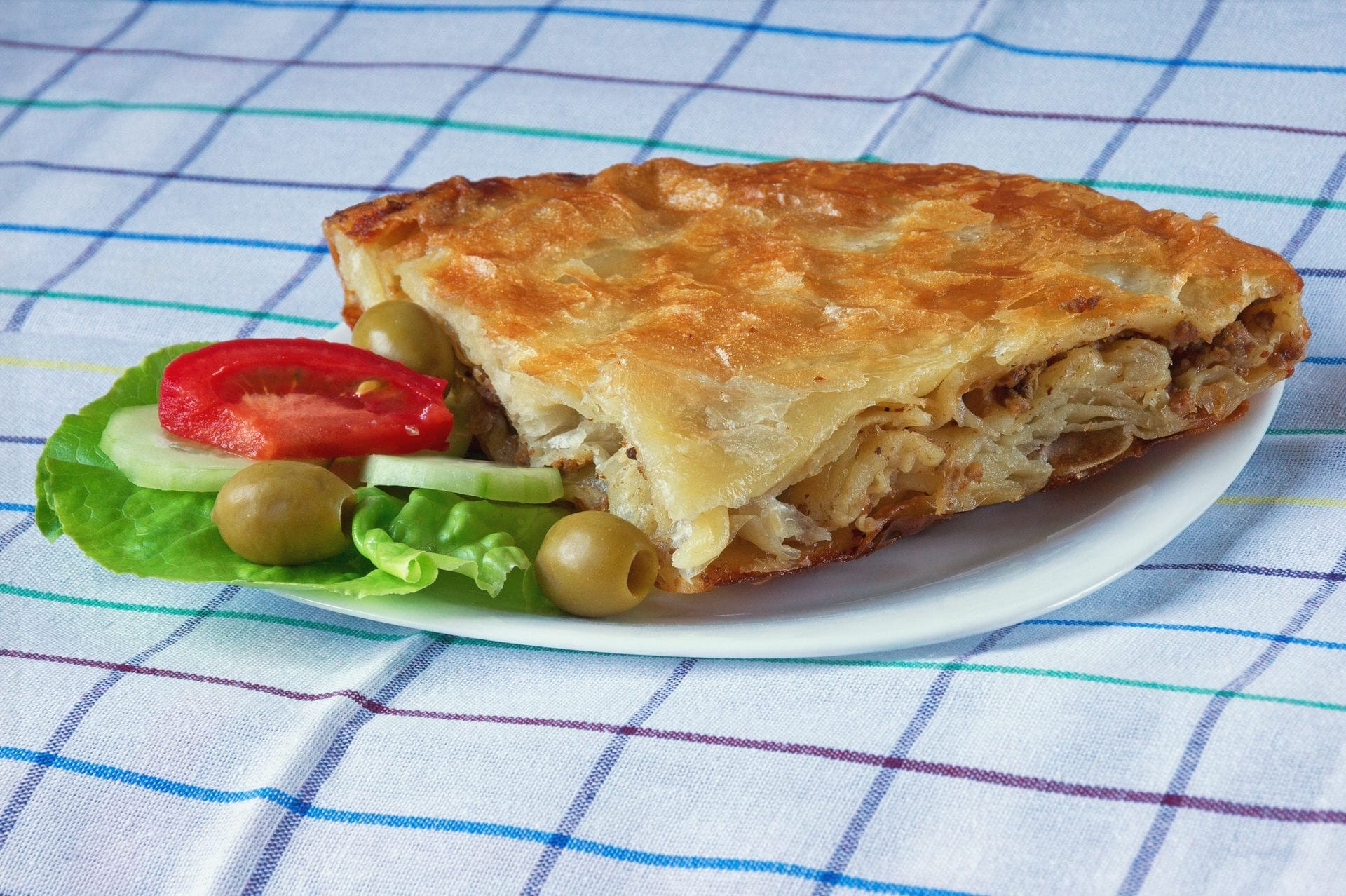
Byrek with meat – a national dish popular in Albania and the Balkans
Better answer for “cheap but enjoyable” is late October or late March-early April. Get off-season pricing (40-50% less than peak) while weather’s tolerable and most things remain open.
When are crowds worst?
July 15-August 20 is peak insanity. Ksamil, Saranda, Dhermi, Himara get absolutely mobbed. Traffic jams, hour waits at restaurants, packed beaches.
Early June and early September have manageable crowds. Late May is lovely—still relatively empty.
Do things actually close off-season?
Yes. The Albanian Riviera largely shuts November-April. Many restaurants board up, hotels close, beach infrastructure doesn’t exist.
Cities stay open year-round—Tirana, Berat, Gjirokaster function normally. Museums operate, restaurants stay open.
Albanian Alps: Road to Theth closes December-late April/early May. Many mountain guesthouses close November-April.
Can I swim year-round?
Technically yes, but why? Water drops to 14-16°C (57-61°F) winter. Comfortable swimming is May-October, with September often warmer than May.
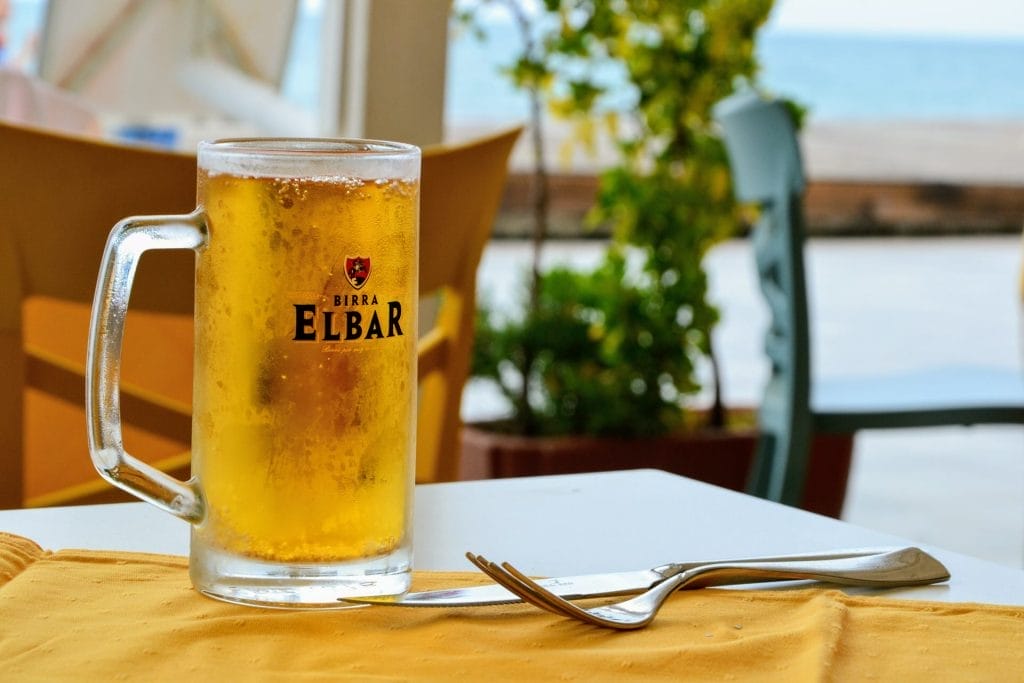
Birra Elbar, a local favorite in Albania
Is Albania cheaper than Greece or Croatia?
Yes, but gap’s shrinking. Summer 2024, Albanian Riviera hotels ran 20-30% cheaper than comparable Greek islands or Croatian coast. Food consistently cheaper—€12-15 full meal Albania vs €18-25 Greece/Croatia.
But July-August places like Ksamil? Prices creep toward Greek levels while infrastructure hasn’t caught up.
What should I pack for spring/fall?
Layers. Cannot stress enough—April mornings 12°C, afternoons 24°C. Pack:
- Light waterproof jacket (rain happens)
- One warm layer (fleece or light down)
- T-shirts and long-sleeve shirt
- Comfortable walking shoes (cities are cobblestone)
- Sunscreen and hat (sun’s strong even April)
- Small umbrella
For fall, add warmer layers into October.
Can I visit Albanian Alps in spring?
Yes, but timing matters critically. Road to Theth typically opens late April-early May depending on snow. Valbona accessible year-round to lower valley, but high passes don’t clear until May-June.
Don’t book Theth for April without confirming road’s actually open. Check with guesthouses directly 2-3 weeks before trip.
How many days do I need?
Beach-focused: 5-7 days minimum. Want time to actually relax, not just drive between beaches.
Cultural highlights (Tirana, Berat, Gjirokaster): 7-10 days gives breathing room.
Albanian Alps hiking: Add 3-5 days minimum, more for multi-day treks.
Comprehensive (coast + culture + mountains): 14 days ideal. Could squeeze into 10 but you’ll be rushing.
I’ve done week-long and three-week trips. Three weeks felt right. Week felt like constantly packing.
Is Albania worth visiting in winter?
Only if specifically interested in:
- Empty UNESCO towns (Berat, Gjirokaster)
- Skiing at Albanian resorts
- Serious winter mountaineering
- Experiencing Albania without tourist infrastructure
If you want beaches, coastal towns, accessible mountain hiking, winter is objectively wrong season. But if you want to see how Albanians actually live without summer tourism overlay, winter delivers.
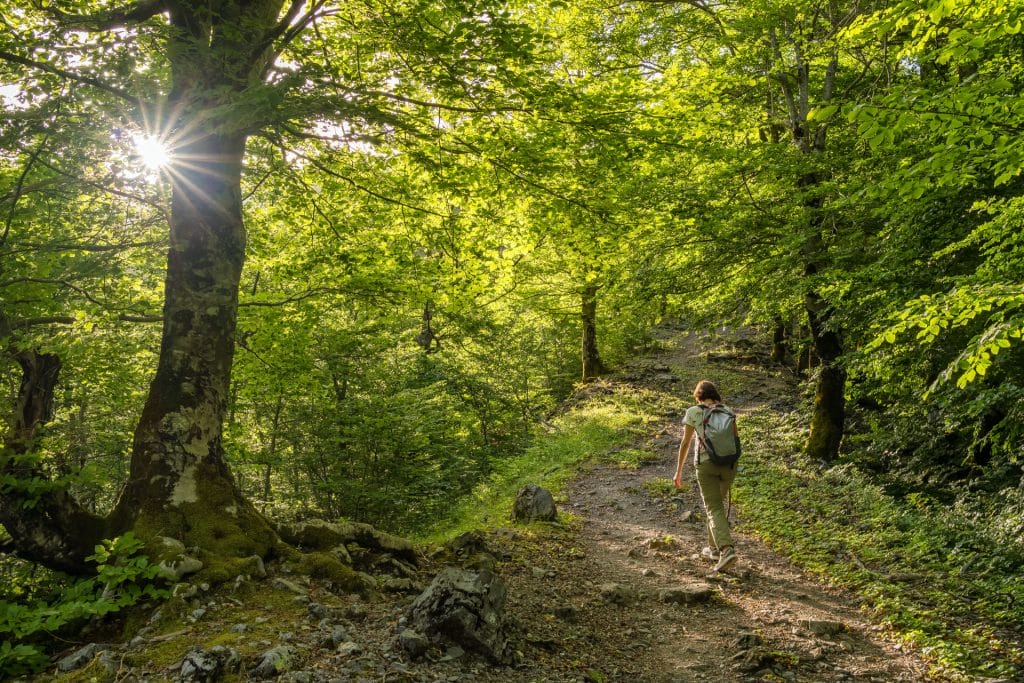
Backpack hiking from Theth to Valbona village in the Accursed Mountains of Northern Albania
What about health requirements?
As of late 2024, Albania dropped most COVID entry requirements. Don’t need vaccination proof or tests. Check current entry requirements before travel—policies can change.
Standard travel health insurance always smart, especially if hiking or doing adventure activities.
Do archaeological sites close seasonally?
Rarely. Major sites like Butrint, Apollonia, big castles operate year-round. Hours might reduce winter (closing 4 PM instead of 7 PM), but they don’t fully close.
Some smaller sites or museums in remote areas might close November-March. Call ahead if visiting obscure locations off-season.
What’s best season for photography?
Spring (late April-May) for wildflowers and green landscapes. Fall (late September-October) for fall colors and dramatic light. Summer gives bluest water and clearest skies but harsh midday light.
Winter can be moody and beautiful in cities, but you’ll fight rain and gray skies.
Are there mosquitoes?
Yes. Coastal areas and anywhere near water get mosquitoes summer-early fall. Peak July-August. Bring repellent if sensitive. Annoying but not malarial.
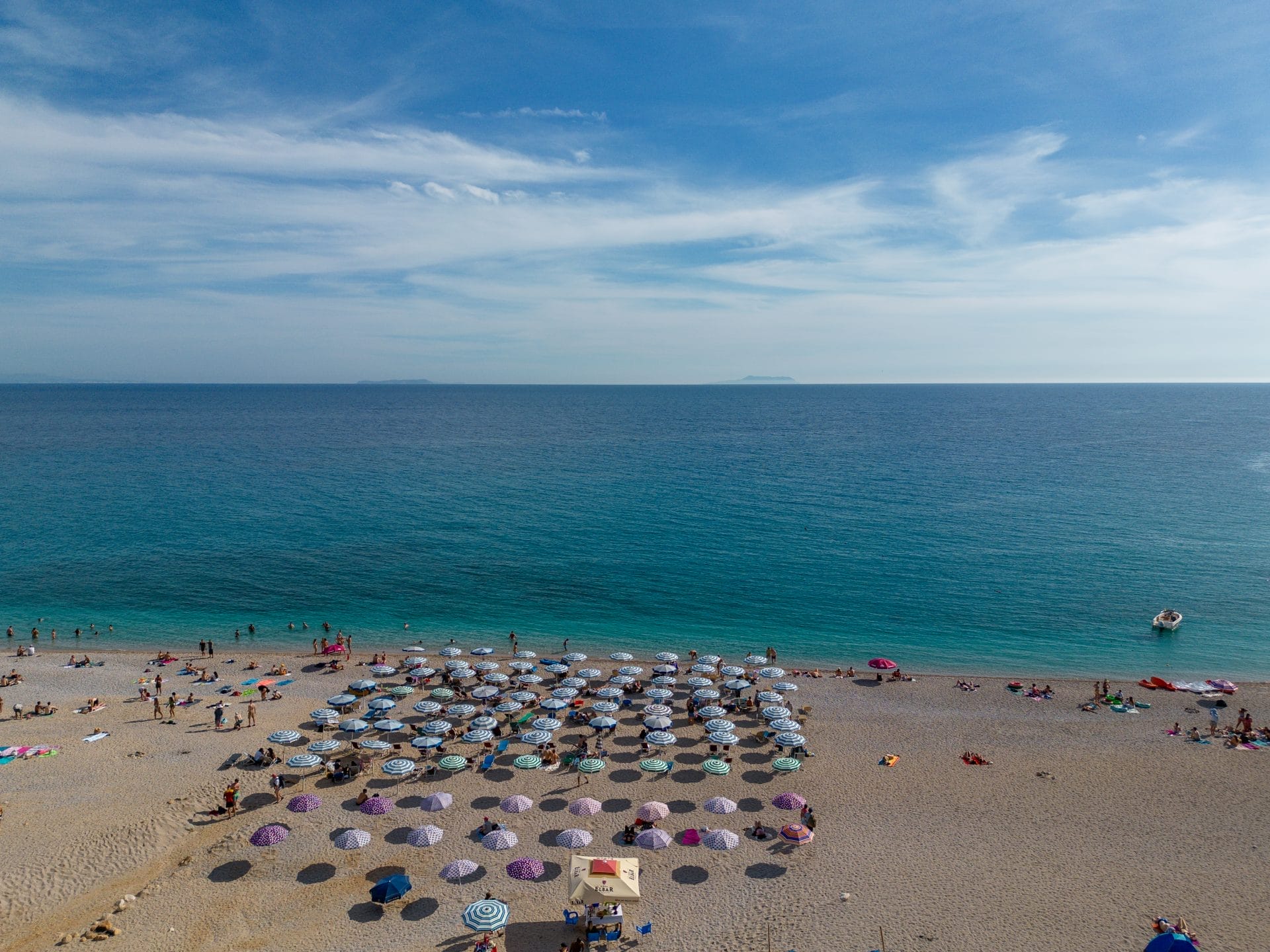
Gjipe Beach on the Albanian Riviera
Mountain areas and cities generally fine.
Should I rent a car? Does season matter?
Summer: Can get by with buses and furgons between major tourist towns. Run frequently.
Shoulder: Still doable, but routes reduce frequency. Car gives flexibility.
Winter: Public transport between small towns sporadic or nonexistent. For anything beyond main cities, rent car.
Albanian Alps any season: Yes, rent car. Public transport limited even peak season.
What if it rains during my trip?
Albania isn’t great at rainy-day backup plans. Most sights are outdoor archaeological sites or mountain scenery. In cities (Tirana, Berat, Gjirokaster), visit museums, wander covered bazaars. On coast? Mostly wait it out in café.
That’s why I emphasize shoulder seasons—lower rain probability than off-season, better pricing than peak summer.
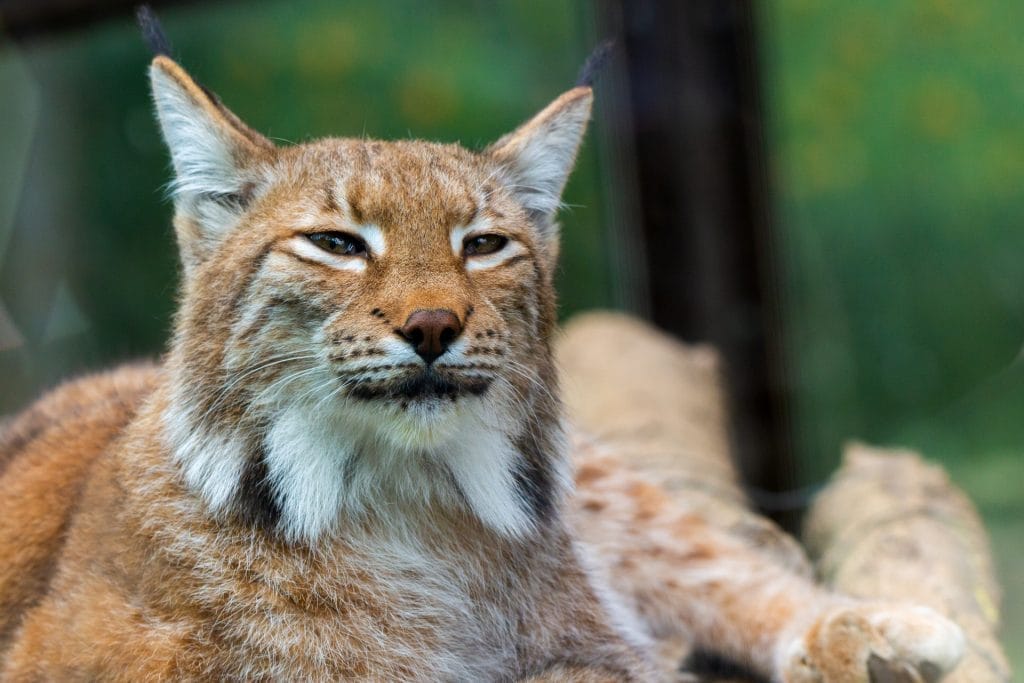
The Eurasian Lynx is found in Albania, Kosovo, and western North Macedonia.
Will I need cash?
Yes. Carry cash especially outside Tirana and major tourist zones. ATMs work fine, but small villages and mountain guesthouses cash-only year-round.
Cards work in cities, hotels, supermarkets, many restaurants. But always have cash backup.
Quick Recap
There’s no perfect time to visit Albania because Albania has changed.
The uncrowded paradise with €20 hotels and empty beaches? That was 2015-2019. It existed and was wonderful. But 11.7 million visitors in 2024 fundamentally altered the equation. Summer is crowded and increasingly expensive. Winter is cheap but limiting. Spring and fall are the compromise most travelers should take.
My move? I visit late May or late September. Good weather without peak chaos, reasonable prices without total shoulder-season compromise, Albania feels more like itself rather than a tourist destination performing for visitors.
Whatever you choose, book smart, adjust expectations, remember that Albania’s strength isn’t pristine emptiness anymore—it’s dramatic landscapes, layered history, genuine warmth from people who haven’t yet developed transactional coldness you see in over-touristed Mediterranean spots.
That warmth survives in every season. Just bring the right jacket for it.
Rrugë të mbarë - Safe travels!