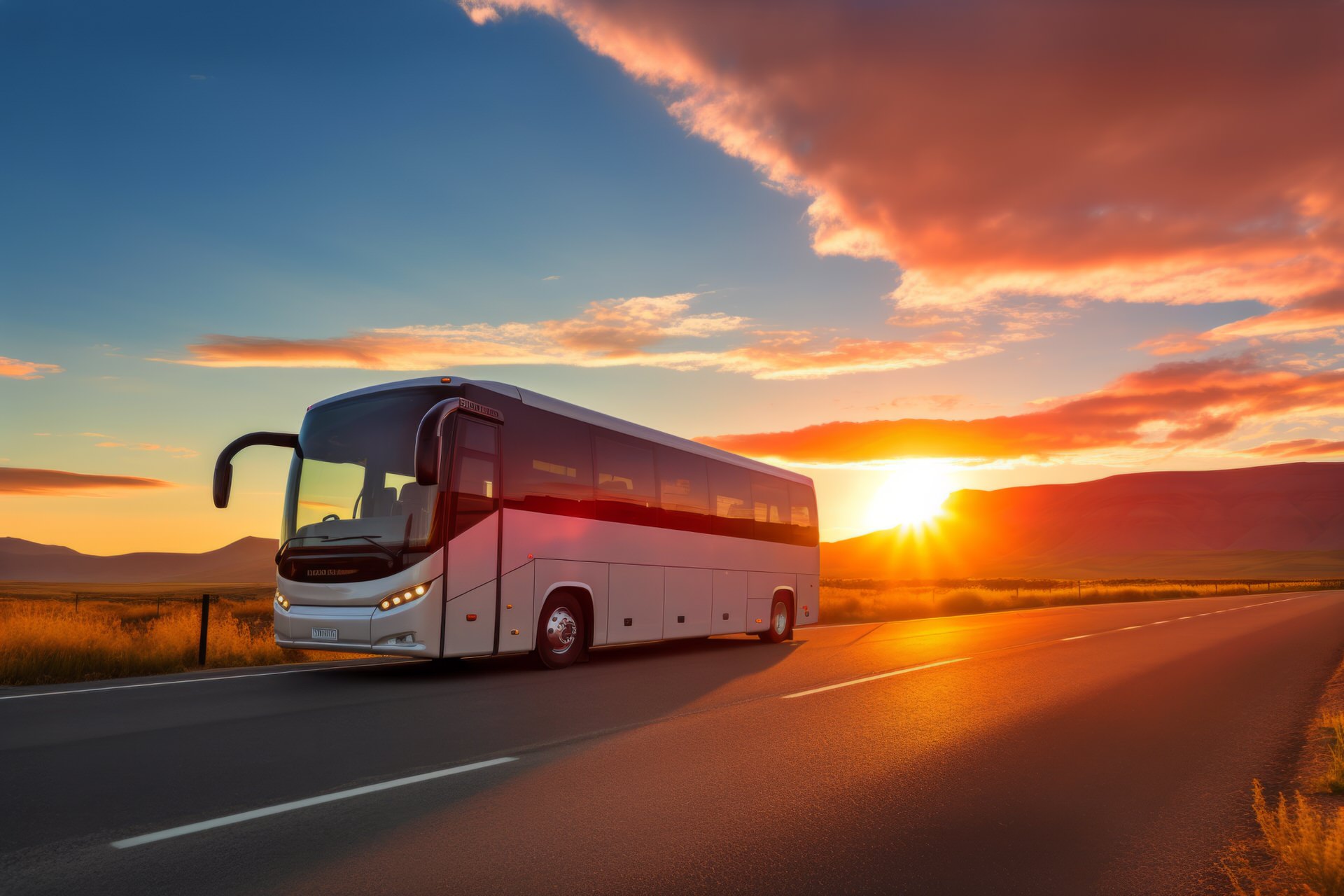
The Tirana to Gjirokastër bus takes 3-3.5 hours and costs €12. Eleven buses depart daily, with mid-morning departures (10-11AM) offering the best balance—you avoid pre-dawn terminal confusion and arrive in Gjirokastër by 2PM with full daylight for exploring.
The journey covers 227km of mountain roads with dramatic switchbacks and valley views. Expect a basic bus with no assigned seating, inconsistent AC, and spectacular scenery as you wind through southern Albania to this UNESCO World Heritage town of Ottoman stone houses.
Cost Comparison: Bus, Taxi, or Rental Car
Your transport options from Tirana to Gjirokastër:
Bus: €12, 3-3.5 hours. Budget option but finding your bus among competing companies at the terminal takes effort, and departure times can shift. Bus drops you in lower town—walking to old town with luggage up cobblestone hills isn’t fun.
Private Transfer: €120-150, 2.5-3 hours. Direct to your guesthouse door (important in Gjirokastër’s steep old town), no terminal confusion, driver speaks English. Groups of 3-4 splitting costs pay only slightly more per person than the bus — book a private transfer
Rental Car: €35-40/day + fuel (€25), 3 hours. Freedom to visit Tepelenë en route, explore Gjirokastër at your own pace, drive to nearby villages and sites. Mountain switchbacks require confident driving but roads are decent — compare rental car prices
Solo budget travelers take the bus. Groups and families often prefer transfers. Travelers planning to explore beyond Gjirokastër benefit most from a rental car.
Finding the Terminal
Tirana’s South & North Terminal is genuinely confusing—travelers consistently describe it as “one of the most chaotic places in the whole country.” It’s a sprawling parking lot with competing bus companies, hand-written cardboard signs, minimal English, and poor announcements. Even finding which section serves Gjirokastër takes effort.
Location: Rruga e Kavajës, about 2km south of Skanderbeg Square Getting there: Taxi from city center: €3-5 / 10 minutes
Finding your bus: Look for offices with “Gjirokastër” written on cardboard—multiple companies operate from different spots. Don’t trust anyone who just shouts “South!” (could mean Vlorë, Sarandë, or anywhere). Drivers rarely speak English. Ask multiple people—terminal staff, other travelers, ticket sellers. Confirm exact departure spot when buying tickets.
Arrive 30-40 minutes early. Budget time for confusion—Google Maps doesn’t help inside the terminal, and the chaos is real.
How to Book
You have three booking options:
Option 1: Book Online (Recommended for Guaranteed Seat)
Check live prices and availability →
Click through to see all 11 daily departures for your dates. Multiple bus companies run this route—compare their schedules and book the timing that works.
What you get:
- Real-time availability across 11 daily buses
- Compare all operators and departure times
- Choose your preferred schedule (€12)
- Pay with international card (instant confirmation)
- PDF ticket emailed immediately
- Print it (essential—many drivers won’t accept phone screens)
The 10-11AM buses fill fastest in summer. Book ahead if you want mid-morning departure with afternoon arrival in Gjirokastër.
Option 2: Buy at the Terminal (Day-of Travel)
Show up, find the Gjirokastër office, ask for next departure (“Ora sa? Gjirokastër?”), pay cash (€12). This works well in low season but gets risky June-September when buses fill up by 9AM.
Online booking guarantees your seat and lets you sleep in. Day-of booking offers flexibility if plans change.
Option 3: Bookaway (International Platform)
Book via Bookaway if you prefer an international interface with English customer support. They partner with Albanian bus companies and charge the same €12 base fare (sometimes with a small booking fee).
Advantages: Payment in your currency, English support, easier refunds Disadvantage: Still need to print tickets
Schedule & Best Departure Times
Peak season (June-September): Departures every 1-2 hours from 5AM-8PM
Off-season (October-May): 7-9 departures, usually 5AM, 7AM, 9AM, 11AM, 1PM, 3PM, 6PM (times vary by company)
Recommended departures:
- 10-11AM: Arrives Gjirokastër ~1-2PM, full afternoon to explore
- 1-2PM: Arrives ~4-5PM, check in and catch sunset from the castle
- Avoid 6PM+: Arrives after dark, harder to navigate cobblestone streets to your guesthouse
The 5AM bus fills with tour groups. Mid-morning departures offer a better balance of sleep and daylight arrival.
The Journey Hour by Hour
Hour 1 (Tirana → Lushnjë): Flat farmland on smooth highway. The AC will be either freezing or broken—dress in layers.
Hour 2 (Lushnjë → Tepelenë): You start climbing into the mountains. Roads narrow, switchbacks begin, views become dramatic. If you’re prone to motion sickness, take Dramamine before departure and sit in the front half of the bus.
Hour 2.5 (Rest Stop - Sometimes): Some buses stop for 10-15 minutes at a roadside café near Tepelenë. Bathroom conditions vary. Buy water or coffee (€1), use the facilities, get back on the bus. Not all buses stop—don’t count on it.
Hour 3 (Descent to Gjirokastër): The road winds down into the Drino Valley. You’ll see Gjirokastër spreading up the hillside—stone houses stacked like terraces with the castle on top. The view is stunning.
Arrival: The bus stops at Gjirokastër’s bus station in the lower town. From here you can walk uphill to the old town (15-20 min on cobblestones) or take a taxi (€2-3).
Onboard Amenities
Seats: Comfortable enough for 3 hours. No assigned seating—first come, first served. Arrive 15-20 minutes early if you want a right-side window seat for better mountain views.
AC: Wildly inconsistent—some buses are freezing, others sweltering. The driver controls it.
Luggage: One checked bag (stored underneath) + one carry-on included. Extra bags sometimes cost €2.
Bathrooms: Most buses don’t have them. Some routes include a rest stop, most don’t. Use the terminal bathroom before departure.
Wi-Fi: Technically available, practically useless. Download podcasts or bring a book.
Outlets: Rarely work. Charge your phone beforehand.
Snacks: Not sold onboard. Bring water and snacks or buy at the rest stop (if your bus stops).
Important Details
Terminal arrival time: Get there 20 minutes early—not for check-in (there isn’t one), but to find the right bus company, confirm departure, and claim a good seat.
Cash for luggage: Some drivers charge €2-3 for checked bags despite your ticket including luggage. Have small bills ready.
Print that ticket: If you booked online, print it. Half of travelers ignore this and buy duplicate tickets at the terminal.
Bathroom strategy: Use the terminal bathroom before boarding. If there’s a rest stop, use it even if you don’t feel the need—three hours is long.
Luggage type: Gjirokastër’s old town has steep cobblestone streets. Backpacks work better than wheeled luggage.
Common Questions
Is it safe? Yes. Albanian bus drivers navigate mountain roads aggressively, but accidents are rare. Theft is uncommon.
Do I need to speak Albanian? No. “Gjirokastër” is universally understood. Point at your printed ticket and you’ll manage.
Can I store luggage in Tirana before the bus? Most hotels offer luggage storage for guests. Hostels usually charge €1-2. The terminal has no left-luggage service.
What if I miss my bus? Buy a ticket for the next departure (usually 1-2 hours later). This is one advantage of day-of booking.
Is food included? No. If there’s a rest stop, you can buy sandwiches (€3-4) or coffee (€1). Quality varies. Bring your own if you’re particular about food.
Arrival in Gjirokastër
The bus drops you in the lower town on Rruga Shën Vasi.
From here:
To the old town: 15-20 minute uphill walk on steep cobblestones To most guesthouses: Either in old town (walk up) or lower town (5-10 min walk) To the castle: 25-30 minute walk from bus station, or €3 taxi
Gjirokastër is small enough to walk everywhere once you’re in the old town. Taxis are cheap but rarely needed unless heading to the Blue Eye (€25-30 round trip) or Përmet.
The Tirana to Gjirokastër bus is how most travelers reach this UNESCO site. The journey takes three hours on winding mountain roads with spectacular scenery. The buses are basic but functional—expect no-frills transport that gets the job done.
Bring motion sickness medication if you’re prone to it, pack snacks and water, download entertainment for offline use, and wear layers for unpredictable AC. The cobblestone streets you’ll walk tomorrow are worth the three-hour bus ride.
Safe travels (rrugë të mbarë).