The Lion of Ioannina: Birth of a Rebel
Ali Pasha of Tepelenë was born in 1740 in this small fortress town on the Vjosa River, son of a minor Ottoman official whose family had served the empire for generations while maintaining local Albanian identity. The boy who would become known as the “Lion of Ioannina,” “the Muslim Bonaparte,” and “the most formidable adversary the Ottoman Empire faced from within” spent his early years in Tepelenë learning the skills that would define his career—horsemanship, weapons, military tactics, and the ruthless political calculation necessary for survival in the fractious world of 18th-century Ottoman Albania.
By 1788, through combination of military success, political maneuvering, strategic marriages, and absolute willingness to eliminate rivals, Ali Pasha had secured appointment as Pasha of the Pashalik of Yanina (Ioannina), giving him official Ottoman authority over territory encompassing much of modern Albania, northern Greece, and southern Balkans. From his capital at Ioannina, Ali Pasha ruled semi-autonomously for over three decades, paying nominal tribute to the Sultan while building independent military force, establishing diplomatic relations with European powers, and creating effective state within the decaying Ottoman Empire.
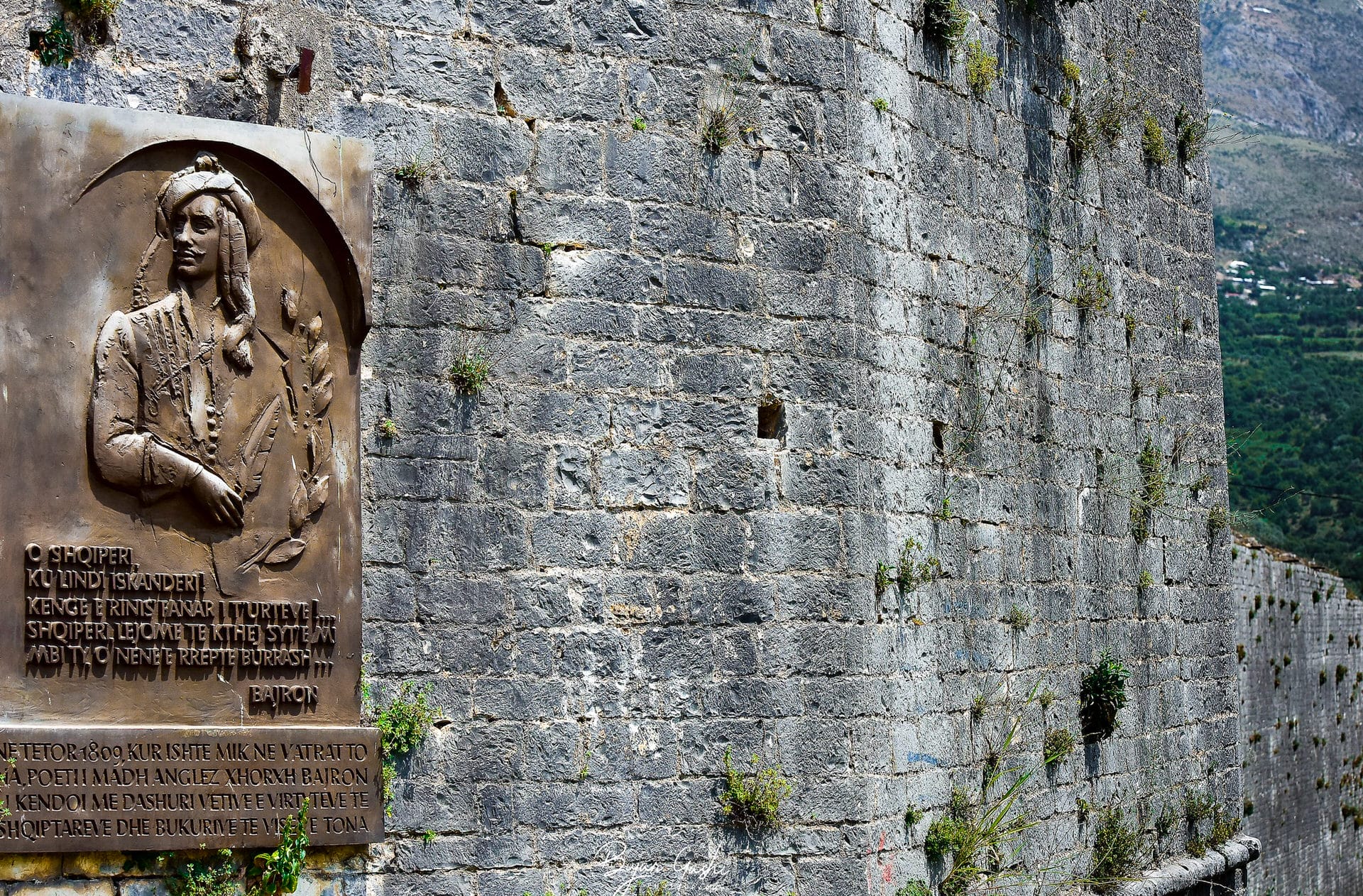
His rule was characterized by contradictions that fascinated European observers—he patronized Greek culture and learning while suppressing Greek rebellions, invited European visitors including Lord Byron (who met Ali Pasha in 1809 and wrote about him extensively) while maintaining Ottoman administrative systems, modernized his military with European advisors while enforcing traditional Balkan social hierarchies, and accumulated vast wealth through taxation and confiscation while maintaining reputation for justice and administrative efficiency.
The relationship with the Ottoman Sultan became increasingly strained as Ali Pasha’s power grew—by the 1810s, he controlled territory producing more revenue than many Ottoman provinces, commanded army of 50,000+ soldiers, maintained diplomatic correspondence with Napoleon and British representatives, and functioned as de facto independent ruler whose loyalty to the Sultan was purely nominal. In 1820, Sultan Mahmud II (who was simultaneously modernizing Ottoman administration and eliminating autonomous power centers threatening central control) declared Ali Pasha a rebel and ordered his removal.
The siege of Ioannina lasted from 1820 to 1822. Ali Pasha, by then over 80 years old, defended his fortress capital with determination born from knowing that surrender meant execution. Ottoman forces eventually breached the defenses in January 1822. On February 5, 1822, Ottoman soldiers killed Ali Pasha—accounts vary on exact circumstances, but most sources agree he was shot while attempting to negotiate or escape. His head was severed and sent to Constantinople as proof of death, displayed publicly as warning to other would-be rebels.
Tepelenë, his birthplace and the town bearing his name, remained relatively minor provincial center after his death—the power he built from this base disappeared with him. The fortress he constructed here suffered damage during subsequent conflicts, and the town never regained significance comparable to Ali Pasha’s era. What remains are ruins documenting how a boy born in this mountain town beside the Vjosa River rose to control territories, challenge empires, and fascinate European observers who saw in him both the last of the Ottoman frontier warlords and harbinger of nationalist movements that would fragment the empire within decades of his death.
Why Visit Tepelenë
Tepelenë attracts travelers seeking Ali Pasha historical context through fortress ruins and town that shaped his early life, access to Vjosa River designated March 15, 2023, as Europe’s first Wild River National Park, gateway to Kelcyra Gorge and southern Albanian mountains, Ottoman-era architecture including 16th-century mosques, natural springs and river swimming, and authentic small-town Albanian life away from major tourism circuits.
What Tepelenë offers: Ali Pasha’s fortress citadel ruins providing tangible connection to 18th-19th century Balkan history, Vjosa River access for swimming and rafting in Europe’s last major free-flowing river, accommodation €15-35 nightly from guesthouses to modest hotels, traditional southern Albanian cuisine, proximity to Përmet (40km south) and Vjosa river activities, Ottoman-era town center with 16th-century mosque and traditional houses, and practical base for exploring southern Albanian mountains and river valleys.
What Tepelenë doesn’t offer: extensive tourism infrastructure or English proficiency, dramatic fortress preservation (ruins are fragmentary requiring imagination to visualize complete structures), museums or interpretation centers explaining Ali Pasha beyond basic signage, varied accommodation options beyond basic hotels, or destination appeal beyond historical significance and river access.
Skip Tepelenë if you prioritize: perfectly preserved historical sites over ruins requiring context, destinations with extensive tourism infrastructure, English-speaking guides and services, varied accommodation and dining options, or places offering immediate visual impact without requiring historical engagement.
Choose Tepelenë if you value: Ali Pasha historical context and Balkan 18th-19th century history, Vjosa Wild River National Park access, gateway position to southern Albanian mountains, authentic small-town Albanian life, Ottoman-era architecture, practical base for regional exploration, or interest in places where major historical figures originated before achieving power.
The honest assessment: Tepelenë rewards travelers interested in Ali Pasha and Balkan history, or those using the town as practical base for Vjosa river activities and southern Albanian exploration, rather than those expecting destination attractions or extensive tourism services. The town’s significance is historical—Ali Pasha’s birthplace and early power base—and geographic—strategic position on Vjosa River controlling access between coast and interior. The fortress ruins document power but require context to appreciate fully. Tepelenë functions as working Albanian town maintaining traditional rhythms while serving increasing numbers of Vjosa river tourists passing through en route to rafting, swimming, or visiting Wild River National Park.
Ali Pasha’s Fortress: Ruins of Regional Power
Ali Pasha’s fortress at Tepelenë occupies strategic hilltop position overlooking the Vjosa River and the town spreading below. The citadel dates to earlier Ottoman period (possibly 16th century), but Ali Pasha substantially rebuilt and expanded fortifications in late 18th century as he consolidated power. The fortress served multiple functions—military defensive position controlling river crossings and valley access, administrative center for his expanding territory, treasury for accumulated wealth, and symbolic demonstration of power visible throughout the valley.
The fortress construction used local stone, with walls several meters thick designed to withstand artillery bombardment. The complex included defensive towers at strategic corners, residential quarters for Ali Pasha’s family and garrison, administrative buildings, storage facilities for weapons and supplies, cisterns collecting rainwater for sieges, and mosque serving religious needs. The architectural style blended Ottoman military engineering with local Albanian building traditions, creating fortification adapted to mountainous terrain and available materials.
The fortress suffered damage during Ali Pasha’s conflicts with rivals, later Ottoman punitive campaigns after his 1822 death, and subsequent military actions through 19th-20th centuries including World War II. By communist period (1944-1991), the fortress existed as ruins, with walls partially collapsed, buildings roofless, and vegetation reclaiming courtyards. Post-1991, limited restoration work stabilized some structures and cleared debris, but funding constraints prevented comprehensive reconstruction.
Contemporary visitors find fragmentary ruins requiring imagination to visualize complete fortress. The perimeter walls remain partially intact, allowing walking around defensive positions and appreciating strategic hilltop location. Foundation walls mark building locations, though few structures rise beyond ground level. The views across Vjosa valley and surrounding mountains demonstrate why Ali Pasha chose this position—any approaching force would be visible from considerable distance, and the elevation provided defensive advantage against attackers climbing steep approaches.
Interpretation is minimal—basic signage in Albanian identifies the site, but no museum, visitor center, or detailed explanations exist. Accessing Ali Pasha context requires prior knowledge or guide (arranged through hotels in town for €30-40). The fortress visit takes 1-2 hours including climb from town (steep 20-minute walk), exploration of ruins, and views. Entry is theoretically ticketed (200 lek) but enforcement is inconsistent.
For travelers interested in Ali Pasha and 18th-19th century Balkan history, the fortress provides tangible connection to the man and his power despite fragmentary preservation. For those without historical interest, the ruins may disappoint—this isn’t dramatically preserved castle but archaeological site documenting vanished regional power center.
Vjosa Wild River: Europe’s First, Designated March 2023
The Vjosa River (Albanian: Vjosë) flows approximately 272 kilometers from its source in Greece’s Pindus Mountains through southern Albania to the Adriatic Sea, making it one of Europe’s longest rivers remaining in near-natural free-flowing state without dams fragmenting its course. This exceptional status—increasingly rare as European rivers face hydroelectric development, flood control modifications, and channelization—created conservation priority that culminated in March 15, 2023, when Albanian government designated the Vjosa and major tributaries as Wild River National Park, creating Europe’s first protected wild river system.
The designation protects approximately 12,700 hectares of river channels, riparian zones, and adjacent ecosystems, prohibiting dam construction and limiting development threatening river’s natural character. The park includes Vjosa’s main stem through Albania plus tributaries including Drino, Shushicë, and others draining southern Albanian mountains. This multi-river protection creates ecological network rather than isolated protected section, addressing conservation science showing that river health requires protecting entire watershed rather than individual segments.
The Vjosa’s free-flowing character creates dynamic river system exhibiting natural processes increasingly absent from regulated European rivers—seasonal flooding inundating riparian zones and depositing nutrients, channel migration creating new gravel bars and oxbow lakes, sediment transport maintaining connectivity between mountains and sea, and temperature/flow variations supporting diverse aquatic species adapted to natural rhythms rather than artificial reservoir conditions.
The river harbors over 1,100 species including endemic and threatened taxa—the critically endangered Adriatic sturgeon (Acipenser naccarii) historically spawned in lower Vjosa though current populations are uncertain, the Vjosa sculpin (Cottus haemusi) is river endemic, and various fish, mollusk, and invertebrate species exist nowhere else. The riparian forests support breeding populations of birds including Egyptian vultures and various raptors. The braided river sections (where flow splits into multiple channels across wide gravel beds) create habitats rare in Mediterranean Europe.
The Wild River designation emerged from decade-long conservation campaign involving Albanian NGOs, international environmental organizations, and local communities opposing hydroelectric dam proposals threatening the Vjosa. Numerous dam projects were proposed 2007-2020, with construction beginning on Kalivaç dam before Albanian government canceled the project under pressure from conservation groups and European Union environmental concerns. The March 2023 designation represented conservation victory but implementation challenges remain—enforcement capacity is limited, upstream development in Greece (where Vjosa originates as Aoös River) continues, and economic pressures for hydroelectric development persist despite protection.
For travelers, Vjosa access from Tepelenë includes swimming in river (June-September when water temperatures reach 18-22°C and flow decreases from spring runoff peaks), rafting trips through Kelcyra Gorge (organized through Përmet operators, full-day trips €40-60 per person), hiking along river banks, and simply experiencing river still exhibiting natural processes rare in heavily developed European landscape. The river’s turquoise color (result of glacial flour—fine sediment ground by erosion—suspended in water) creates striking visual appeal particularly where clear tributary streams mix with silt-laden main flow.
Kelcyra Gorge: Where the Vjosa Cuts Through Mountains
Kelcyra Gorge (Gryka e Kelcyrës) cuts through mountains approximately 15 kilometers north of Tepelenë, where Vjosa River narrows to approximately 30-50 meters width flowing between vertical limestone cliffs rising 200+ meters. The gorge formed through millennia of erosion as river cut downward through uplifting limestone, creating dramatic vertical walls, turbulent rapids where river gradient steepens, and microclimate where gorge walls create shade and temperature moderation.
The gorge’s accessibility improved substantially with construction of national highway following river valley, creating driving route between Tepelenë and Përmet that passes through gorge. The road clings to gorge wall, with guardrails separating vehicles from steep drops to river below—the drive requires attention but rewards with spectacular views. Several pullouts allow stopping to photograph gorge and river.
Rafting through Kelcyra Gorge constitutes primary adventure activity, with rapids rated Class II-III (moderate difficulty requiring basic rafting skills but accessible to beginners with guide). The gorge section runs approximately 10 kilometers, taking 2-3 hours to raft depending on water levels and stops. Commercial rafting operators based in Përmet provide equipment, guides, and transport (typically €40-60 per person including all equipment and safety gear, minimum 4-6 people per raft). The rafting season runs April-October, with highest water levels April-June creating more challenging conditions, and lower flows July-October offering gentler experience suitable for families.
Beyond rafting, Kelcyra village at the gorge’s southern end offers access to hiking trails ascending mountains flanking the gorge, swimming holes where river widens slightly creating calmer pools, and traditional stone houses documenting how communities adapted to steep gorge environment where flat land is scarce. The village itself maintains working community rather than tourism focus, with limited services beyond occasional small shops and cafes serving locals and passing travelers.
For travelers staying in Tepelenë, Kelcyra Gorge is accessible via 20-minute drive north, making it practical day-trip destination. The combination of dramatic scenery, rafting opportunities, and proximity to town creates appeal for active travelers seeking outdoor activities beyond historical sites.
Practical Tepelenë
Getting There: Tepelenë lies approximately 200 kilometers south of Tirana, requiring 3-3.5 hours by car via national highway through good roads. Multiple daily buses connect Tirana to southern destinations (Gjirokastër, Sarandë) passing through Tepelenë (600-800 lek, journey 3.5-4 hours), with departures from Tirana’s southern terminal primarily mornings.
From Përmet (40km north) or Gjirokastër (50km south), shared taxis or buses operate regularly (journey 45-60 minutes, cost 300-500 lek).
Accommodation: Options are limited compared to larger Albanian towns—several modest hotels (€25-45/night double rooms with private bathroom) and guesthouses (€15-25/night) serve primarily domestic Albanian travelers and Vjosa river tourists. Sami Hotel in town center provides mid-range option, while various family guesthouses offer basic accommodation. July-August sees highest occupancy from Albanian domestic tourism; other months rarely fill completely.
Dining: Restaurants serve standard Albanian fare—grilled meats, byrek (savory pies), salads, and simple pasta dishes—at €5-12 per person. Local specialties include dishes using river fish (when available), mountain herbs, and southern Albanian variations on Ottoman-influenced recipes. Quality varies, with best meals typically found in hotels serving guests rather than street-side restaurants targeting quick lunches for locals.
Activities: Ali Pasha fortress (200 lek entry when enforced, 1-2 hours including climb and exploration) constitutes primary historical attraction. Vjosa River swimming is accessible from town riverbanks June-September. Kelcyra Gorge (15km north) offers scenery, rafting, and hiking. Uji i Ftohtë (Cold Water Spring) emerges from limestone approximately 2 kilometers from town center, accessible via walking path, producing several cubic meters per second of constant-temperature spring water.
Day trips to Përmet (40km), Gjirokastër (50km), or exploring Trebisht-Dhëmbel-Nemërçkë mountain region require vehicle or arranged transport (taxis €30-50 for day hire with driver, arranged through hotels).
Timing: May-October provides optimal visiting window. Summer (July-August) brings warmest conditions (30-35°C) suitable for river swimming but also peak Albanian domestic tourism. Spring (May-June) and autumn (September-October) offer comfortable temperatures (20-28°C), lower crowds, and good conditions for hiking and sightseeing beyond beach activities.
Winter (November-April) sees mild temperatures (8-15°C) rarely dropping to freezing, but reduced tourism services, closed seasonal restaurants, and limited activities beyond fortress visit and town exploration.
Money and Logistics: ATMs exist in town center. Budget €20-40 daily including modest accommodation, meals at local restaurants, fortress entry, and minimal transport. Add €40-60 for organized rafting or €30-40 for guide services.
Mobile coverage is reliable. English proficiency is limited—Italian more commonly understood among older residents (legacy of Italian migration patterns), with younger residents having some English from school. Translation apps or basic Albanian phrases improve interactions. Tourist information is inconsistent—hotels provide more reliable assistance than any official tourist office.
Nearby Destinations
Përmet (40km north): Vjosa River town with Bënjë thermal springs, gliko preserves, and rafting operators offering Kelcyra Gorge trips.
Gjirokastër (50km south): UNESCO World Heritage town with Ottoman architecture, extensive fortress, and museums documenting southern Albanian culture.
Trebisht-Dhëmbel-Nemërçkë Mountains: Protected area north of Tepelenë offering remote hiking, traditional villages, and ecosystems included in Vjosa Wild River National Park watershed protection.
Sarandë (120km south): Ionian coast resort town providing beach access and connection to southern Albanian coastal attractions.
Kelcyra: Village 15km north providing gorge access, rafting starting points, and traditional mountain community maintaining working village life.
The Town That Launched a Lion
Tepelenë’s significance rests primarily on what began here—Ali Pasha’s rise from this provincial town to controlling territories rivaling Ottoman provinces. The fortress ruins document that power’s physical manifestation, while the town itself continues functioning as it did before and after Ali Pasha’s era—strategic position on Vjosa River controlling access between coast and mountains, administrative center for surrounding agricultural valleys, and market town where mountain and lowland communities exchange goods.
The March 2023 Wild River National Park designation adds new significance—Tepelenë’s position on the Vjosa creates gateway role for tourists accessing Europe’s first protected wild river. Whether this tourism develops substantially enough to transform town’s economy and character remains uncertain, but the combination of Ali Pasha historical interest and Vjosa conservation attention brings visitors who likely wouldn’t come for either attraction alone.
For travelers, Tepelenë offers compact package—historical site documenting 18th-19th century Balkan warlord, river access to Europe’s newest national park, proximity to mountains and gorges, and authentic Albanian small-town life. The fortress disappoints those expecting dramatic preservation, but rewards those interested in historical context. The Vjosa provides swimming and rafting rather than spectacular scenery (that’s found downstream at Kelcyra Gorge). The town maintains traditional rhythms—morning markets, afternoon closures during summer heat, evening promenades when temperatures moderate—that visitors either appreciate as authentic Albanian life or find frustrating if expecting tourist-focused services.
Ali Pasha built his early power from this base, mastering the military and political skills that eventually controlled territories from Albania to Greece. The town that launched him continues its quieter existence—no longer producing regional powers, but maintaining community beside the Vjosa River that flows as freely now as when Ali Pasha was born here in 1740, long before dams, Wild River designations, or tourists seeking the last free-flowing waters in Europe.