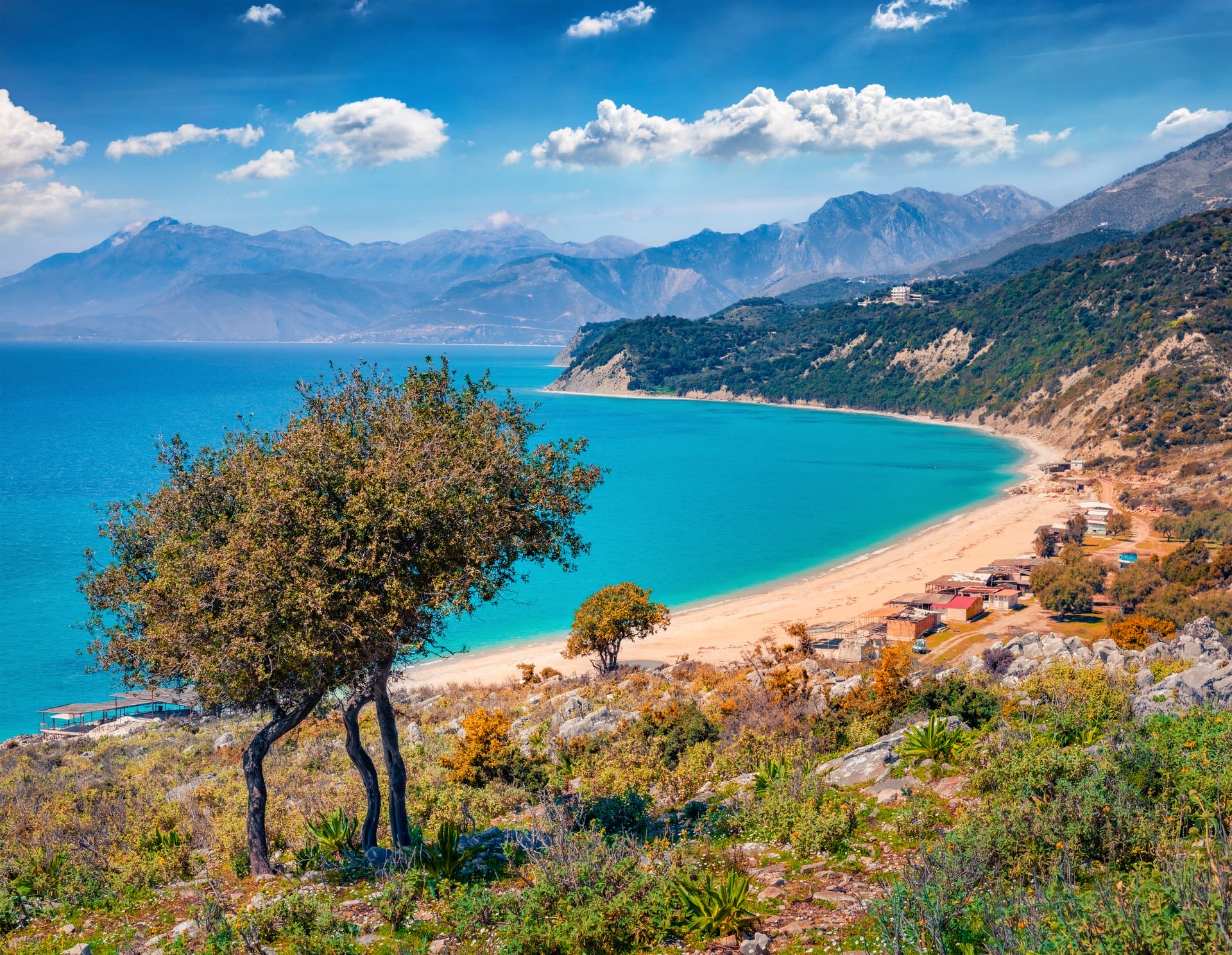
Look, Albania has party beaches covered (we literally wrote a whole guide on those). But what if you want crystal-clear water, dramatic landscapes, and the ability to hear waves instead of bass drops? What if you’re traveling with kids, or you’re over 30, or you just want to swim without dodging beach clubs?
These are Albania’s most scenic beaches—the ones where the view makes you stop mid-conversation, where the water is so clear you can count fish from shore, where you’ll take 200 photos and still not capture how stunning it actually is. Some require hiking. None require earplugs.
Quick List
- Gjipe Beach - Hidden canyon beach (hike or boat only)
- Jale Beach - Olive groves meet turquoise bay
- Drymades Beach - Long white pebbles, mountain backdrop
- Palase Beach - Widest stretch on the Riviera
- Bunec Beach - Tiny cove, locals’ secret
- Lukove Beach - Cliffside access, clearest water
- Livadhi Beach - Himara’s family-friendly option
- Krorëz Beach - Pristine and undeveloped
- Pasqyra Beach - “Mirror Beach” for glassy water
- Pulebardha Beach - White rocks contrasting blue water
1. Gjipe Beach
This is the beach that shows up in “hidden paradise” Instagram compilations—and for once, the hype is justified. Gjipe sits at the end of a dramatic canyon where a small river meets the Ionian Sea, accessible only by a 30-minute downhill hike (steep, wear good shoes) or by boat from Dhermi or Jale.
The canyon walls rise 200+ meters on both sides, creating this natural amphitheater effect where the water stays impossibly turquoise even when it’s cloudy. The beach itself is a mix of pebbles and sand, with caves to explore on the southern end and a rope swing that’s become a minor tourist attraction. Water depth is gradual, making it safer for swimmers than some cliff-backed beaches.
Practical details: No facilities beyond a seasonal beach bar (cash only, limited menu). Bring water, snacks, and sun protection—there’s minimal natural shade. The hike down takes 20-30 minutes; going back up takes 40+ minutes and is genuinely exhausting in midday heat. Start early or go late afternoon.
Pro tip: If you’re not up for the hike, boat taxis from Dhermi Beach run regularly in summer (€10-15 per person round trip). They’ll drop you off and pick you up at an agreed time. Worth it if you have knee issues or just don’t want to arrive sweaty.
For overnight stays, check out Himara accommodations—many offer Gjipe hiking trips or can arrange boat transport.
2. Jale Beach
Jale gets dismissed as “too touristy” by hardcore travelers, which is absurd—yes, it has beach bars and sunbeds, but it’s also genuinely beautiful. The southern section (past the main cluster of bars) is what you came for: clear turquoise water backed by terraced olive groves and traditional stone houses climbing the hillside.
The beach is long enough (1.2km) that even in peak August, you can find quiet spots if you walk 10 minutes from the main access point. Water clarity is excellent—you’ll see rocks and fish at 3-4 meters depth. The pebbles are medium-sized (bring water shoes unless your feet are leather).
What makes Jale special is the setting. The hills behind create this natural bowl that traps golden hour light, and the olive terraces give the whole scene a postcard quality that concrete resorts elsewhere lack. It feels Greek island-adjacent without the Greek island prices.
Facilities: Full infrastructure—restaurants, bars, sunbed rentals (€8-10/day for 2 loungers + umbrella), toilets, showers, parking (€2). This is a beach where you can bring non-adventurous friends or older relatives and everyone’s comfortable.
Pro tip: The southern end near the rock formations is best for snorkeling. Bring a mask—there’s an underwater cave system accessible from shore (don’t go deep unless you’re experienced, but the entrance area is safe and full of fish).
Staying nearby? Dhermi is 5 minutes up the hill with more accommodation options.
3. Drymades Beach
If Jale is “accessible beautiful,” Drymades is “accessible stunning.” It’s one of the longest beaches on the Albanian Riviera (2.5km), backed by the Ceraunian Mountains that drop dramatically to the shore. The northern section is developed (beach clubs, restaurants), but the southern kilometer is wild coastline with just a few scattered umbrellas.
The pebbles here are white and smooth, the water is that specific shade of turquoise-meets-deep-blue that photographers love, and the mountain backdrop gives every photo a dramatic quality. Swimming is excellent—gradual depth, clear water, generally calm (though open coast means occasional waves).
What surprises people is how wide the beach is. Even at peak occupancy, it never feels crowded because there’s just so much space. You can walk from one end to the other without passing through private beach club territory (some Riviera beaches wall off sections—Drymades doesn’t).
Practical details: Mix of free beach and paid sunbed areas (€10-15 for 2 loungers + umbrella). Multiple restaurants and beach bars, parking available (€3), decent mobile signal. The northern end has more facilities; the southern end has more solitude.
Pro tip: Stay until sunset. The mountains block the sun earlier than open beaches, but the light show on the water as the sun drops behind the peaks is worth the mosquito bites. Bring repellent.
For accommodation, see our Dhermi guide—many guesthouses offer Drymades beach transfers.
4. Palase Beach
Palase is the beach I send people who want “like Drymades, but quieter.” It’s the widest beach on the Albanian Riviera (seriously—300+ meters at some points), backed by the same dramatic mountains but with about half the development. The southern end is completely wild; the northern end has a few beach bars that feel local rather than tourist-focused.
The landscape is what sets it apart: the Llogara Pass road snakes down the mountain visible from the beach, olive and citrus groves run almost to the waterline, and there’s this expansive quality where sky and sea and mountain all compete for your attention. It’s the beach where landscape photographers camp out.
Water is crystal clear, pebble bottom (medium-sized stones), gradual depth. The width means even when there are waves, there’s protected swimming in certain sections. I’ve seen families with young kids here more than at busier beaches—something about the space and calm vibe attracts that crowd.
Facilities: Basic but sufficient—few beach bars/restaurants (cash preferred), umbrella/sunbed rentals available but not required (plenty of space to spread your own setup), parking along the road (€2 donation expected). Not as developed as Dhermi/Himara areas, which is the point.
Pro tip: The southern end near the rivermouth is best for scenery and solitude. Bring your own umbrella if you burn easily—natural shade is limited and sunbed zones don’t extend that far.
Check Himara for nearby accommodation—Palase is often a quieter alternative base.
5. Bunec Beach
This is the beach locals from Himara come to when they want to actually relax. It’s tiny (maybe 100 meters), accessible via a steep road or footpath from the main coastal highway, and almost never crowded because most tourists drive past without noticing the turnoff.
What makes Bunec special is the intimacy—it’s a proper cove, protected by rock formations on both sides, with water so clear you can see the pebble bottom at 4-5 meters. The surrounding cliffs are covered in Mediterranean scrub that smells incredible (wild thyme, oregano, pine), and there’s an old stone house on the hill that frames the whole scene.
Swimming is excellent—the cove protection means calm water even when nearby beaches have waves. Depth increases quickly, so confident swimmers can dive off the rocks on either side (locals do this constantly; test depth first if you’re joining).
Facilities: One seasonal beach bar (open June-September), very basic. No sunbed rentals, no umbrellas, no parking lot. Bring everything you need. Mobile signal is weak.
Pro tip: This beach is SMALL. If there are more than 30 people there, it feels crowded. Go early morning (before 10am) or late afternoon (after 4pm) for the best experience. Also—the access road is steep and rough. Low-clearance cars can make it, but take it slow.
Nearest accommodation is in Himara—it’s a 10-minute drive or 30-minute walk.
6. Lukove Beach
Lukove doesn’t show up on most “best beaches” lists because the access is genuinely intimidating—you take the coastal highway, spot the turnoff (poorly marked), and descend what feels like a vertical road carved into the cliff face. But if you make it down, you’re rewarded with possibly the clearest water on the entire Albanian coast.
The beach sits at the base of massive limestone cliffs, with water so transparent it plays tricks on your eyes (rocks at 6 meters look like they’re at 2 meters). The pebbles are smooth and varied—white, grey, terracotta—and the cliff walls create natural shade in the afternoon. It’s the beach for serious swimmers and snorkelers who prioritize water quality over facilities.
Because access is difficult, Lukove stays quiet even in peak season. You’ll see Albanian families on weekends, occasional tourists who did their research, and not much else. The vibe is bring-your-own-everything and spend the day swimming, not socializing.
Facilities: Seasonal beach bar (June-September), extremely basic. No formal sunbed service, though locals sometimes rent out umbrellas (€5, ask at the bar). Parking at the bottom if you brave the road (€2).
Pro tip: The road IS as steep as it looks. If you’re not confident with hairpin turns and no guardrails, park at the top and walk down (20-30 minutes). Going back up is cardio. Also—bring snorkel gear. The underwater rocks and fish populations here are worth it.
Closest accommodation is Himara, about 20 minutes north.
7. Livadhi Beach
Livadhi is Himara town’s main beach, and while “town beach” usually means “skip it,” this one is different. It’s a wide, long stretch (1.5km) of white pebbles backed by the old town climbing the hillside—traditional stone houses with terracotta roofs creating that classic Mediterranean postcard look.
What makes it scenic (beyond the setting) is the range. The northern end is lively with beach bars and restaurants. The middle section is sunbeds and families. The southern end gets quiet and natural. All of it has clear turquoise water and views of the Ceraunian Mountains running south toward Gjipe. It’s the beach that works for everyone in your travel group.
The water is excellent—gradual depth, generally calm (protected by the bay geography), clear enough to see bottom at 3-4 meters. Pebbles are smooth and medium-sized. Swimming is pleasant even at peak crowding because the beach is wide enough that you’re never shoulder-to-shoulder in the water.
Facilities: Full infrastructure—multiple restaurants (€8-15 mains), beach bars, sunbed rentals (€8-12 for 2 loungers + umbrella), public toilets, showers, parking (€3). This is the beach where you can show up with nothing and rent/buy everything you need.
Pro tip: The walk along the waterline from north to south at sunset is local tradition for a reason—the light on the old town is spectacular. Bring a camera.
For accommodation, see our full Himara destination guide.
8. Krorëz Beach
Krorëz is what the Albanian Riviera looked like before tourism development—no beach bars, no sunbed rows, no concrete. Just white pebbles, clear water, wild coastline, and maybe 20 other people if it’s a busy day. It sits between Dhermi and Drymades, accessible via a rough dirt road that keeps out tour buses and day-trippers who won’t risk their rental car’s suspension.
The beach curves in a gentle arc backed by olive terraces and Mediterranean scrub. No buildings are visible from the shore—just natural landscape in every direction. The water is that perfect Ionian clarity, with gradual depth and a pebble bottom you can see clearly at 5+ meters. Swimming feels like you’ve discovered it first, even though locals have been coming here for generations.
What I love about Krorëz is the quiet. You hear waves, cicadas, wind in the olive trees. No music, no jet skis, no crowds. It’s the beach for reading, swimming, napping, repeat. Bring a picnic and make a day of it.
Facilities: None. Zero. There’s occasionally a guy with a cooler selling cold drinks, but don’t count on it. Bring water, food, sun protection, anything you need. No toilets, no showers, no parking lot (just pull off the road). Mobile signal is weak.
Pro tip: The access road is ROUGH. High-clearance vehicles are fine; low sedans will scrape. If in doubt, park where the road gets bad and walk the last 10 minutes. Also—bring trash bags and pack out everything. There’s no service, so what you leave stays.
Nearest proper accommodation is Dhermi, 10 minutes away.
9. Pasqyra Beach
“Pasqyra” means “mirror” in Albanian, named for the glassy-calm water that characterizes this beach even when nearby spots have waves. It’s a small bay south of Himara, partially protected by rock formations that create a natural breakwater effect. On calm days, the surface is so still it reflects the surrounding cliffs perfectly—hence the name.
The beach is compact (200 meters), with fine white pebbles and water that transitions from pale turquoise in the shallows to deep sapphire 20 meters out. The surrounding cliffs are lower than at Gjipe or Lukove, creating a more open feel while still providing afternoon shade. It’s the beach that photographs well at any time of day because the light quality is just different here.
Swimming is exceptional—the calm water and clear visibility make it perfect for less confident swimmers and kids. Depth is gradual until you’re well offshore. The rocks on the northern end have small fish populations worth snorkeling.
Facilities: One beach bar (seasonal), basic food and drinks. Sunbed/umbrella rentals available (€8-10). Parking is along the road above the beach (€2). Toilets at the bar. That’s it.
Pro tip: This beach gets afternoon sun longer than more cliff-backed beaches. If you’re chasing warm late-day swimming, Pasqyra delivers. The water stays calm into evening, making it ideal for sunset swims.
Accommodation options in Himara are closest, 15 minutes north.
10. Pulebardha Beach
Pulebardha means “white stone,” and the name is literal—this beach is all white pebbles contrasting with impossibly blue water in a way that looks photoshopped until you’re standing there. It’s a small beach (150 meters) south of Dhermi, accessible via a steep footpath from the coastal road. The white stones and clear water create this bright, almost tropical aesthetic that’s unusual for Albania’s coast.
What makes it scenic beyond the color contrast is the setting—pine forests come almost to the waterline, providing natural shade and that Mediterranean pine scent mixing with salt air. The water clarity is excellent (see bottom at 5+ meters), and because access is on foot only, crowding is rare.
The beach faces southwest, getting full afternoon and evening sun. Late afternoon here is magic—the white pebbles glow golden, the water turns deeper blue, and if you’re swimming offshore looking back at the forested shore, it’s as close to perfect as beaches get.
Facilities: Seasonal beach bar (June-September), very simple menu. No sunbed service—bring your own setup or rent an umbrella from the bar (€5). No parking lot, but there’s space to pull off the road at the trailhead.
Pro tip: The footpath down is steep and rocky—wear proper shoes, not flip-flops. Going back up after a full day at the beach is a workout. Also bring water; the beach bar runs out by late afternoon sometimes.
Nearest accommodation is Dhermi, a short drive away.
Planning Your Visit
Best time: June or September. You get warm swimming water (22-26°C), clear skies, and significantly fewer crowds than July-August peak madness. Early June still has wildflowers blooming on the hillsides; September has warmer water but slightly more wind.
Getting around: You need a car. Public transport along the Riviera is limited and won’t get you to beaches like Gjipe, Bunec, or Krorëz. Rental cars from Tirana or Vlora start at €25/day; from local agencies in Himara or Dhermi, €30-40/day.
Multi-beach days: Beaches 2-4 and 7-10 are all within 20 minutes of each other. You can easily visit 2-3 per day if you start early. Gjipe (#1) is best as a half-day or full-day commitment because of access time.
What to bring: Water shoes (pebbles can be rough), reef-safe sunscreen (protect the water quality), snorkel gear (many beaches have good underwater scenery), cash (many beach bars don’t take cards), picnic supplies for beaches without facilities.
Where to base yourself: Himara puts you central to beaches 1, 5-7, and 9-10. Dhermi is closer to beaches 2-4 and 8. Both towns have good accommodation and restaurant options.
For more coastal options beyond these scenic spots, check our Albanian Riviera overview.