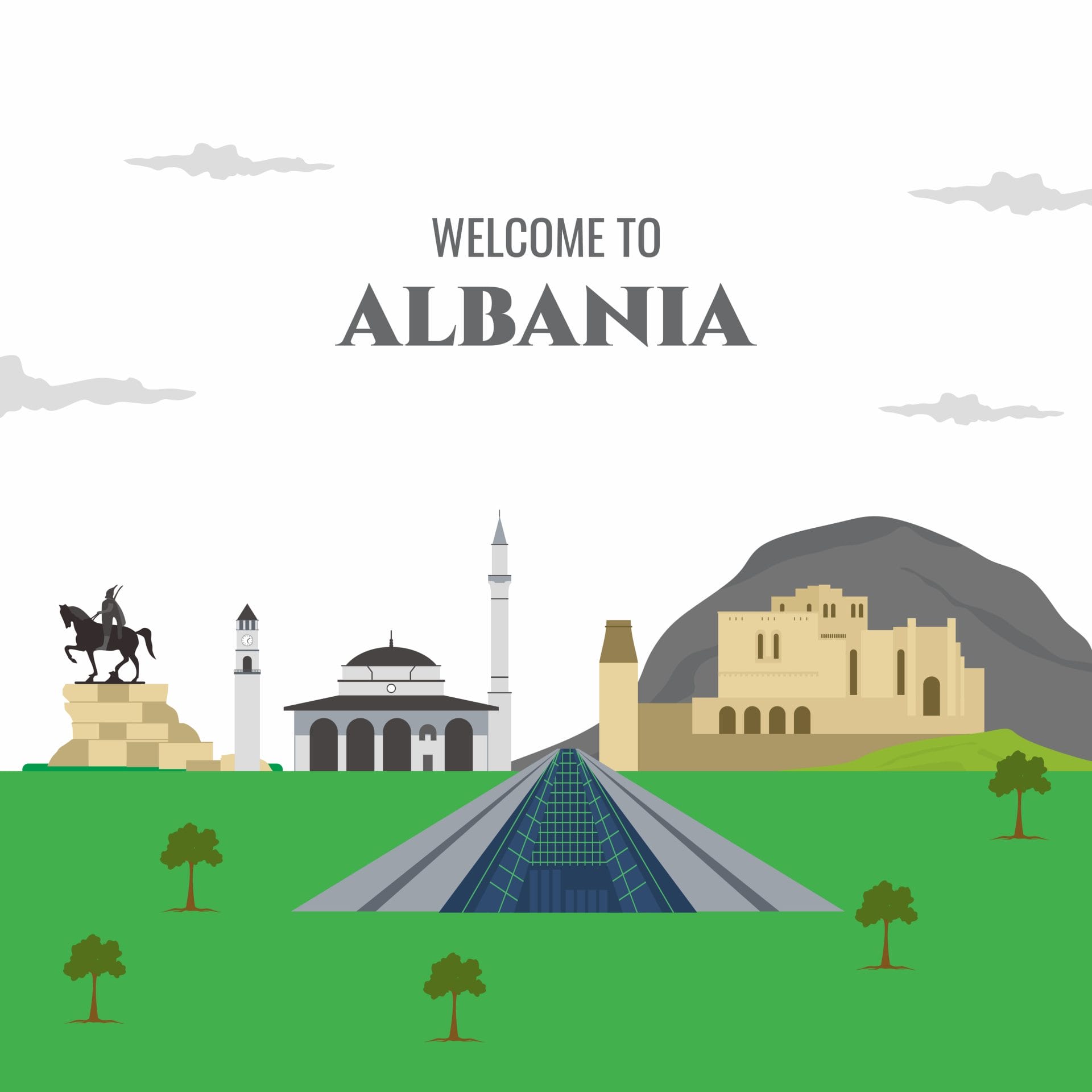
Why Visit Albania?
Albania is Europe’s best-kept secret—and it won’t stay secret much longer.
Imagine Mediterranean beaches rivaling Greece and Croatia, but without the crowds and at half the price. Ancient ruins older than Rome. Ottoman-era towns frozen in time. Mountains as dramatic as the Swiss Alps. And a culture so warm and welcoming you’ll feel like a long-lost cousin invited to a family feast.
What makes Albania special:
- Affordability: 60-70% cheaper than Western Europe (meals €5-12, hotels €30-80/night)
- Unspoiled: Tourism is growing, but it’s still authentically local
- Diversity: Beaches, mountains, history, adventure—all in a compact country
- Hospitality: Albanians treat guests like royalty (seriously, the hospitality is overwhelming)
- Accessibility: Visa-free for most countries, easy to reach from Europe
Who should visit:
- Budget travelers
- Adventure seekers
- History buffs
- Beach lovers seeking alternatives to overcrowded Mediterranean spots
- Digital nomads (Tirana is a growing hub)
- Anyone who wants to experience a country before it blows up
Entry Requirements & Visas
Visa-Free Entry (Good News!)
Most travelers don’t need a visa for Albania.
Americans: Stay up to 1 year without a visa (yes, really!)
EU Citizens: 90 days within 180 days
UK, Canada, Australia, New Zealand: 90 days within 180 days
Other Countries: Check Albania’s Ministry of Foreign Affairs for your specific country
Passport Requirements
Your passport must be valid for at least 3 months beyond your planned departure date from Albania.
Example: If leaving Albania on June 1, your passport must be valid until at least September 1.
Border Crossings
By Air: Tirana International Airport (main entry point)
By Land: Land borders with Montenegro, Kosovo, North Macedonia, and Greece are open and straightforward.
By Sea: Ferry ports in Durrës, Vlorë, and Sarandë (connections to Italy and Greece)
Pro tip: No visa needed for most, but always verify current requirements before booking flights.
When to Visit Albania
Best Overall: May-June & September-October
Why:
- Perfect weather (22-28°C / 72-82°F)
- Fewer crowds than peak summer
- Lower prices (50-70% cheaper than July-August)
- Everything is open (unlike winter)
Ideal for: First-time visitors who want good weather without the chaos
Peak Season: July-August
Pros:
- Guaranteed hot, sunny weather (30-35°C / 86-95°F)
- Beaches at their best
- Vibrant nightlife (Albanian diaspora returns)
- Festivals and events
Cons:
- Crowded (especially Riviera beaches)
- Prices double
- Accommodation books out weeks ahead
- Traffic increases significantly
Ideal for: Beach lovers, party seekers, people who don’t mind crowds
Shoulder Season: March-April & October-November
Pros:
- Very few tourists
- Rock-bottom prices
- Authentic local experience
- Comfortable temps (15-22°C / 59-72°F)
Cons:
- Some coastal hotels/restaurants closed
- Mountain roads may be snowy (March, November)
- Sea too cold for swimming
Ideal for: Budget travelers, culture seekers, hikers
Winter: December-February
Pros:
- Cheapest prices of the year
- Ski resorts open (limited, but exist)
- Cities like Tirana, Berat, Gjirokastër still vibrant
Cons:
- Most beach hotels/restaurants closed
- Cold in mountains (snow common)
- Shorter daylight hours
- Not ideal for first-timers
Ideal for: City exploration, visiting family, digital nomads
How Long to Stay
Minimum: 5-7 days (highlights only)
Recommended: 10-14 days (comfortable exploration)
Ideal: 2-3 weeks (in-depth, includes off-the-beaten-path)
Sample 10-Day Itinerary:
- Days 1-2: Tirana (capital, history, nightlife)
- Day 3: Krujë (castle, old bazaar)
- Days 4-5: Berat (UNESCO town)
- Days 6-8: Albanian Riviera (Dhërmi, Himara, Sarandë, Ksamil)
- Day 9: Gjirokastër (UNESCO town)
- Day 10: Tirana (departure)
Add more time for:
- Albanian Alps (Theth, Valbona) - 3-5 days
- Lake Ohrid region - 2-3 days
- Northern Albania (Shkodër, Komani Lake) - 2-3 days
Top Attractions for First-Timers
1. The Albanian Riviera
What it is: Stunning coastline along the Ionian Sea with crystal-clear water, hidden beaches, and dramatic cliffs.
Must-visit beaches:
- Ksamil: Caribbean-like turquoise water, white sand
- Dhërmi: Long pebble beach, party vibe
- Himara: Charming coastal town with multiple beaches
- Gjipe Beach: Remote, accessed by hiking or boat
- Jal Beach: Secluded cove with beach bars
Llogara Pass: Drive the winding coastal road over Llogara Pass (1,027m) for jaw-dropping views.
Best for: Beach lovers, road trippers, photographers
2. Berat (UNESCO World Heritage Site)
What it is: Ottoman-era town with white houses cascading down a hillside, earning it the nickname “City of a Thousand Windows.”
Must-see:
- Berat Castle (still inhabited)
- Mangalem and Gorica quarters (Ottoman architecture)
- Onufri Museum (Byzantine icons)
- Ottoman bridges
Vibe: Charming, historic, walkable, perfect for 1-2 nights
Best for: History lovers, photographers, couples
3. Gjirokastër (UNESCO World Heritage Site)
What it is: Stone “museum city” built into a mountainside, birthplace of Albania’s communist dictator Enver Hoxha and Nobel Prize-winning author Ismail Kadare.
Must-see:
- Gjirokastër Castle (huge fortress, Cold War-era plane inside)
- Ottoman-era stone houses
- Old Bazaar
- Ethnographic Museum
Vibe: Steep, atmospheric, feels frozen in time
Best for: History buffs, architecture lovers
4. Butrint (UNESCO World Heritage Site)
What it is: Ancient Greek and Roman archaeological site in a stunning lakeside setting.
What you’ll see:
- Greek theater (4th century BC)
- Roman baths and forum
- Byzantine basilicas
- Venetian fortifications
Why it’s special: Combines multiple civilizations (Greek, Roman, Byzantine, Venetian) in one compact site surrounded by nature.
Best for: History enthusiasts, archaeology fans
5. Tirana (Capital City)
What it is: Vibrant, colorful capital with communist history, lively café culture, and growing art scene.
Must-see:
- Skanderbeg Square (central plaza)
- Bunk’Art museums (communist-era bunkers turned museums)
- Pyramid of Tirana (communist monument, now street art)
- Blloku neighborhood (former elite communist area, now trendy bars/restaurants)
- Mount Dajti (cable car to mountain overlooking city)
Vibe: Young, energetic, chaotic, rapidly changing
Best for: Nightlife, food, contemporary culture, communist history
6. Albanian Alps (Theth & Valbona)
What it is: Dramatic mountain scenery with traditional stone villages, hiking trails, and untouched wilderness.
Must-do:
- Hike Valbona to Theth (or vice versa) - full-day trek
- Stay in traditional guesthouses
- Visit the Blue Eye of Theth (natural spring)
- See the Lock-in Tower (blood feud refuge)
Access: Rough mountain roads (4x4 recommended) or boat across Komani Lake + van
Best for: Hikers, nature lovers, adventure seekers
When: May-October (snowed in during winter)
Getting Around Albania
By Bus
Pros:
- Cheap (Tirana to Sarandë: €10-15, 6-7 hours)
- Connects all major cities
- No need to drive
Cons:
- Schedules unreliable (departures when full, not on time)
- Uncomfortable for long trips
- Limited to main routes
How it works: Most buses leave from informal “stations” (often just a parking lot). Ask locals or your hotel for departure points and times.
By Furgon (Minibus)
Pros:
- Faster than buses
- More frequent
- Cheaper than taxis
- Flexible (can ask driver to drop you off)
Cons:
- Leaves when full (no set schedule)
- Can be cramped
- Aggressive driving style
Best for: Short to medium distances, spontaneous travel
By Rental Car
Pros:
- Total freedom
- Access to remote areas (beaches, mountain villages)
- Cost-effective for groups
- Stop at viewpoints and explore off-route
Cons:
- Driving can be stressful (aggressive drivers, narrow mountain roads)
- Parking in cities challenging
- €25-70/day rental cost + fuel
Requirements: Valid driver’s license + International Driving Permit (recommended)
Best for: Road trippers, groups, travelers wanting flexibility
See our guide: Renting a Car in Tirana
By Taxi/Rideshare
Apps: Merr Taxi, Speed Taxi (Albania’s Uber equivalents)
Cost: Cheap by Western standards (€3-5 for city trips, €40-60 for Tirana to Durrës)
Pros: Convenient, cheap, no need to navigate
Cons: Limited outside cities
Pro tip: Always confirm the price before departure if not using an app.
Money & Costs
Currency
Albanian lek (ALL)
Exchange Rate (2024):
- €1 = ~110 lek
- $1 = ~100 lek
- £1 = ~125 lek
How Much Does Albania Cost?
Budget Traveler (€25-40/day):
- Hostel/guesthouse: €10-20/night
- Street food/byrek: €2-5/meal
- Public transport: €5-10/day
- Free attractions (beaches, hiking, walking tours)
Mid-Range Traveler (€60-100/day):
- Hotel/Airbnb: €30-60/night
- Restaurant meals: €8-15/meal
- Rental car or taxis: €20-30/day
- Entrance fees: €5-10/day
Luxury Traveler (€150-250+/day):
- Boutique hotel/resort: €80-200/night
- Fine dining: €20-40/meal
- Private tours/drivers: €50-150/day
- Activities (boat tours, paragliding, etc.): €30-80
Sample Costs (2024)
- Coffee (espresso): €0.80-1.50
- Beer (local): €1.50-2.50
- Meal (local restaurant): €5-12
- Meal (upscale): €15-30
- Bus (intercity): €5-15
- Taxi (within Tirana): €3-5
- Hotel (budget): €20-40/night
- Hotel (mid-range): €50-80/night
- Entrance to archaeological site: €3-5
- Beach sunbed + umbrella: €5-10/day
Bottom line: Albania is 60-70% cheaper than Western Europe.
Cash vs. Card
Cash is king in Albania, especially outside Tirana.
Use cash for:
- Small restaurants and cafés
- Street vendors and markets
- Local buses and furgons
- Taxis (unless using app)
- Guesthouses
Cards accepted at:
- Hotels (most)
- Larger restaurants
- Supermarkets
- Car rental companies
ATMs:
- Widespread in cities
- Less common in rural areas
- Usually dispense lek (some offer euros)
- Fees: €2-5 per withdrawal
Pro tip: Withdraw larger amounts less frequently to minimize ATM fees.
Language
Official Language: Albanian (Shqip)
English:
- Widely spoken by people under 40
- Common in tourist areas (hotels, restaurants, tour guides)
- Less common in rural areas and among older people
Italian:
- Many Albanians understand Italian (thanks to decades of Italian TV)
- Especially useful along the coast
Greek:
- Spoken in southern Albania (Greek minority)
Survival Phrases:
- Hello: Përshëndetje (per-shen-DET-yeh)
- Thank you: Faleminderit (fah-leh-meen-DEH-reet)
- Yes/No: Po / Jo (poh / yoh)
- How much?: Sa kushton? (sah KOOSH-ton)
- Cheers!: Gëzuar! (guh-ZOO-ar)
Pro tip: Learn a few phrases—Albanians love when foreigners try to speak their language.
Safety
Is Albania Safe?
Yes, Albania is very safe for tourists.
Crime Rates:
- Low violent crime
- Petty theft (pickpocketing) rare but possible in crowded areas
- Scams minimal
Solo Female Travelers:
- Generally safe
- Standard precautions apply (don’t walk alone very late at night, trust your instincts)
- Albanian men may stare (cultural, not threatening)
Biggest Risks (And They’re Minor)
Aggressive Driving:
- Biggest actual danger
- Drivers tailgate, overtake, and honk frequently
- Drive defensively if renting a car
Uneven Sidewalks:
- Trip hazards common in cities
- Watch your step
Mountain Roads:
- Narrow, winding, steep
- Drive carefully, especially if not used to mountain driving
Avoiding Scams
Taxi Scams:
- Use apps (Merr Taxi, Speed Taxi) or agree on price before departure
- Meters exist but often “broken”
Restaurant Bills:
- Check bill carefully (occasional overcharging)
- Ask for itemized receipt if unsure
ATM Skimming:
- Use ATMs inside banks when possible
- Cover PIN when entering
Exchange Offices:
- Use banks or official exchange offices, not street money changers
- Check the rate before handing over money
Emergency Numbers
- Police: 129
- Ambulance: 127
- Fire: 128
- All Emergencies: 112 (English speakers available)
Connectivity
Mobile Data
Options:
-
eSIM (Easiest): Buy before arrival, activates on landing. See our eSIM guide.
-
Local SIM: Buy at airport or shops (Vodafone, One, ALBtelecom)
- Cost: €10-15 for tourist plan with data
- Vodafone has best coverage nationwide
-
Roaming: EU roaming works in Albania (no extra charges for EU citizens)
WiFi
- Free WiFi at most hotels, cafés, and restaurants
- Quality varies (excellent in cities, spotty in rural areas)
- Not reliable enough for navigation—get mobile data
Food & Drink
Must-Try Albanian Dishes
Tavë Kosi
- Baked lamb with rice and yogurt
- National dish
- Rich, tangy, comforting
Byrek
- Savory pastry filled with cheese, spinach, or meat
- Breakfast/snack staple
- €1-2, found everywhere
Qofte (Meatballs)
- Grilled seasoned meatballs
- Street food and restaurant staple
Fërgesë
- Peppers, tomatoes, cheese, sometimes meat
- Served bubbling hot
Fresh Seafood (Coastal)
- Grilled fish, octopus, mussels
- Incredibly fresh and cheap (€8-15/plate)
Coffee Culture
Albanians drink 3-4 coffees per day minimum.
Types:
- Espresso macchiato: Most popular (tiny espresso with a drop of milk)
- Turkish coffee: Traditional, strong, thick
- Cappuccino: Available everywhere
Cost: €0.80-1.50
Ritual: Albanians sit for 1-2 hours over a single coffee. It’s a social activity, not a caffeine hit.
Alcohol
Beer:
- Local brands: Korça, Tirana, Peja
- Cost: €1.50-2.50
Raki:
- Albanian brandy (like grappa)
- Made from grapes or plums
- Strong (40-50% ABV)
- Offered at the end of meals
Wine:
- Improving rapidly
- Try Kallmet (red), Shesh i Zi (red), Shesh i Bardhë (white)
- Coastal vineyards gaining international recognition
Cultural Tips
Hospitality:
- Albanians are incredibly generous hosts
- If invited to someone’s home, expect abundant food and drink
- Refusing food can be considered rude (try everything at least once)
Coffee = Socializing:
- Cafés are everywhere, always full
- Sitting for hours over one coffee is normal
- Don’t rush—enjoy the culture
Dress Code:
- Casual
- Beachwear at the beach only (cover up in towns/cities)
- Modest clothing for religious sites (mosques, churches)
Tipping:
- 5-10% in restaurants (optional but appreciated)
- Round up taxi fares
- Tipping not expected in cafés
Smoking:
- Very common
- Officially banned indoors, but rules often ignored
- Outdoor seating everywhere
Should You Visit Albania?
Absolutely, if you:
- Love discovering places before they get too touristy
- Want stunning beaches without Greek/Croatian prices and crowds
- Appreciate history and culture
- Enjoy adventure (hiking, road trips, exploration)
- Are traveling on a budget
- Want warm, genuine hospitality
Maybe reconsider if you:
- Need flawless infrastructure (Albania is improving, not perfect)
- Expect Western European service standards
- Dislike driving (public transport exists but car rental offers much more freedom)
- Prefer highly organized, polished tourism
Plan Your Trip
Next Steps:
- Book Flights: Tirana International Airport (TIA) - many budget airlines serve it
- Reserve Accommodation: Book 2-4 weeks ahead (summer), 1 week ahead (other seasons)
- Get an eSIM or plan for local SIM: eSIM Guide
- Consider renting a car: Car Rental Guide
- Research regions: Browse Destinations
Essential Packing:
- Comfortable walking shoes
- Sunscreen (strong Mediterranean sun)
- Power adapter (European two-pin)
- Cash (euros or lek)
- Swimsuit
- Light layers (evenings can be cool, even in summer)
Albania is waiting. Don’t overthink it—just go. You’ll thank yourself later.
Last updated: November 2024. Information subject to change. Always verify current entry requirements and travel advisories before departure.