The Fall of Belinda Balluku - Albania's Most Powerful Woman
Encrypted messages expose how Deputy PM Belinda Balluku rigged €210M in tenders. Inside Albania's biggest corruption scandal and what it means for EU hopes.
Encrypted messages expose how Deputy PM Belinda Balluku rigged €210M in tenders. Inside Albania's biggest corruption scandal and what it means for EU hopes.
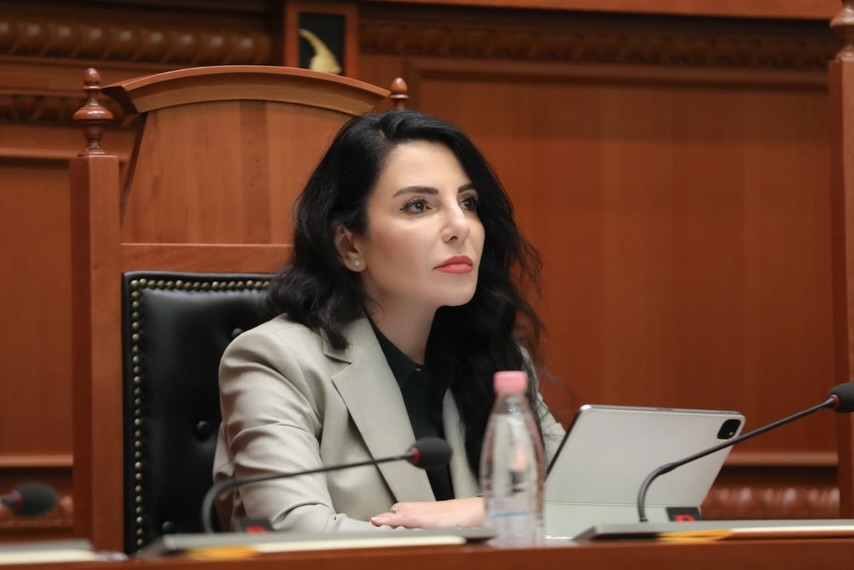
Belinda Balluku’s arrest marks the highest-profile corruption case in Albania’s modern history. As Deputy Prime Minister and Minister of Infrastructure and Energy, she controlled the levers of Albania’s most lucrative sectors—until encrypted messages exposed an alleged systematic scheme to rig public tenders worth approximately €210 million.
The case centers on the €190 million Llogara Tunnel project, a critical infrastructure link connecting southern Albania’s coast to the interior. When an Albanian construction firm submitted the lowest bid, prosecutors allege Balluku’s response was immediate and damning.
According to leaked Signal messages obtained by SPAK investigators, Balluku wrote: “I think we should cancel it. Disqualify everyone.”
The tender was annulled. When reopened with revised technical criteria, a Turkish consortium won—with a bid €12 million higher than the original Albanian proposal.
Born in 1973, Balluku carries a name weighted with Albania’s communist past. Her grandfather, Beqir Balluku, served as Defense Minister under Enver Hoxha before being executed in 1975 on charges of plotting a military coup. The family endured decades of persecution under the communist regime.
Belinda Balluku rose through Albania’s political ranks as an advisor to Prime Minister Edi Rama, eventually controlling the country’s infrastructure, energy, and airport sectors. By 2024, she was widely considered the most powerful woman in Albanian politics.
Beyond the Llogara Tunnel, prosecutors are investigating multiple contracts:
Ring Road Project: Tender criteria allegedly tailored for specific contractors, with winning bids 15% above initial budget estimates.
Vlora Airport Transaction: A Turkish company’s 40% stake in Vlora International Airport was sold for just €4,450—prosecutors claim the actual value exceeded €280 million.
Emergency Power Plants: Her handling of floating power plants (known as “Tigers”) during Albania’s energy crisis involved contracts exceeding $68 million, now under scrutiny for irregularities.
Prime Minister Edi Rama publicly attacked Albania’s anti-corruption courts following Balluku’s suspension, calling it “brutal interference with executive power.” He challenged the decision before the Constitutional Court, despite similar judicial oversight existing across European democracies.
The response drew sharp criticism from EU officials monitoring Albania’s accession progress.
As of late 2025, Balluku remains suspended from ministerial duties. She is barred from leaving Albania and faces potential imprisonment of up to ten years if convicted. Her trial date has not been scheduled.
The case represents a critical test for SPAK and Albania’s reformed judicial institutions. For a country seeking European Union membership, the outcome will signal whether anti-corruption reforms are genuine or merely performative.
Albania’s infrastructure—the roads, tunnels, and airports that tourists rely on—sits at the center of this scandal. The Llogara Tunnel, once completed, will dramatically reduce travel time to the Albanian Riviera. Whether that project and others deliver value for money or serve as vehicles for corruption will shape Albania’s development for decades.
For visitors, the case offers a window into the complex realities behind Albania’s rapid modernization. The gleaming new highways and expanding airports represent both genuine progress and, potentially, the spoils of a system still struggling with accountability.