Custom Audio Player .audio-box { font-family: system-ui, sans-serif; background: #fefefe; border: 1px solid #e0e0e0; border-radius: 12px; padding: 20px; box-shadow: 0 2px 8px rgba(0, 0, 0, 0.04); box-sizing: border-box; max-width: 100%; position: relative; } .audio-box h2 { margin: 0 0 16px; font-size: 17px; font-weight: 600; color: #0c0c0c; } .audio-controls { display: flex; align-items: center; gap: 16px; overflow: hidden; flex-wrap: nowrap; } .play-btn { background-color: #fd1113; border: none; color: #fefefe; border-radius: 50%; width: 60px; height: 60px; cursor: pointer; display: flex; align-items: center; justify-content: center; padding: 0; flex-shrink: 0; } .iconPlayPause { display: flex; align-items: center; justify-content: center; width: 100%; height: 100%; } .iconPlayPause svg { width: 18px; height: 18px; display: block; } .progress-wrap { flex: 1; min-width: 0; max-width: 100%; } .progress-line { display: flex; align-items: center; gap: 12px; width: 100%; overflow: hidden; } #seekBar { flex: 1; height: 6px; background: #ddd; border-radius: 3px; appearance: none; outline: none; } #seekBar::-webkit-slider-thumb { -webkit-appearance: none; width: 14px; height: 14px; background: #fd1113; border-radius: 50%; cursor: pointer; } .remaining-time { font-size: 13px; color: #504f50; white-space: nowrap; flex-shrink: 0; } .bottom-controls { display: flex; flex-wrap: wrap; gap: 16px; align-items: center; margin-top: 20px; } .control-block { display: flex; flex-direction: column; gap: 4px; flex: 1; min-width: 80px; } .control-block label { font-size: 13px; color: #504f50; } .control-block select, .control-block input[type=“range”] { font-size: 13px; padding: 6px 10px; border-radius: 6px; border: 1px solid #ccc; background: #fefefe; color: #0c0c0c; width: 100%; box-sizing: border-box; } #volumeControl { -webkit-appearance: none; width: 100%; height: 6px; border-radius: 3px; background: linear-gradient(to right, #fd1113 100%, #ddd 0%); border: none; outline: none; transition: background 0.2s ease-in-out; cursor: pointer; padding: 0; margin: 0; box-shadow: none; } #volumeControl::-webkit-slider-thumb { -webkit-appearance: none; width: 14px; height: 14px; background: #fd1113; border-radius: 50%; cursor: pointer; margin-top: -4px; position: relative; z-index: 2; } #volumeControl::-moz-range-thumb { width: 14px; height: 14px; background: #fd1113; border-radius: 50%; cursor: pointer; border: none; } #volumeControl::-webkit-slider-runnable-track { height: 6px; background: #ddd; border-radius: 3px; } #volumeControl::-moz-range-track { height: 6px; background: #ddd; border-radius: 3px; } .player-logo { position: absolute; top: 12px; right: 16px; width: 120px; height: auto; max-height: 30px; opacity: 0.6; transition: opacity 0.2s ease; object-fit: contain; z-index: 2; } .player-logo:hover { opacity: 1; } /* Share Feature Styles */ .share-section { margin-top: 16px; padding-top: 16px; border-top: 1px solid #e0e0e0; } .share-header { display: flex; align-items: center; gap: 8px; margin-bottom: 12px; } .share-header h3 { margin: 0; font-size: 14px; font-weight: 600; color: #0c0c0c; } .share-icon { width: 16px; height: 16px; fill: #504f50; } .share-buttons { display: flex; flex-wrap: wrap; gap: 8px; align-items: center; } .share-btn { display: flex; align-items: center; justify-content: center; padding: 0; border: 1px solid #e0e0e0; border-radius: 50%; background: #fefefe; color: #0c0c0c; text-decoration: none; cursor: pointer; transition: all 0.2s ease; width: 32px; height: 32px; position: relative; box-sizing: border-box; } .share-btn:hover { background: #f5f5f5; border-color: #ccc; transform: translateY(-1px); } .share-btn svg { width: 16px; height: 16px; flex-shrink: 0; } .share-btn.facebook { border-color: #1877f2; color: #1877f2; } .share-btn.facebook:hover { background: #1877f2; color: white; } .share-btn.twitter { border-color: #1da1f2; color: #1da1f2; } .share-btn.twitter:hover { background: #1da1f2; color: white; } .share-btn.whatsapp { border-color: #25d366; color: #25d366; } .share-btn.whatsapp:hover { background: #25d366; color: white; } .share-btn.telegram { border-color: #0088cc; color: #0088cc; } .share-btn.telegram:hover { background: #0088cc; color: white; } .share-btn.email { border-color: #666; color: #666; } .share-btn.email:hover { background: #666; color: white; } .copy-link-btn { border-color: #fd1113; color: #fd1113; } .copy-link-btn:hover { background: #fd1113; color: white; } .copy-success { background: #28a745 !important; border-color: #28a745 !important; color: white !important; } @media (max-width: 480px) { .play-btn { width: 48px; height: 48px; } .iconPlayPause svg { width: 16px; height: 16px; } .share-buttons { gap: 8px; } .share-btn { width: 28px; height: 28px; padding: 0; } .share-btn svg { width: 14px; height: 14px; } }
Listen to this story
Speed 0.75× 1× 1.25× 1.5× 2×
Volume
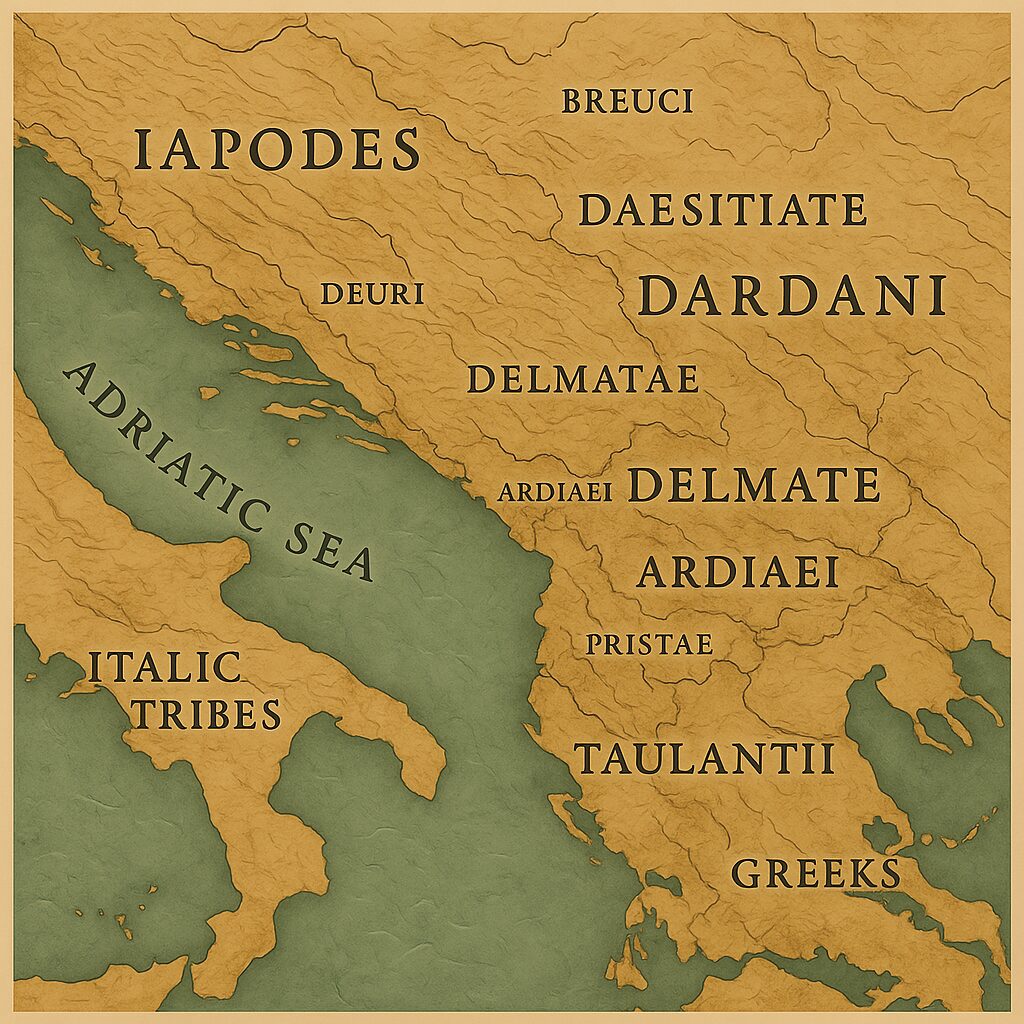
Illyria
Share this audio story
{target=“_blank”}{target=“_blank”}{target=“_blank”}{target=“_blank”}

const audio = document.getElementById(‘customAudio’); const playPauseBtn = document.getElementById(‘playPauseBtn’); const iconPlayPause = document.getElementById(‘iconPlayPause’); const speedSelect = document.getElementById(‘speedSelect’); const volumeControl = document.getElementById(‘volumeControl’); const remainingTime = document.getElementById(‘remainingTime’); const seekBar = document.getElementById(‘seekBar’); let isSeeking = false; // Share functionality variables const shareTitle = “Listen to this amazing story from Albania Visit”; const shareDescription = “Discover fascinating stories about Albania’s history and culture”; const shareUrl = window.location.href; function formatTime(seconds) { const m = Math.floor(seconds / 60); const s = Math.floor(seconds % 60); return `${m}:${s < 10 ? ‘0’ : ”}${s}`; } function updateRemainingTime() { if (!isNaN(audio.duration)) { const remaining = audio.duration - audio.currentTime; remainingTime.textContent = formatTime(remaining); } } function updateProgressBar() { const percent = (audio.currentTime / audio.duration) * 100; seekBar.value = percent; } playPauseBtn.addEventListener(‘click’, () => { audio.paused ? audio.play() : audio.pause(); }); audio.addEventListener(‘play’, () => { iconPlayPause.innerHTML = '
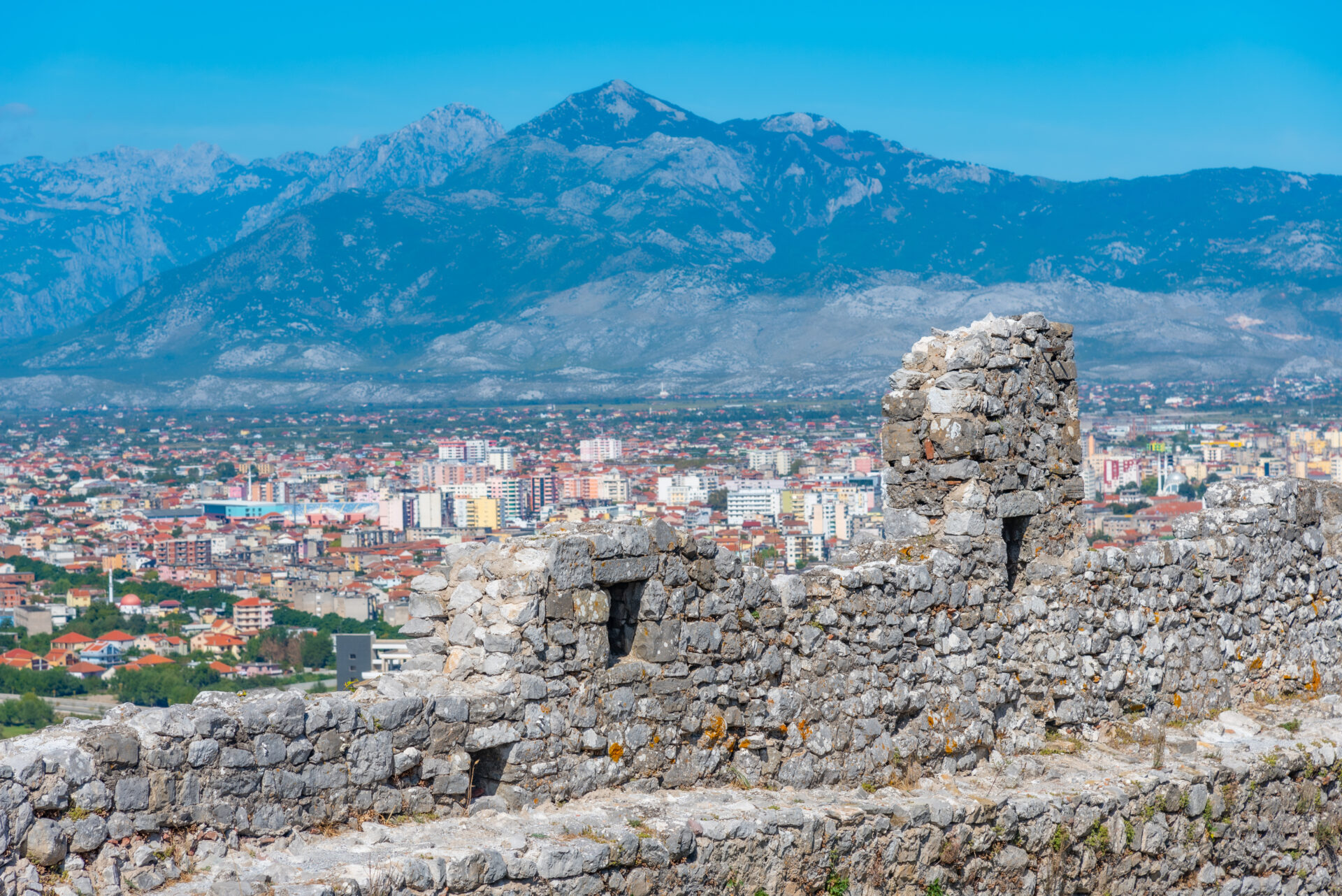
Rozafa Castle Walls
Look, I’ll Be Honest About My Illyrian Obsession
Everyone wants to believe they’re descended from warriors and pirates. I get it. It’s the historical equivalent of saying your great-grandmother was a princess (spoiler: she probably wasn’t). But here’s what’s different about the Illyrian story—and why I’ve spent the last decade dragging friends through overgrown archaeological sites across Albania, Montenegro, and Bosnia: in 2023, geneticists actually proved it. Modern Albanians carry direct DNA lineages from Bronze Age populations including those identified as Illyrian. Not metaphorical descent. Not cultural continuity. Actual, traceable bloodlines.
My mother used to tell me we were Illyrians when I was growing up. Back then, it meant nothing to me—just another word, like the names of distant countries in my school books. Now, standing at Rozafa Castle on a cold October morning (entry: €2, worth every cent), watching mist rise off Lake Shkodër exactly as it did when King Gentius made his final stand here in 168 BCE, those childhood stories transform into something I can touch with my hands.
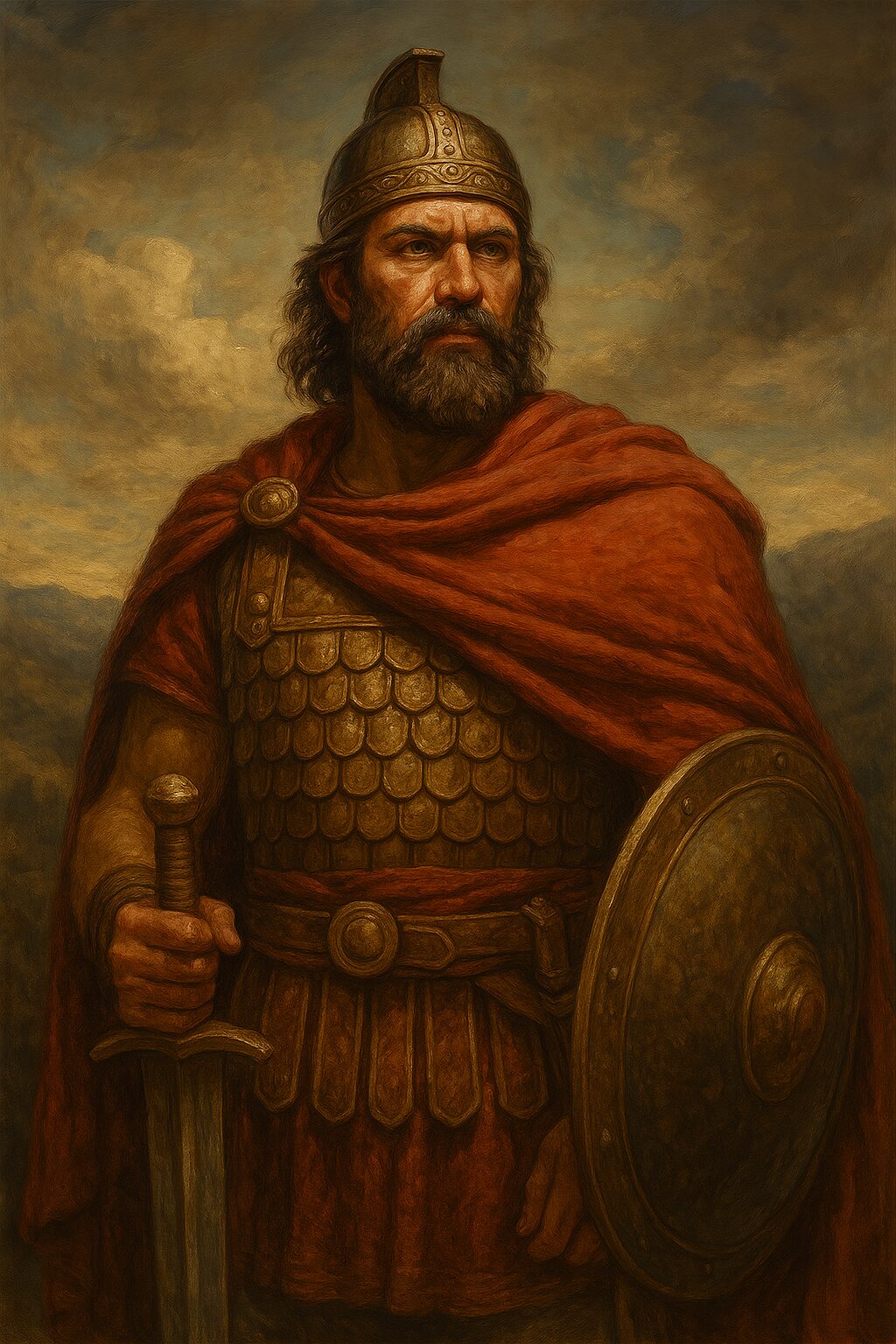
Gentius, Illyrian King
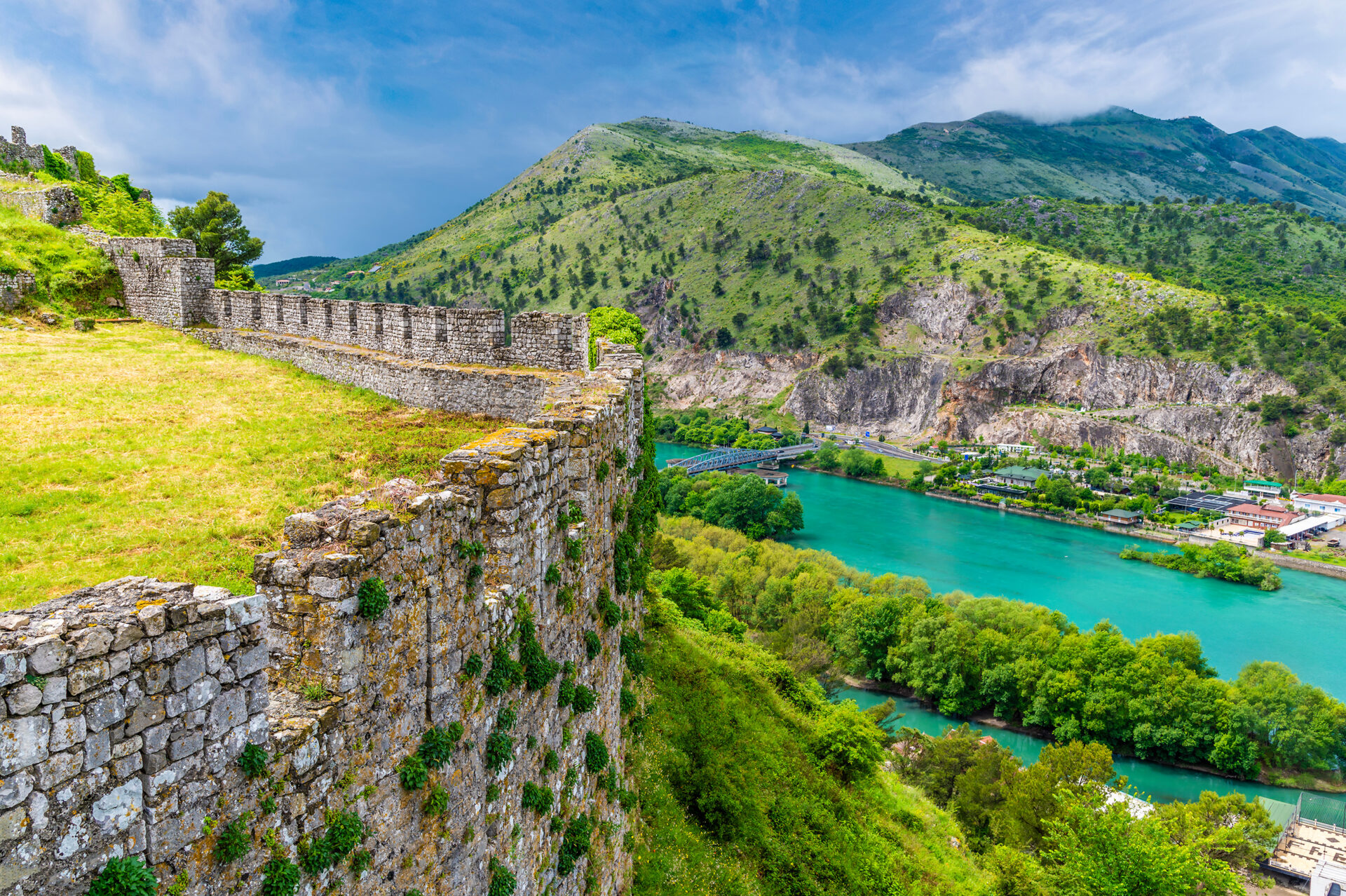
Rozafa Castle, Shkodër, Albania
The Name Nobody Actually Used
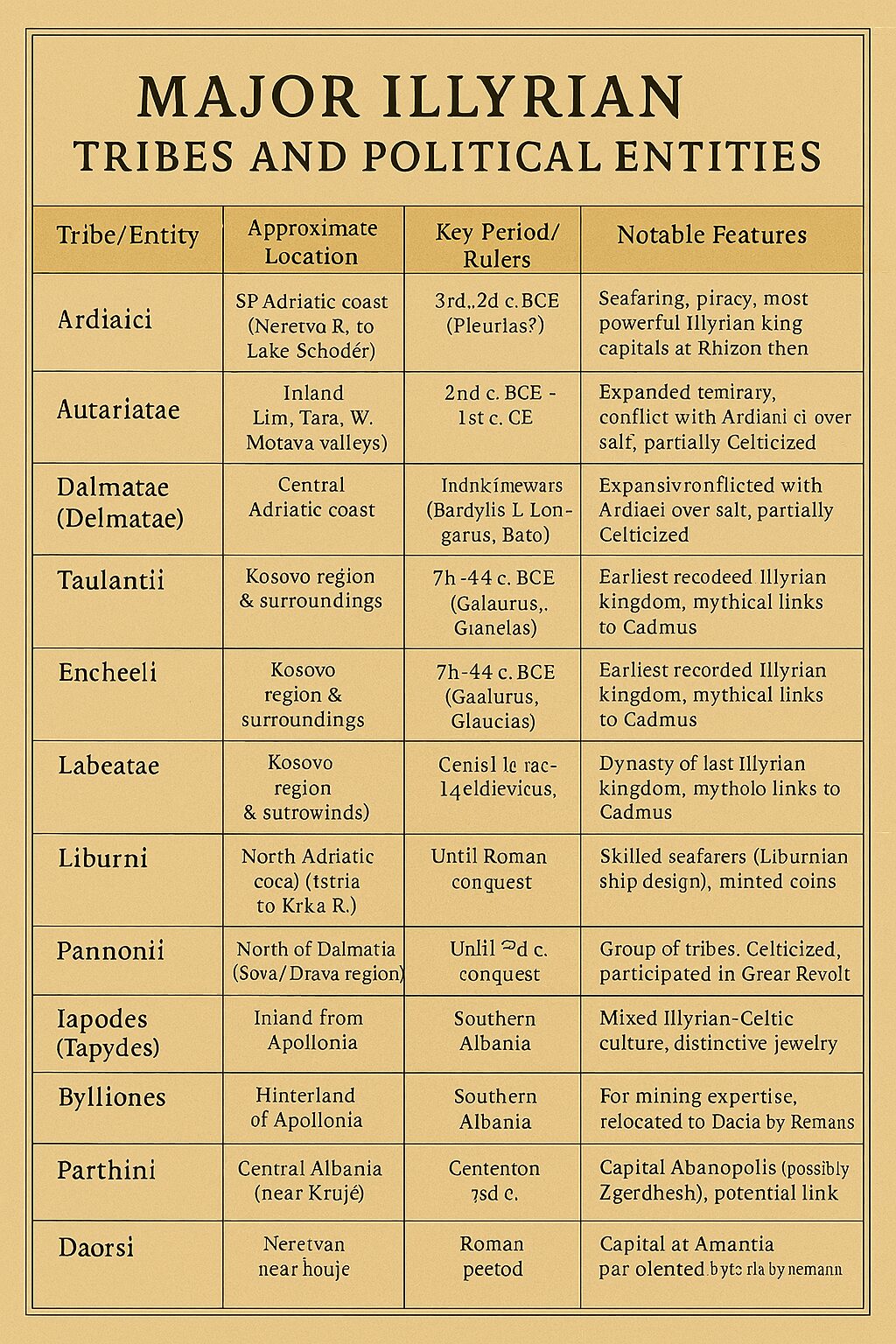
Here’s the first thing that’ll mess with your head about the Illyrians: they never called themselves that. “Illyrian” was primarily an exonym—what the Greeks and Romans called these people because it was easier than keeping track of dozens of different tribal names. The people living in what’s now Albania, Montenegro, Kosovo, Bosnia, and parts of Croatia knew themselves as Ardiaei, Dalmatae, Liburni, Taulantii, Dardani—names that sound like they belong in a fantasy novel but were deadly serious political entities.
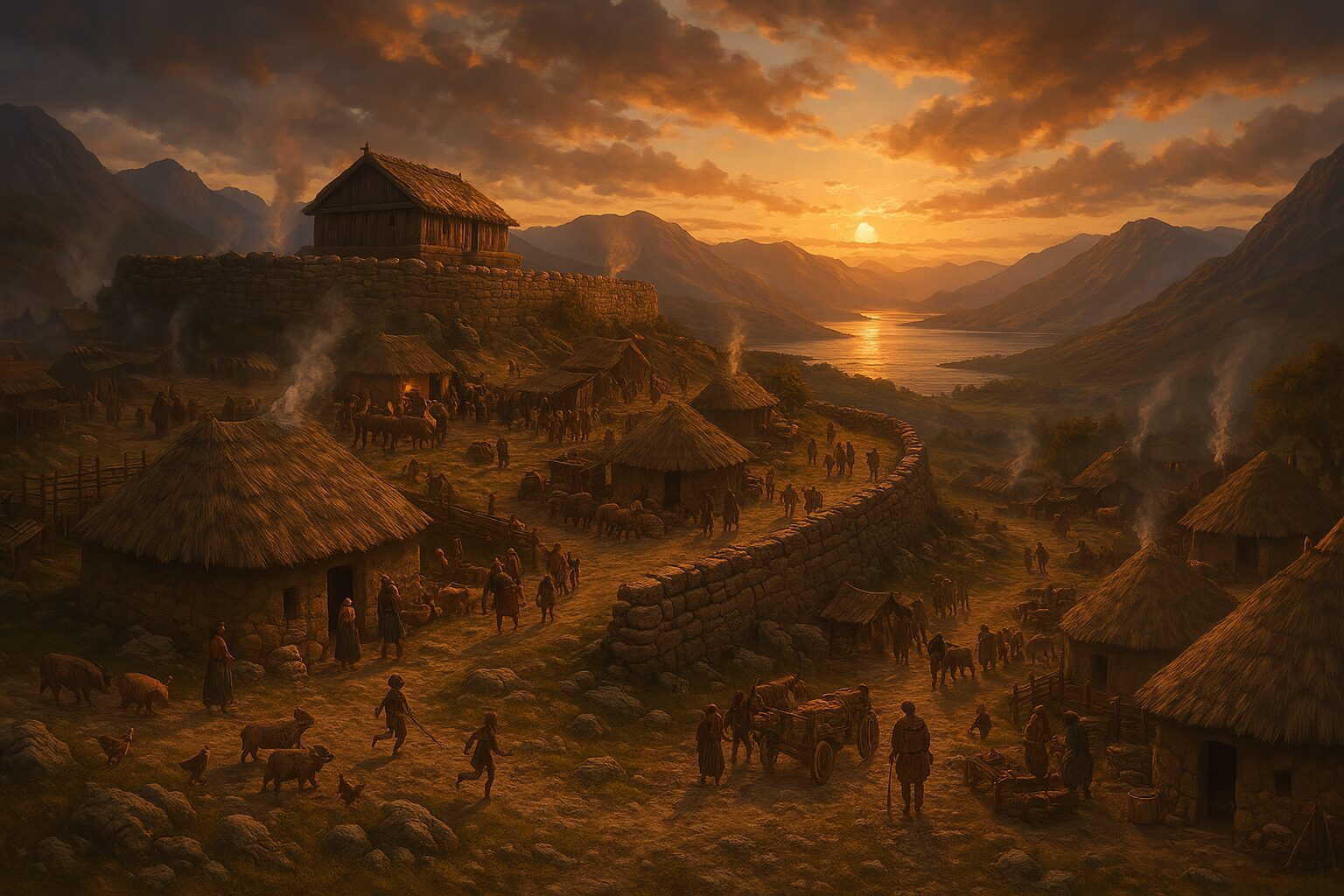
Depiction of an Ancient Illyrian settlement
I learned this the hard way when I first visited the archaeological site at Gajtan (free admission, bring good shoes because nobody maintains the trail). My guide Arben—a retired archaeology professor who now leads tours because, and I quote, “the university pays garbage but at least tourists tip”—physically stopped me when I called the ruins “Illyrian.”
“Around 1000 BCE, these people were just hill tribes building fortifications,” he said, gesturing at foundations that have outlasted three empires. “The name ‘Illyrian’ wouldn’t exist for another 400 years. To themselves, they were probably Enchelei or Taulantii, and they’d sooner fight each other than admit they were related.”
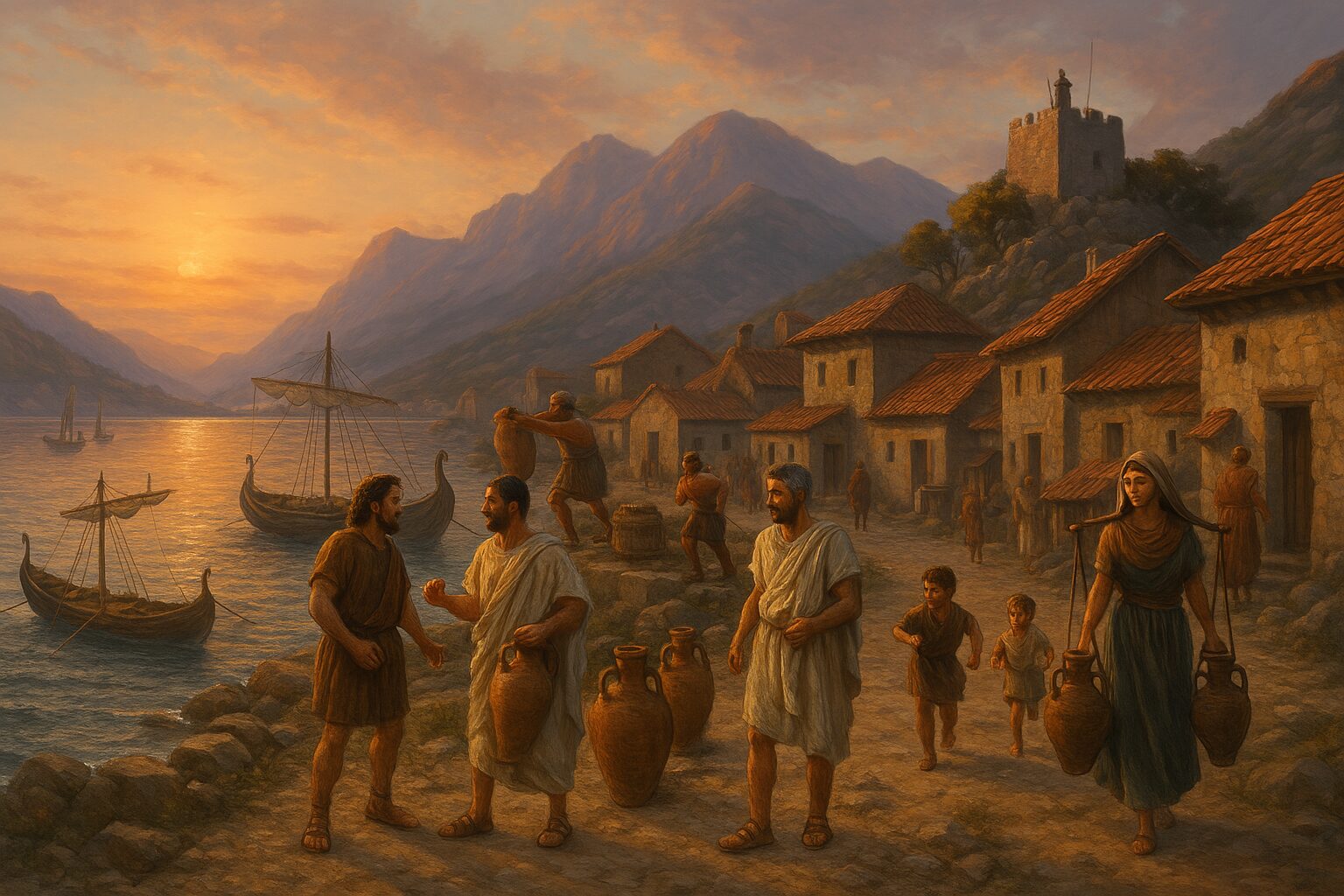
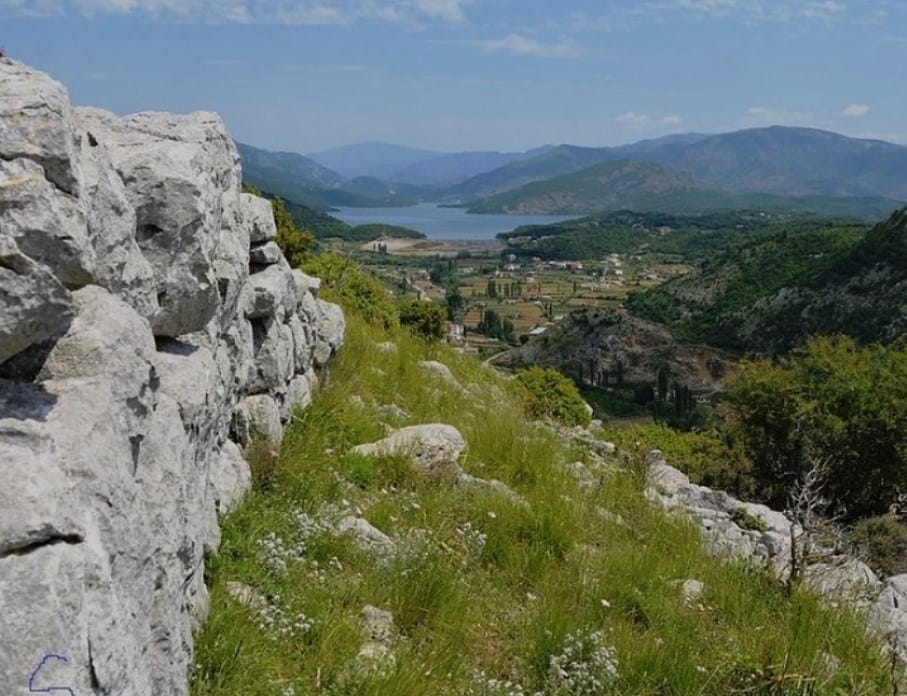
Gajtan, Albania
This fragmentation—dozens of tribes spread across rugged mountain terrain—was simultaneously the Illyrians’ greatest weakness and their secret weapon. You can’t build an empire when every valley has its own king. But you also can’t easily conquer people who retreat into highlands where your army’s logistics collapse like a house of cards.
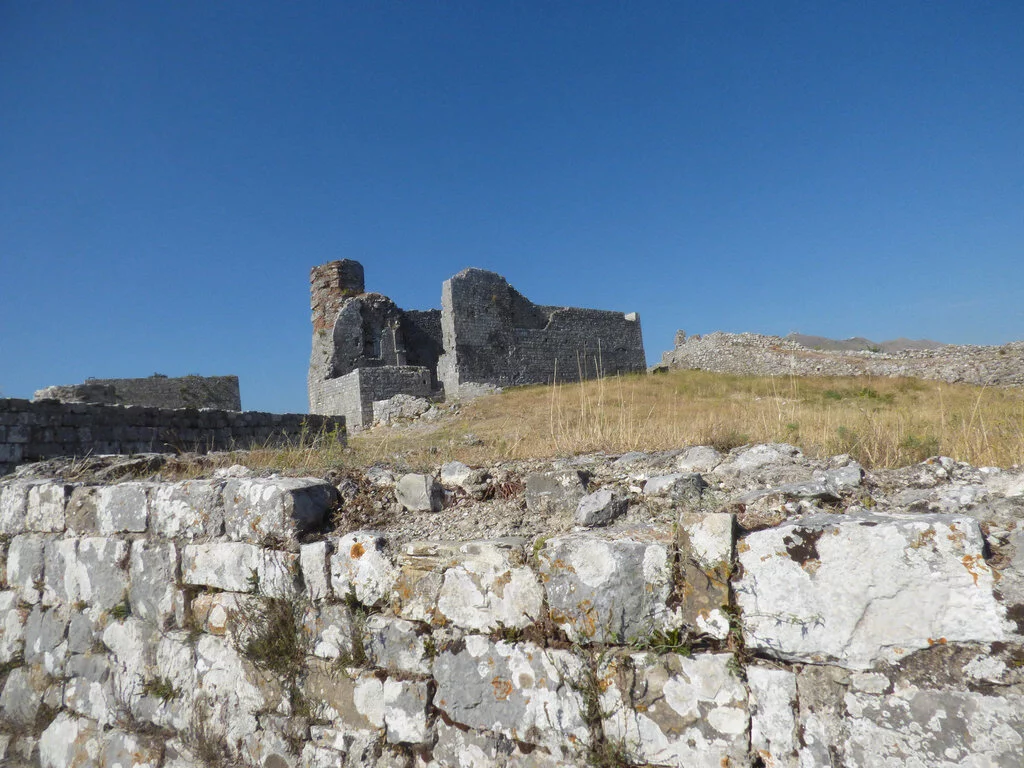
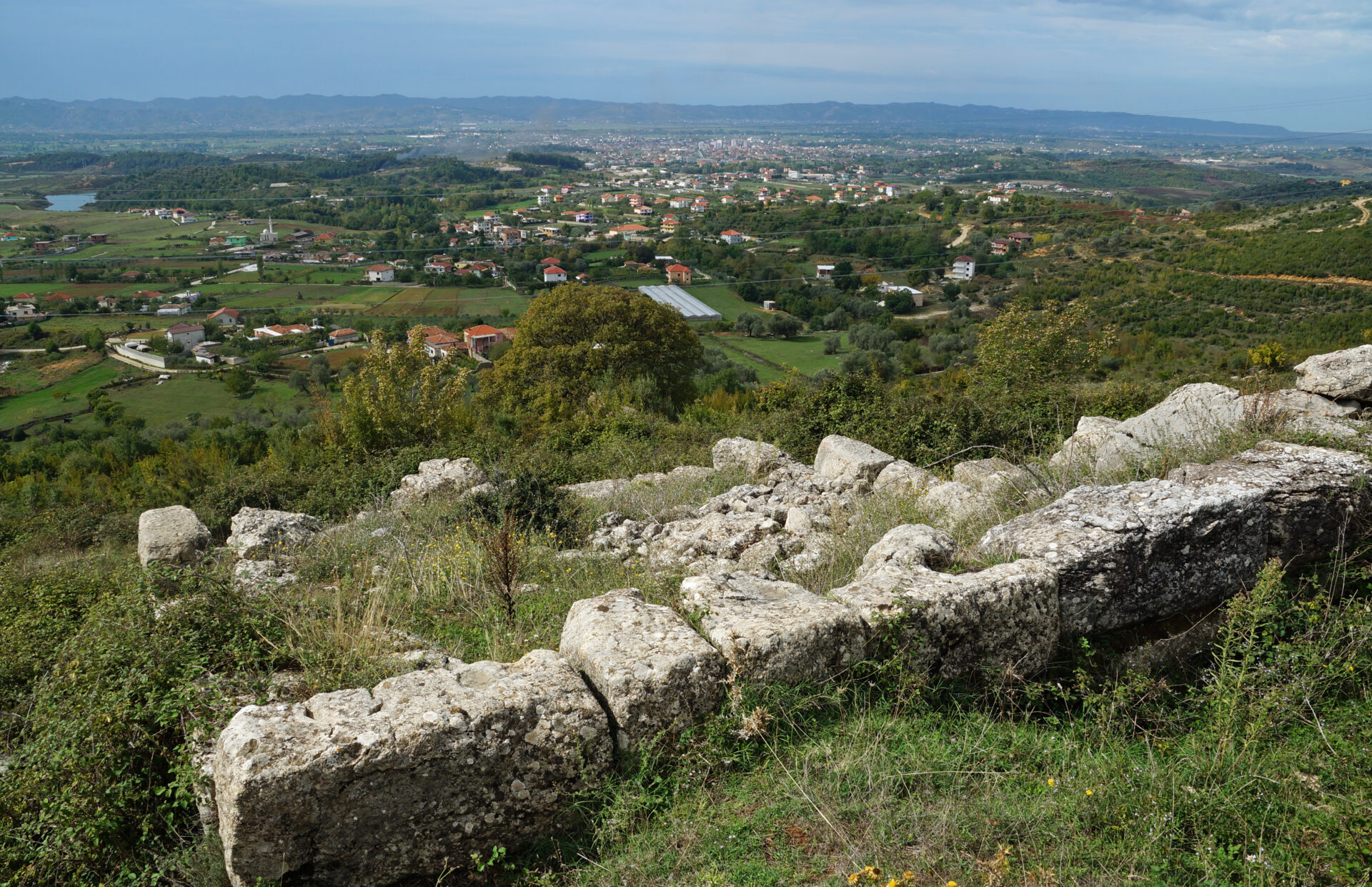
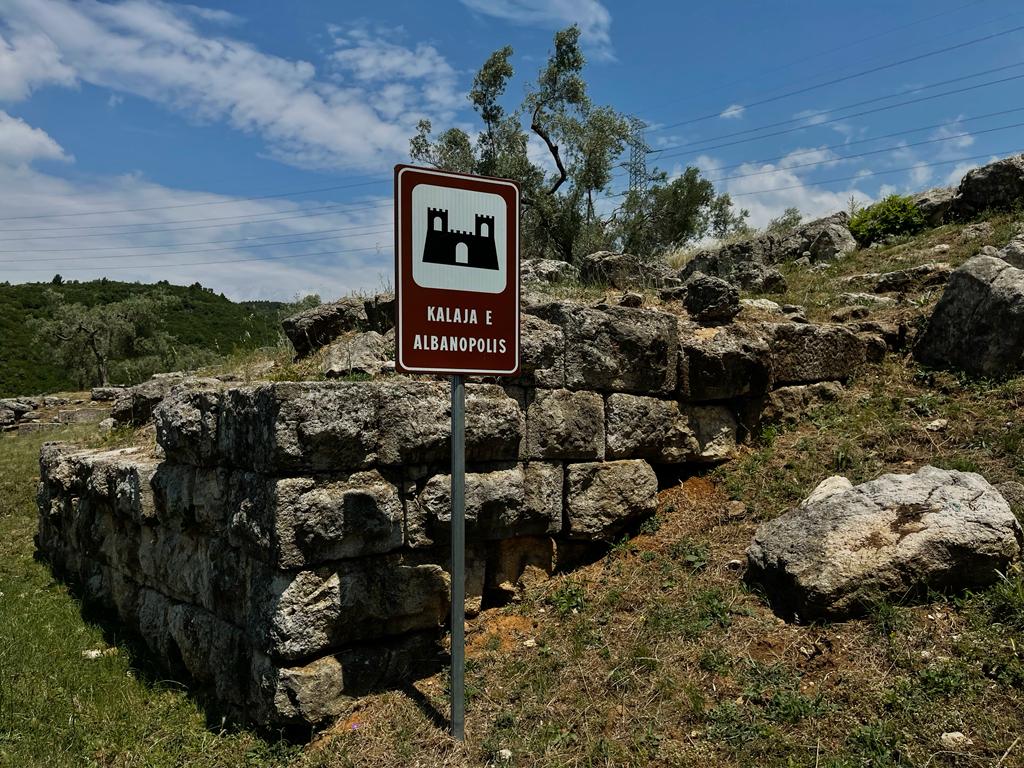
Scholars contest Gajtan was known as Albanapolis
Pro Tip: The best Illyrian sites are the ones nobody’s heard of. Skip the crowded tourist traps. Head to Zgërdhesh (possibly ancient Albanopolis) or the Glasinac Plateau in Bosnia, where you’ll have Bronze Age burial mounds entirely to yourself. Pack water and snacks—these aren’t the kind of places with visitor centers.
Recent Archaeological Proof (Because I’m Not Just Making This Up)
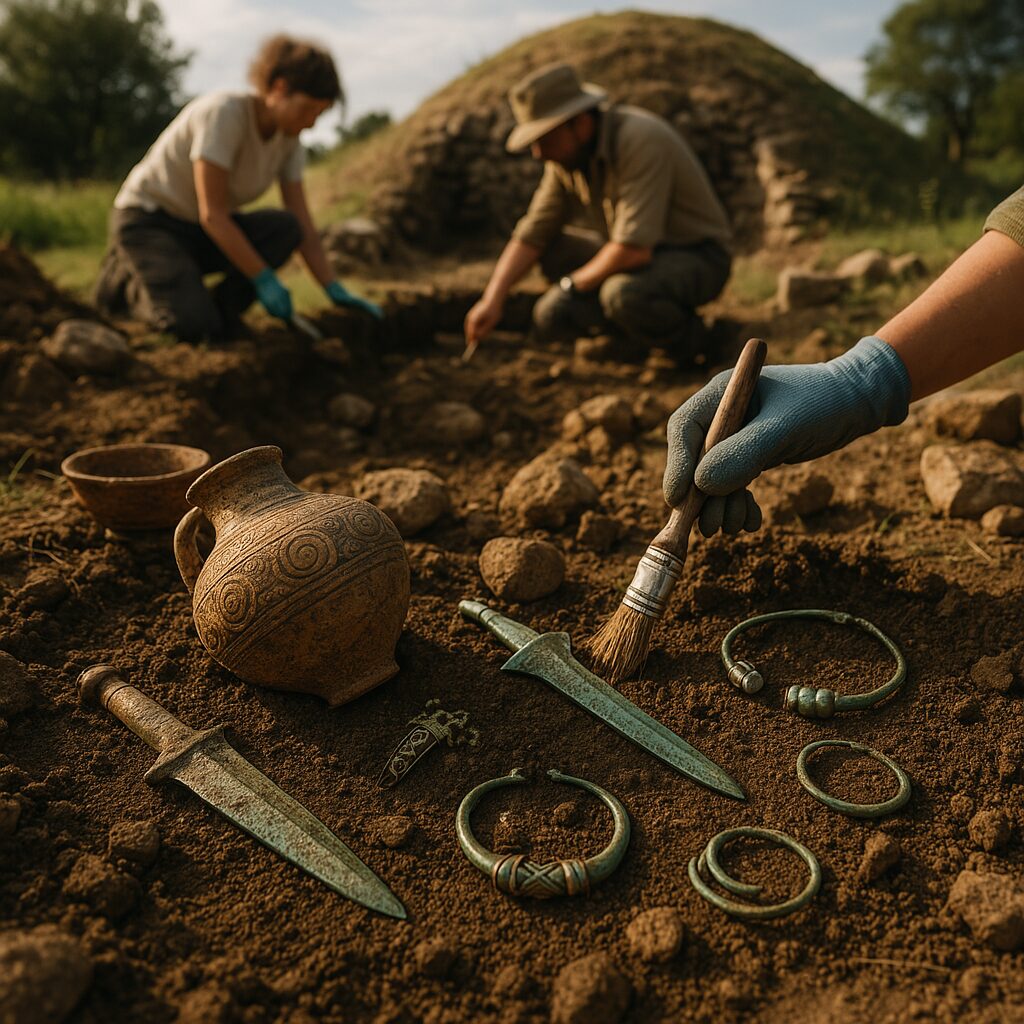
Since 2018, a joint Albanian-Polish team has been excavating a previously unknown Illyrian town between ancient Scodra (Shkodër) and Lissos. I visited the dig site in summer 2024 (you can’t actually get inside the excavation area, but you can watch from the perimeter, and the archaeologists are surprisingly chatty during lunch breaks). They’ve found fortification walls, pottery, and metalwork that’s rewriting what we thought we knew about Illyrian urbanization.
The bigger news came in late 2023: genetic analysis published by an international research team provided the strongest scientific evidence to date that modern Albanians are direct descendants of the ancient Illyrians. Y-DNA lineages connect directly to Bronze Age Balkan populations. This isn’t “cultural heritage”—it’s measurable biological continuity across 3,000+ years.
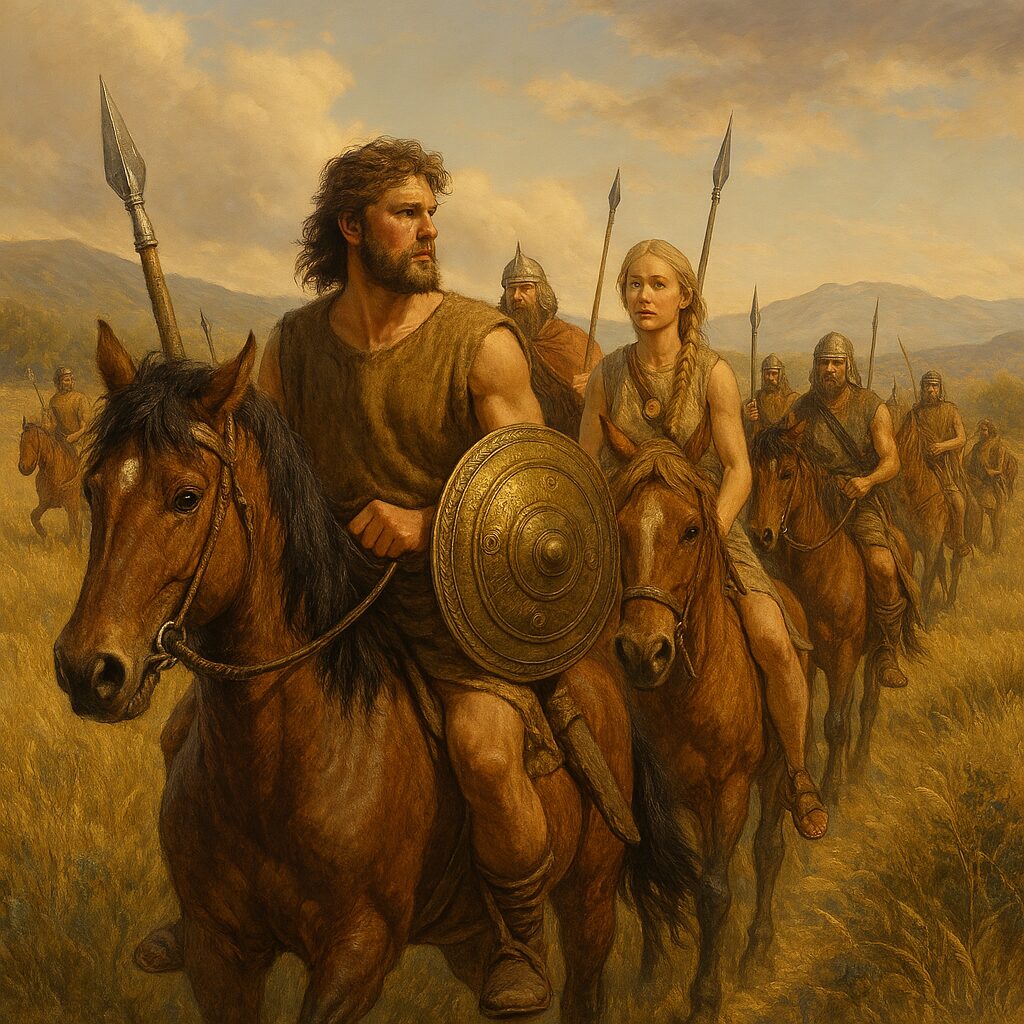
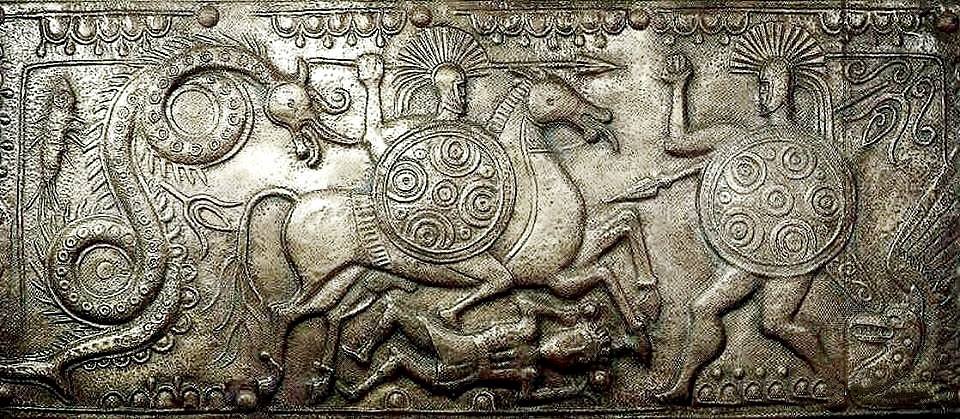
Depiction of warriors from the Danube plains.
When I showed this study to my mother, she just raised an eyebrow and said, “I told you so.” (Mothers are insufferable when they’re right.)
Pirates, Kings, and the Queens Who Terrified Rome
Let’s talk about Queen Teuta, because the Roman sources make her sound like a Bond villain. According to the ancient historian Polybius (who, admittedly, was working from Roman propaganda), Teuta actively encouraged piracy against Roman merchant ships after her husband King Agron died in 231 BCE. When Roman ambassadors showed up to complain, she allegedly had them killed.
I spent three days sailing the Bay of Kotor with Captain Marko, a Montenegrin whose boat smells like diesel and centuries-old fish (€45 for a day trip, negotiable if you speak the language or bring rakija). We traced the routes Illyrian warships would’ve taken from ancient Rhizon—modern Risan, pop. 2,000, remarkably uninterested in its own incredible history.
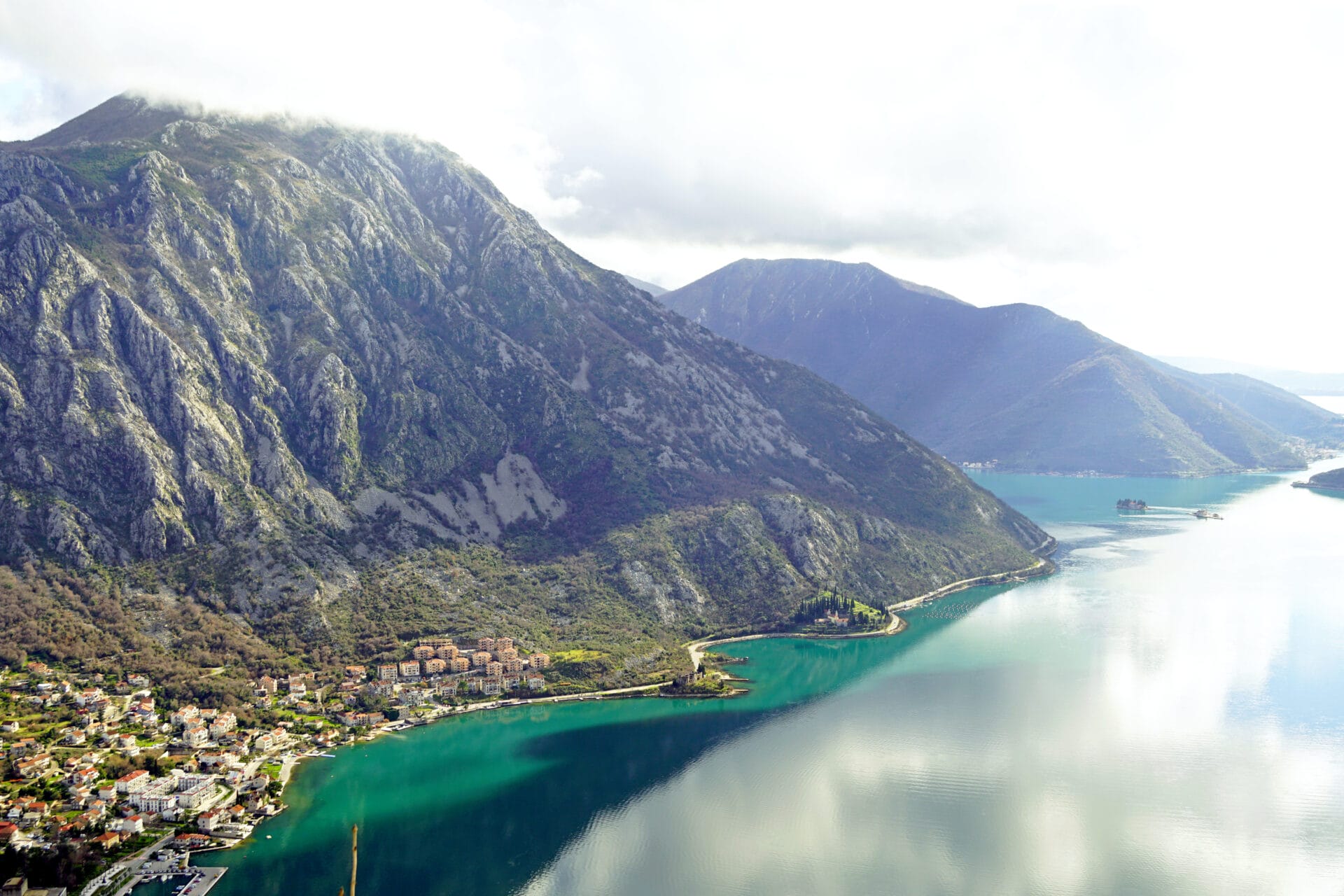
Risan, Montenegro
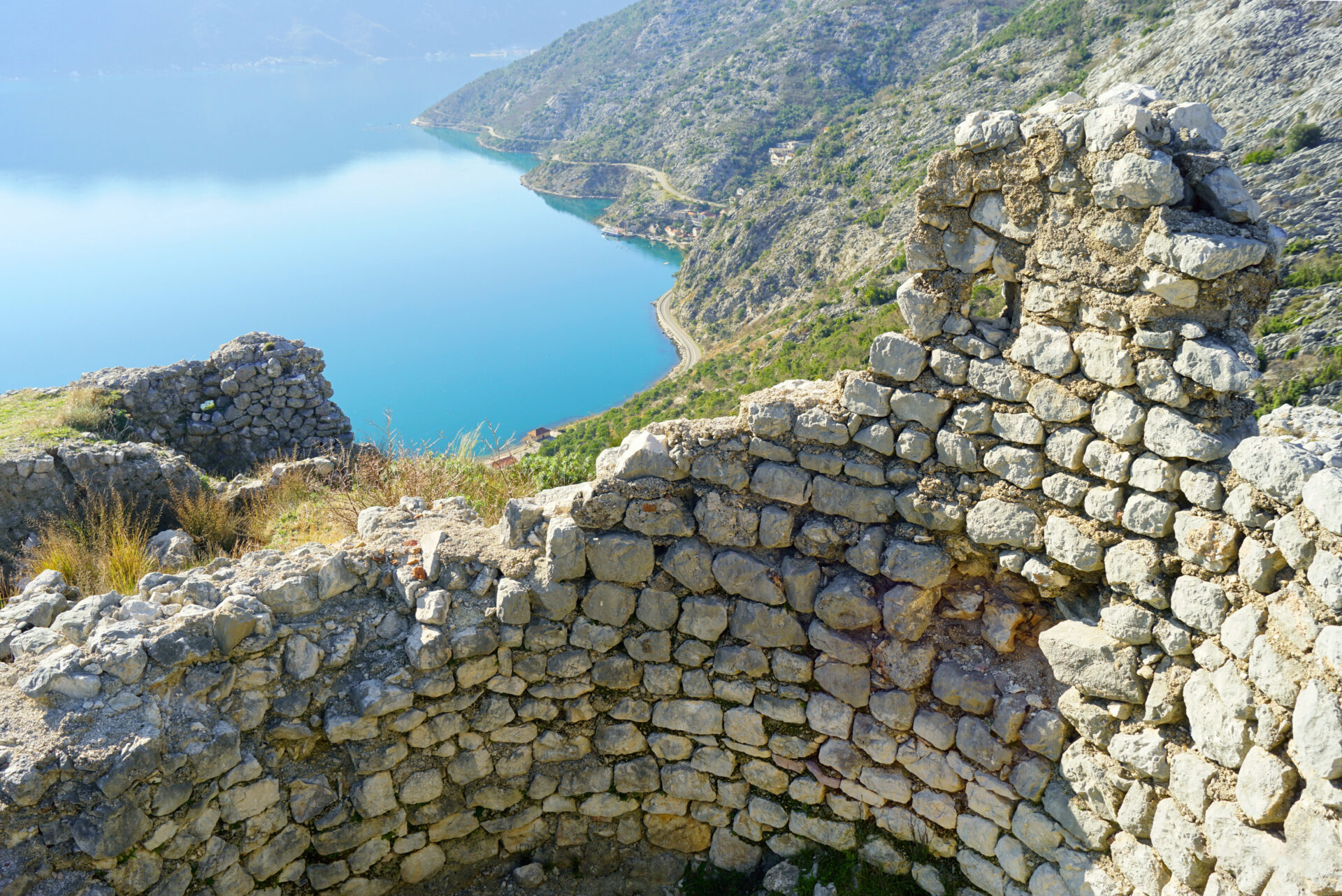
Risan, Montenegro
“The Romans were scandalized that a woman would command armies and fleets,” Marko said, steering us past hidden coves that once sheltered Illyrian raiders. “But Illyrian society seemed to give women more authority than most ancient cultures. Teuta wasn’t an exception—she was part of a pattern.”
The thing about Illyrian “piracy” that Roman sources conveniently omit: these waters had been controlled by Illyrian tribes for centuries before Rome decided the entire Mediterranean was their personal swimming pool. From the Illyrian perspective, they weren’t pirates—they were defending their territorial waters. (History is written by winners, but archaeology doesn’t lie.)
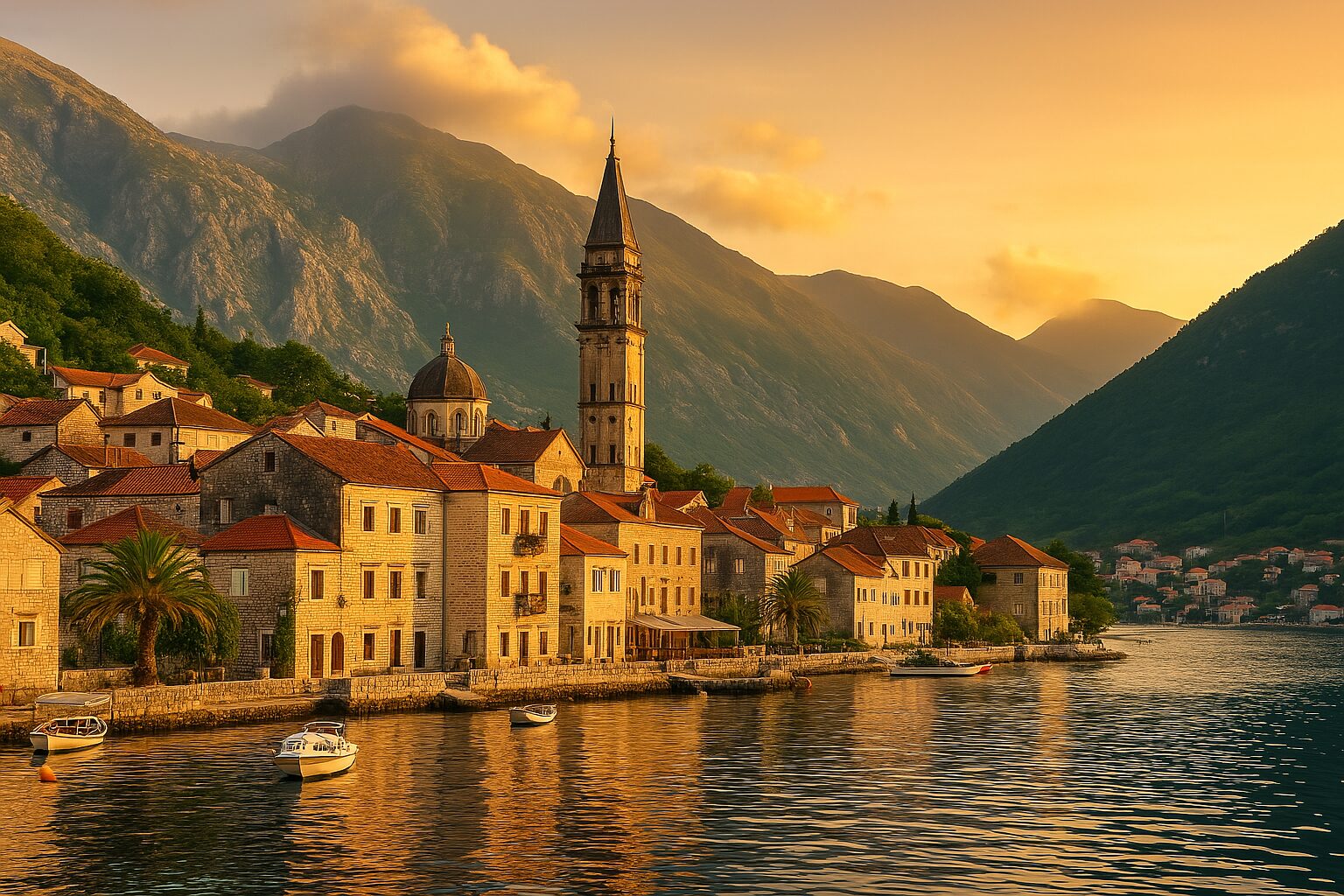
Risan harbor, Montenegro
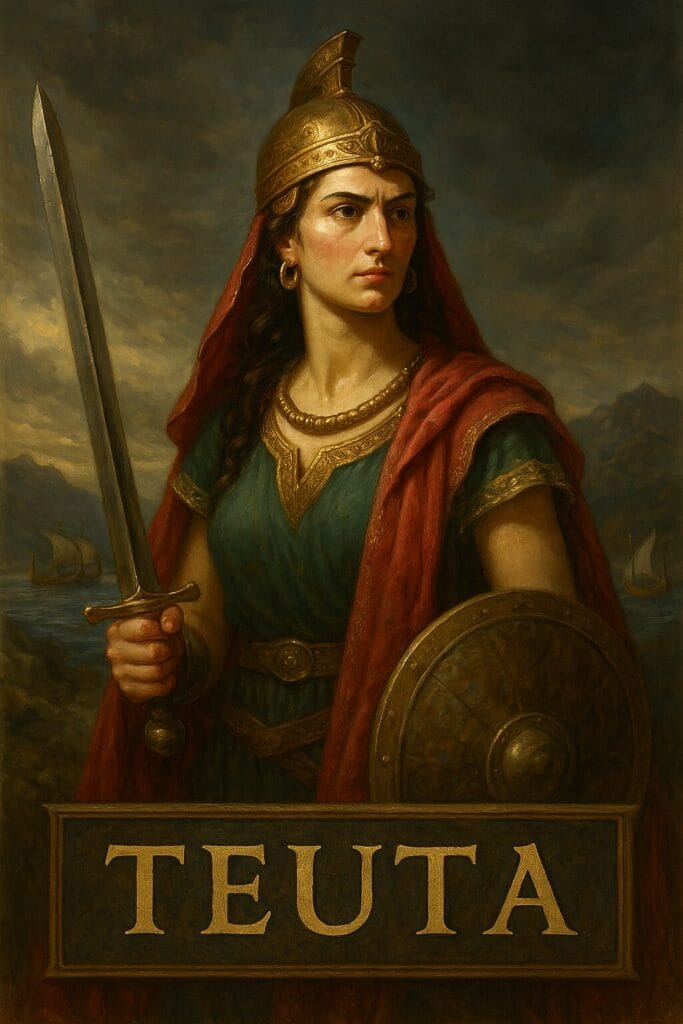
Queen Teuta (artistic reimagining—no contemporary portraits survive)
The Mountains That Remembered When Empires Forgot
The coastal Illyrian kingdoms—Teuta’s realm, the later Kingdom of Gentius—they’re the ones that made it into Roman history books because they threatened trade and had to be crushed. But up in the highlands of what’s now Bosnia and northern Albania, different Illyrian tribes maintained their independence far longer by simply being too difficult to conquer.
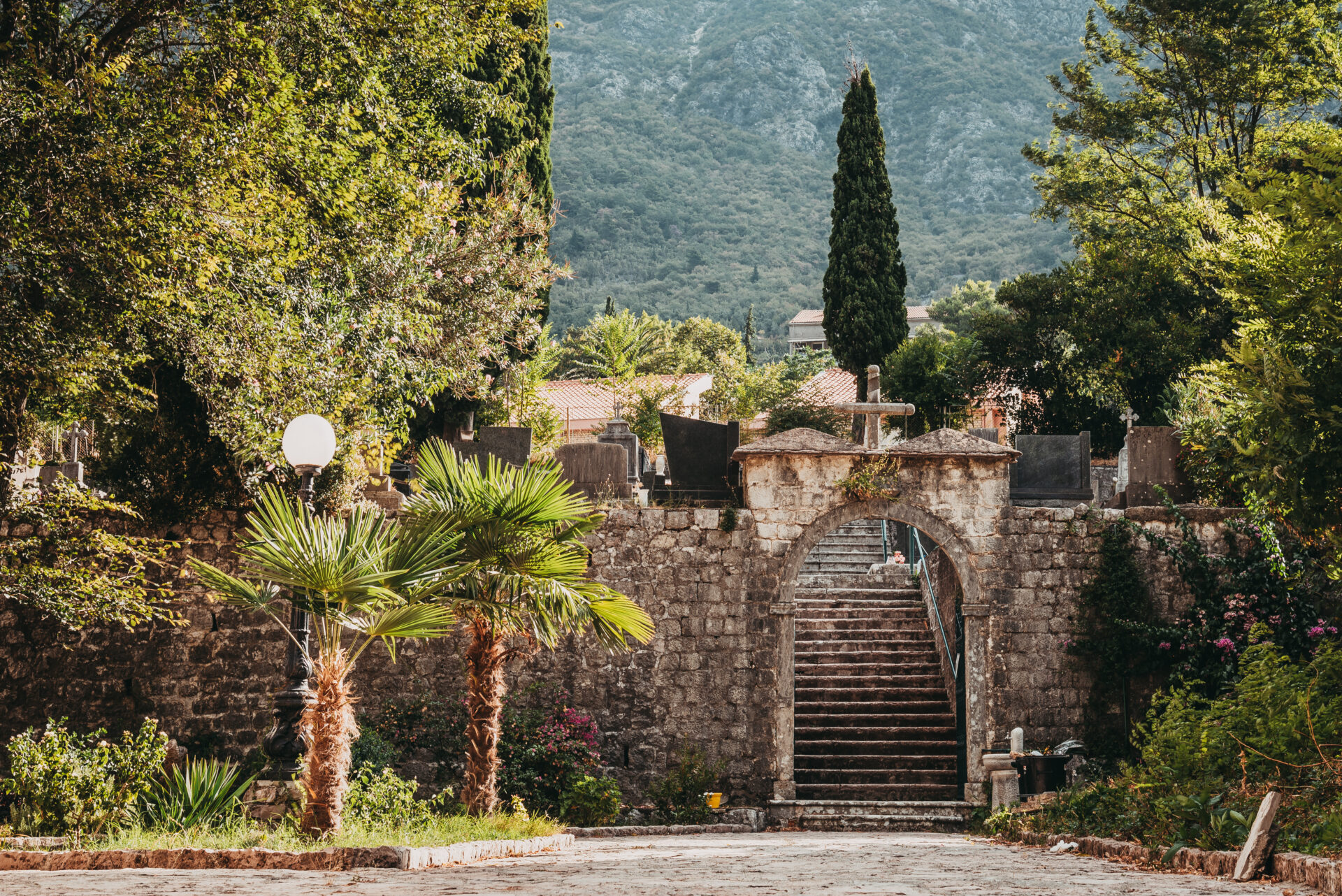
Risan, Montenegro
I hiked the Glasinac Plateau with my Bosnian guide Mirad in September 2024 (early autumn is perfect—summer’s too hot, winter’s impassable). We’re talking rolling meadows at 900+ meters elevation, dotted with Bronze Age burial mounds that look like natural hills until you realize they’re too perfectly shaped.
“The Autariatae tribe controlled salt mines up here,” Mirad explained as we caught our breath at a tumulus containing a 2,500-year-old warrior chief. “Salt was as valuable as gold. They fought bitter wars with coastal tribes over trade routes. The Romans eventually conquered them, but they had to work for it.”
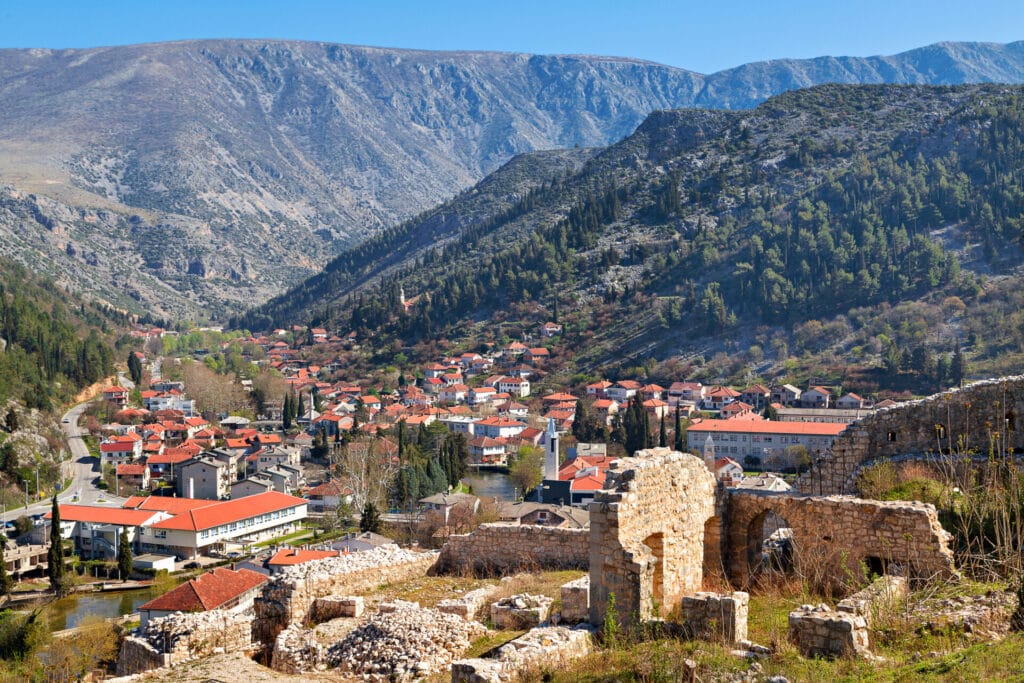
Stolac, Bosnia and Herzegovina (near Daorson archaeological site)
At nearby Daorson, massive cyclopean walls—stone blocks weighing multiple tons—have stood for over 2,000 years. The Daorsi tribe allied with Rome early, which is the only reason their city wasn’t destroyed. They even minted their own coins, which you can see at the small museum in Stolac (€3 entry, closed Mondays and whenever the curator feels like taking a day off).
Pro Tip: Carry cash in the Balkans. Half the archaeological sites don’t take cards, and the other half don’t have anyone there to take your money at all. Also, learning basic phrases in Albanian, Bosnian, or Croatian opens doors—and gets you invited to share homemade rakija with locals who know where the unexcavated sites are.
How Rome Ended It (Quickly, Brutally, Permanently)
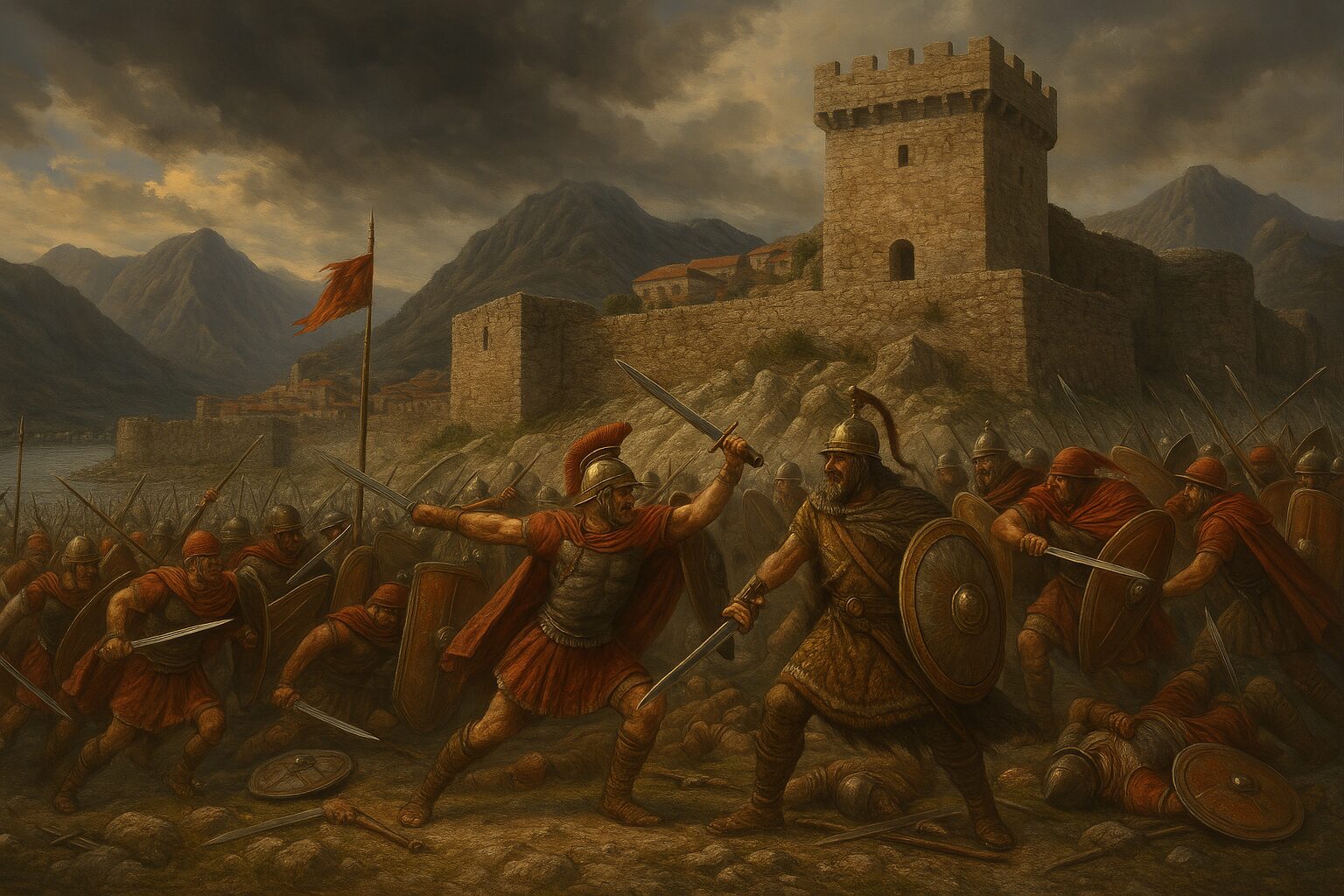
The final collapse came fast. In 168 BCE, King Gentius made the catastrophically bad decision to ally with Perseus of Macedon against Rome. The Roman praetor Lucius Anicius Gallus defeated Gentius’s forces in just 30 days, captured the king at Shkodër, and paraded him through Rome in chains.
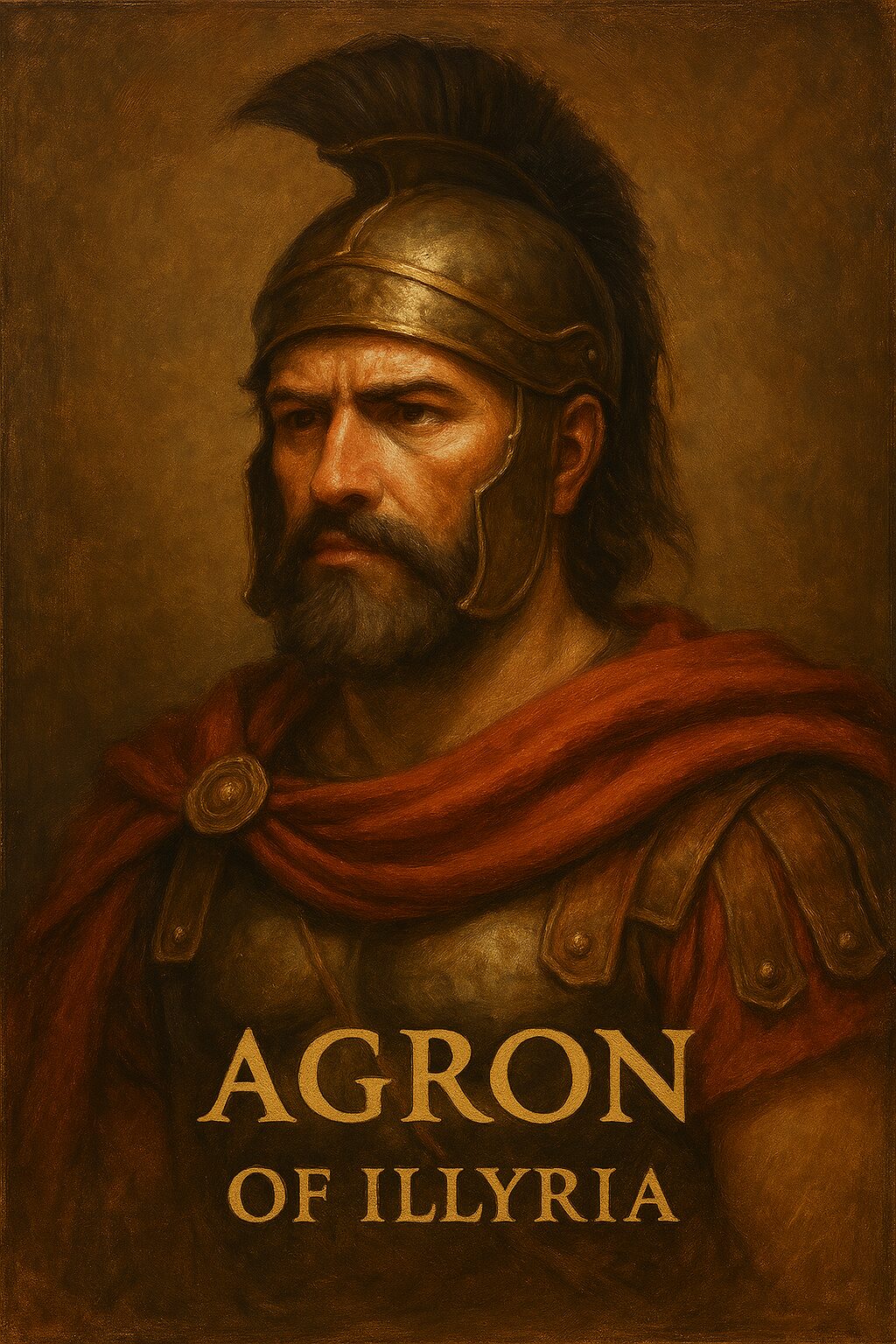
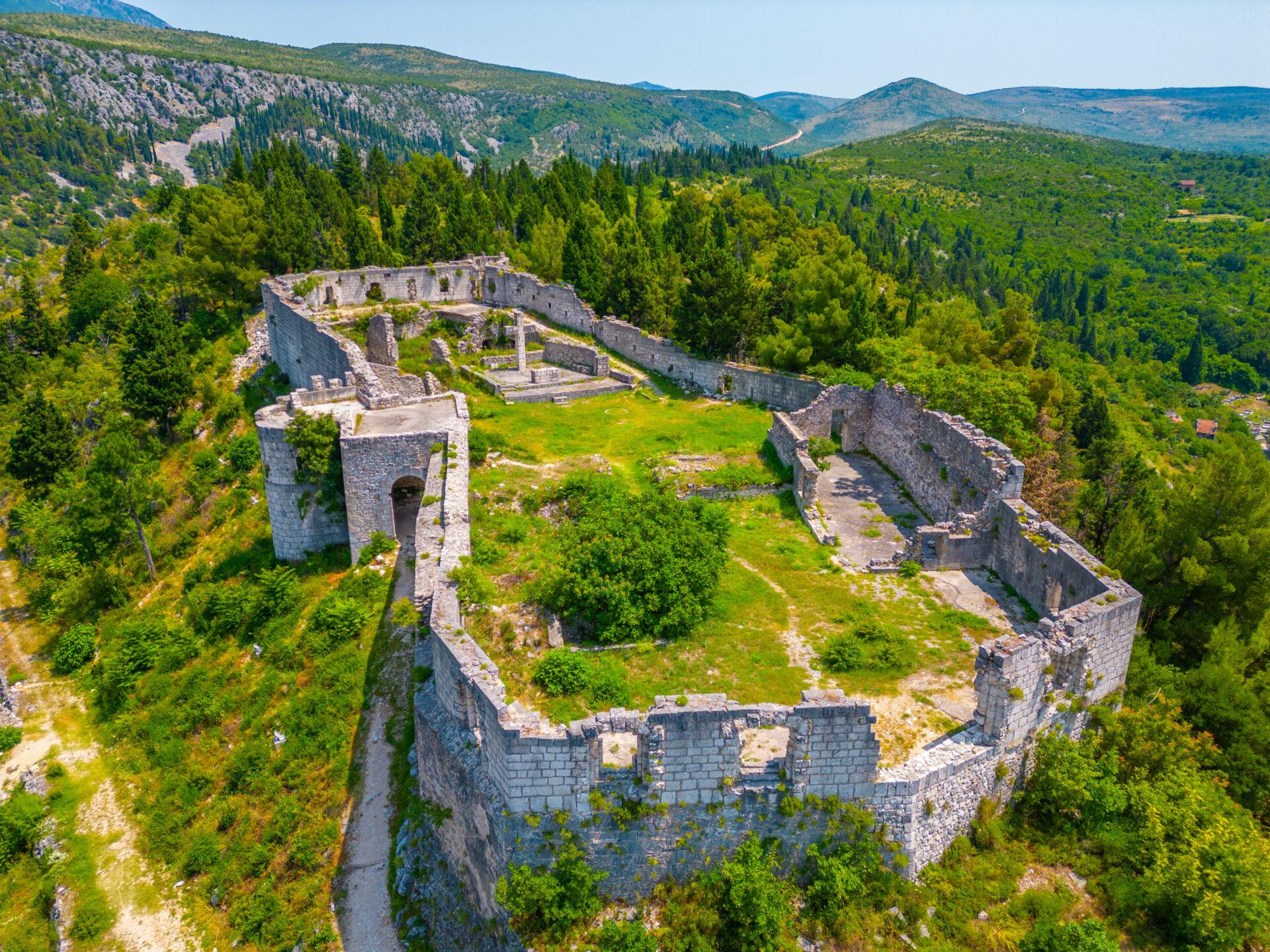
I’ve stood in the ruins of Gentius’s fortress at Rozafa Castle during a thunderstorm (do not recommend—the rocks get incredibly slippery), trying to imagine watching Roman legions march up that hill knowing your thousand-year-old way of life was about to end.
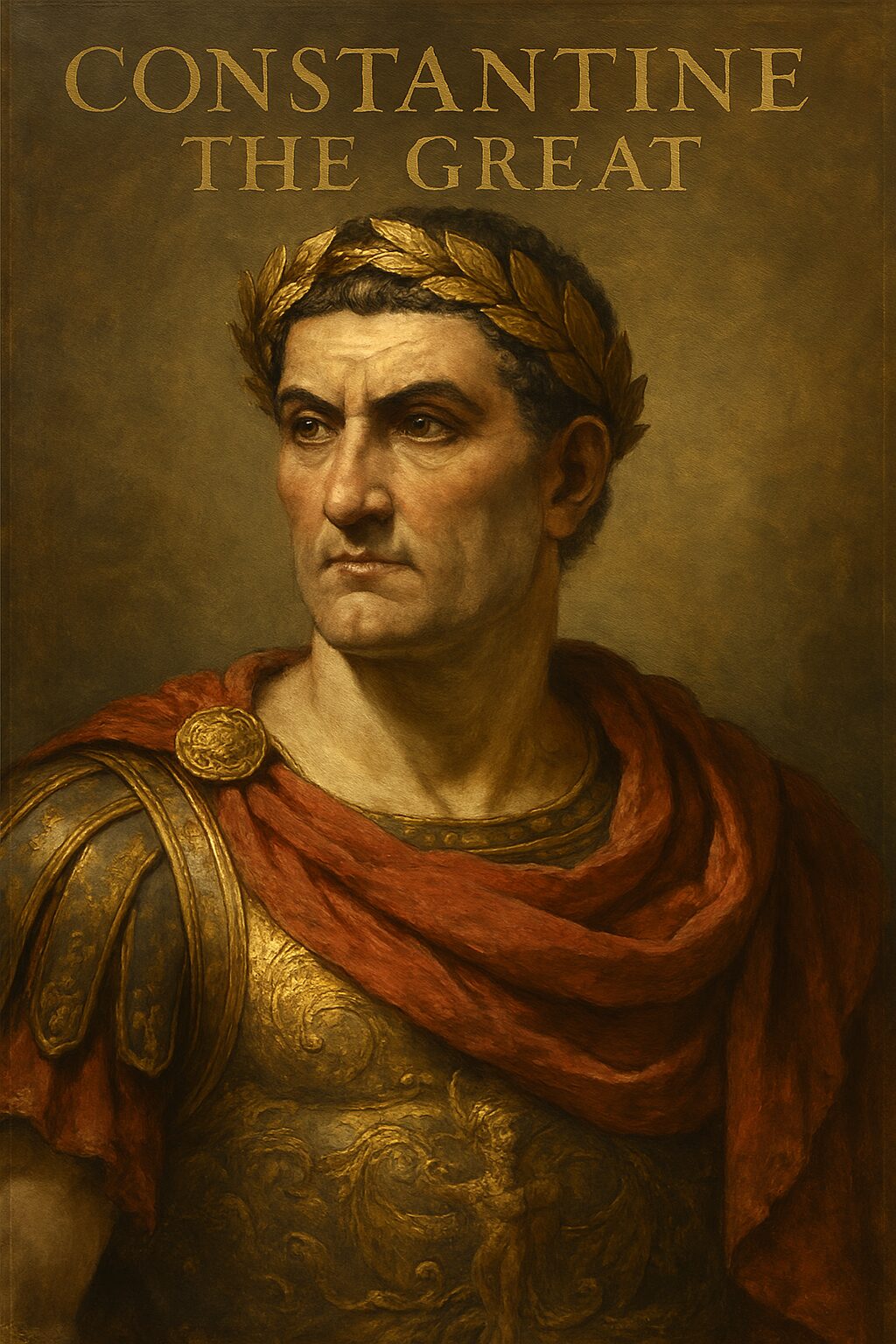
But here’s the complicated part: the Illyrians didn’t just disappear. They became Roman. Many joined the legions. By the 3rd and 4th centuries CE, the provinces of Illyricum were producing Roman emperors—Diocletian, Constantine the Great—men of Illyrian origin who identified as Roman but carried Illyrian blood.
The Genetic Proof My Mother Was Right All Along
At Tirana’s National History Museum (€5 entry, allow 2-3 hours), I met with Professor Elena Jubani, who specializes in Illyrian studies. We stood beneath the museum’s Socialist-era mosaic (it’s absurdly propagandistic but photographically spectacular) while she explained why the Albanian-Illyrian connection has been both scholarly pursuit and political football.
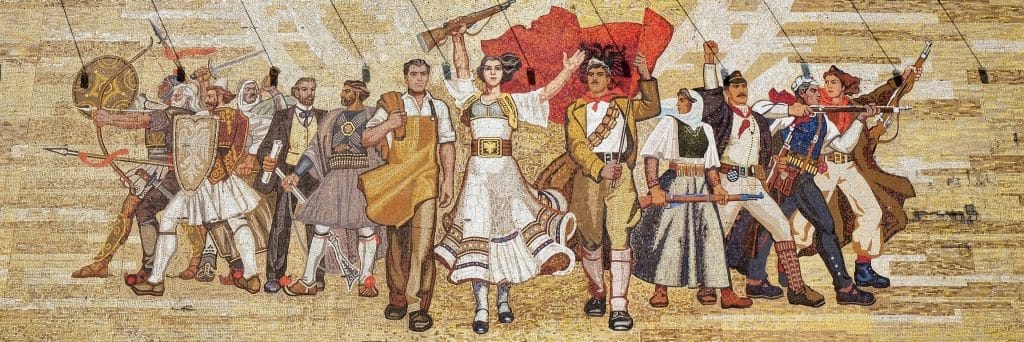
National History Museum, Tirana
“For decades, we had suggestive evidence—linguistic remnants, place names, cultural practices,” she said. “But the 2023 genetic studies changed everything. We now have measurable proof of biological continuity from Bronze Age Illyrian populations to modern Albanians.”
The linguistic evidence remains frustratingly incomplete—we simply don’t have enough Illyrian language samples for definitive proof. But genetics doesn’t lie. Modern Albanians show Y-DNA lineages (E-V13, J2b2, R1b-Z2103) that connect directly to Bronze Age Balkan populations, including those archaeologically identified as Illyrian.
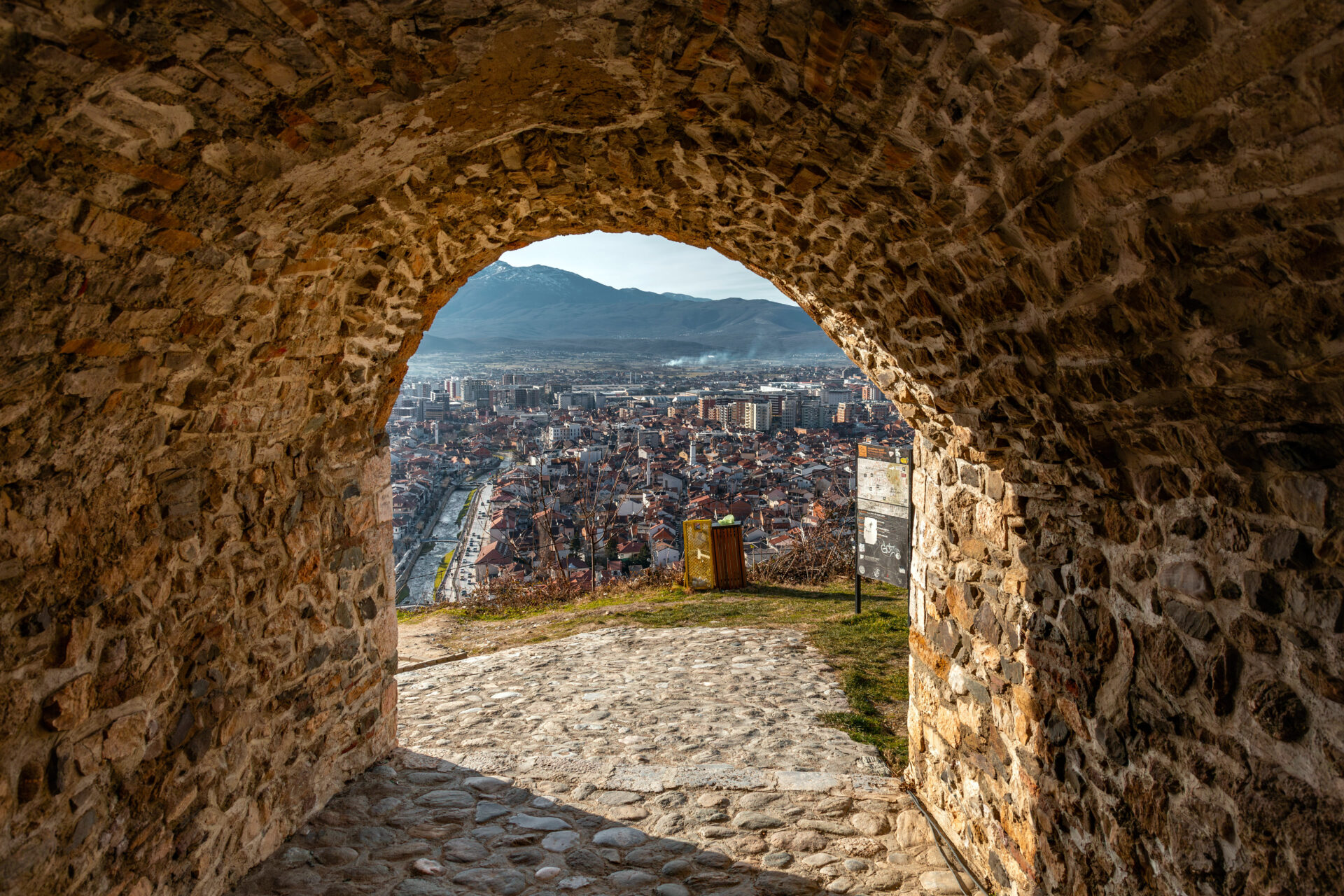
Prizren, Kosova
Where to Actually See Illyrian Heritage (With Real Prices and Logistics)
After a decade of obsessively visiting these sites, here’s my honest guide to the best Illyrian experiences:
Butrint (Southern Albania, near Saranda): €10 entry, world-class site with layers from Greek, Illyrian, Roman, and Byzantine periods. The Illyrian fortifications date to 4th century BCE. Allow half a day. Bring water and sun protection—there’s minimal shade.
Apollonia (Near Fier): €5 entry, spectacular hilltop ruins with an excellent small museum. The Illyrian-era monumental wall is staggering. Best visited in spring when wildflowers bloom among the ruins.
Rozafa Castle (Shkodër): €2 entry, incredible views, actual site of King Gentius’s last stand. The current fortifications are mostly Venetian, but Illyrian and Roman foundations are visible. The sunset view over Lake Shkodër is worth the admission alone.
Daorson (Near Stolac, Bosnia and Herzegovina): Technically free (nobody’s there to charge you), but the site deserves a €5+ donation if you can find anyone. Bring a local guide or you’ll miss half of it. The cyclopean walls are mind-blowing.
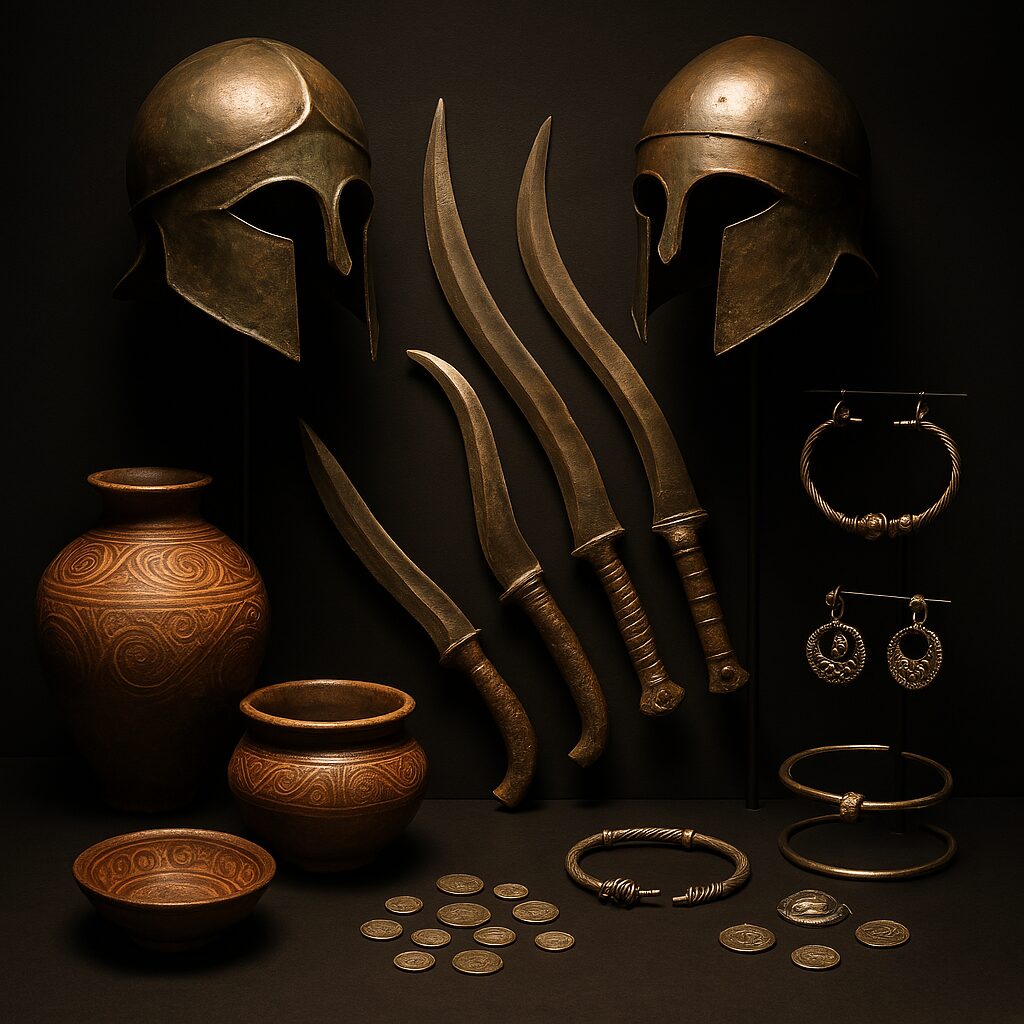
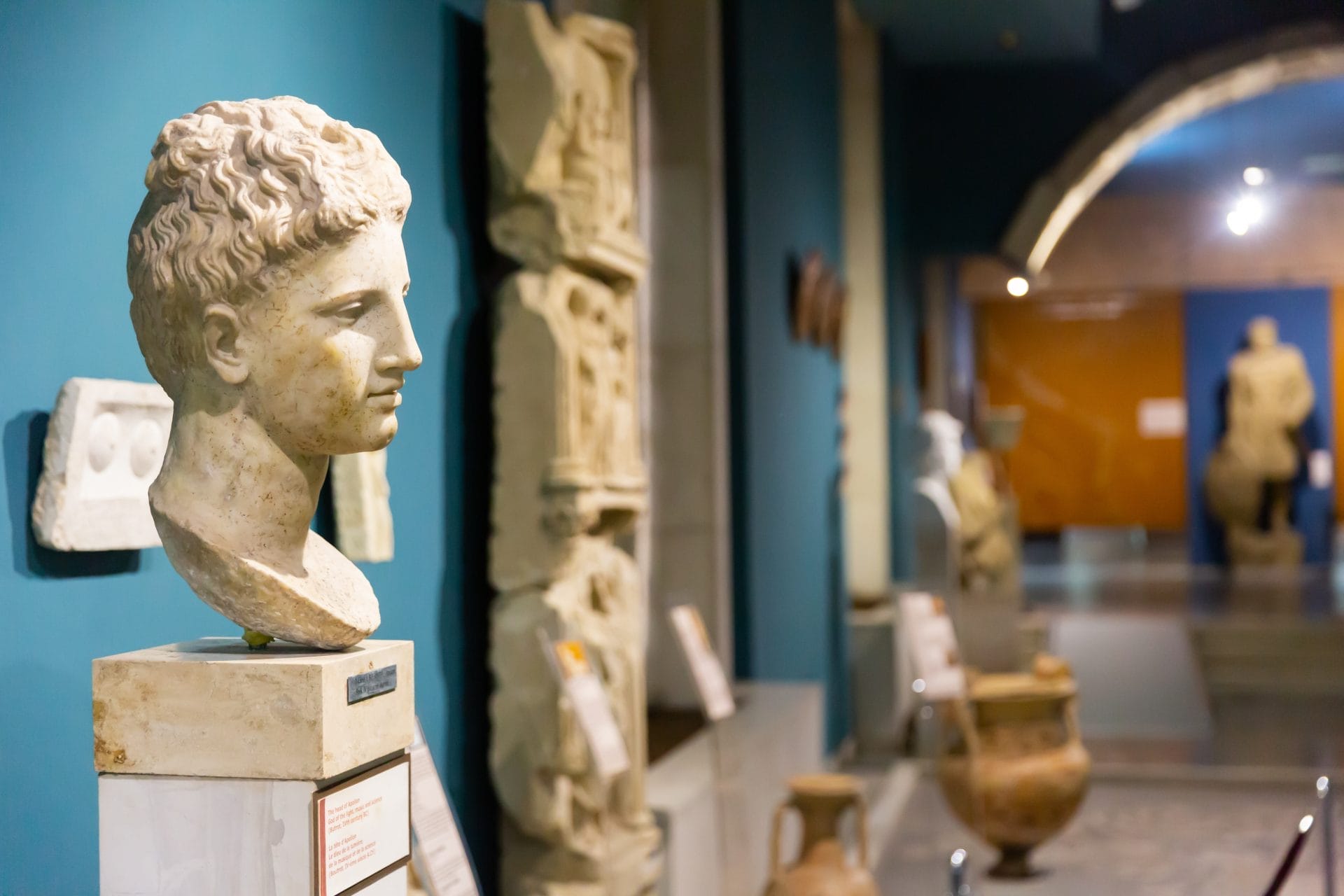
National History Museum, Tirana: €5 entry, Albania’s best collection of Illyrian artifacts including bronze weapons, jewelry, and the famous “Illyrian Helmet” from the 6th century BCE. Don’t miss the Pavilion of Antiquities on the ground floor.
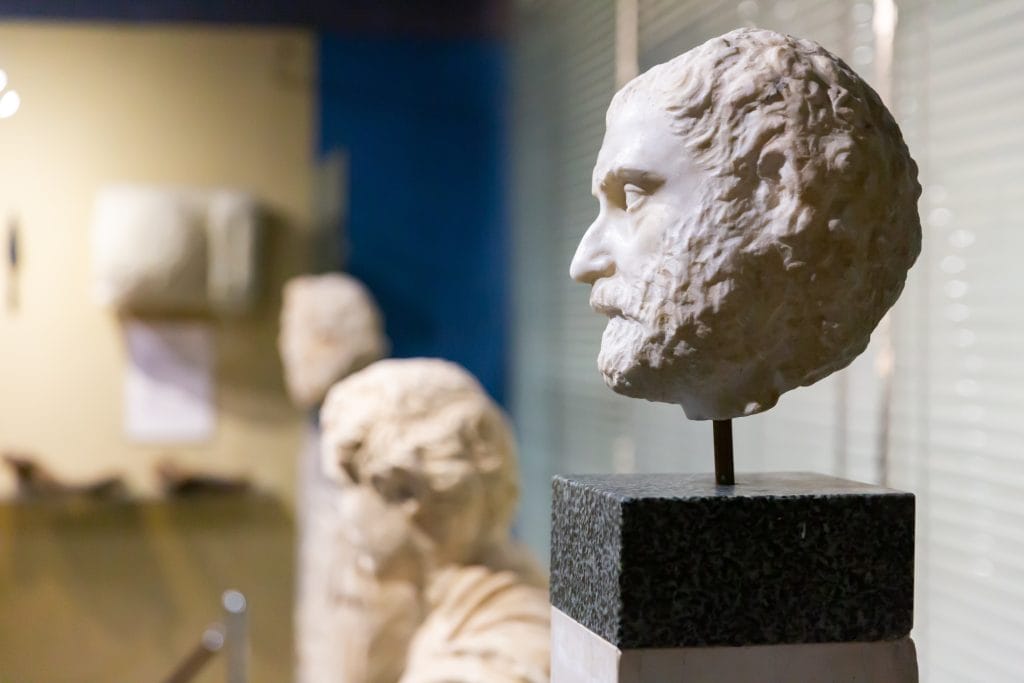
Illyrian artifacts, National History Museum, Tirana
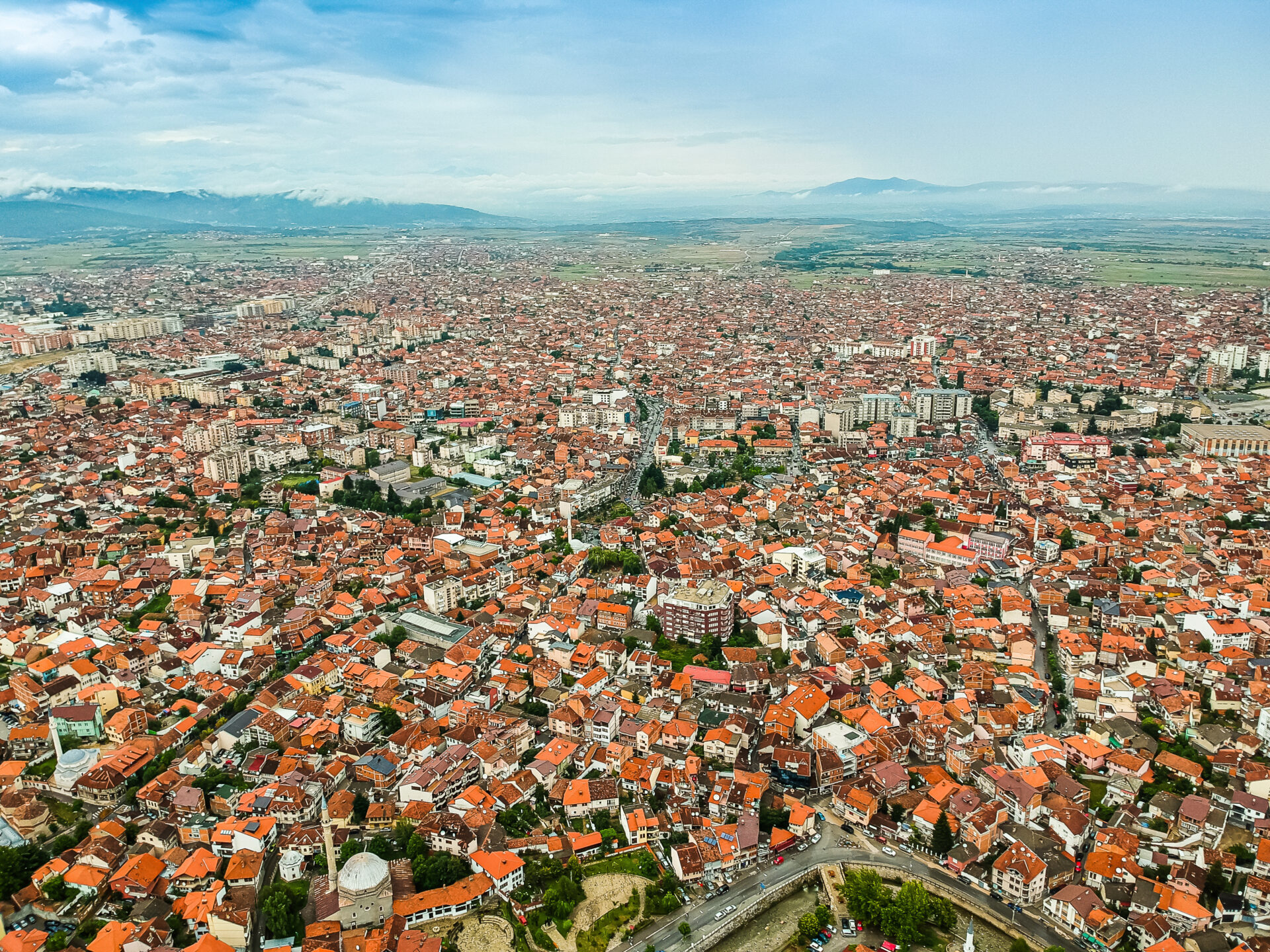
Prizren, Kosova
Glasinac Plateau (Bosnia and Herzegovina): Free but difficult to access without a car. Hire a local guide in Sokolac (€40-60 for half-day). Spring and early autumn only—winter makes the roads impassable.
The Living Heritage Nobody Talks About
On my final evening in Albania, I attended a traditional polyphonic singing performance in a village near the Ionian coast (€15 including homemade wine and byrek). The iso-polyphony—recognized by UNESCO as intangible cultural heritage—might be one of the few surviving Illyrian cultural elements, predating Slavic migrations.
I spoke afterward with Ilir (his name literally references Illyrian heritage), one of the elderly singers. When I asked about historical connections, he said something that’s stuck with me:
“We don’t need to prove we are Illyrians. The mountains remember who we are, even when books and borders change. The old songs carry memories older than any written history.”
FAQ: Everything You Actually Want to Know
Can I really trace my ancestry to the Illyrians? If you’re of Albanian descent, the 2023 genetic studies suggest yes—measurable biological continuity exists. For others in the Western Balkans, it’s more complicated (Slavic migrations in the 6th-7th centuries CE brought new populations), but genetic testing can reveal Illyrian markers.
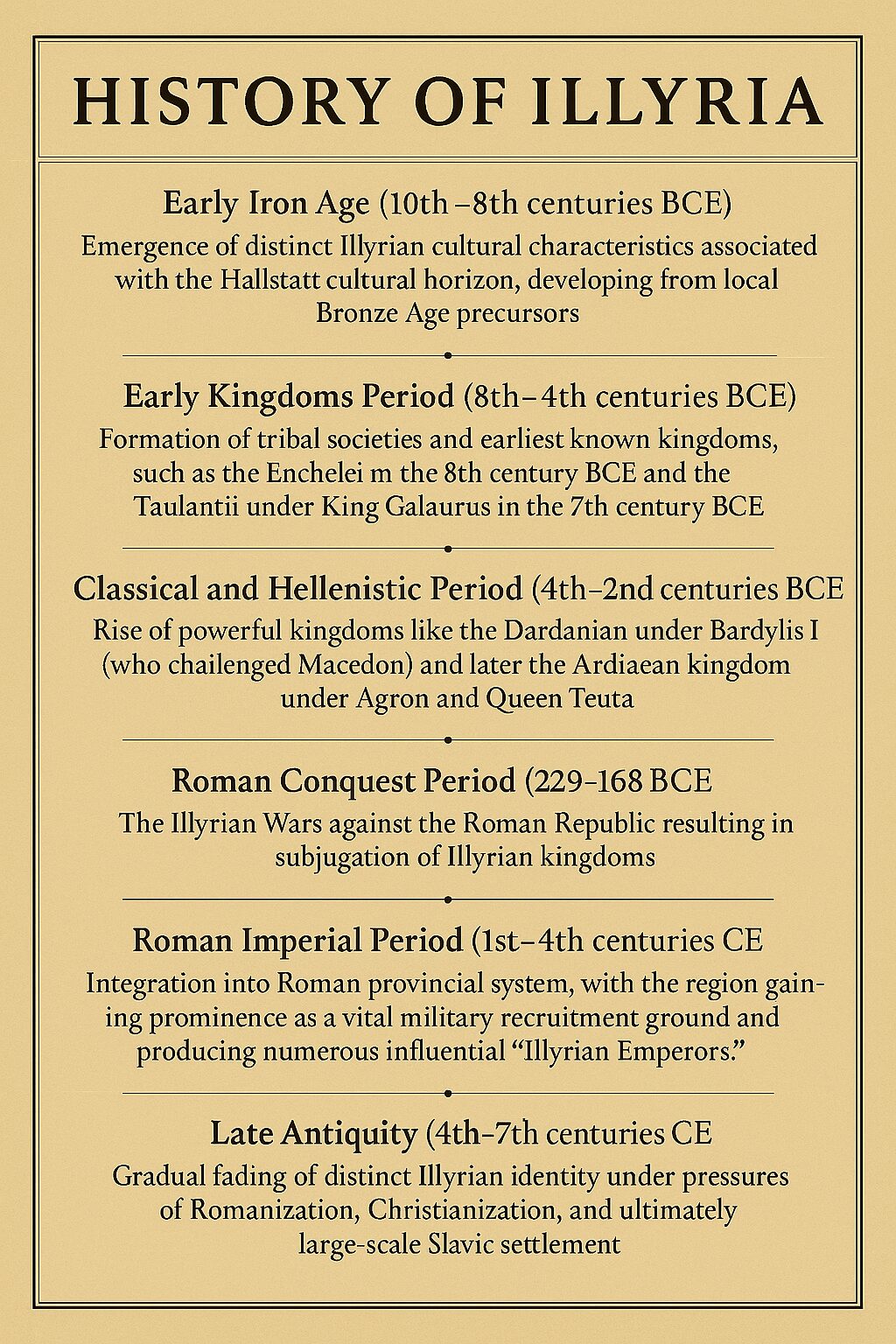
Why did the Illyrians “disappear” from history? They didn’t disappear—they transformed. Roman conquest (168 BCE-9 CE), Romanization over centuries, then Slavic migrations in the 6th-7th centuries changed languages and cultures. But genetic evidence shows many people stayed in place.
What’s the best time to visit Illyrian archaeological sites? Spring (April-June) and early autumn (September-October). Summer heat in July-August is brutal, especially at exposed hilltop sites. Winter rain makes unpaved sites muddy and sometimes inaccessible.
Do I need a guide? For major sites like Butrint and Apollonia, no—they’re well-marked and have museums. For highland sites like Daorson, Gajtan, or Glasinac, absolutely yes—you’ll miss 90% of it otherwise, and some require 4WD access.
How much should I budget for an Illyrian heritage tour? One week hitting major sites in Albania and one country (Bosnia or Montenegro): €800-1,200 including accommodation, car rental, site entries, and guides. Albania is incredibly affordable—dinner rarely exceeds €15-20 per person.
Why This Matters (Beyond My Personal Obsession)
The Illyrians were written out of popular history because they didn’t leave massive monuments like Egypt or literary works like Greece. They lost to Rome. Their language died. For centuries, they existed mainly as footnotes in Roman military histories.
But archaeology and genetics are rewriting that story. These weren’t “barbarians”—they were sophisticated traders, innovative metalworkers, feared sailors, and strategic builders who controlled the Adriatic for centuries. They minted coins, formed political leagues, built cyclopean fortifications, and produced artwork that influenced Greek and Roman styles.
For modern Albanians, Bosnians, Montenegrins, and others in the Western Balkans, this isn’t academic—it’s identity. It’s proof that our ancestors weren’t just conquered peoples, but civilizations in their own right.
Standing at Byllis at sunset, looking across the Vjosa Valley where Illyrian tribes once formed political leagues and resisted empires, I think about what my mother was trying to tell me. Not that we’re special because we’re Illyrian, but that we’re connected—to this land, to these stones, to three thousand years of continuous human presence.
The Illyrians didn’t disappear. They’re still here. You just have to know where to look.
.travel-tips { font-family: system-ui, sans-serif; background-color: #fefefe; /* White */ border: 1px solid #504f50; /* Emperor */ border-radius: 16px; padding: 2rem; margin: 2rem 0; box-shadow: 0 6px 18px rgba(12, 12, 12, 0.06); /* Cod Gray shadow */ max-width: 860px; margin-left: auto; margin-right: auto; } .travel-tips-logo { display: flex; align-items: center; gap: 12px; margin-bottom: 1.5rem; } .travel-tips-logo img { height: 36px; } .travel-tips h3 { font-size: 1.75rem; color: #0c0c0c; margin-bottom: 1.5rem; border-bottom: 3px solid #fd1113; /* Red */ display: inline-block; padding-bottom: 0.3rem; } .travel-tips ul { list-style: none; padding: 0; margin: 0; } .travel-tips li { padding: 1rem 0; border-bottom: 1px solid #eee; color: #0c0c0c; line-height: 1.6; } .travel-tips li:last-child { border-bottom: none; } .travel-tips strong { color: #504f50; /* Emperor */ } .travel-tips a { color: #fd1113; text-decoration: none; font-weight: 500; } .travel-tips a:hover { text-decoration: underline; }
Practical Travel Tips
- Best Season: Spring (April-June) and autumn (September-October) offer perfect weather for archaeological exploration. July-August heat at exposed hilltop sites is punishing.
- Local Guides: Essential for remote sites like Daorson, Gajtan, or Glasinac Plateau. Major sites like Butrint and Apollonia are well-marked and don’t require guides.
- Transportation: Rent a car (€25-40/day). Public transportation reaches major sites but remote Illyrian ruins require 4WD and local knowledge.
- Language: English works in cities and major tourist sites. Learn basic Albanian, Bosnian, or Croatian phrases for rural areas—locals genuinely appreciate the effort and share better stories.
- Cash is King: Many archaeological sites don’t accept cards. Carry small bills (€5-20 notes) for admission fees, tips, and roadside purchases.
- Respect Active Excavations: Sites like the new Illyrian town between Shkodër and Lezha are active digs. Don’t cross barriers or remove artifacts—archaeological context matters more than souvenirs.