The Caves Nobody Talks About
Here’s what doesn’t make it into the Balkan tourism brochures: Albania has some of the oldest continuous human settlement in Europe, dating back 40,000-50,000 years to the Upper Paleolithic. Not Greece. Not Italy. Albania.
Pellumbas Cave, just 25 kilometers south of Tirana, preserves evidence of human occupation spanning tens of thousands of years. Stone tools, animal bones from hunted prey, and traces of fire pits document how Paleolithic humans survived Ice Age conditions in the Albanian highlands.
What makes this remarkable isn’t just the age—it’s that Albanian archaeology gets maybe 1% of the attention lavished on Greek or Roman sites, despite preserving one of the most complete prehistoric sequences in the Mediterranean. I’ve watched tourists plan entire Balkan trips around Delphi and Olympia while sleeping 40 minutes from caves that predate Greek civilization by 35,000 years.
The 8,000-Year-Old Village on Stilts
In 2024, archaeologists published 30 years of research on the Sovjan lake-dwelling settlement near Lake Ohrid, documenting nearly six millennia of continuous occupation from the Neolithic period (around 7000 BCE) through the Iron Age. The findings pushed back the timeline for permanent settlements in the region by several centuries—contradicting previous assumptions about when sedentary agriculture began in the Balkans.
Near the village of Lin, another settlement from around 6,000 BCE built houses on wooden stilts extending into the lake—possibly the earliest lake village of its kind in Europe. These weren’t primitive huts. The structures show sophisticated understanding of hydraulic engineering, seasonal flooding patterns, and community planning that wouldn’t look entirely foreign to modern lakeside developers (minus the Bronze Age pottery and obsidian tools).
The Sovjan research demonstrates something archaeologists have suspected but couldn’t prove: the Albanian lake basins provided ecosystems so favorable to human settlement that communities transitioned from hunting-gathering to permanent agriculture earlier than their neighbors in Greece or the northern Balkans.
When the Illyrians Arrived (And Who They Actually Were)
Around 2000 BCE—roughly 4,000 years after those Neolithic lake villages were already thriving—Indo-European pastoralists we now call Illyrians moved into the Albanian highlands. They weren’t invaders who wiped out earlier populations. Genetic and archaeological evidence suggests they absorbed existing communities, creating hybrid cultures that combined Bronze Age metalworking with older agricultural traditions.
The Illyrians built hilltop settlements designed for defense—not because they were constantly at war, but because hilltop locations offered better sight lines for spotting raiders, controlled access to water sources, and provided natural fortification during the occasional tribal dispute over grazing rights or bronze deposits.
My grandfather’s village near Gjirokastër sits on an Illyrian hillfort site. The medieval castle foundations rest on Bronze Age stone walls, which themselves incorporate even older Neolithic-era construction. Albanian settlements don’t get abandoned and rebuilt elsewhere—they just add layers, like geological strata made of human stubbornness.
Bronze, Iron, and the Technology Gap Nobody Mentions
The Bronze Age (2000-1000 BCE) created Albania’s first significant wealth inequality. Tribal leaders who controlled copper mines in the northern mountains or tin trade routes could outfit warriors with bronze weapons and armor. Everyone else used stone tools and hoped the chiefs felt generous.
By 1000 BCE, ironworking technology arrived from Anatolia via Greek colonies, democratizing military power almost immediately. Iron ore was far more common than copper-tin bronze alloys, meaning any village with a decent blacksmith could now arm itself. This technological shift undermined bronze-hoarding chiefs and forced Illyrian society toward more complex political structures based on alliances rather than just metal monopolies.
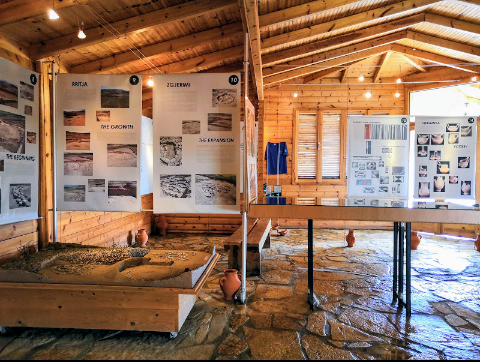
The Tumulus of Kamenica near Korça—a massive burial mound from around 600 BCE—shows how elaborate these elite tombs became. Gold jewelry, imported Greek pottery, iron weapons, and even sacrificed horses accompanied the deceased chief. The tumulus required hundreds of workers weeks of labor, suggesting either genuine respect for the leader or well-organized coercion (probably both).
What the Greeks Brought (Besides Wine and Debt)
Around 700 BCE, Greek merchants from Corinth and other city-states established trading posts (emporia) along Albania’s Adriatic and Ionian coasts. These weren’t colonies in the settlement sense—more like duty-free zones where Greeks could trade manufactured goods (pottery, wine, olive oil, bronze tools) for Illyrian raw materials (timber, copper, iron, livestock, slaves).
The cultural exchange worked both ways. Illyrians adopted Greek gods (Zeus became identified with their thunder deity, Apollo with solar worship), incorporated Greek loanwords into their language, and began using Greek-style pottery. Some coastal Illyrian chiefs hired Greek tutors for their children, built Greek-style temples, and generally tried to out-Hellenize each other to impress visiting merchants.
Inland tribes viewed this Greek-influenced coastal elite with suspicion—not entirely unfair, given that these Hellenized chiefs often brokered deals selling interior tribes’ resources to Greek traders at marked-up prices. The cultural divide between coast and interior that still characterizes Albania today has roots in this Bronze-Iron Age economic dynamic.
When Rome Came for the Silver Mines (and Everything Else)
In the 3rd-2nd centuries BCE, Rome started paying very close attention to Illyria—not for cultural enlightenment, but because Illyrian pirates were raiding Italian merchant ships in the Adriatic, and because Illyrian territory controlled access to Macedonian silver mines that Rome coveted.
The Romans framed their initial military campaigns (229 BCE, 219 BCE) as anti-piracy operations. They were actually territorial conquest dressed up as law enforcement—a pattern Rome would perfect over the next few centuries.
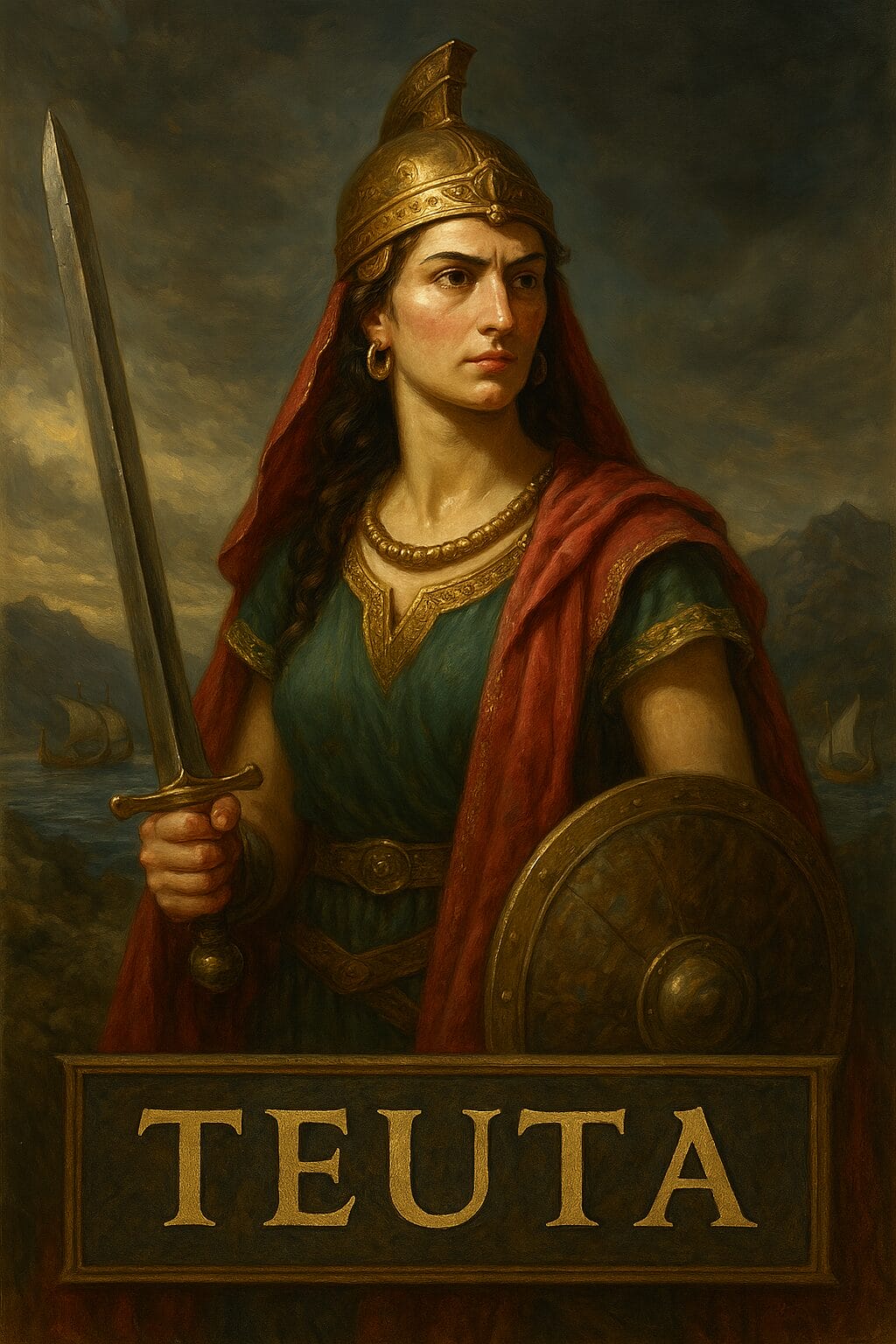
Queen Teuta of the Ardiaei tribe fought back during the First Illyrian War (229-228 BCE), leading a confederation of tribes against Roman expansion. She lost, surrendered, and died shortly after—though Roman historians portray her as a pirate queen, Illyrian sources (what survives of them) suggest she was defending trade routes Rome wanted to monopolize.
By 168 BCE, after the Third Illyrian War, Rome had conquered most of modern Albania. The defeat of King Gentius marked the end of independent Illyrian kingdoms. What followed was gradual Romanization—construction of roads like the Via Egnatia, establishment of cities like Apollonia and Durrës, and systematic integration of Illyrian elites into Roman administrative structures.
What Survives from 2,000 Years Ago
Despite centuries of Roman, Byzantine, Ottoman, and communist rule, bits of Illyrian culture persist in Albania with remarkable stubbornness:
The Kanun - Albania’s traditional honor code has roots in Illyrian tribal law, predating both Islam and Christianity. The concept of besa (keeping one’s word) appears in ancient Greek accounts of Illyrian customs.
Place names - Rivers like the Drin, Vjosa, and Mat; cities like Durrës (from Illyrian Epidamnos); regions like Labëria all preserve Illyrian-origin names that survived Latin, Slavic, Turkish, and Italian linguistic overlays.
Mountain shepherding - The annual transhumance (seasonal livestock movement) practiced in northern Albania follows patterns established during the Bronze Age, when Illyrian pastoralists developed routes optimized for avoiding both summer heat and winter snow.
The language itself - Modern Albanian is the only surviving descendant of ancient Illyrian languages, though so heavily influenced by Latin, Greek, Slavic, and Turkish that linguists debate how much prehistoric vocabulary actually survived. Words for basic concepts—family relationships, natural features, agricultural terms—show Illyrian roots, suggesting oral tradition preserved core vocabulary even as grammar and syntax evolved.
Walk through villages in the Albanian Alps, and you’ll find stone towers and defensive compounds that wouldn’t look entirely foreign to Bronze Age Illyrians, even if the construction techniques improved over 4,000 years. The hilltop sites remain optimal. The grazing routes still work. And Albanians still build fortified family compounds, because the landscape that shaped Illyrian settlement patterns never fundamentally changed—only the people occupying it adapted, absorbed invaders, and survived.
That’s 40,000 years of continuous habitation summarized. Not bad for a country most Europeans couldn’t locate on a map until the 1990s.