The Albania Nobody Expected (Least of All Us)
I left Albania in 1993, two years after communism collapsed. The country was a disaster—armed gangs from the 1997 pyramid schemes, crumbling infrastructure, emigration bleeding talent, and a government that couldn’t keep the lights on literally or figuratively.
When I visited Tirana in summer 2024, I barely recognized it. Glass towers where Soviet-style apartments stood. Outdoor cafes where bunkers once crouched. Twenty-somethings coding for German startups in coworking spaces. A music festival scene that attracts half of Europe.
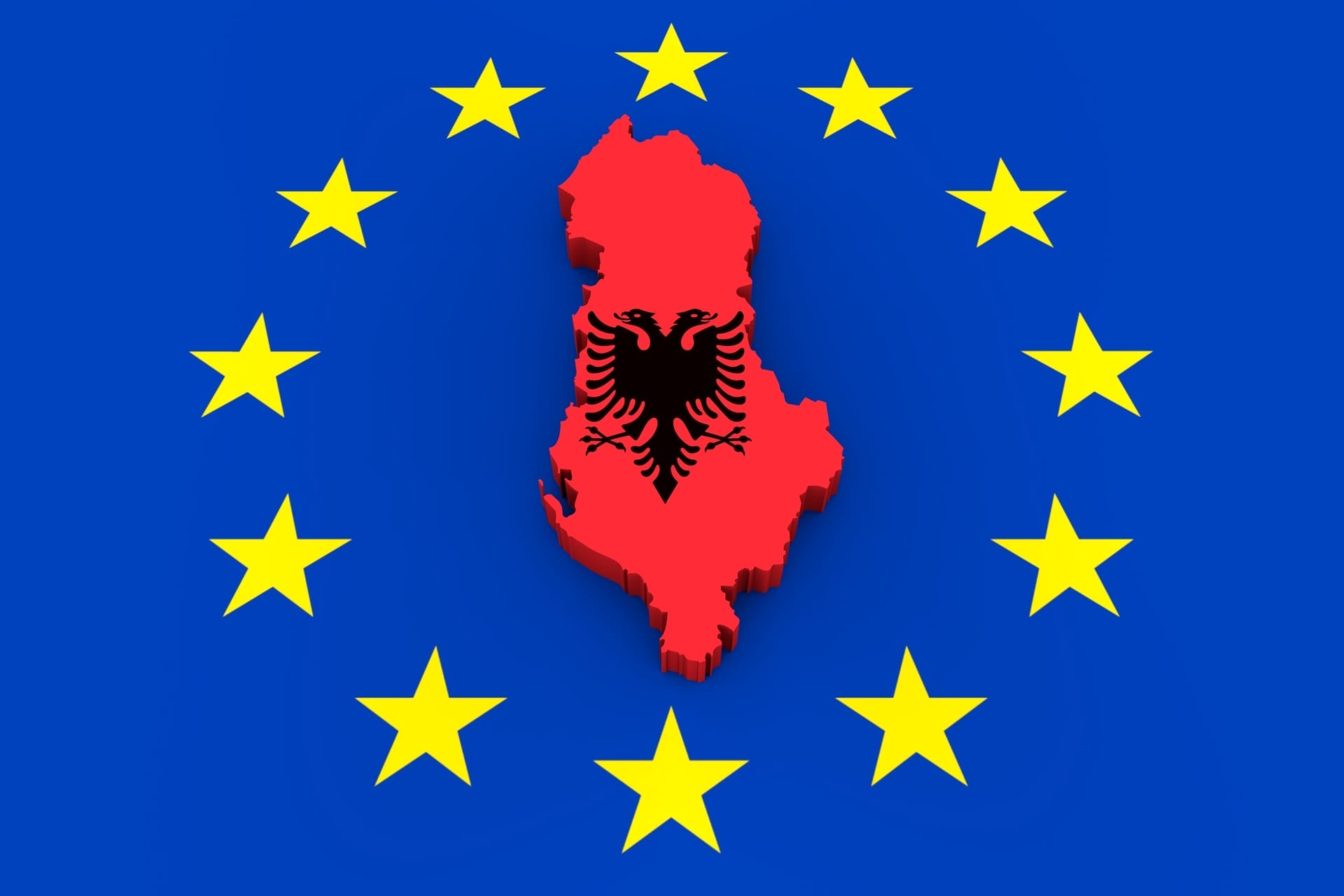
And—this still shocks me—actual progress toward EU membership. Albania opened 28 of 33 negotiating chapters with the EU in just 11 months. Prime Minister Edi Rama calls it “a record.” He’s not wrong.
But this isn’t a simple “Albania gets better” story. It’s messier, more contradictory, and more interesting than that.
The EU Accession Sprint Nobody Saw Coming (2024-2025)
Here’s what actually happened with Albania’s EU membership pursuit:
Timeline So Far:
- 2009: Applied for EU membership (16 years ago—let that sink in)
- 2014: Granted candidate status
- 2020: European Commission recommended opening accession negotiations
- July 2022: First intergovernmental conference—negotiations officially started
- 2024-2025: Acceleration nobody expected
Recent Progress (and yes, I’m as surprised as you):
- December 2024: Cluster 6 (External Relations) opened
- April 2025: Cluster 2 (Internal Market) opened + €64.5 million in pre-financing received (including €30M in concessional loans)
- May 2025: Cluster 3 (Competitiveness and Inclusive Growth) opened
- September 2025: Cluster 4 (Green Agenda and Sustainable Connectivity) opened
- Current status: 28 of 33 negotiating chapters open
PM Rama’s boast about “opening five clusters in 11 months is a record” is actually factually correct. Albania is moving faster through EU accession than Croatia, Bulgaria, or Romania did.
The Money:
- €922 million expected from EU through 2027
- €64.5 million already received (April 2025)
- Funds dedicated to judicial reform, infrastructure, environmental standards, and anti-corruption measures
The Timeline:
- Target: Close negotiations by 2027
- Goal: Full EU membership by 2030
I’ll believe it when I see it (typical Albanian skepticism), but the progress is real.
What’s Actually Improved (And What Hasn’t)
The Good:
Judicial reforms are happening—slowly, messily, but happening. The Constitutional Court is fully staffed with vetted judges. Anti-corruption agencies are investigating high-level officials (some even get convicted, which is progress). Property rights disputes are moving through courts instead of being settled by whoever knows more people in government.
My cousin is a lawyer in Tirana. She says the difference from 10 years ago is night and day. Courts actually function. Judges can’t be bribed as easily (keyword: as easily). The vetting process dismissed hundreds of corrupt judges and prosecutors.
Press freedom improved dramatically. Albania rose from 99th to 80th in the 2025 Press Freedom Index (Reporters Without Borders). That’s a big jump. Critical journalism exists now. Investigative reporters expose corruption without disappearing (mostly).
Tourism is booming. The Albanian Riviera attracted record numbers in 2024. Berat and Gjirokastër’s UNESCO sites are packed with visitors. Music festivals draw tens of thousands of Europeans who discovered Albania’s beaches are cheaper and less crowded than Greece or Croatia.
The tech sector is growing. Startup culture in Tirana reminds me of early-2000s Berlin—scrappy, ambitious, cheap rent, fast internet. Albanian developers work remotely for German and UK companies, earning European salaries while living in Albania where costs are 60% lower.
The Bad (Because It’s Albania, So Of Course):
Corruption hasn’t disappeared—it’s just gotten more sophisticated. The old-style “hand cash to a bureaucrat” corruption is less common. The new style involves shell companies, offshore accounts, and procurement contracts awarded to PM Rama’s friends. Transparency International still ranks Albania poorly. Everyone knows someone who paid a bribe for something in the past year.
Emigration continues bleeding talent. My high school class of 150 students? Maybe 40 still live in Albania. The rest are in Germany, UK, Italy, Greece, US, Canada. Young, educated Albanians leave because salaries are low, corruption is high, and opportunities are limited. The diaspora is larger than the population remaining in Albania—let that sink in.
Infrastructure is better but still patchy. The new airport terminal in Tirana is gorgeous. The highway connecting Tirana to Durrës is excellent. But drive 30 minutes outside major cities and you hit potholes that could swallow a car. Villages in the north still have unreliable electricity. Internet is fast in cities, nonexistent in mountains.
The Roma community faces persistent discrimination. Despite EU pressure and anti-discrimination laws, Roma Albanians struggle with housing, employment, education. Progress here is slow and frustrating.
What Modern Albanian Life Actually Looks Like (2024-2025)
Tirana in 2024 doesn’t resemble the grey Soviet city my parents remember. It’s chaotic, colorful, loud, and weirdly cosmopolitan:
- Cafes everywhere: Albanians drink more coffee per capita than Italians (probably). Every block has 3-4 cafes full of people working on laptops, gossiping, or watching football.
- Tech workers remote-working for Europe: My friend codes for a Berlin startup, earns €3,500/month, pays €400 for a nice apartment in Tirana. The math works.
- Music festival culture: Kala Festival, Unum Festival, ION Festival—tens of thousands of Europeans fly to Albania for electronic music on beaches. This seemed impossible 10 years ago.
- Consumerism on steroids: After 47 years of enforced austerity, Albanians are making up for lost time. Designer brands, new cars, expensive phones—everyone wants what they couldn’t have.
But underneath the shiny surface:
- Average salary: €400-600/month (versus €3,000+ in Germany)
- Youth unemployment: Still double-digit
- Brain drain: The best and brightest leave for better opportunities abroad
- Inequality growing: The gap between Tirana/coastal areas and rural north is widening
Albania’s population is one of Europe’s youngest and most educated. The communist-era emphasis on education created generations of highly skilled people. The problem? Not enough opportunities to use those skills here.
Rediscovering Heritage (While Cashing In On Tourism)
Albania is finally monetizing what it always had: stunning landscapes, ancient history, and cultural heritage nobody knew about because we were isolated for 50 years.
Tourism numbers are breaking records:
- UNESCO World Heritage Sites (Berat, Gjirokastër, Butrint) attracting hundreds of thousands
- The Albanian Riviera competing with Croatia and Greece for beach tourism
- The Albanian Alps becoming a hiking/adventure destination
- Historical sites connecting Albania’s Illyrian, Roman, Byzantine, and Ottoman past
The revenue helps, but it also creates problems: over-tourism in Ksamil, construction destroying coastlines, unregulated Airbnbs driving up rents for locals. The classic development trade-off: economic growth versus sustainability.
The Contradictions We Live With
Modern Albania exists in constant contradiction:
- EU candidate pushing reforms ↔ Endemic corruption that won’t die
- Booming tourism sector ↔ Massive emigration of young people
- Press freedom improving ↔ Media ownership concentrated among political allies
- Economic growth (officially) ↔ Most transactions still cash-based to avoid taxes
- Pride in heritage ↔ Willingness to destroy it for quick tourism profit
These aren’t bugs—they’re features of a country that went from isolated Stalinism to chaotic democracy to economic collapse to EU candidate in just 34 years.
The trajectory is generally upward. But it’s messy, non-linear, and frustrating for everyone involved.
What 2030 Might Look Like (If Things Go Well)
If Albania actually joins the EU by 2030:
Best case scenario:
- Freedom of movement brings emigration and immigration into balance
- EU funding transforms infrastructure
- Corruption decreases under European oversight
- Tourism becomes sustainable and regulated
- Tech sector grows into a real economic pillar
- Young people see futures here instead of in Germany
Realistic scenario:
- EU membership delayed to 2032-2035 because of remaining corruption issues
- Some improvements happen, others stall
- Emigration continues but slows slightly
- Economic growth continues at 3-4% annually
- Tirana thrives, rural areas struggle
- Albania becomes “Balkans success story” with massive asterisks
Worst case scenario:
- EU accession stalls due to backsliding on reforms
- Brain drain accelerates
- Corruption scandals derail progress
- Albania remains stuck in perpetual “candidate” status like Turkey
- Young generation gives up and leaves en masse
I’m cautiously optimistic for somewhere between best and realistic. But this is Albania—expecting smooth progress is foolish.
Pro Tips for Understanding Modern Albania
Don’t compare Albania to Western Europe. Compare it to where we were in 1991, 1997, 2010. The progress is remarkable even if we’re still far behind Germany or France.
Understand the diaspora dynamic. Half my family lives abroad. This is normal for Albanians. We’re a transnational culture now, with stronger ties to London or New York than to Albanian villages our grandparents came from.
Visit soon if you’re interested. Albania is at a sweet spot—developed enough to be comfortable, not developed enough to be expensive or over-touristed (except Ksamil in August—avoid that). In 5-10 years it’ll be different.
Corruption is real but won’t affect tourists. You’re not going to get shaken down. You might see construction permits being bent, contracts going to connected people, but it won’t impact your vacation.
Talk to young Albanians about their plans. Almost everyone under 30 has considered emigrating or already has plans to leave. This isn’t pessimism—it’s pragmatism based on salary differences and opportunity gaps.
The EU process matters more than you’d think. It’s not just about economics—it’s about Albania being recognized as a “normal” European country instead of the bunker-building hermit state we used to be. That psychological shift matters.
Don’t romanticize or demonize. Albania isn’t a hidden paradise waiting to be discovered, nor is it a corrupt failure state. It’s a complicated, contradictory country trying to figure out its future while dealing with a difficult past.
Modern Albania is a work in progress. Check back in 2030 to see if we actually made it into the EU, or if we’re still arguing about corruption and watching our young people leave for Germany.