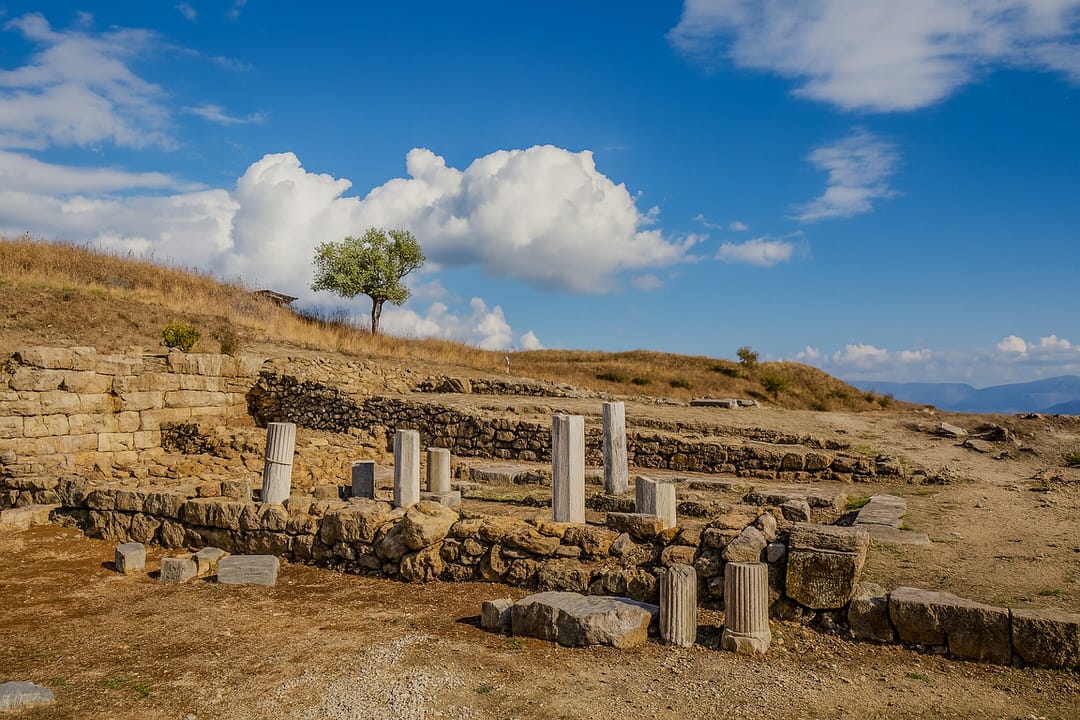
How Rome Destroyed 70 Cities and What Remains Today
In 167 BC, the lush and mountainous region of Epirus-stretching across southern Albania and northwestern Greece-suffered one of the most catastrophic acts of ancient retribution ever recorded. In a single coordinated campaign, the Roman army destroyed around 70 cities and enslaved 150,000 people. This was not just a military conquest; it was a cultural erasure. But what happened to these ancient cities, and can travelers visit their remains today?
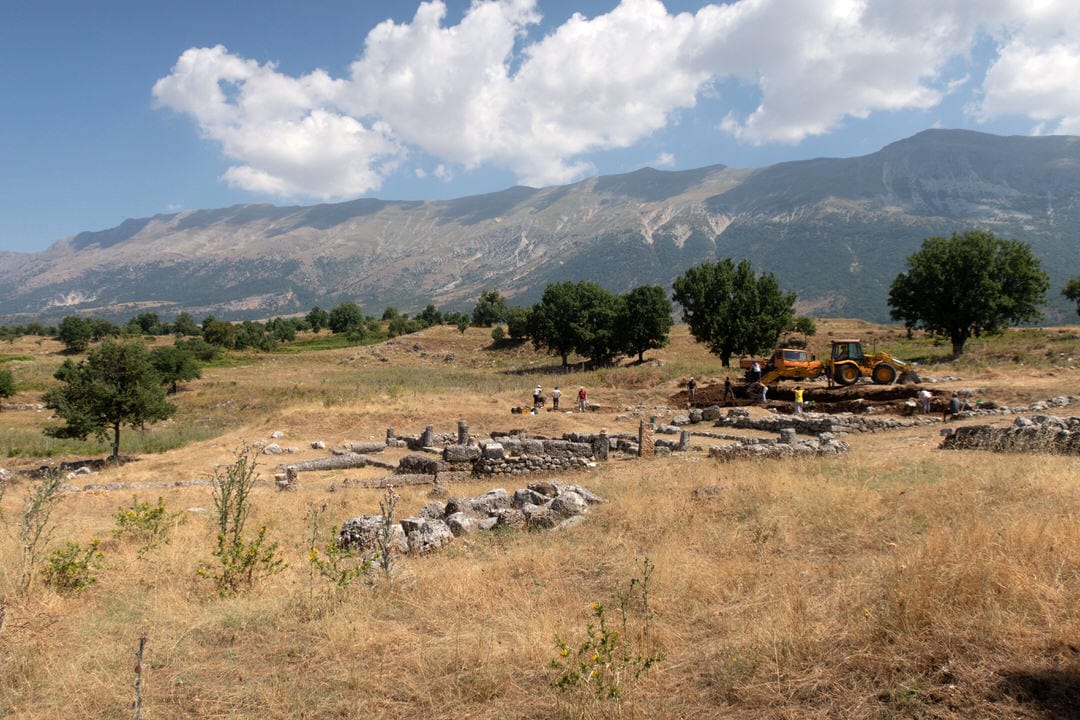
Remnants of Antigonea, the fortified city built by King Pyrrhus in the 3rd century BC, destroyed during Rome’s campaign in Epirus in 167 BC
The Roman Revenge on Epirus
After defeating King Perseus of Macedon in the Third Macedonian War, Rome turned its fury on Epirus. Although the region had mixed allegiances, the Molossian tribe had backed Macedon-and that was enough. General Aemilius Paullus ordered a calculated strike: Roman soldiers entered 70 towns under the guise of peace and then, on the same day, sacked them all. Ancient historians like Livy and Plutarch describe scenes of burning cities, looted temples, and a mass enslavement that emptied the land.
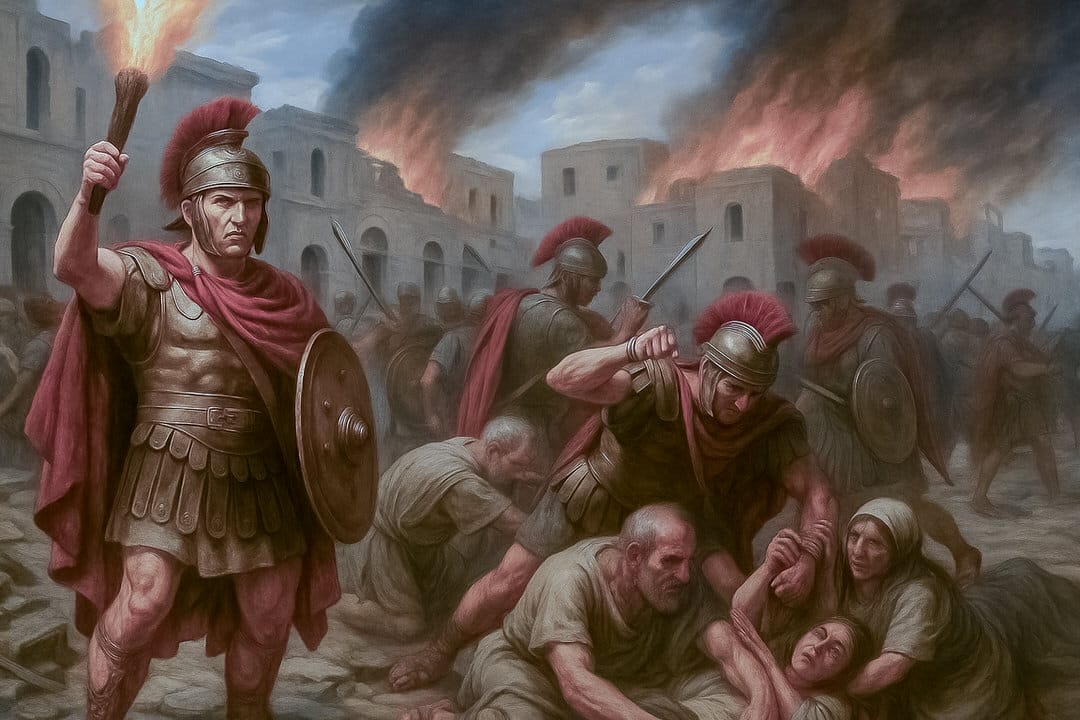
Illustration of the Roman conquest of Ancient Epirus
Livy writes that the devastation was carried out with surgical precision. Paullus sent soldiers into each town under the pretense of collecting gold and silver. When all the valuables had been handed over, the signal was given, and in one coordinated day, Roman legions burned the cities and seized the people. Plutarch confirms the scale of this assault, noting that “seventy cities were sacked and one hundred and fifty thousand people enslaved in a single day.” Strabo, writing generations later, said Epirus remained depopulated and ruined well into the Roman era.
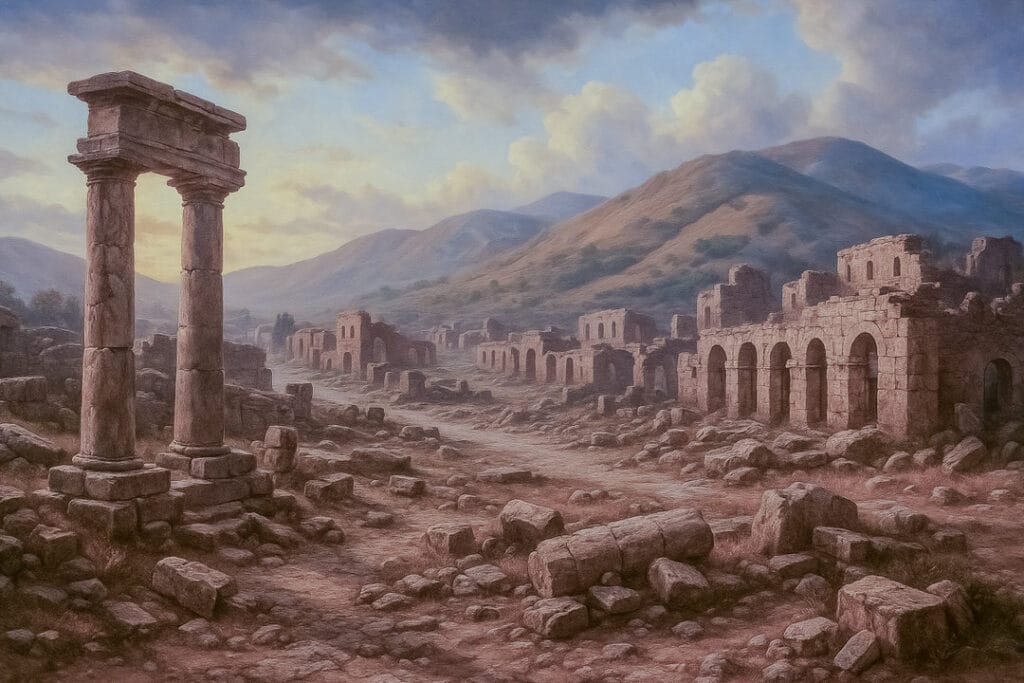
Illustration of Rome’s destruction of Ancient Epirus
What the Archaeology Reveals
The destruction wasn’t just written in ancient texts-it’s etched into the earth. At Antigonea, archaeologists discovered a thick layer of ash dated to exactly this Roman assault. Excavations at Orraon show homes abruptly abandoned, some later rebuilt, but most never recovered. The oracle sanctuary of Dodona was burned and desecrated, never regaining its ancient prestige.
These aren’t myths or legends. They’re visible, tangible scars of an ancient genocide.
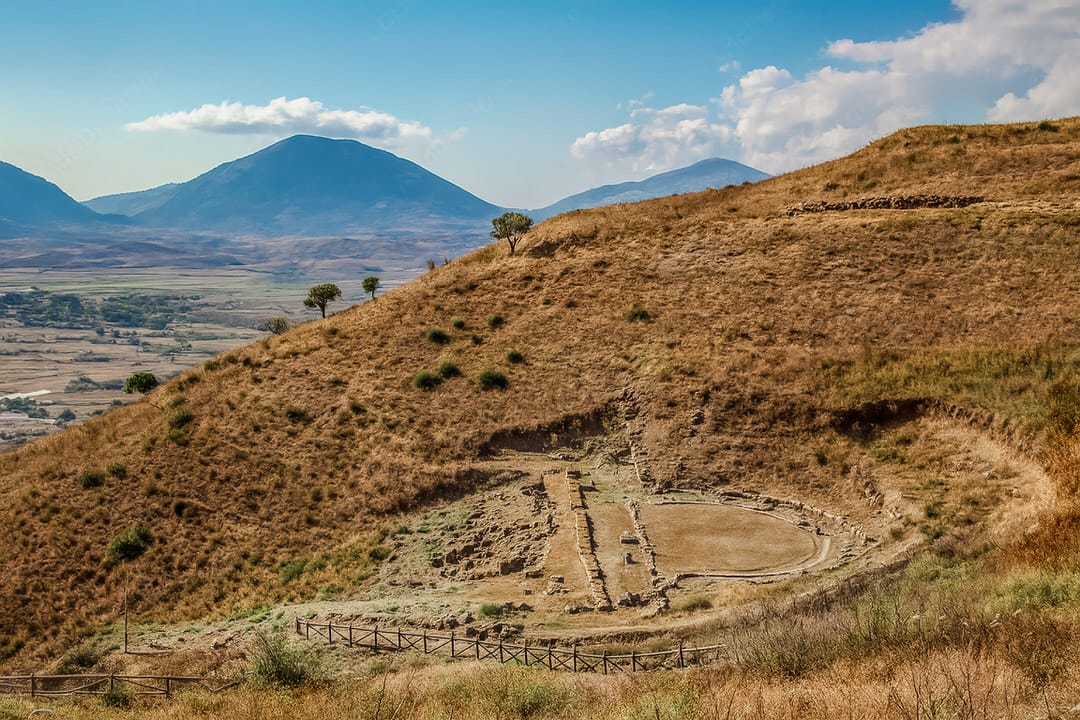
Explore the ancient stones of Phoenice, hidden in the hills of southern Albania
Visiting the Lost Cities Today
Many of the ancient cities Rome destroyed are now archaeological sites in southern Albania and nearby northwestern Greece. While much remains buried or lost, several can be visited today-some with impressive ruins and panoramic views.
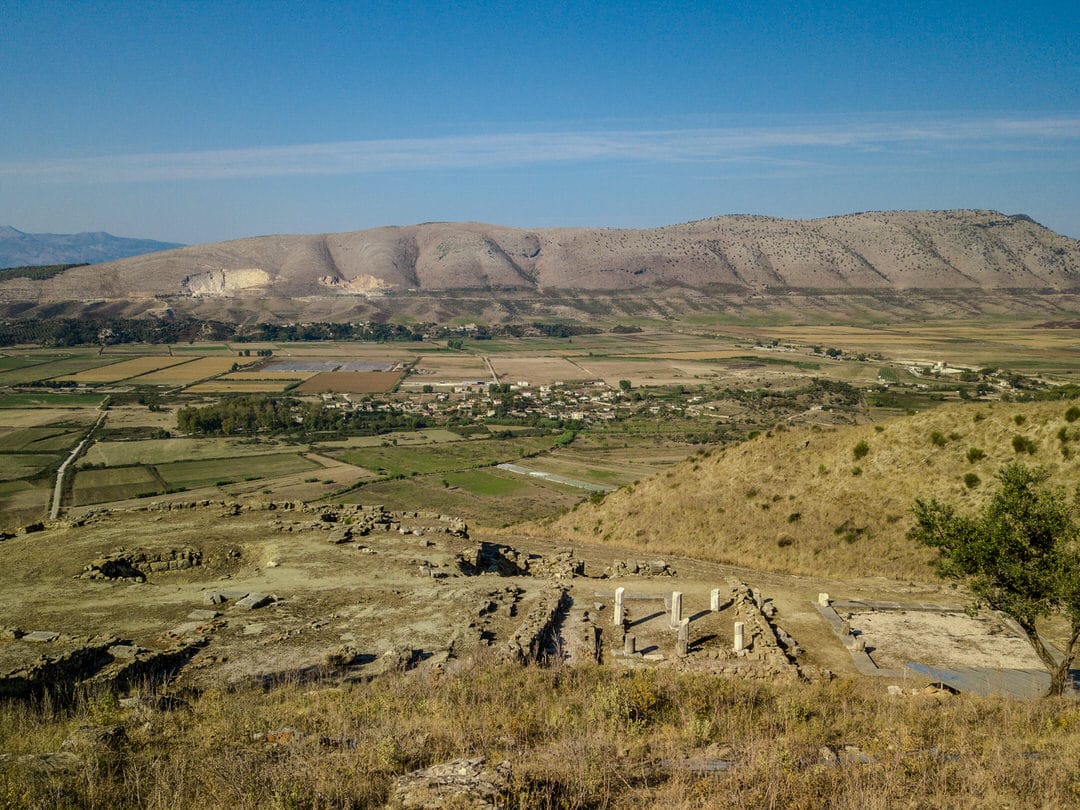
Ruins of Phoenice, once the strongest city of ancient Epirus
1. Antigonea
Founded by King Pyrrhus of Epirus and named after his wife, Antigonea was a flourishing Hellenistic city until it was burned to the ground in 167 BC. Archaeologists have uncovered a burn layer and walls still standing several meters tall.
Travel Tip: Visit the Antigonea Archaeological Park near Gjirokastër. Walk along its ancient roads, explore Hellenistic houses, and enjoy sweeping valley views.
Book a tour: Daily Visit to the Ancient City of Antigonea “{rel=“noreferrer noopener nofollow” target=“_blank”}
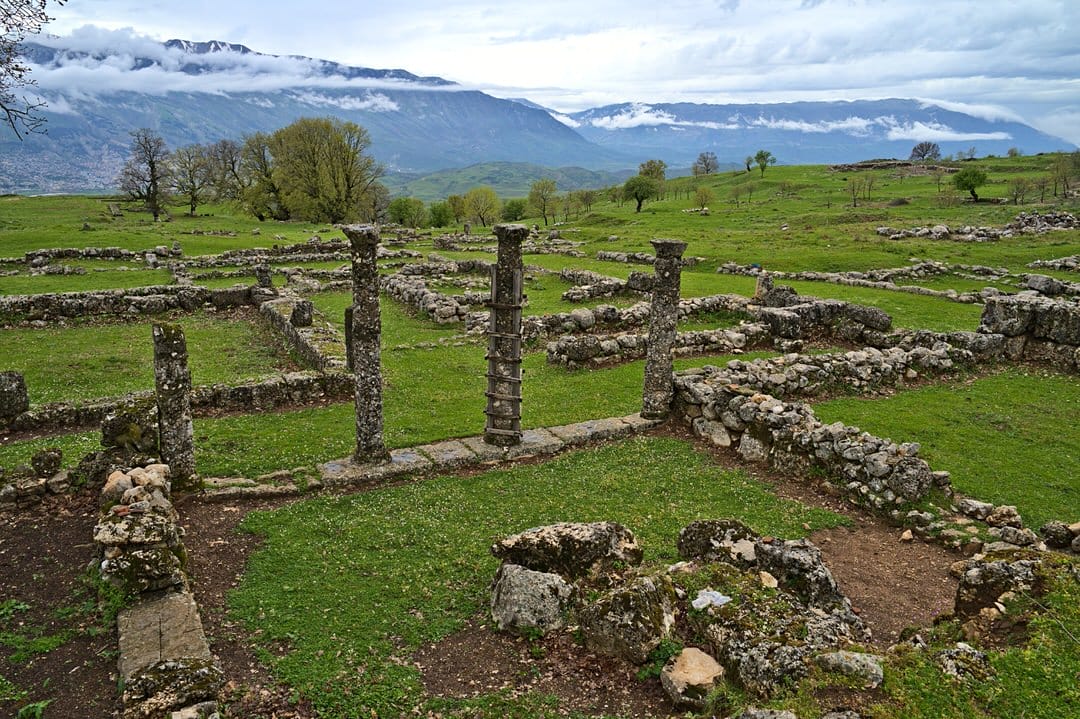
Ruins at the Archaeological Park of Antigonea in Southern Albania
2. Phoenice (Finiq)
Unlike Antigonea, Phoenice was spared because its Chaonian leaders supported Rome. Today, it’s one of the most important ancient sites in Albania, with fortifications, temples, and a small theater. Polybius once called it the most powerful city of Epirus.
Travel Tip: Phoenice is easily accessed from Sarandë. The archaeological park offers commanding views and relatively intact structures.
Book a tour: Archaeological Park of Finiq Guided Tour “{rel=“noreferrer noopener nofollow” target=“_blank”}
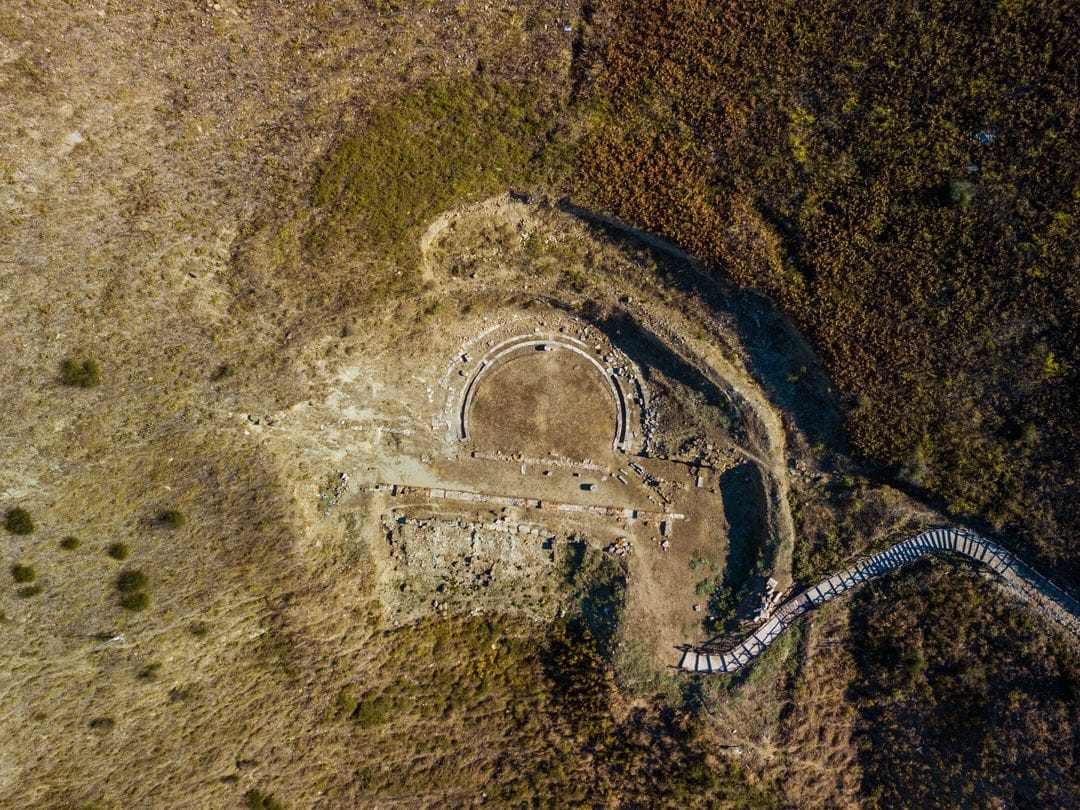
Hillside ruins of an ancient amphitheater at Finiq Archeological Park, Vlorë County, Albania
3. Dodona (Greece)
The sanctuary of Zeus at Dodona was the second most important oracle in the ancient world after Delphi. It was desecrated during the Roman sack of Epirus, though later modestly restored.
Travel Tip: Located near Ioannina, Greece, Dodona is worth the border hop if you’re exploring the broader region of ancient Epirus.
Book a tour: Ioannina Tours & Excursions “{rel=“noreferrer noopener nofollow” target=“_blank”}
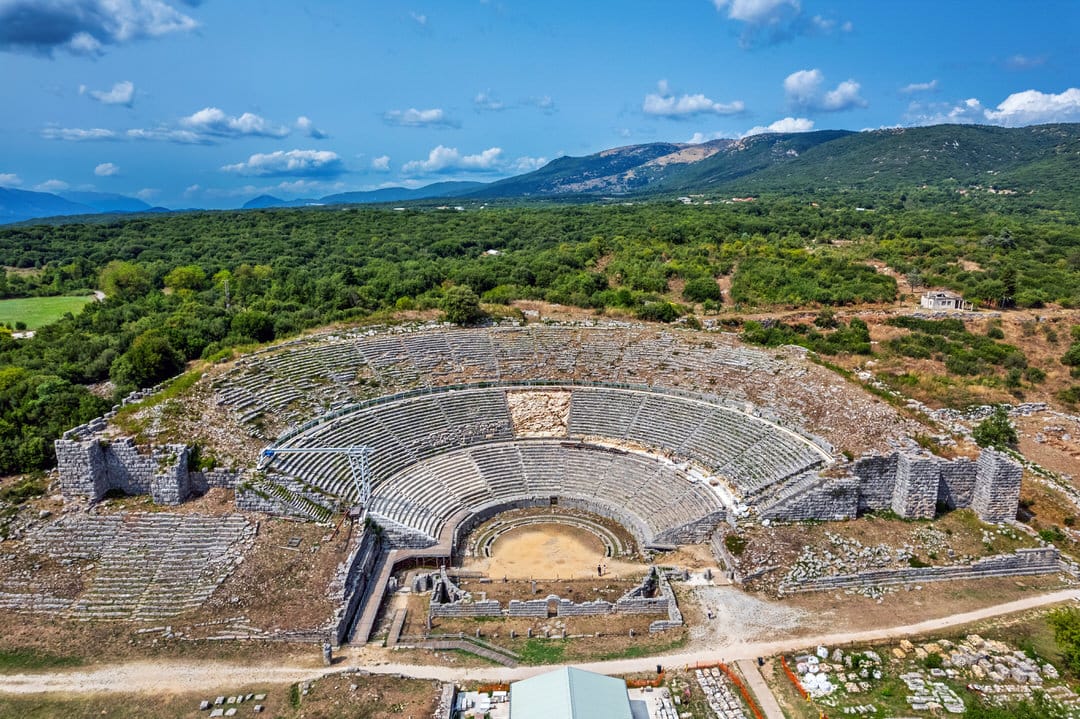
The ancient theater of Dodoni (“Dodona”), Ioannina, Ancient Epirus, Greece.
4. Orraon (Greece)
This fortified Molossian city was destroyed but later rebuilt. It offers one of the best-preserved street grids in ancient Epirus. Some homes still have intact door frames and window lintels.
Travel Tip: Located near Ammotopos, Greece. Combine this with a visit to nearby archaeological museums in Arta or Ioannina.
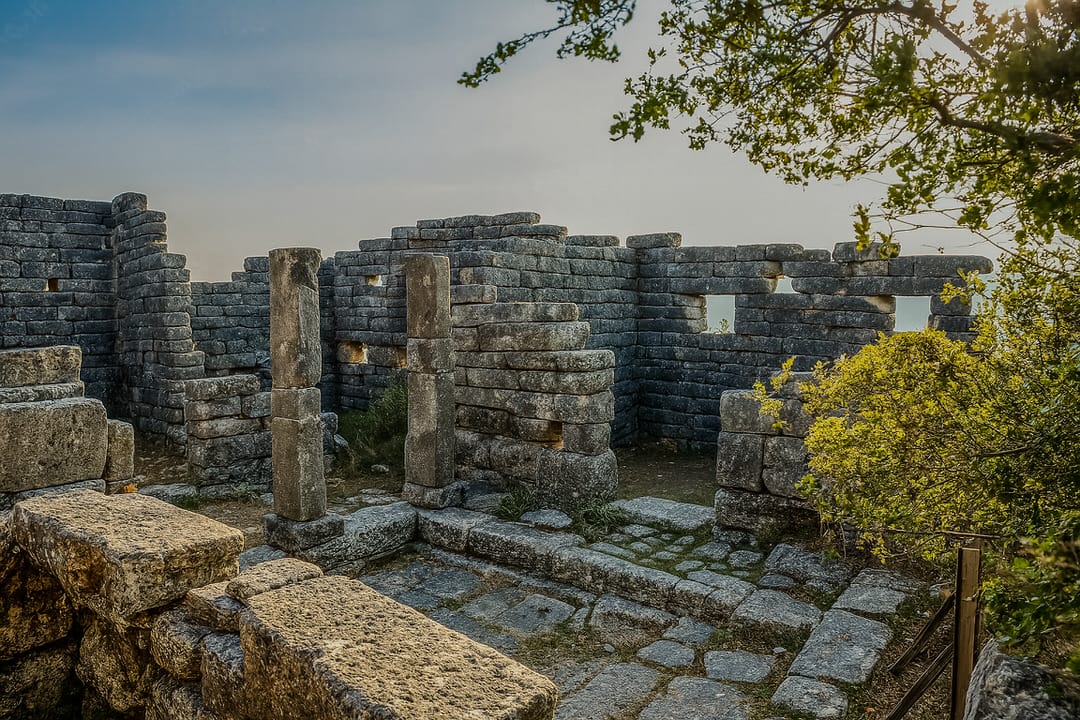
Orraon, a Molossian city with rare, well-preserved stone homes, destroyed by Romans after 168 BCE.
Why This Matters for Albanian Heritage
For Albania, these cities are more than ruins-they’re part of a silenced legacy. Epirus was once a vibrant region of urban centers, local kingdoms, and sacred oracles. Its violent fall reshaped the history of the Balkans and disconnected generations from their ancestral stories.
Rome didn’t just destroy buildings. It depopulated the land, erased local governance, and forced tens of thousands into slavery. The cultural loss was immeasurable. But what remains today allows us to reconnect with that history, on our own terms.
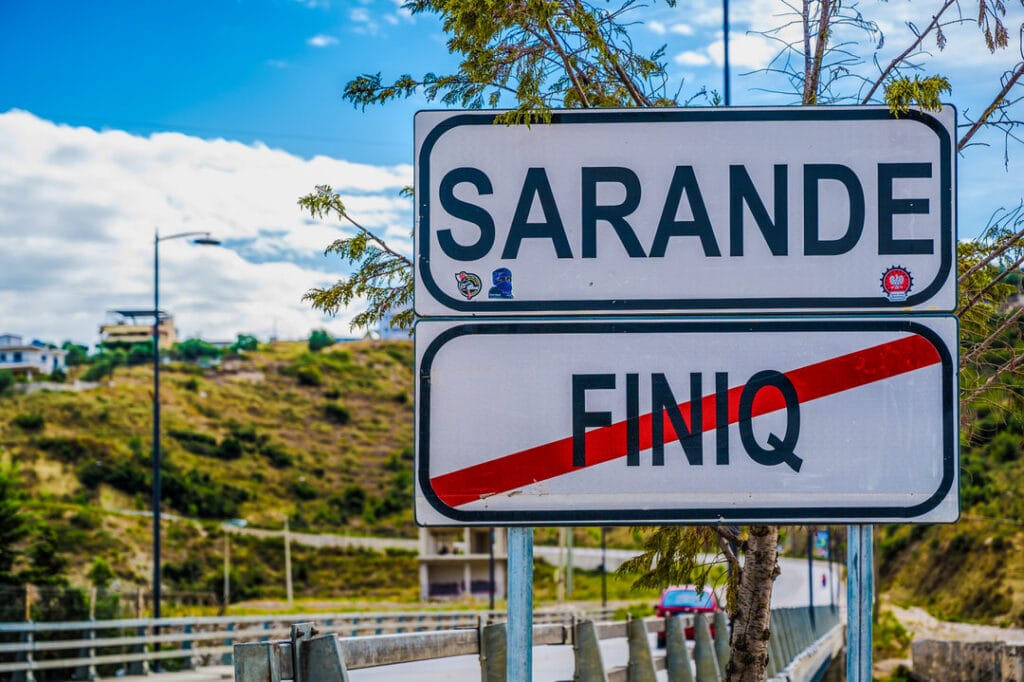
Visit Finiq from Saranda in southern Abania
Plan Your Visit
Pair your ancient ruin explorations with the region’s natural wonders, traditional villages, and UNESCO World Heritage sites like Gjirokastër and Berat.
- Gjirokastër: Base for visiting Antigonea.
- Sarandë: Launch point for Phoenice and Butrint.
- Ioannina (Greece): Access point to Dodona and Orraon.
Recommended Tours
To help you go deeper, here are some of the most compelling tours that bring the ancient legacy of Epirus to life-from private walks among the ruins to multi-day regional adventures.
Antigonea Daily Tour{rel=“noreferrer noopener nofollow” target=“_blank”} - Includes local guide, history walk, and scenic views of the Lunxhëria region.
Finiq Half-Day Tour from Saranda{rel=“noreferrer noopener nofollow” target=“_blank”} - Visit the archaeological park with transportation and guide.
3-Day Epirus Region Tour{rel=“noreferrer noopener nofollow” target=“_blank”} - Includes Zagori villages, Vikos Gorge, stone bridges, and cultural landscapes.
Greece & Albania Weekend Explorer{rel=“noreferrer noopener nofollow” target=“_blank”} - Visit Gjirokastër, Ioannina, Meteora, and the Zagoria mountains in one private tour.
Highlights of Albania in 8 Days{rel=“noreferrer noopener nofollow” target=“_blank”} - From Tirana to Butrint, this tour covers key cities, UNESCO sites, and natural landmarks.
Ready to explore Albania’s ancient past? Book a local guide{rel=“noreferrer noopener nofollow” target=“_blank”}, respect the ruins, and let these sites tell their story. They’re not just relics-they’re evidence.