Papa Zhuli and the Kanun That Governed Southern Albania
Papa Zhuli emerged as pivotal figure in southern Albanian history during crisis period of Norman invasion in 1081. According to oral traditions preserved through centuries in Labëria region (southern Albania between Vlorë and Gjirokastër), Papa Zhuli served as chief priest of Kurvelesh district when Norman forces under Robert Guiscard invaded Byzantine-controlled Albanian territories as part of broader Norman-Byzantine Wars (1081-1185).
The leadership Papa Zhuli demonstrated during this tumultuous period—organizing community defense, maintaining social order amid warfare, and mediating disputes when Byzantine administrative authority collapsed—earned him legendary status among southern Albanian communities. Following the crisis, Papa Zhuli codified customary practices into systematic law code governing social relationships, property rights, dispute resolution, marriage customs, hospitality obligations, and blood feud protocols. This unwritten customary law—transmitted orally through community elders and memorized through generations—became known as Kanun of Papa Zhuli or Kanun of Labëria.
The code functioned parallel to (and often superseding) formal legal systems imposed by successive external authorities—Byzantines, Serbs, Venetians, Ottomans—who controlled southern Albanian territories through medieval and early modern periods. Communities recognized Kanun’s authority as reflecting authentic Albanian customs and values rather than foreign impositions, creating legal pluralism where villagers followed customary law for internal matters while nominally acknowledging external authorities’ formal legal systems.
Byzantine records from late 11th century mention Petro Zhulati as provincial lord (archon) in region, providing documentary evidence supporting oral traditions about Zhulat’s significance during this period. Whether Petro Zhulati descended directly from Papa Zhuli or simply shared village origin remains uncertain, but the historical record confirms Zhulat produced figures of regional significance during the era when Kanun traditions crystallized.
The Kanun’s influence extended across Labëria region for centuries. Unlike northern Albania’s Kanun of Lekë Dukagjini (codifying mountain customary law), Kanun of Labëria reflected southern Albanian coastal and hill communities’ distinct social patterns, with provisions adapted to different economic base (agriculture, olive cultivation, coastal trade) compared to northern mountain pastoralism and isolation.
In 18th century, Idriz Suli (elder from Zhulat, not to be confused with later folk poet Idriz Sulli born 1895) undertook Kanun reform, adapting provisions to changing social conditions under Ottoman administration. His modifications proved substantial enough that code became known as “Kanun of Idriz Suli” in some communities, though underlying principles remained rooted in Papa Zhuli’s original codification. The reforms demonstrated Kanun’s living character—communities adapted customary law to new circumstances while maintaining core cultural values the code embodied.
Why Visit Zhulat
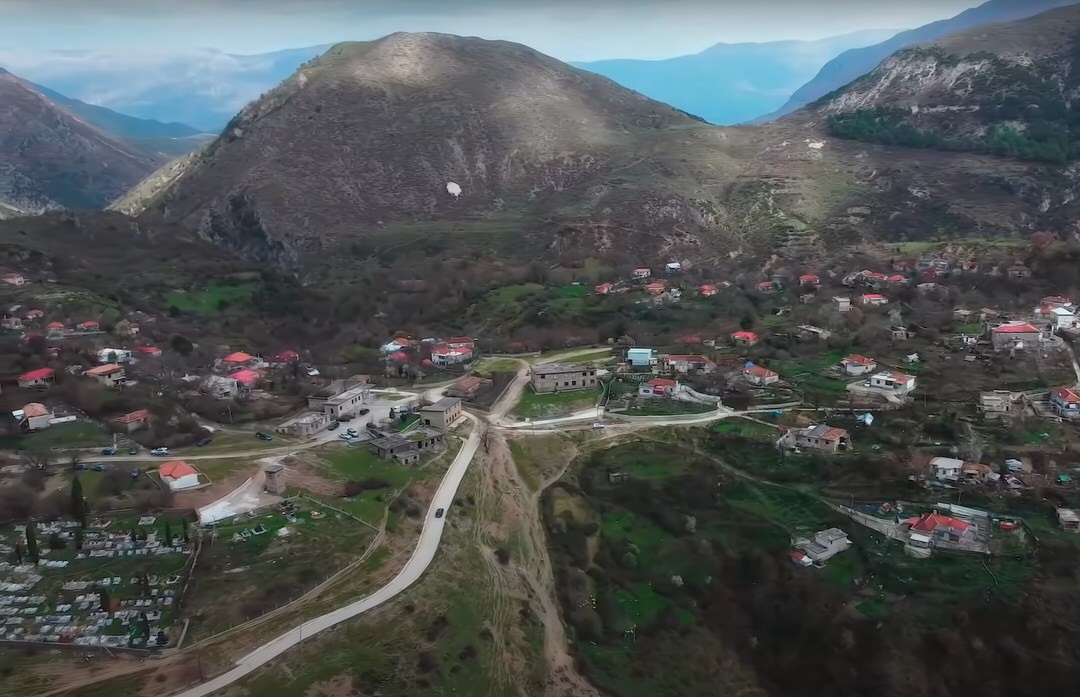
Zhulat attracts travelers interested in Albanian customary law history and Kanun of Labëria’s cultural significance, castle ruins dating to 3rd century BCE Illyrian period with panoramic valley views, Evliya Çelebi’s 1670 Ottoman-era documentation providing rare historical snapshot, traditional southern Albanian hill village architecture and depopulation patterns, Idriz Sulli birthplace (1895-1967, renowned Labërian folk poet distinct from 18th-century Kanun reformer Idriz Suli), proximity to Gjirokastër (30km) enabling day trip from UNESCO World Heritage city, and heritage tourism significance for Albanian diaspora families bearing Zhulati surname tracing ancestry to village.
What Zhulat offers: Historical significance as Papa Zhuli’s base and Kanun of Labëria creation site, castle ruins providing archaeological interest and views over surrounding valleys, traditional stone architecture demonstrating southern Albanian hill village building patterns, authentic village atmosphere with approximately 100-150 permanent residents maintaining agricultural rhythms, connection point for diaspora families (including AlbaniaVisit.com founder whose ancestors relocated from Zhulat to Grabovë near Përmet during Ottoman period while preserving village name as surname), proximity to Gjirokastër enabling combined visits, and modest guesthouse accommodation (€15-30/night when available) for travelers seeking off-path Albanian village experience.
What Zhulat doesn’t offer: Developed tourism infrastructure or services (limited accommodation, no restaurants beyond potential family meals, minimal English proficiency), immediate dramatic visual appeal beyond pleasant hill village setting, extensive activities or organized tours, interpretive facilities explaining historical significance without advance research or local guide arrangement, guaranteed accommodation availability (village has perhaps 2-3 family guesthouses operating irregularly), or destinations compelling travelers without specific historical interest or diaspora connection.
Skip Zhulat if you prioritize: Developed tourism infrastructure and services, immediate visual impact and scenic drama, extensive activities and varied entertainment, English-speaking environments and professional tourism operations, guaranteed accommodation and dining options, or destinations offering compelling experiences for general travelers without specialized historical interests.
Choose Zhulat if you value: Albanian customary law history and Kanun significance, Papa Zhuli’s historical role in southern Albanian society, castle ruins and archaeological interest, Evliya Çelebi’s Ottoman-era documentation, authentic village experience with minimal tourism adaptation, heritage connection for diaspora families bearing Zhulati surname, off-path Albanian destination beyond standard tourism circuits, or specific research interest in southern Albanian cultural history.
The honest assessment: Zhulat functions primarily as heritage destination for those with specific historical interests (Albanian customary law, Kanun traditions, diaspora family connections) or travelers seeking authentic Albanian hill villages accepting limited services and modest appeal beyond specialized significance. The village offers genuine historical importance—Papa Zhuli’s Kanun governed southern Albanian society for centuries, creating legal-cultural framework that shaped regional identity. The castle ruins provide tangible connection to 3rd-century BCE Illyrian origins. Evliya Çelebi’s 1670 documentation offers rare Ottoman-era snapshot. However, these elements require historical knowledge or local guidance to appreciate fully—the village doesn’t provide immediate compelling experiences for general travelers. Zhulat works best for historically-informed visitors, diaspora heritage tourists, or those specifically researching southern Albanian customary law and rural cultural patterns.
Evliya Çelebi’s 1670 Description
Ottoman traveler Evliya Çelebi visited Zhulat in 1670 during his extensive journeys documenting Ottoman Empire territories, producing detailed account that provides rare historical snapshot of village during Ottoman period. Çelebi described Zhulat as “mountainous stronghold” with approximately 200 houses clustered beneath naturally-defended clifftop castle ruins. This population figure suggests community of 800-1,000 residents (assuming typical household sizes of 4-5 people), indicating Zhulat functioned as substantial settlement during 17th century rather than minor hamlet.
Çelebi noted surrounding hills covered in vineyards, demonstrating agricultural economy based partly on grape cultivation and wine production continuing traditions documented in earlier periods. He described villagers trading handicraft products with distant towns, indicating Zhulat participated in regional commercial networks despite mountainous position 250+ meters elevation requiring difficult transport routes. The handicrafts likely included textiles (wool processing from livestock), agricultural products (wine, olive oil, preserved foods), and possibly woodworking given surrounding forests.
The traveler recorded local folklore about castle’s origins, including legendary accounts attributing foundation to “King of Spain” when villagers were his allies, subsequent Venetian control, and final Ottoman conquest. While incorporating legendary elements (no documented “King of Spain” governed this region), the folklore reflects genuine historical transitions—Byzantine control gave way to various Serbian and Albanian lords during medieval fragmentation, Venetians held coastal territories and influenced interior regions, and Ottomans eventually consolidated control during 15th-century conquests.
Çelebi’s account provides baseline for understanding Zhulat’s subsequent decline. The 200 houses he documented in 1670 contracted dramatically over following centuries through various pressures—Ottoman administrative changes, economic disruptions, population movements (including Christian families relocating to avoid conversion pressures or taxation burdens), and 20th-century emigration reducing permanent residents to approximately 100-150 by 2020s. The village Çelebi described as thriving community of 800-1,000 residents with active commerce and agriculture diminished to fraction of historical population, though stone houses and castle ruins continue witnessing centuries of transformation.
Castle Ruins: Illyrian Origins to Ottoman Decline
Zhulat Castle occupies strategic hilltop position overlooking valleys providing natural defensive advantages and visual command over surrounding territory. Archaeological evidence suggests fortification origins date to approximately 3rd century BCE during Illyrian period when tribal confederations controlled Albanian territories before Roman conquest (229-168 BCE began Roman expansion into region).
The Illyrian-period construction likely used cyclopean masonry techniques—large irregular stones fitted without mortar, creating foundations surviving millennia despite minimal maintenance. These earliest fortifications served tribal defensive purposes, protecting communities from rival groups and controlling movement through valleys connecting interior mountains with coastal plains.
Roman conquest (completed by 168 BCE with defeat of Illyrian King Gentius) brought regional control under Roman administration, with fortress possibly serving as military outpost or administrative point. Byzantine period (4th-15th centuries CE following Roman Empire’s division) saw continued military use, with renovations and expansions as Byzantine authorities maintained defensive networks against various threats including Slavic incursions, Arab raids, Norman invasions (1081 crisis when Papa Zhuli gained prominence), and later Serbian and Bulgarian expansions.
Medieval period fragmentation (13th-15th centuries) brought fortress under various local lords’ control—Albanian nobles, Serbian despots, and Venetian-influenced territories competed for strategic positions. The fortress’s commanding position over valleys connecting Gjirokastër region with Tepelenë and coastal areas maintained military significance through these transitions.
Ottoman conquest (1417 for Gjirokastër region, though complete consolidation required decades) brought final major use period. Ottoman forces adapted fortress for gunpowder artillery era, maintaining garrison monitoring local populations and suppressing resistance. The fortress’s strategic value diminished in later Ottoman period (17th-19th centuries) as regional administration centralized in larger towns and pacification reduced need for extensive fortress networks. Evliya Çelebi’s 1670 description noting castle as “naturally well-defended clifftop” suggests structure maintained impressive presence though military importance had waned.
Contemporary ruins show fragmentary walls, foundation outlines marking vanished structures, and vegetation reclaiming courtyards. No comprehensive restoration or archaeological excavation has documented the site—ruins exist in archaeological condition requiring visitors imagine complete fortress based on partial remains. The panoramic views justify climb to ruins—valleys extending toward Gjirokastër and mountains rising beyond demonstrate why successive civilizations fortified this position for 2,300+ years.
The Zhulati Surname: Village Name Becomes Family Identity
Historical pattern of adopting village names as family surnames occurred across Albania during Ottoman period (1479-1912, varying by region), creating diaspora families maintaining connections to ancestral villages through preserved nomenclature. When families relocated—whether fleeing conflict, seeking economic opportunities, avoiding conversion pressures, or responding to changing administrative circumstances—they frequently adopted village origin as surname, transforming place identity into family identity transmitted through generations.
Zhulat exemplifies this pattern. Multiple families bearing Zhulati surname trace ancestry to village, having relocated during various Ottoman-era periods while preserving village name through subsequent generations. The practice created living lineages documenting migration patterns and maintaining cultural connections to ancestral territories even when families never returned or lost direct knowledge of village specifics.
AlbaniaVisit.com founder Enri Zhulati represents documented example—his family relocated from Zhulat to Grabovë village near Përmet during Ottoman period, maintaining Christian faith (the religious consideration influenced many relocations as some Christian families sought mountain villages with established Christian communities rather than converting to Islam or paying higher non-Muslim taxes in Ottoman-administered lowlands). The family preserved Zhulati surname through subsequent generations despite permanent separation from ancestral village.
Similar patterns occur across Albanian diaspora communities. Families bearing surnames derived from village names (common pattern includes adding -i or -ti suffix to place names) often trace ancestry to those locations, though specific migration dates, reasons, and family relationships to original villages may be lost through generations of oral transmission and absence of written records.
The pattern demonstrates how Albanian communities maintained cultural identity amid Ottoman period pressures and 20th-century emigration waves. Village names preserved as surnames create genealogical markers enabling contemporary descendants to identify ancestral origins even when direct family knowledge has been lost, supporting heritage tourism and diaspora connection efforts that bring descendants back to ancestral villages for first time in generations.
Practical Zhulat
Getting There: Zhulat lies approximately 30 kilometers from Gjirokastër on road toward Tepelenë, requiring 45 minutes to 1 hour by car through mountain valleys. From Tirana (approximately 180 kilometers), the journey requires 3.5-4 hours via national highways to Gjirokastër, then secondary roads to Zhulat.
Public transport connections are limited—no regular buses serve Zhulat directly. Travelers must reach Gjirokastër by bus (from Tirana: 700-900 lek, 4-5 hours; from Sarandë: 500-700 lek, 2 hours), then arrange private transport to Zhulat. Taxis from Gjirokastër cost 2,000-3,000 lek (€15-25) for round trip including waiting time, or travelers can arrange transport through accommodation if staying in village.
Private vehicle travel offers greatest flexibility. Car rental in Tirana (€25-40 daily) or Gjirokastër enables independent travel and exploration of surrounding region.
Accommodation: Zhulat offers extremely limited accommodation—perhaps 2-3 family guesthouses operating irregularly when owners have availability and advance arrangements exist. These provide basic rooms (€15-30/night including breakfast, family dinners available for additional €8-12) with authentic Albanian hospitality in family settings, shared bathrooms, minimal amenities, and no guarantee of English communication.
Advance arrangement through local contacts, heritage organizations, or specialized booking platforms proves essential—spontaneous arrival rarely succeeds in securing accommodation. Most travelers visiting Zhulat stay in Gjirokastër (30km, extensive accommodation options €20-80/night) and day-trip to village.
Dining: No restaurants operate in Zhulat. Guesthouse stays include family meals. Day visitors must bring food/water or return to Gjirokastër for meals.
Activities: Walking village lanes exploring traditional architecture, climbing to castle ruins (30-45 minute hike from village, free access, panoramic views), observing agricultural activities in surrounding valleys, and engaging with residents (if language allows or guide facilitates) constitute primary activities. The village offers no organized tours, interpretation, or tourism programming—visitors explore independently forming own impressions based on historical knowledge brought to site.
Timing: May through October provides optimal visiting window when weather enables comfortable exploration and mountain roads remain passable. Summer (July-August) brings warmest conditions and highest likelihood guesthouses operate, though advance arrangements remain essential. Spring (May-June) and autumn (September-October) offer pleasant temperatures with reduced visitor likelihood increasing chances for solitary exploration.
Money and Logistics: No ATMs or services exist in Zhulat—withdraw cash in Gjirokastër. Mobile coverage is unreliable. English proficiency is minimal to absent—Albanian language skills or guide/translator prove essential for meaningful interaction beyond basic courtesy.
Nearby Destinations
Gjirokastër (30km, 45 min): UNESCO World Heritage city with Ottoman architecture, massive fortress, stone houses cascading down hillside, museums including weapons museum and ethnographic museum in Enver Hoxha’s birthplace, and extensive accommodation/dining infrastructure making it natural base for Zhulat day trip.
Tepelenë (40km north, 1 hr): Ali Pasha birthplace (1740-1822) with castle ruins, Vjosa River (designated Wild River National Park March 15, 2023), and historical significance as regional power center during Ottoman period.
Labovë e Kryqit (15km from Gjirokastër): Byzantine church with 13th-14th century frescoes representing exceptional Albanian medieval art, providing historical context for southern Albanian Christian heritage that influenced migrations like Zhulat families relocating to maintain faith.
Përmet (70km, 1.5 hr): Vjosa Wild River access, Bënjë thermal springs, Grabovë village (where Zhulati families relocated from Zhulat during Ottoman period), and Frashëri brothers’ literary heritage.
The Village That Named Families
Zhulat occupies unique position in Albanian cultural history—small village that produced disproportionate historical significance through Papa Zhuli’s Kanun codification, castle’s 2,300-year fortification history, Evliya Çelebi’s Ottoman documentation, and surname transmission preserving village identity across diaspora generations. The permanent population of 100-150 residents represents fraction of historical community (Çelebi documented 200 houses/800-1,000 residents in 1670), yet village maintains physical presence and cultural significance exceeding its modest contemporary scale.
For general travelers, Zhulat offers limited immediate appeal—the village requires historical knowledge and specific interests to appreciate fully, provides minimal services or infrastructure, and lacks dramatic visual impact beyond pleasant hill village setting. Heritage tourists with diaspora connections, scholars researching Albanian customary law or Ottoman-era social history, and travelers specifically seeking off-path authentic villages accepting modest conditions find Zhulat delivers on specialized promises while acknowledging severe limitations for general tourism purposes.
The village continues slowly changing—depopulation pressures persist as younger generations relocate to cities or emigrate, diaspora families maintain summer connections returning to ancestral properties, and heritage preservation efforts (limited resources, informal organization) attempt maintaining physical structures and documenting oral traditions before knowledge disappears. Whether Zhulat stabilizes at current population level, experiences further decline toward abandonment, or sees tourism-driven revival remains uncertain, reflecting broader Albanian rural challenges balancing heritage preservation with contemporary economic realities.