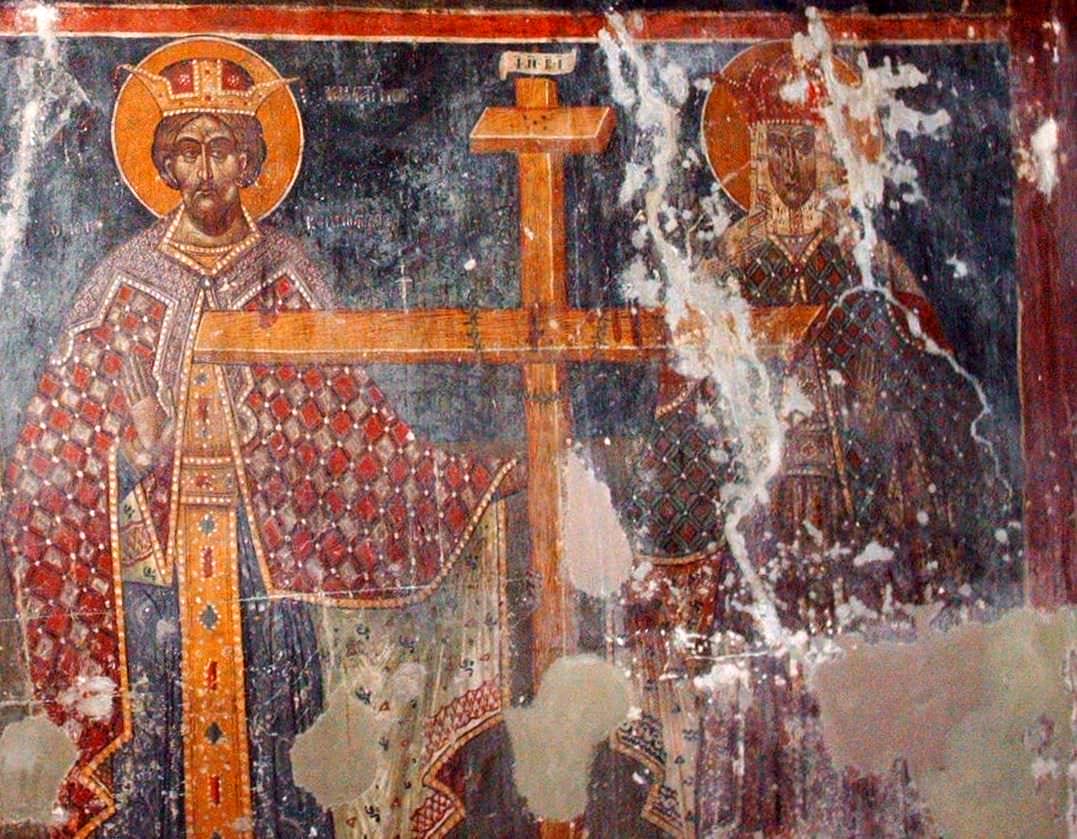
The Empire Everyone Forgot About
Ask any European about Byzantine history and watch their eyes glaze over. Rome? Everyone knows Rome. The Ottomans? Sure, they’ve heard of them. But Byzantium—the Eastern Roman Empire that lasted a thousand years after Rome fell—gets treated like historical footnote.
Here’s what kills me: Albania spent longer under Byzantine rule (395-1450 CE) than under Romans (168 BCE-395 CE) or Ottomans (1450-1912 CE), yet nobody—including most Albanians—can tell you anything about it.
I learned this the hard way trying to explain my obsession with Berat’s Byzantine churches to a friend back in New York. “You know, the Eastern Roman Empire? Constantinople? They controlled the Balkans for a millennium?” Blank stare. “The guys who preserved classical knowledge while Western Europe had the Dark Ages?” Nothing. “Fine—the empire that gave us Byzantine politics and icon paintings?” Finally: “Oh, like the adjective byzantine meaning complicated?”
Yes. Exactly like that. Because Byzantine Albania was complicated—1,055 years of gradual fragmentation, Norman invasions, Bulgarian conquests, Serbian expansion, Venetian trading posts, and Albanian principalities asserting independence while theoretically acknowledging Constantinople’s authority.
And the archaeological sites preserving this mess are spectacular.
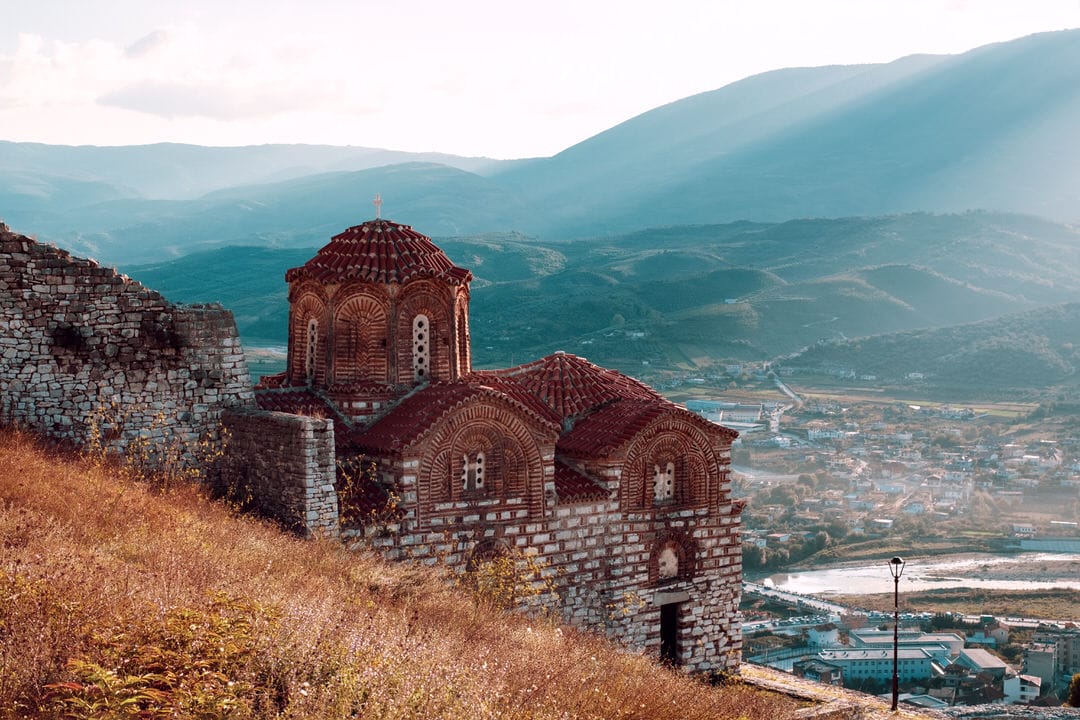
St. Theodores Church, Berat. Image by Allasimacheva
When the Roman Empire Split and Albania Went East
In 395 CE, Emperor Theodosius I divided the Roman Empire between his sons: Honorius got the West (which collapsed 81 years later), Arcadius got the East (which survived until 1453). Albania fell under Eastern Roman control—what historians call the Byzantine Empire, though the Byzantines themselves insisted they were Romans until the bitter end.
For the first few centuries, not much changed. Durrës, Apollonia, and Butrint remained prosperous Roman cities, just with Greek replacing Latin as the administrative language and Christianity displacing pagan temples.
The 5th century brought massive change: Butrint became an Episcopal center with substantial early Christian structures—a basilica, baptistery, and episcopal palace that you can still visit today (€10 entry, UNESCO World Heritage Site, absolutely worth it). After a period of abandonment following barbarian raids, Butrint was reconstructed under Byzantine control in the 9th century.
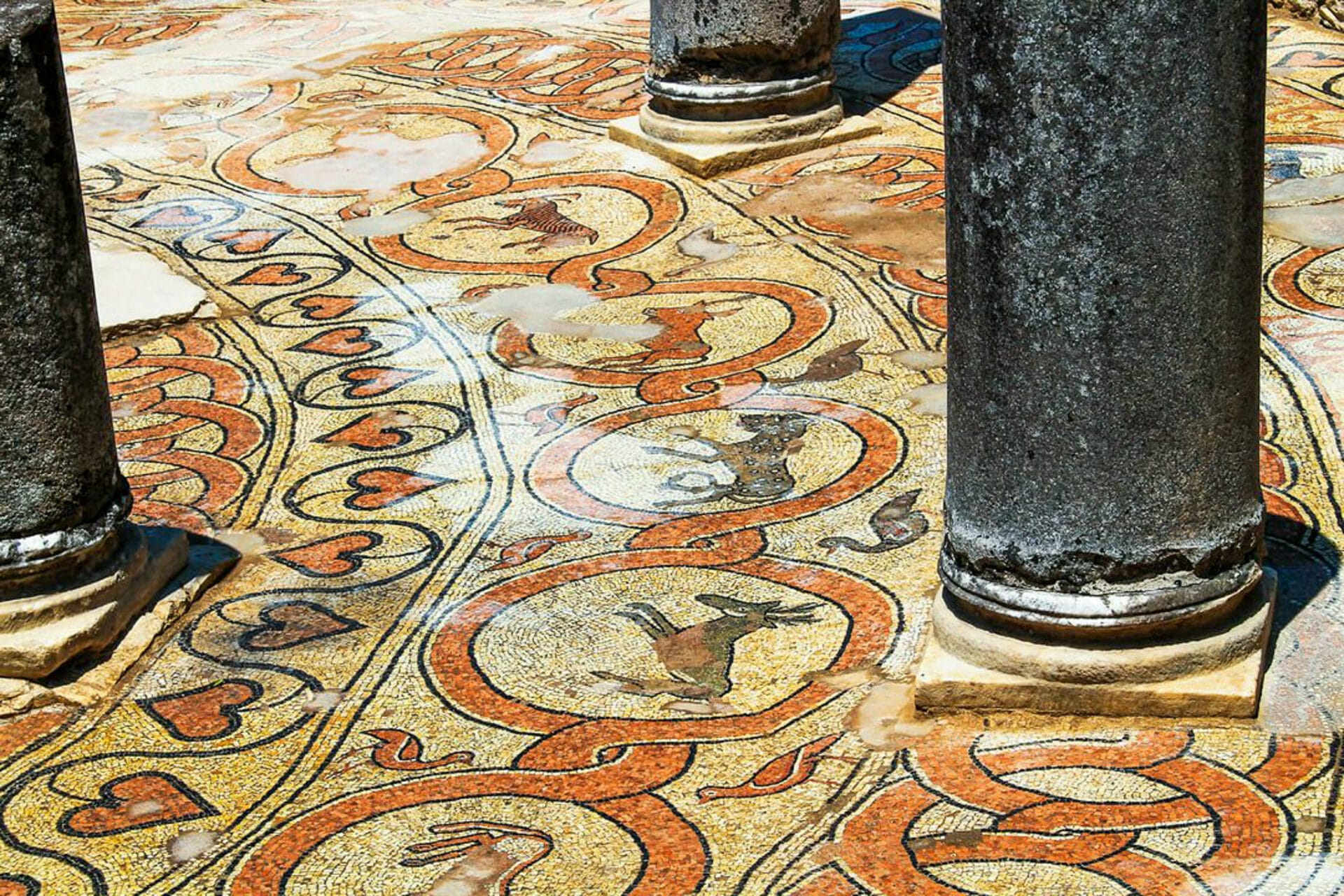
I spent two days exploring Butrint’s Byzantine layers last autumn (September-October is perfect—cruise ship crowds thin out, light turns golden). The Great Basilica’s mosaic floor—animals, birds, geometric patterns sprawling across hundreds of square meters—was created in the 6th century CE. The late Byzantine church of Çiflik, architecturally typical of the Despotate of Epirus, dates to the 13th century when Byzantine power was fragmenting but local Christian rulers still built churches in traditional Byzantine style.
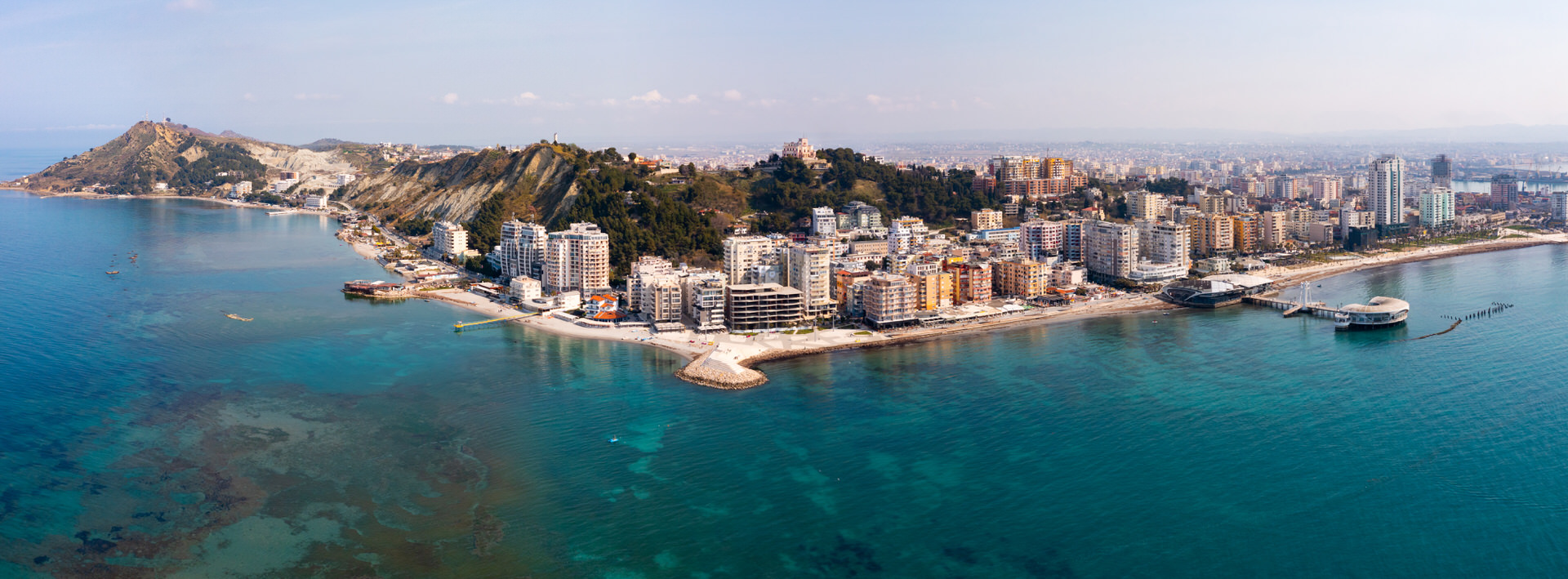
Adriatic sea shore in Durrës
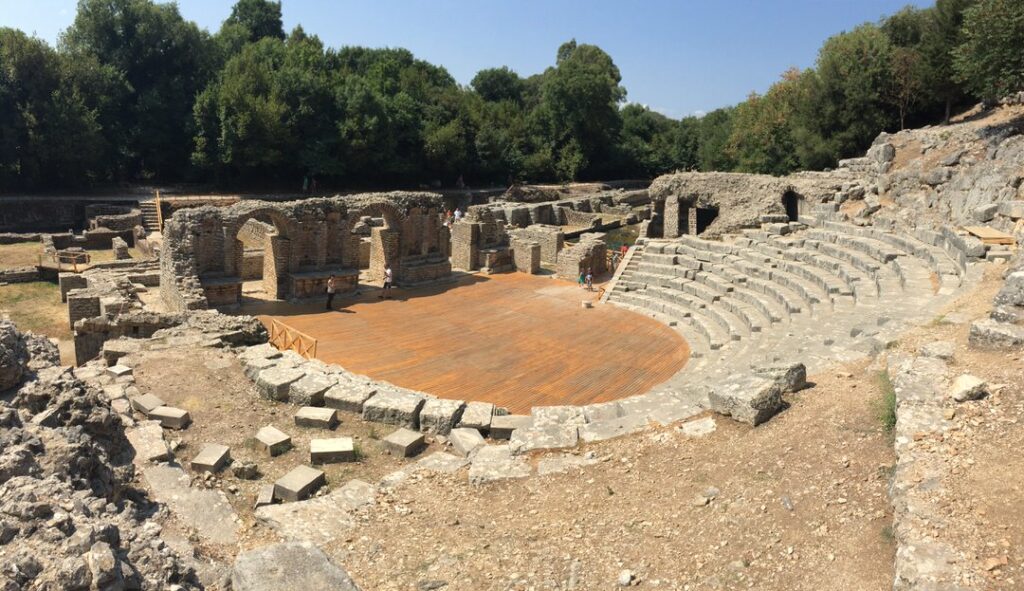
Butrint’s Roman theater—later surrounded by Byzantine churches and fortifications
Pro Tip: Butrint’s baptistery features the finest Byzantine mosaic in Albania—a floor depicting paradise with deer, peacocks, and vines. It’s often roped off to protect it, but arrive early (first tour at 9 AM) and you might catch workers before they set up barriers. Also, 2024 conservation reports note rising water levels threatening the mosaics—see them while they’re still intact.
The 1081 Wake-Up Call: When Normans Took Durrës
Byzantine control looked secure until Robert Guiscard—a Norman adventurer from southern Italy who’d already conquered Sicily—decided he wanted Albania too. In 1081, his forces captured Durrës, dealing Emperor Alexios I Komnenos a staggering blow.
Standing at Durrës’ Archaeological Museum (€3 entry, excellent Byzantine artifact collection), I asked the curator Elena why this mattered so much. She pointed at a gold Byzantine coin minted in Durrës before 1081: “This city was our western anchor—the starting point for Via Egnatia connecting Constantinople to Rome. Losing it meant losing control of Adriatic trade and military access to Italy.”
The Byzantines recaptured Durrës four years later in 1085, but the back-and-forth set the pattern for the next 300 years: Constantinople claiming sovereignty while foreign powers and local Albanian nobles actually controlled territory.
The city walls I walked along (free to explore, though crumbling and unmaintained) witnessed this imperial game of tug-of-war. Massive Byzantine-era stones sit beneath medieval Venetian additions, themselves covered by Ottoman repairs—every empire that wanted the Adriatic rebuilt these same fortifications.
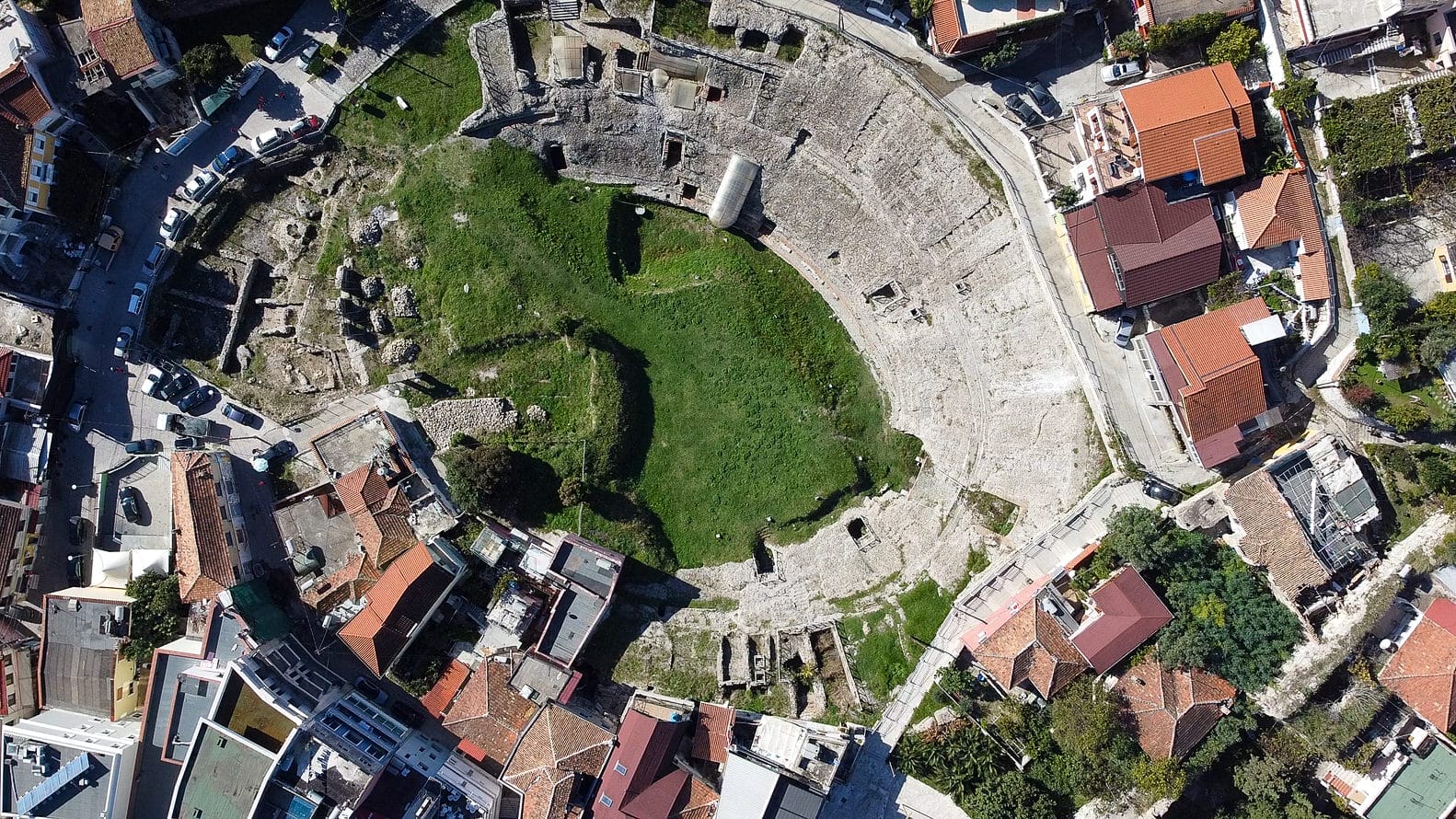
Roman Amphitheater Durrës
Berat: The City Where Byzantine Albania Survived
If you visit one Byzantine site in Albania, make it Berat (€2-3 entry to castle and museums, UNESCO World Heritage Site). The “City of a Thousand Windows” preserves the most complete Byzantine urban landscape in the Balkans.
I stayed three nights in Berat (budget: €40/night for guesthouse inside the castle walls—book ahead, limited rooms). The citadel area contains multiple Byzantine churches, mainly from the 13th century when Byzantine control was fracturing but local culture remained Orthodox Christian.
The Church of St. Mary of Blachernae (Kisha e Shën Mërisë së Vllahernës) from the 14th century contains frescoes still vibrant after 700 years. My guide Aleksander, whose family has lived in Berat’s castle for six generations, explained the iconography: “These saints are dressed like Byzantine nobles because the people who painted them lived under Byzantine cultural influence even though Constantinople’s political control was ending.”
The Onufri Museum, housed in the Cathedral of the Dormition of St. Mary (€3 entry, closed Mondays), displays Albania’s most celebrated religious art. Onufri, a 16th-century Albanian master, worked centuries after Byzantine political power ended—but his icon-painting technique, compositions, and pigments follow pure Byzantine tradition.
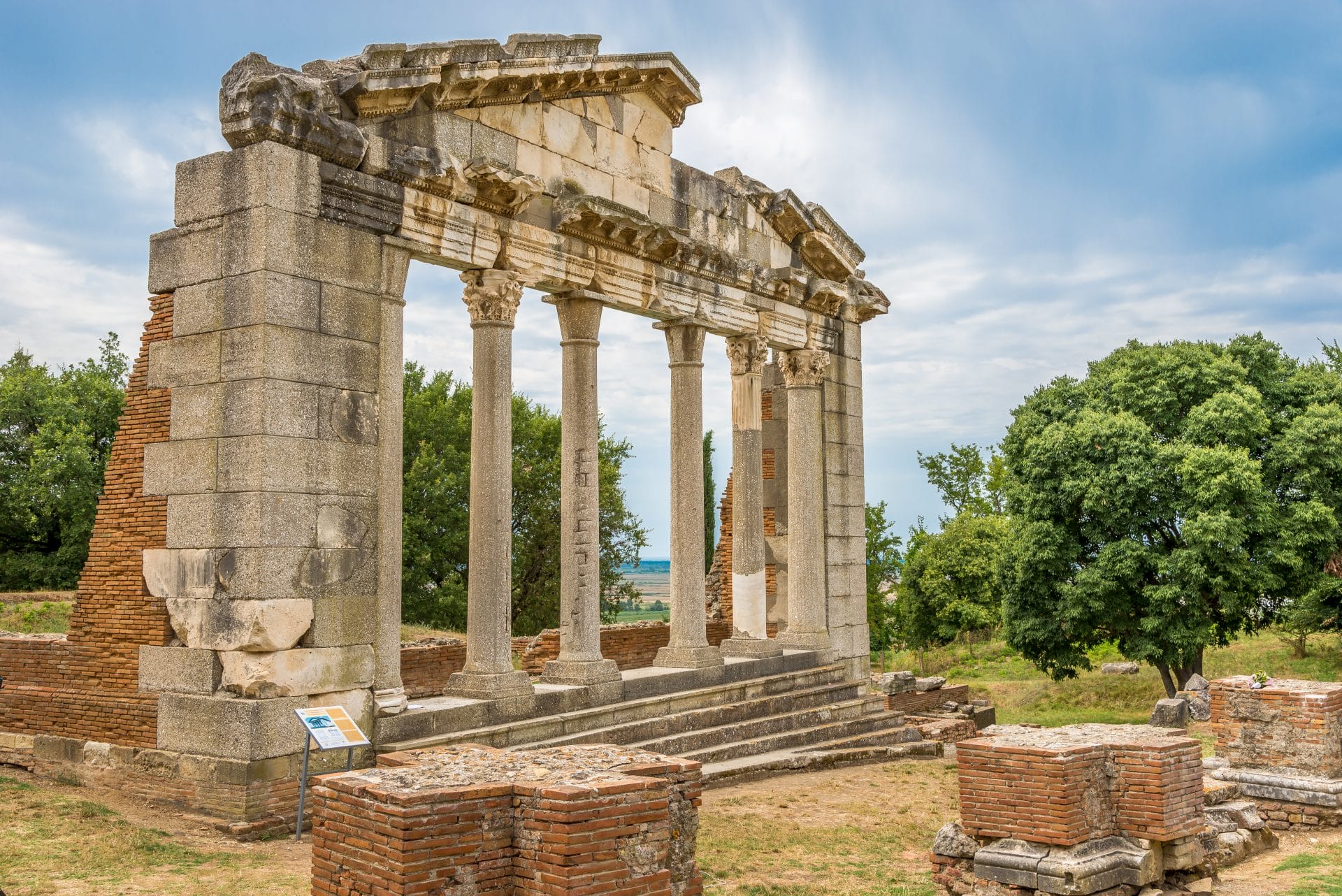
Temple ruins in Apollonia
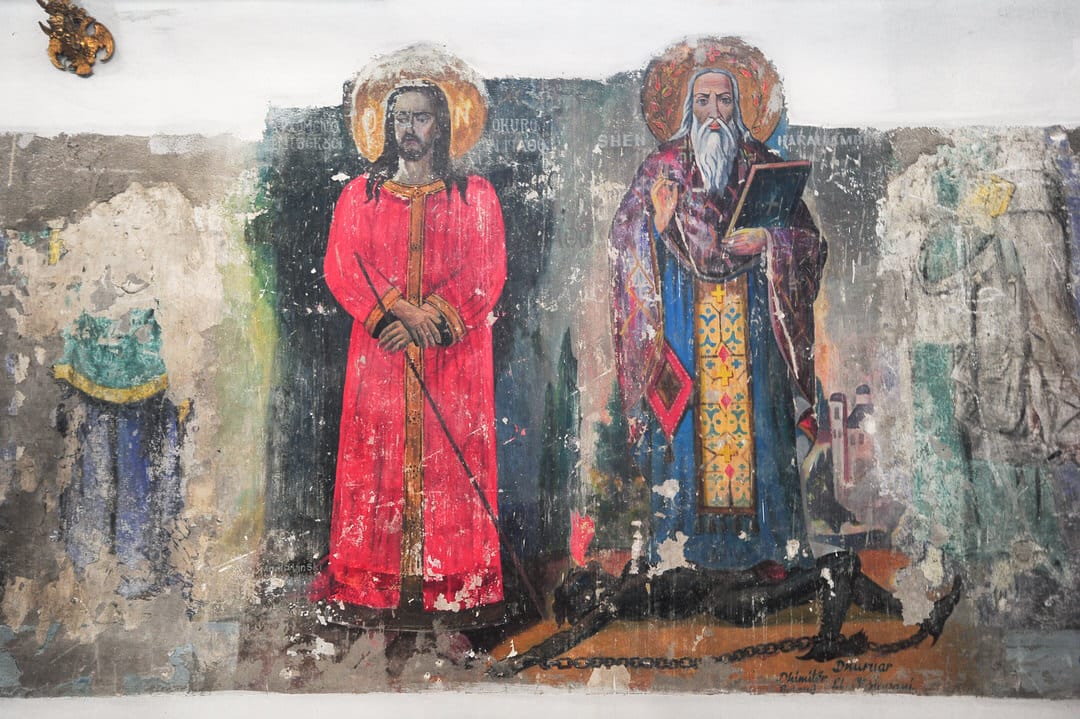
Byzantine frescoes inside Berat’s Church of St. Spiridion—800 years old and still brilliant
Walking Berat’s cobblestone streets inside the castle walls feels like time travel. The fortress dates to the 4th century BCE, but Byzantine-era construction from the 6th-13th centuries dominates. Ottoman houses from the 15th-18th centuries incorporate Byzantine stones. Albanian families living here today attend Orthodox services in churches their ancestors built 700 years ago.
Pro Tip: Climb to Berat Castle’s highest point at sunset. The view across the Osum River valley explains why every empire wanted this fortress—it commands the entire region. Bring water; the climb is steep. And skip the crowded main tourist churches for smaller ones like St. Theodores—fewer crowds, equally stunning frescoes.
The 13th-14th Century Collapse: When Albania Fragmented
The Fourth Crusade in 1204 devastated Constantinople—not from Muslim invasion, but from fellow Christians. Crusaders from Western Europe sacked the Byzantine capital, fragmenting the empire into competing successor states.
Albania ended up divided between the Byzantine Despotate of Epirus (southern Albania), Bulgarian expansion from the north, and Angevin lords from Italy establishing the short-lived Kingdom of Albania. By the mid-14th century, Serbian King Stefan Dušan conquered most of Albania, effectively ending Byzantine rule after nearly 1,000 years.
I visited Krujë Castle (€5 entry to Skanderbeg Museum, spectacular mountain views) to understand this transition. The fortress began as a Byzantine outpost before becoming the seat of increasingly independent Albanian feudal families—the Thopias, Balshas, and Kastriotis (Skanderbeg’s family).
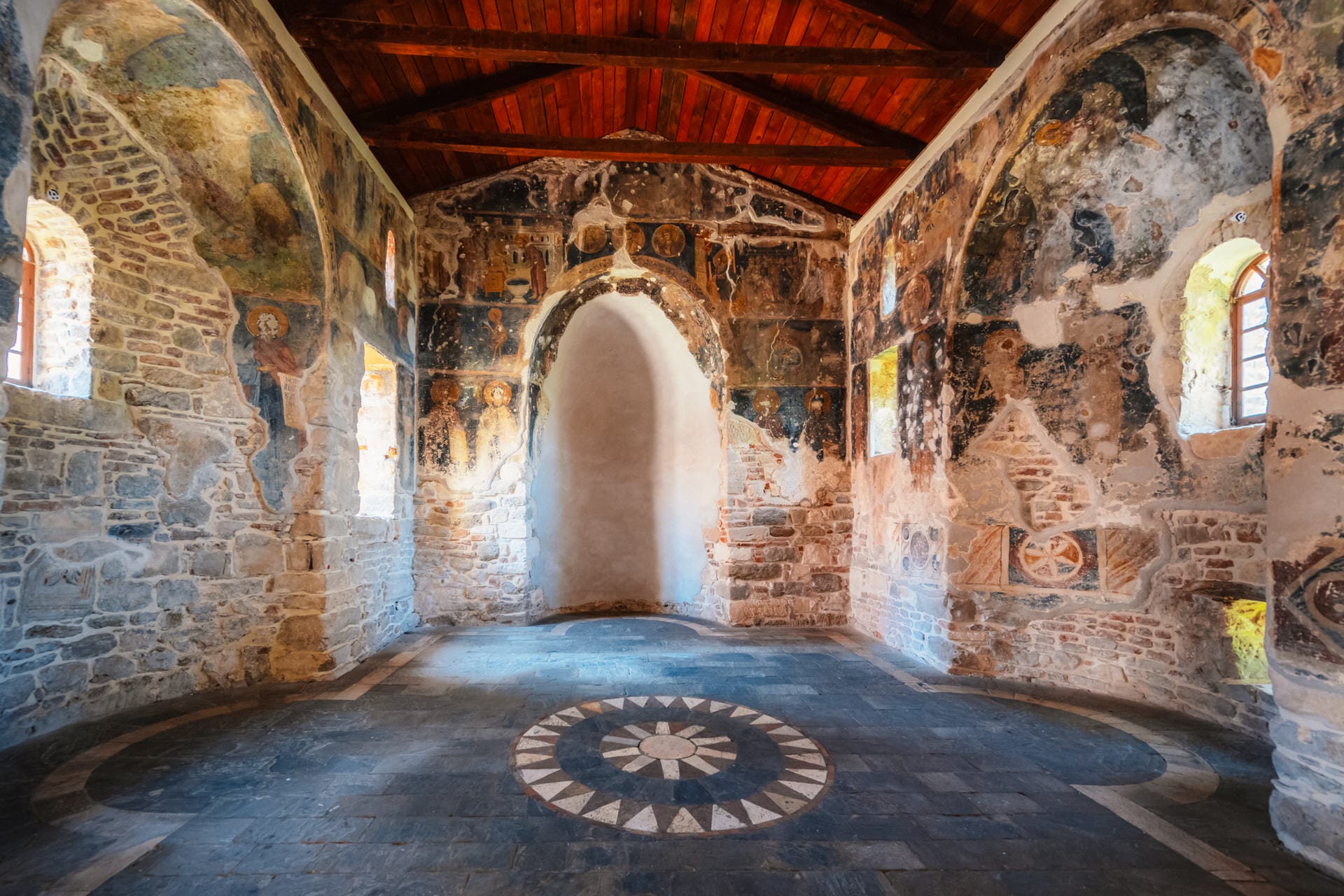
Byzantine church of St Mary in Apollonia
These powerful Albanian nobles operated with autonomy from their theoretical Byzantine overlords, creating the fragmented political landscape that preceded Ottoman conquest. The museum documents this perfectly: Byzantine administrative seals giving way to Albanian noble crests, Greek-language decrees replaced by Albanian-language property records.
Krujë Castle—from Byzantine fortress to Albanian noble stronghold to Ottoman conquest site
Standing on Krujë’s ramparts on a windswept November afternoon, looking across the coastal plain where Byzantine, Serbian, Venetian, and Ottoman armies all marched, you understand why Albania’s history is so layered. Geography made this land a crossroads. Empires rose and fell, but the fortresses endured.
What Byzantine Christianity Actually Changed
The political empire collapsed, but Byzantine cultural legacy persisted—and still shapes modern Albania in ways most people don’t recognize:
Religious Architecture: Every Orthodox church in Albania follows Byzantine architectural principles: central dome representing heaven, east-facing apse toward Jerusalem, frescoes covering walls in strict hierarchical order (Christ in the dome, saints descending toward floor). Even Catholic churches in northern Albania absorbed Byzantine influences during centuries of cultural exchange.
Language Remnants: Modern Albanian contains hundreds of Greek loanwords from Byzantine administrative and religious vocabulary. Words for “church” (kishë), “cross” (kryq), “priest” (prift), and countless theological concepts entered Albanian during Byzantine rule.
Cultural Identity: The Albanian Orthodox population—concentrated in southern Albania—maintains traditions, music, and liturgy unchanged since Byzantine times. The polyphonic chanting in southern Albanian churches carries musical patterns traceable to Byzantine liturgical texts.
Place Names: Cities like Berat, Elbasan, and Korçë preserve Byzantine-era Greek names. The Despotate of Epirus gave its name to the region southern Albanians still call Epirus (Epir in Albanian).
I attended Orthodox Easter services in a village near Përmet (no tourist infrastructure—I was there visiting a friend’s family). The liturgy was sung in Church Slavonic and Greek, texts written during Byzantium’s height. The frescoes on the church walls depicted saints using Byzantine iconographic conventions. The priest’s vestments, the incense, the ritual—all unchanged for a millennium.
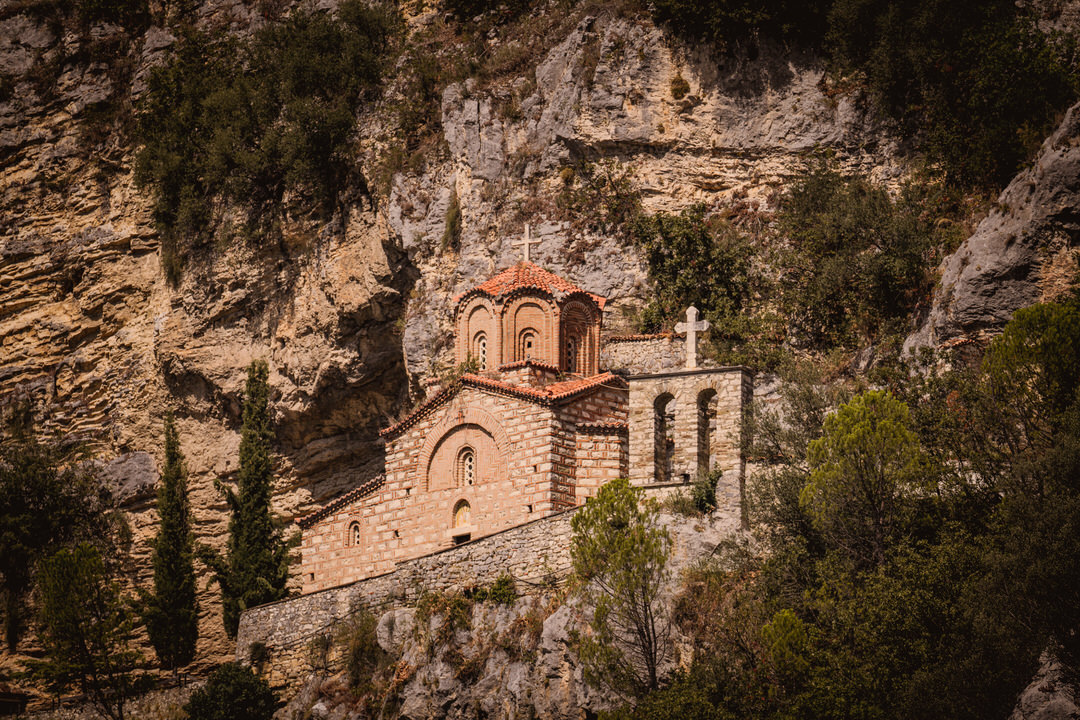
Church of St. Michael, Berat. Image by Artur
The Living Byzantine Heritage Nobody Maintains
Here’s the problem: Albania’s Byzantine sites are deteriorating faster than anyone can restore them.
The 2024 UNESCO conservation report on Butrint—published in November—details alarming issues: seasonal water levels rising and threatening mosaics, inadequate coordination between conservation teams and archaeologists, vegetation growth damaging structures, structural instability of monuments. The Albanian government must submit an updated action plan by February 1, 2025, or risk Butrint losing UNESCO protection.
I saw this firsthand at Voskopojë, once a major Balkan cultural center with 24 Byzantine-style churches. The Church of St. Nicholas (€2 suggested donation, often locked—ask at the village cafe for the key holder) preserves stunning 18th-century frescoes created long after Byzantine political power vanished but still clearly executed in Byzantine tradition.
Half the frescoes show water damage. Sections of ceiling have collapsed. Graffiti from the 1990s mars walls that survived 300 years intact. The single museum employee—a woman in her 60s who works there alone—told me the state budget for maintenance is €500 per year. “We can’t even afford proper lighting,” she said. “Tourists come, I give them flashlights.”
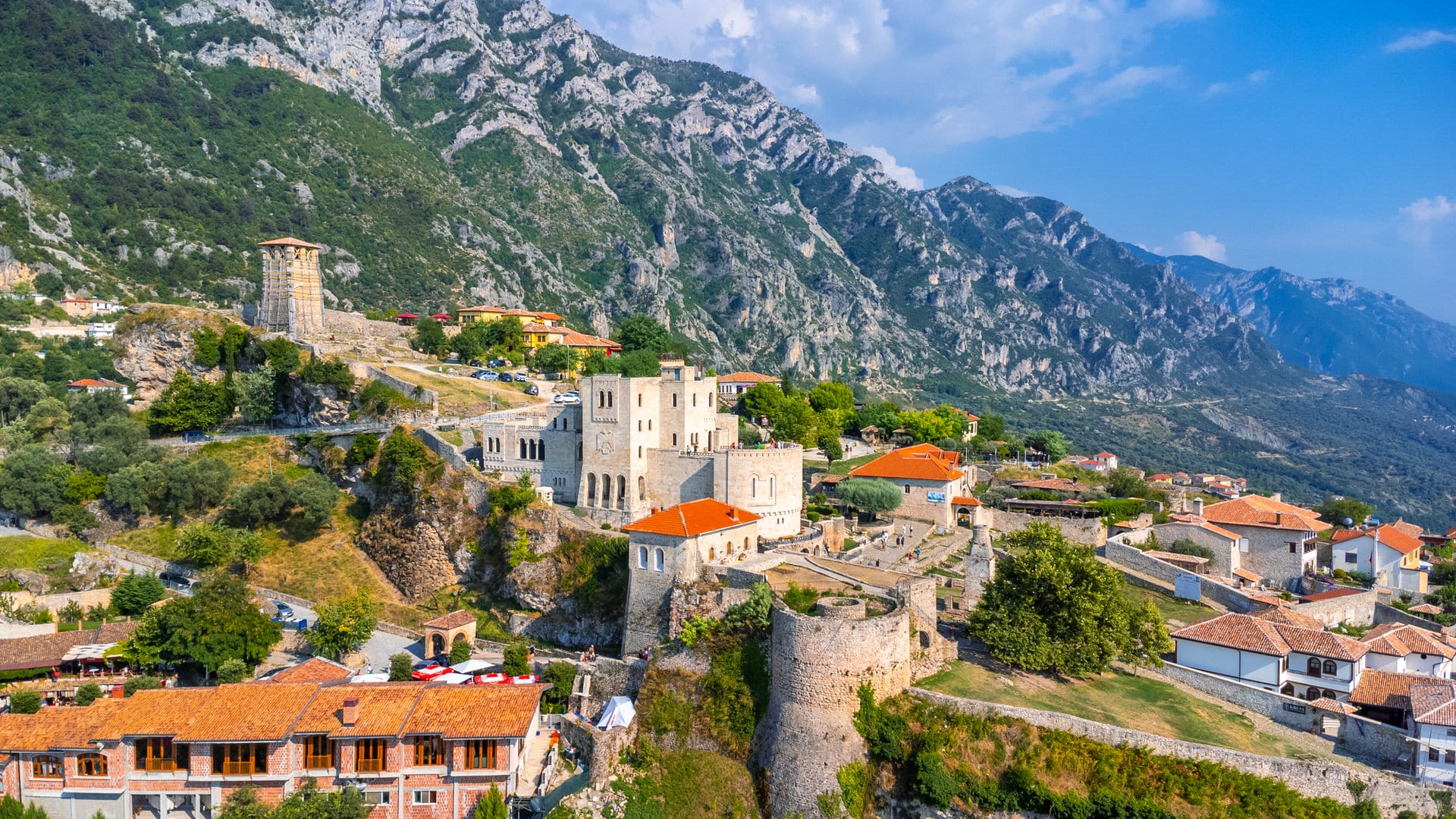
Krujë Castle and Fortress
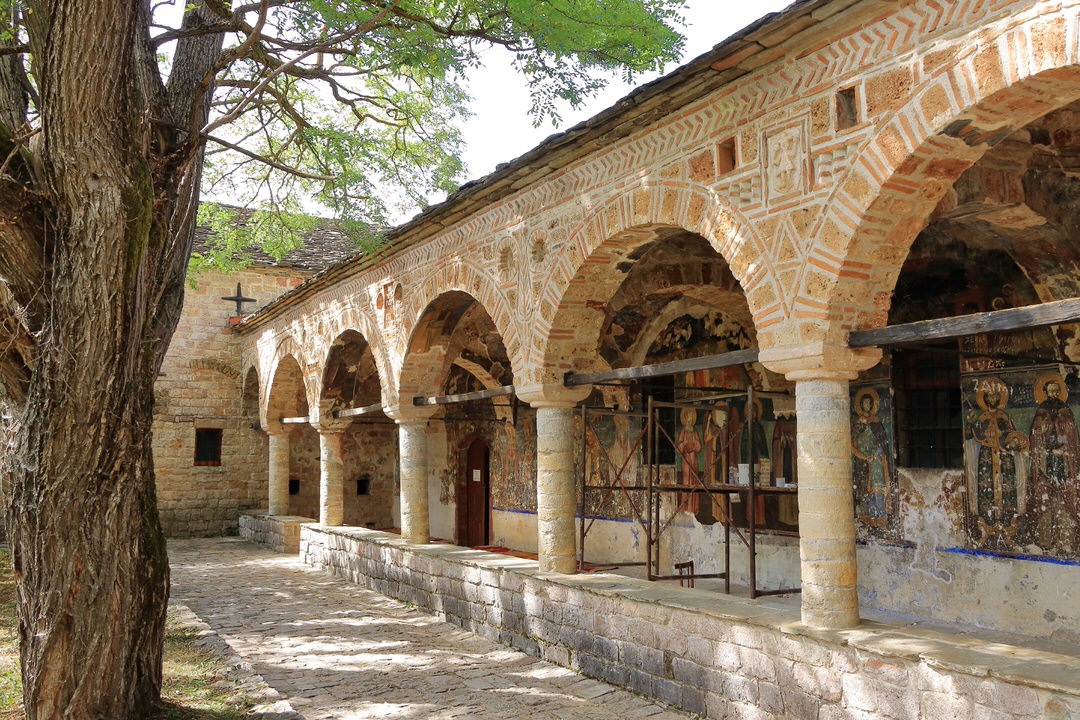
Voskopojë’s Byzantine-style frescoes—800 years of history crumbling from neglect
This happens at site after site. Spectacular Byzantine churches in remote villages get zero funding. Frescoes painted in 1200 CE survive Ottoman rule and communist atheism, only to fade from water damage and lack of climate control in 2024.
What You Can Actually Visit (Honest Logistics)
After three weeks tracing Byzantine Albania, here’s what’s worth your limited time and budget:
Must-Visit Sites:
- Berat: €2-3, 2 full days needed, UNESCO site, best Byzantine urban landscape in Albania
- Butrint: €10, full day, UNESCO site, finest Byzantine baptistery and mosaics
- Durrës Archaeological Museum: €3, 2 hours, excellent Byzantine gold work and artifacts
Worth It If You Love Church Architecture:
- Voskopojë churches: €2 suggested donation each, half day, stunning frescoes but poorly maintained
- Përmet region churches: Free-€2, bring local guide, active Orthodox communities still use them
Skip Unless You’re a Specialist:
- Apollonia’s Byzantine layers (Roman ruins far more impressive)
- Shkodër’s Byzantine remnants (Ottoman and Venetian layers dominate)
Reality Check on Visiting Byzantine Albania:
- Many churches stay locked—ask at village cafes for key holders
- Bring flashlights (churches lack electricity)
- Albanian Orthodox communities appreciate modest dress (cover shoulders/knees)
- Spring (April-June) and fall (September-October) optimal—winter brings impassable mountain roads, summer brings unbearable heat
- Rental car essential (€30/day)—public transport doesn’t reach remote Byzantine sites
- Budget €600-800 for one week including car, accommodation (€40-50/night), site fees, guides
The Slow Collapse: 1347 to 1450
Serbian forces occupied Albania in 1347, effectively ending Byzantine rule. But “ending” is misleading—Byzantine cultural influence continued even as political control fragmented.
Local Albanian nobles like the Muzakas, Dukagjinis, and Kastriotis established what were essentially independent principalities. They minted coins in their own names, fought private wars, and made alliances without Constantinople’s permission. But they still built Orthodox churches in Byzantine architectural styles, commissioned icons using Byzantine techniques, and identified culturally with the Orthodox Christian world centered on Constantinople.
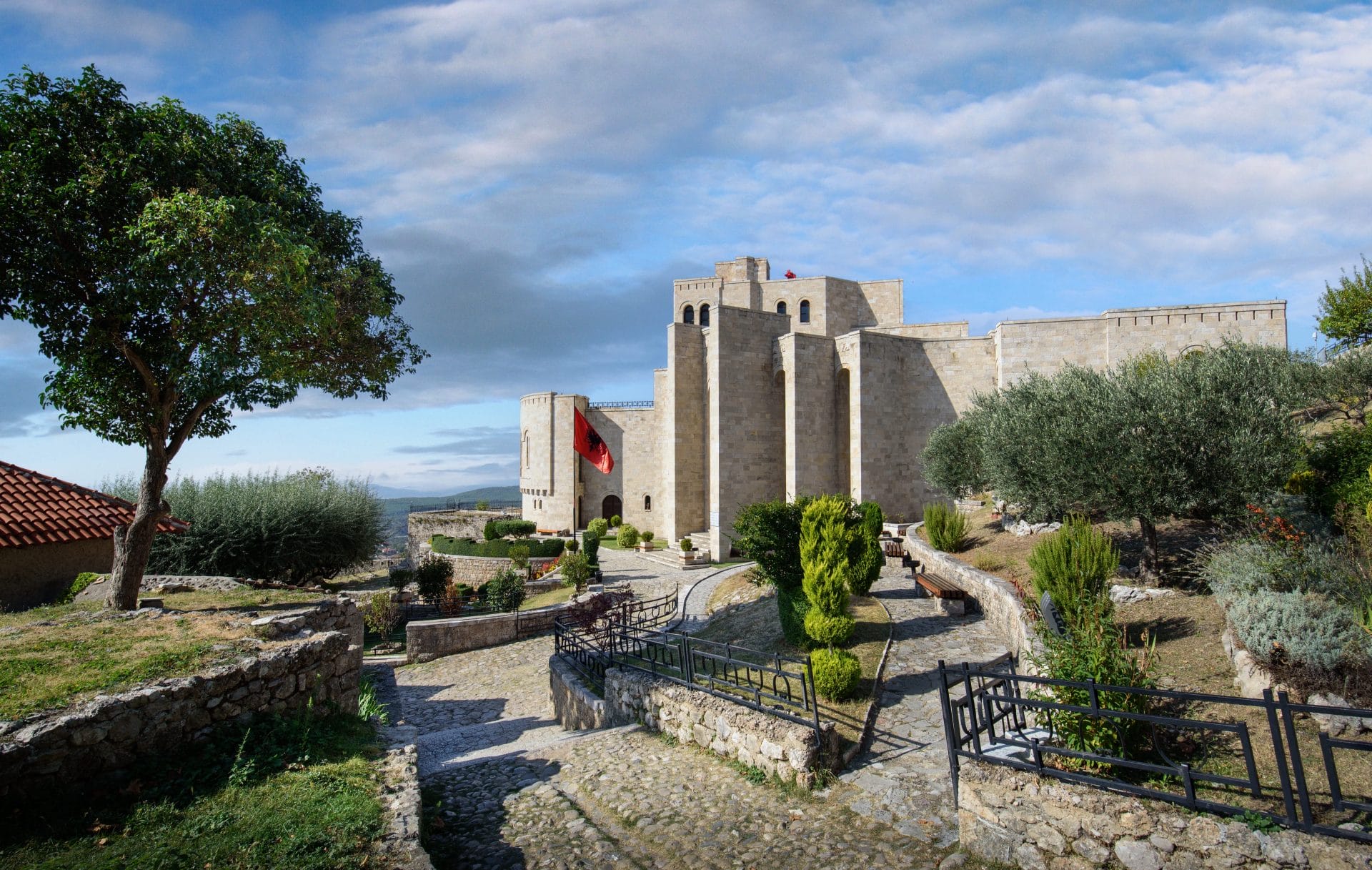
The Skanderbeg Museum in Krujë
The Battle of Savra in 1385 marked the beginning of Ottoman dominance. Cities fell gradually: Vlorë in 1417, most of central Albania by 1430. Skanderbeg’s resistance (1443-1468) briefly united Albanian lords, but after his death and Shkodër’s fall in 1479, Albania passed fully under Ottoman control.
Walking through Krujë Castle’s Skanderbeg Museum, you see this transition documented: Byzantine administrative documents giving way to Albanian noble decrees, then Ottoman firmans (imperial edicts) replacing everything. The fortress walls show layers—Byzantine foundations, Albanian noble additions, Ottoman repairs—each empire literally building on its predecessor’s ruins.
Why This Matters (Beyond Historical Obsession)
Byzantine Albania isn’t just dusty academic history—it’s the foundation of modern Albanian identity in ways most people don’t recognize.
The religious divide in Albania (Orthodox South, Catholic North, Muslim majority from Ottoman conversion) has Byzantine roots. The architectural vocabulary of Albanian churches—even ones built after Byzantine collapse—follows Byzantine conventions. The concept of Albania as a crossroads between East and West originates in its position as Byzantium’s western frontier.
World Heritage Site by UNESCO
For travelers willing to venture beyond Western Europe’s well-trodden historical sites, Byzantine Albania offers something increasingly rare: world-class historical treasures without the crowds. You can stand alone in Butrint’s baptistery studying 1,500-year-old mosaics depicting paradise. You can wander Berat’s Byzantine churches with only Albanian grandmothers lighting candles for company. You can explore Voskopojë’s frescoes accompanied only by the woman with the flashlight.
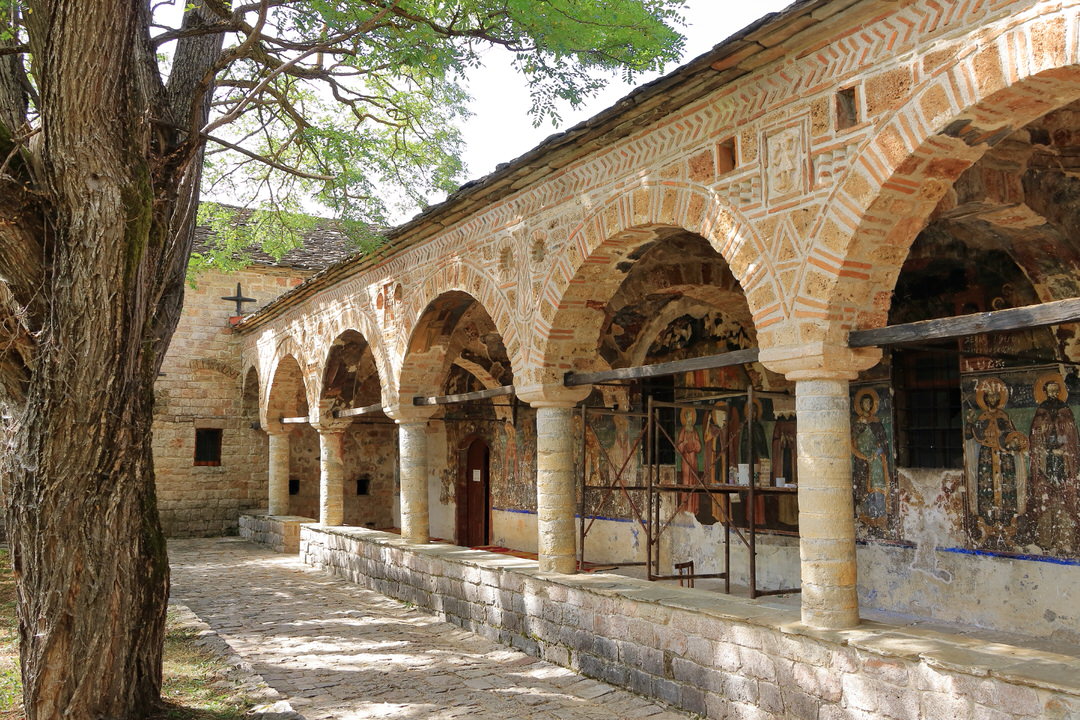
St. Nicholas Church, Voskopojë—18th-century Byzantine-style architecture still standing
Greece and Turkey charge €20-30 to see inferior Byzantine sites packed with tour groups. Albania charges €2-10 and you’ll have the place to yourself. The conservation is worse, the infrastructure minimal, but the history is just as significant—and the experience infinitely more intimate.
That’s 1,055 years of Byzantine rule compressed into one article. Not bad for an empire nobody remembers.
FAQ: Byzantine Albania Essentials
How long did Byzantium control Albania? Nominally from 395 CE (Roman Empire split) to 1347 (Serbian conquest), though control fragmented significantly after the Fourth Crusade (1204). That’s roughly 1,000 years of Byzantine sovereignty, longer than any other empire ruled Albania.
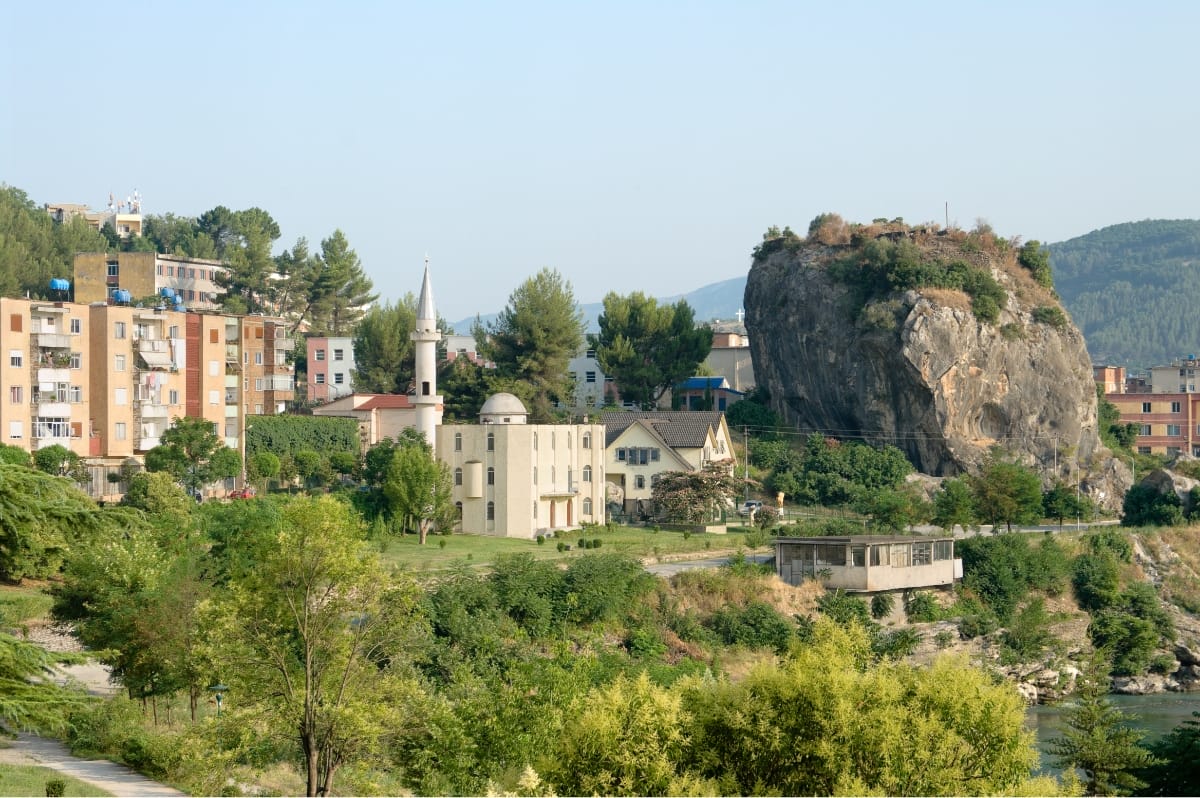
Birdseye view of Përmet
Why is Byzantine Albania so unknown? Communist Albania (1944-1991) closed the country to tourism and international scholarship. Byzantine studies focused on Constantinople, Greece, and Italy. Albania’s sites lacked funding and infrastructure. Plus, “Byzantine” sounds complicated and boring to most people.
What’s the best Byzantine site in Albania? Berat for urban Byzantine architecture, Butrint for mosaics and baptistery, Voskopojë for frescoes. If you only have time for one: Berat, because the entire city preserves Byzantine character.
Can I visit Byzantine churches that are still active? Yes—southern Albanian Orthodox churches welcome visitors outside service times. Ask permission before photographing. Modest dress expected (shoulders/knees covered). Services happen Sunday mornings and major Orthodox feast days.
How much should I budget? One week covering major Byzantine sites: €600-800 including rental car (€30/day essential), accommodation (€40-50/night), site entries (€2-10 each), meals (€15-25/day). Albania remains incredibly affordable.
When’s the best time to visit? Spring (April-June) for wildflowers and mild weather, autumn (September-October) for golden light and fewer tourists. Avoid July-August (too hot, too crowded) and November-March (rain, mud, mountain roads impassable).