The “Pirates” Rome Couldn’t Ignore
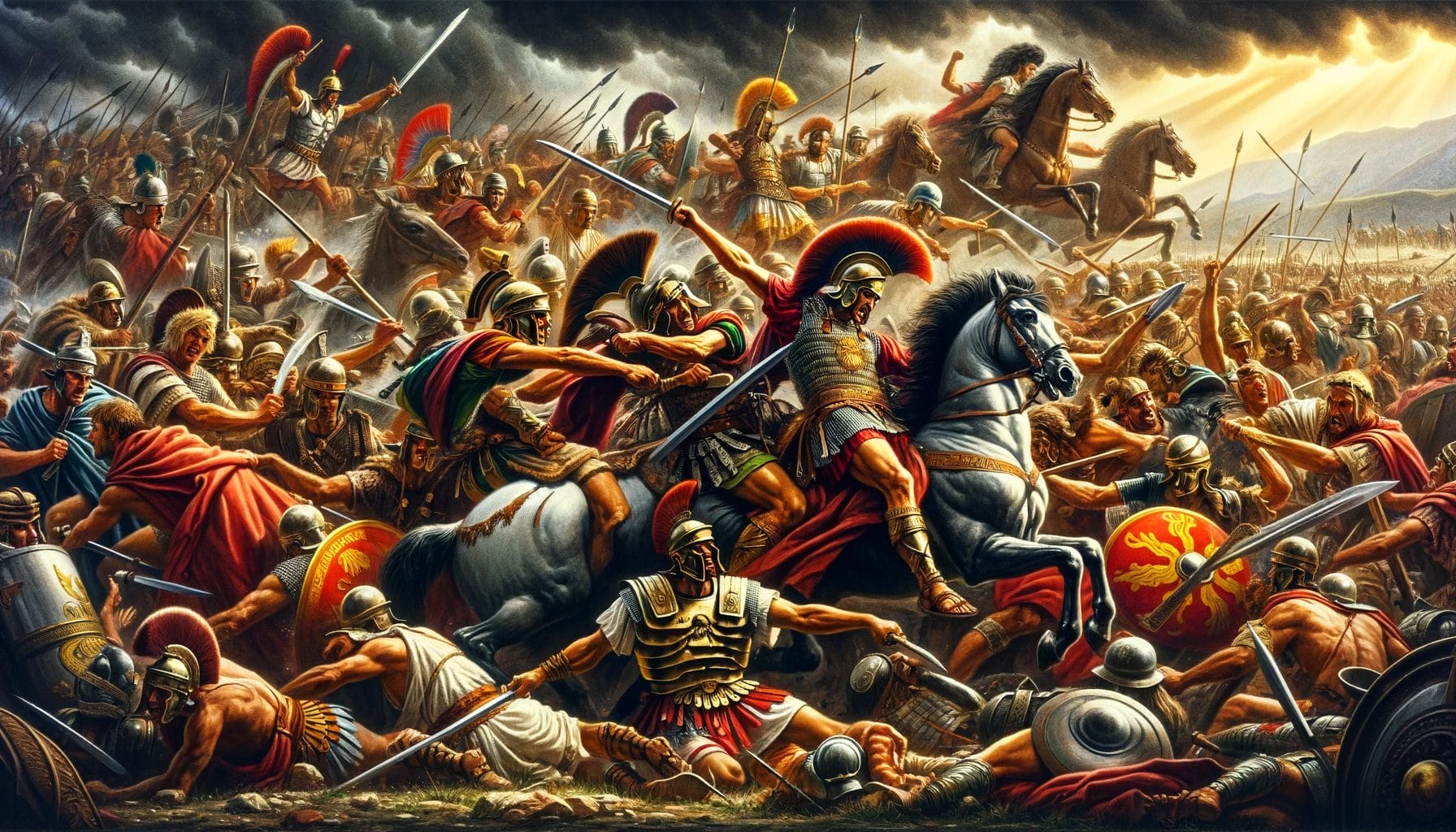
Here’s how Roman historians framed it: Illyrian pirates terrorizing innocent Italian merchants in the Adriatic, forcing Rome to launch “defensive” military campaigns to restore law and order. Convenient narrative. What they don’t mention is that these Illyrian kingdoms—particularly Queen Teuta’s confederation—had controlled Adriatic trade routes for centuries before Rome decided the entire Mediterranean was their personal lake.
I learned this standing in the ruins of Apollonia (€5 entry, worth every cent), where a weathered information placard explained how this Greek colony became one of Rome’s most important eastern outposts. My guide Fatmir, a retired archaeologist who smells perpetually of cigarette smoke and knows every stone’s story, put it more bluntly: “The Romans called it piracy. The Illyrians called it customs enforcement. Same difference, really.”
The First Illyrian War in 229 BCE wasn’t about justice—it was about silver mines, timber, and strategic ports. Rome wanted what Illyrian kingdoms controlled, and they had the legions to take it.
When Apollonia Was Richer Than Most Italian Cities
By 168 BCE, after the Third Illyrian War ended with King Gentius defeated and dragged to Rome in chains, Illyria became the province of Illyricum. But here’s what surprised me during three weeks tracing Roman Albania: the conquest didn’t destroy these cities—it transformed them into some of the wealthiest urban centers in the eastern Mediterranean.
Apollonia, founded by Greek colonists in 588 BCE, exploded in importance under Roman rule. Julius Caesar himself used it as a supply base during his civil war campaigns. Later, young Octavian (soon to become Emperor Augustus) studied here—ancient Rome’s equivalent of Oxford or Cambridge.
2024 excavations published by Cambridge University’s archaeological review revealed just how sophisticated Roman Apollonia was. They found blocks of the ancient city dating from the fifth century BCE layered with Roman Imperial structures, plus harbor facilities showing massive Roman investment in port infrastructure. The pottery finds span from the third century CE straight through to the seventh century CE—meaning this wasn’t a brief Roman occupation, but 400+ years of continuous prosperity.
I walked the site on a cold March morning (perfect timing—no crowds, soft light for photos). The Monument of Agonothetes, a stunning Roman portico from the 2nd century CE, frames views across olive groves that probably occupied the same spots in antiquity. The adjacent museum houses exquisite Roman sculptures, coins bearing emperors’ faces, and oil lamps that illuminated homes when Jesus was alive.
Pro Tip: Visit Apollonia in spring (April-May) when wildflowers bloom among the ruins. Combine it with nearby Vlorë beach—ancient culture in the morning, Adriatic swimming by afternoon. Skip summer July-August when Albanian tour buses and heat make it unbearable.
The Road That Changed Everything: Via Egnatia
The single most important Roman contribution to Albania wasn’t a temple, amphitheater, or aqueduct—it was a road.
Via Egnatia, constructed around 130 BCE, ran 1,120 kilometers from Durrës (Dyrrachium) on Albania’s Adriatic coast all the way to Constantinople (modern Istanbul). This wasn’t just a road—it was the physical manifestation of Roman power, the artery pumping soldiers, grain, taxes, and ideas between Rome and its eastern territories.
I drove portions of the modern highway that follows the ancient route (rental car: €30/day, absolutely essential for reaching remote sites). Near the village of Bradashesh, archaeologists uncovered a mutatio (changing station) called Ad Quintum where travelers could swap exhausted horses for fresh ones. The 2024 Cambridge archaeological review describes what they found: a complete Roman bathhouse from the 2nd century CE, with frigidarium (cold room), tepidarium (warm room), and calidarium (hot room), plus a nymphaeum (fountain shrine) and an undressing room featuring fine paintings and mosaics.
Think about that. This wasn’t Rome or Pompeii—this was a roadside rest stop in the Albanian mountains, and it had better amenities than most modern gas stations. Heated floors. Artwork. Fountains. The Romans didn’t do things halfway.
At Topcias, researchers documented a Roman bridge with three construction phases—original Roman engineering overlaid with Byzantine repairs and later Ottoman modifications. The bridge still stands, carrying Albanian farmers’ trucks where Roman supply wagons once creaked.
Durrës: Where Everyone Built on Top of Everyone Else
Durrës (ancient Dyrrachium) perfectly illustrates Albania’s archeological problem: every civilization built on the previous one’s ruins, so excavating means demolishing modern buildings to reach ancient layers.
The Roman amphitheater—largest in the Balkans at 136 meters by 113 meters, seating 20,000 spectators—sat buried beneath medieval and Ottoman construction for centuries. Italian archaeologists started uncovering it in the 1960s, but they could only excavate portions because modern houses literally sit on top of sections of the arena. Walking through it today (€3 entry, cramped and confusing but historically significant), you’ll see Byzantine-era chapels built inside the amphitheater tunnels, Ottoman walls incorporating Roman stones, and Albanian apartment balconies jutting over ancient arches.
The amphitheater dates to the 2nd century CE during Emperor Trajan’s reign—the same emperor who conquered Dacia and maxed out the Roman Empire’s territorial expansion. Gladiators fought where Albanian grandmothers now hang laundry.
Recent excavations documented in the 2024 research revealed that Durrës had massive Cyclopean fortifications in the upper city (late 4th-early 3rd century BCE), later reinforced during Constantine and Justinian’s Byzantine reigns. The city never stopped being strategically crucial—everyone who controlled the Adriatic wanted this port.
Butrint: The Only Augustan Forum in the Eastern Balkans
If you only visit one Roman site in Albania, make it Butrint (€10 entry, UNESCO World Heritage Site, worth every penny and then some).
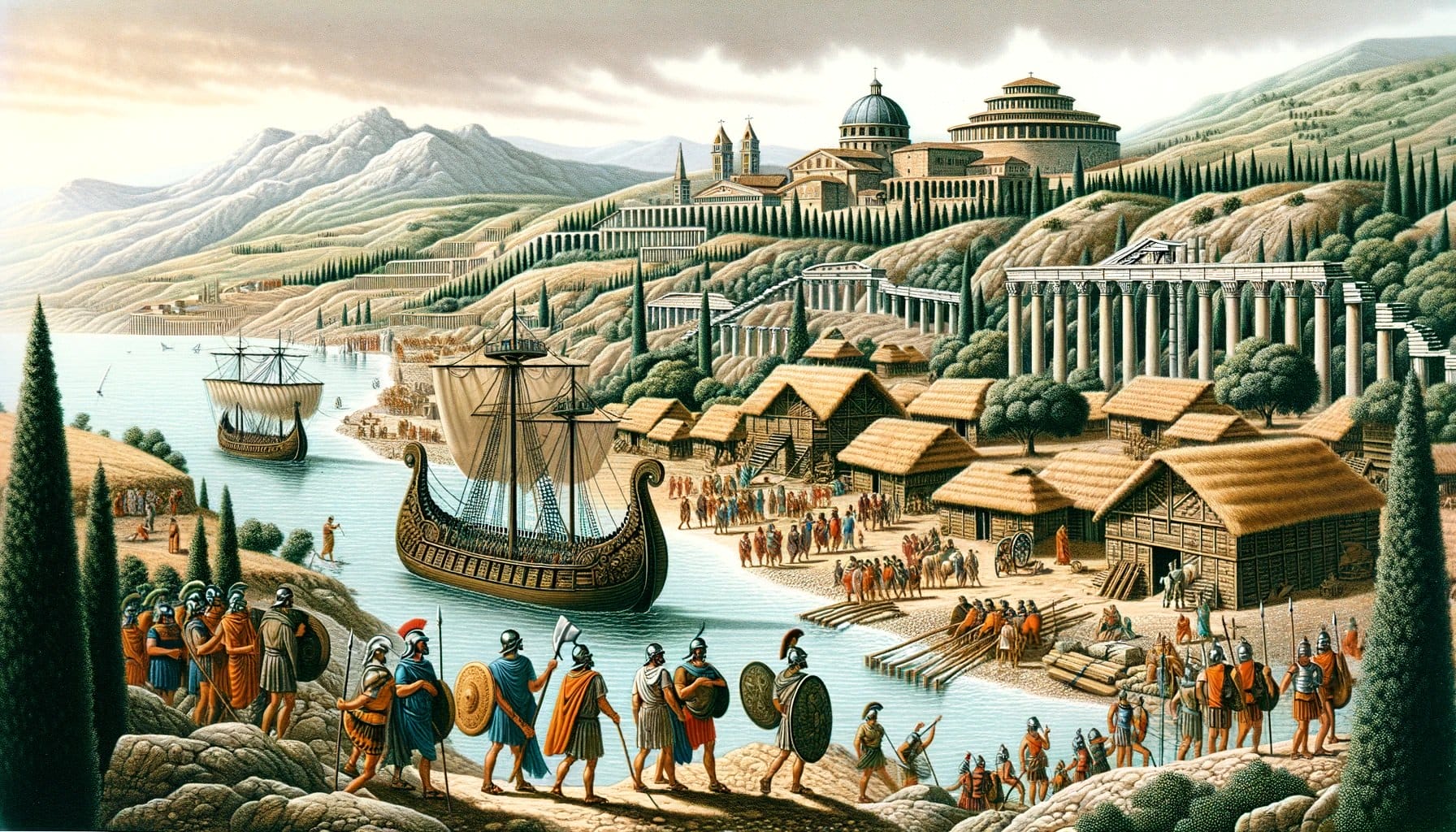
Located in southern Albania near the Greek border, Butrint preserves layers from Greek colonization (4th century BCE) through Roman Imperial glory to Byzantine decline—all within a stunning natural setting where Lake Butrint meets the Ionian Sea.
The University of Notre Dame has been excavating Butrint’s Roman Forum since 2005. What they found is the only known forum in Epeiros and one of the best-preserved Augustan-period (27 BCE - 14 CE) forums in Roman provinces. Think about the timing: this was built when Emperor Augustus—the same guy who studied at Apollonia as a teenager—was transforming Rome from republic to empire.
I spent two full days wandering Butrint (bring water, good shoes, sun protection—it’s sprawling and exposed). The Roman theater, carved into a hillside and seating 2,500, still has visible Greek inscriptions layered with Latin ones. The bathhouse complex features intact hypocaust (underfloor heating) systems—you can see the pillars that held up floors while hot air circulated beneath.
But the real treasure is the Great Basilica’s mosaic floor, created in the 6th century CE during Butrint’s Byzantine Christian period. Animals, birds, and geometric patterns sprawl across hundreds of square meters. A Cambridge research team synthesized 96 years of mosaic investigations, revealing new information about how the temple of Asclepius (Greek god of healing) was later converted into a Christian basilica—Romans didn’t destroy what they conquered, they repurposed it.
Pro Tip: Visit Butrint in shoulder season (April-May or September-October). Summer brings cruise ship crowds and oppressive heat. Combine with swimming at nearby Ksamil beaches (20 minutes south)—Roman ruins before lunch, turquoise water after.
What Rome Actually Changed (Beyond Roads and Bathhouses)
The material infrastructure—roads, aqueducts, amphitheaters—that’s the obvious Roman legacy. But three deeper transformations shaped Albania irreversibly:
Language Death: Pre-Roman Illyrian languages gradually disappeared, replaced by Latin. Modern Albanian evolved from this Romanized base, though it’s so heavily influenced by later Greek, Slavic, and Turkish that linguists still argue about how much Illyrian vocabulary survived. Place names like Durrës (from Epidamnos via Latin Dyrrachium), Shkodër (from Scodra), and the rivers Drin and Mat preserve Latin-era names that replaced older Illyrian ones.
Legal Integration: Rome granted citizenship to Illyrian elites who cooperated, eventually extending it to all free inhabitants under Emperor Caracalla in 212 CE. This meant Illyrians could hold Roman offices, serve in legions, appeal to Roman courts. By the 3rd-4th centuries CE, Illyrian provinces produced Roman emperors—Diocletian (who split the empire into East and West) and Constantine the Great (who made Christianity the state religion) both had Illyrian origins.
Religious Transformation: Roman polytheism blended Illyrian deities with the Roman pantheon—Zeus merged with Jupiter, local fertility goddesses became Ceres or Diana. This religious syncretism set the stage for Christianity’s arrival in the 3rd-4th centuries CE. By the time Rome split into Eastern and Western Empires in 395 CE, Albania’s urban centers were already building Christian basilicas on top of pagan temple foundations.
The Illyrian Town That Grew After Roman Conquest
At Dimal, an Illyrian hilltop settlement where a branch of Via Egnatia from Apollonia passed through, excavations revealed something unexpected: the town didn’t shrink under Roman rule—it expanded.
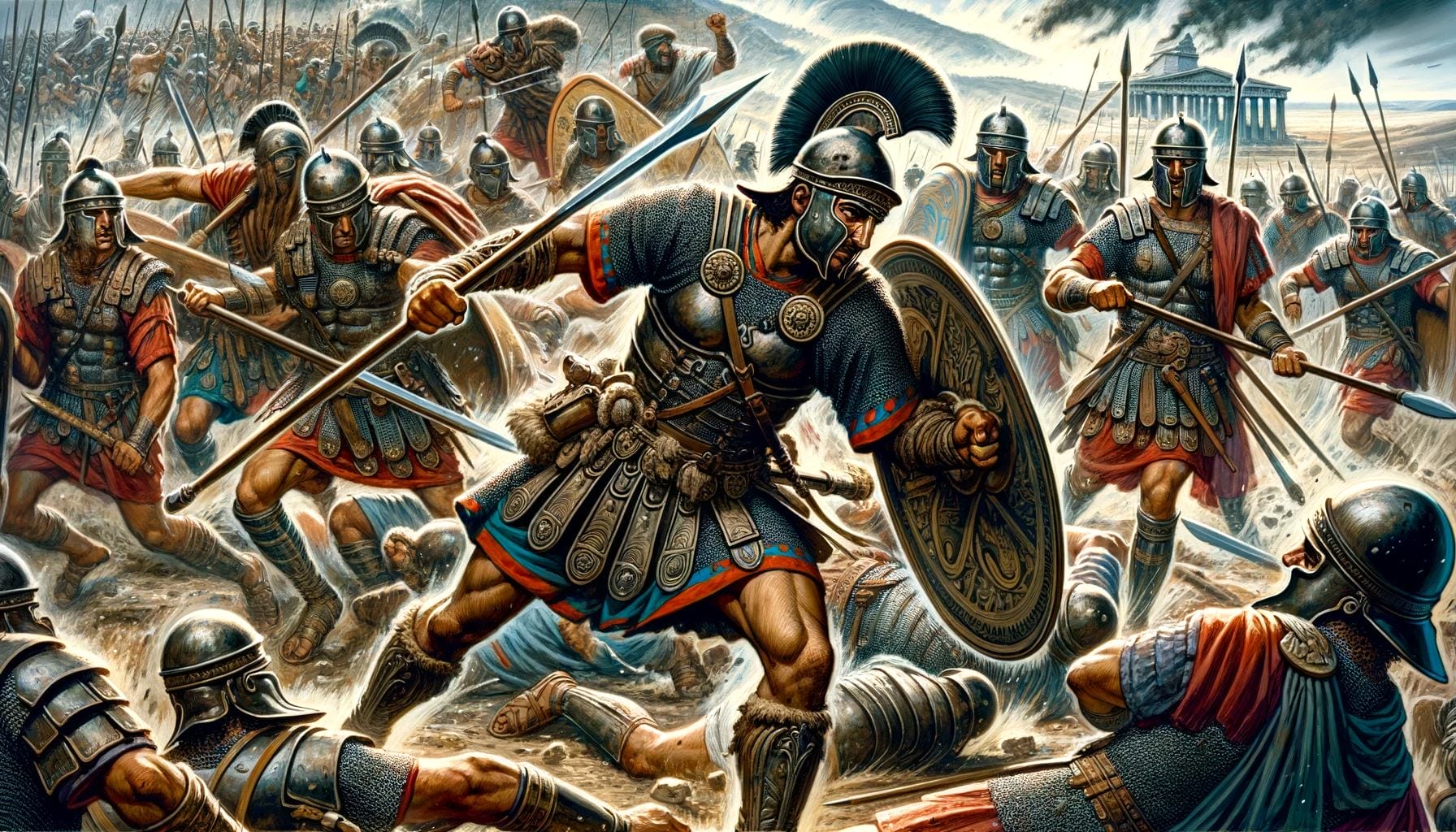
The settlement was heavily fortified in the 4th-3rd centuries BCE when Illyrian kings controlled it. After Roman annexation in 205 BCE, someone invested heavily in a larger fortification circuit and new public buildings. The archaeological evidence suggests Roman conquest brought construction booms, not destruction.
My guide Fatmir has a theory about this: “The Romans were smart colonizers. They didn’t kill everyone and salt the earth—they co-opted local elites, offered them citizenship and positions, built infrastructure that made them richer. The Illyrian chiefs who fought Rome lost. The ones who switched sides early kept their land and got rich importing Italian wine and olive oil.”
It’s a cynical view, but the archaeology supports it. Illyrian aristocrats who Romanized their names, adopted Latin, and sent their kids to study rhetoric in Rome did extremely well. The ones who insisted on independence ended up in chains being paraded through Roman streets.
What You Can Actually See Today (With Real Logistics)
After tracing Roman Albania across three weeks and probably 1,200 kilometers of driving, here’s my honest assessment of what’s worth your time:
Must-Visit (Don’t Skip These):
- Butrint: €10, full day needed, UNESCO site, best-preserved Roman urban complex in Albania
- Apollonia: €5, half day, stunning setting, excellent museum
- Durrës Amphitheater: €3, 1-2 hours, bizarre Byzantine/Ottoman layers inside Roman structure
Worth It If You Have Time:
- Dimal ruins: Free (nobody there to charge you), bring local guide or you’ll miss it, 4WD helpful
- Via Egnatia bridge at Topcias: Free, photogenic, quick stop if driving toward Ohrid
- Shkodër (ancient Scodra): More medieval than Roman, but worth visiting for Rozafa Castle context
Skip Unless You’re an Archaeology PhD Student:
- Bradashesh mutatio (excavation closed, nothing to see without special access)
- Most Via Egnatia segments (modern highway obliterated them)
Practical Reality Check: Albania’s Roman sites are spectacular but underfunded. Don’t expect Pompeii-level restoration or English signage. Bring:
- Good walking shoes (uneven ancient stones + Albanian trails = ankle injuries)
- Cash (many sites don’t take cards; €5-20 notes ideal)
- Water and snacks (remote sites have zero facilities)
- Albanian language basics or a local guide (English is hit-or-miss outside Tirana)
- Patience with infrastructure (roads to some sites are… rustic)
The Empire That Never Really Left
The Western Roman Empire collapsed in 476 CE. The Eastern Roman (Byzantine) Empire kept Albania for another millennium. Even after Byzantium fell and Ottomans conquered Albania in the 15th century, the Roman legacy persisted.
Modern Albanians still use Latin-derived words for basic concepts. Albanian road engineers still follow routes Roman surveyors laid out 2,000 years ago. When Albania builds a new highway, bulldozers regularly uncover Roman milestones, pottery, and coins—the past literally paving the way for the present.
I think about this driving Albania’s modern highways, passing ruined Roman bridges now carrying Albanian sheep instead of Imperial grain shipments. Rome conquered Illyria in 168 BCE. The conquest never really ended—it just transformed, absorbed, and evolved into something neither Roman nor purely Illyrian, but distinctly Albanian.
That’s 600 years of Roman rule compressed into one article. Not bad for an empire that started by calling Illyrian queens pirates.
FAQ: Everything You Want to Know About Roman Albania
When exactly did Rome conquer Albania? It happened in stages: First Illyrian War (229-228 BCE) established Roman protectorate, Third Illyrian War (168 BCE) defeated King Gentius and ended Illyrian independence, full provincial integration by 148 BCE.
Can you visit Via Egnatia today? Not in continuous stretches—the modern highway obliterated most of it. But segments survive near Elbasan, bridges at Topcias, and milestones in museums. The route’s cultural significance earned it Council of Europe recognition as a major historical pathway.
What’s the best time to visit Roman sites in Albania? Spring (April-June) and autumn (September-October). Summer (July-August) brings brutal heat and crowds. Winter (November-March) means rain, mud, and some sites close.
Do I need a guide? For major sites (Butrint, Apollonia, Durrës), no—they’re well-marked with museums. For remote sites (Dimal, Via Egnatia segments), absolutely yes. Albanian archaeologists make excellent guides and need the income.
How much should I budget? One week covering major Roman sites: €600-900 including car rental (€30/day), accommodation (€40-60/night), site entries (€3-10 each), guides (€40-80/day), food (€20-30/day). Albania remains incredibly affordable compared to Italy or Greece.
Why isn’t Albanian Roman heritage better known? Four decades of communist isolation (1944-1991) kept Albania closed to tourism and international scholarship. Plus, Greek and Italian Roman sites got all the attention and funding. Albania’s opening up, but it takes time for infrastructure and recognition to catch up.