The Inconvenient Truth About Skanderbeg’s Legacy
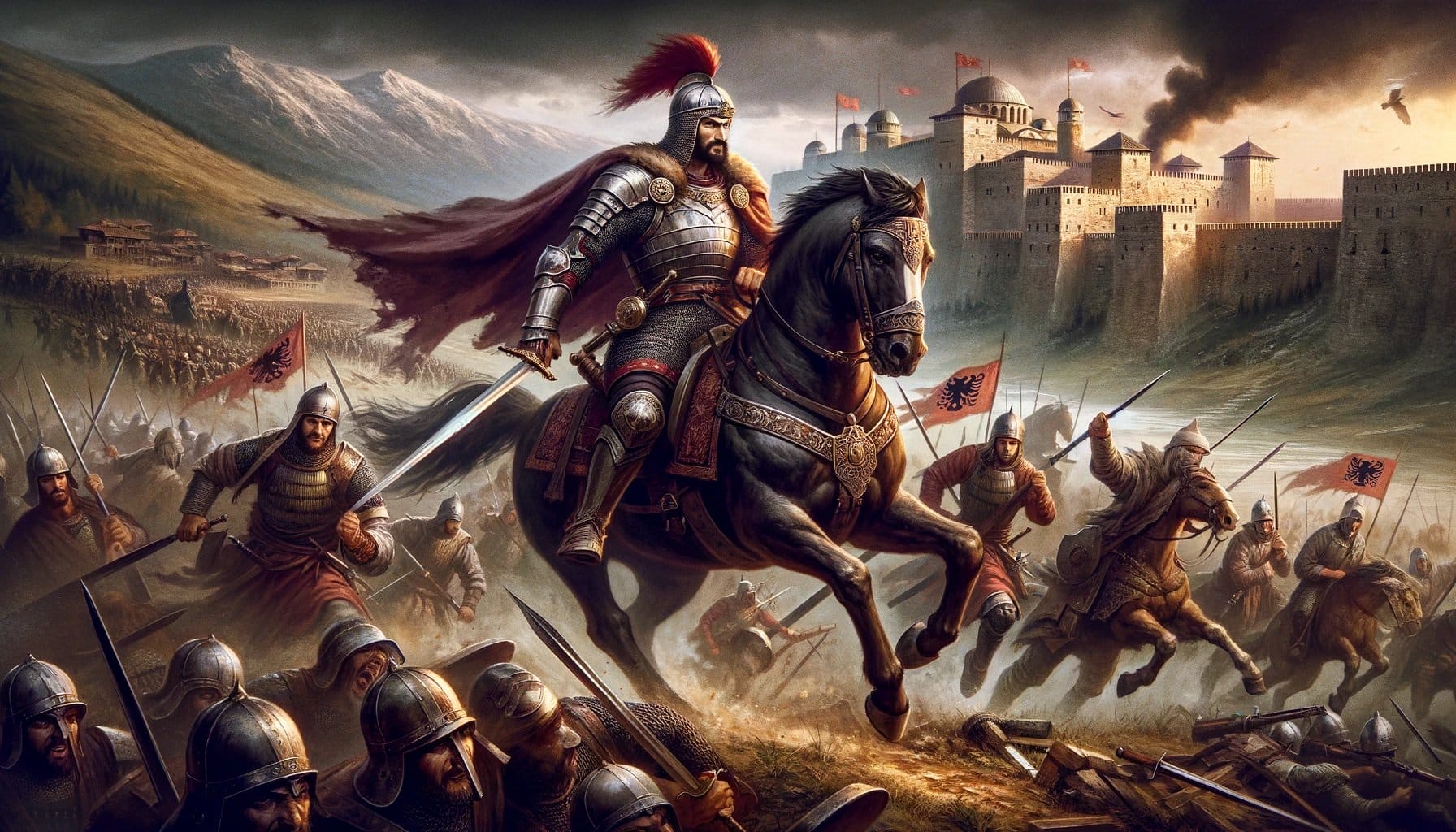
Every Albanian knows the story: Gjergj Kastrioti Skanderbeg, the national hero who defied the Ottoman Empire for 25 years (1443-1468), winning over 30 battles and earning respect across Christian Europe as the “Athlete of Christ” fighting against Muslim expansion.
Here’s what the patriotic narrative conveniently forgets: ten years after Skanderbeg died, Shkodër fell to the Ottomans (1479), marking the beginning of 434 years of Ottoman rule over Albania. Most of those centuries weren’t characterized by heroic resistance—they featured Albanian nobles converting to Islam, climbing Ottoman administrative ranks, and prospering under the empire they’d supposedly fought against.
I spent months tracing Ottoman Albania through archives, mosques, and the uncomfortable silences in Albanian historiography. The Ottoman period isn’t just about Skanderbeg’s glory—it’s about how a small Balkan region got absorbed into a multi-ethnic empire, adopted a new religion, produced grand viziers and military leaders, then violently rejected that heritage during 20th-century nation-building.
The archaeology and architecture tell a far more complex story than the statues of Skanderbeg on horseback suggest.
The 25 Years That Define Everything (1443-1468)
Let me be clear: Skanderbeg’s resistance was genuinely remarkable. The man was a military genius who understood guerrilla warfare before the term existed.
Gjergj Kastrioti was born into Albanian nobility in 1405, sent as a hostage to the Ottoman court (standard practice for subjugated nobles), converted to Islam, trained in Ottoman military academies, and rose to become a Ottoman general. In 1443, he abandoned the Ottomans, reconverted to Christianity, and organized Albanian nobles into the League of Lezhë—the first embryonic centralized Albanian state.
I visited Krujë Castle (€5 entry to Skanderbeg Museum, spectacular setting) where he made his headquarters. The fortress is dramatically perched on a mountainside commanding views across the coastal plain toward the Adriatic. You immediately understand why Skanderbeg chose it—the Ottomans had to attack uphill through narrow approaches where their numerical superiority meant nothing.
The Skanderbeg Museum, built during communist Albania in the style of heroic socialist realism (it looks like a concrete spaceship), documents his victories: the Battle of Torvioll (1444), the sieges of Krujë (1450, 1466, 1467), diplomatic missions to European courts seeking aid against the Ottomans.
What the museum downplays: Skanderbeg’s resistance was largely defensive, focused on protecting Albanian highlands rather than expelling Ottomans from all Albania. His “League of Lezhë” was a fragile alliance of feuding nobles who regularly broke away to make separate peace deals with the Ottomans. And European Christian powers were happy to praise Skanderbeg’s resistance but never sent the military support that might have actually defeated the Ottomans.
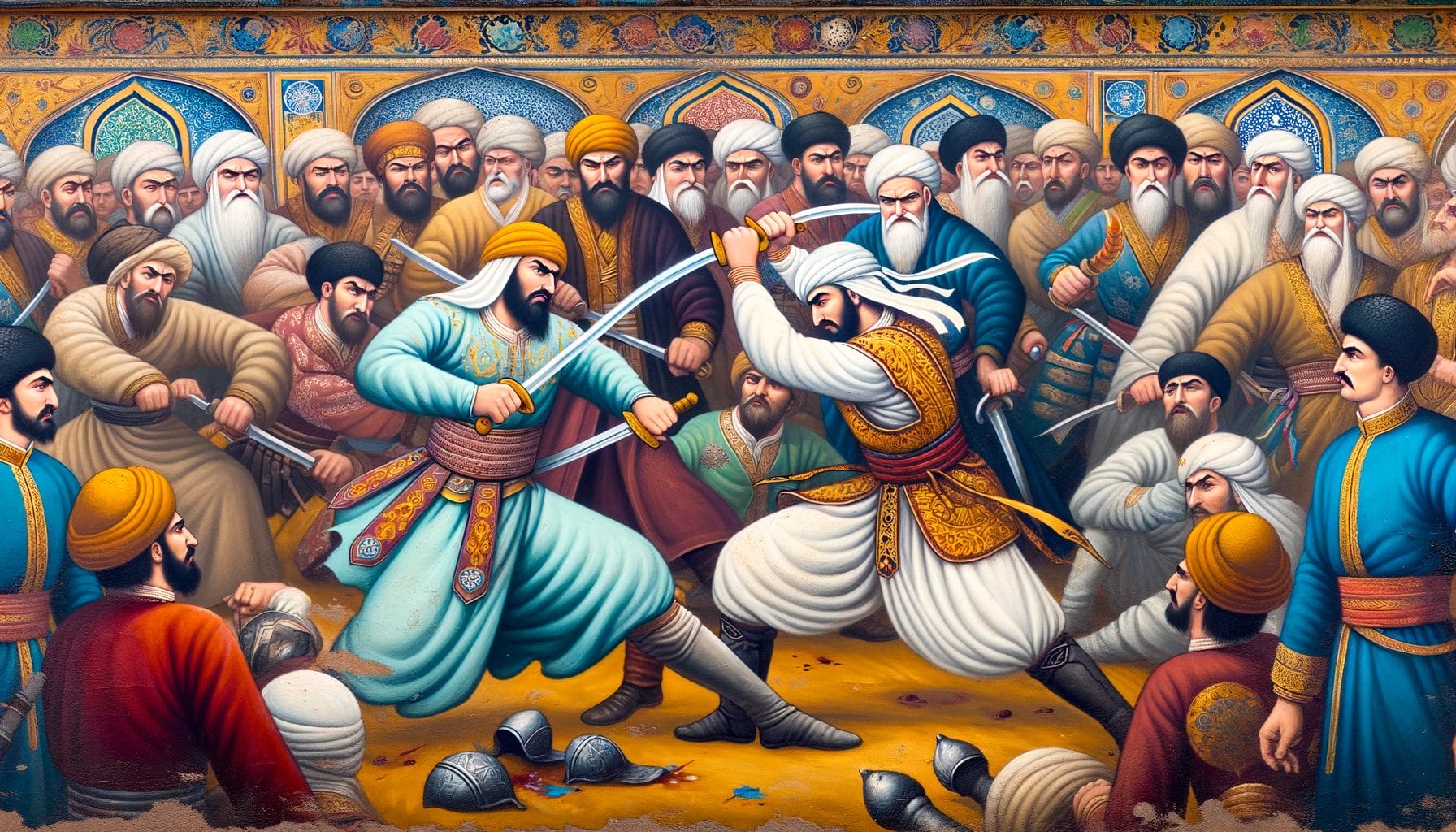
Skanderbeg in a fierce duel against a Tatar warrior at the Ottoman court.
Pro Tip: Skip Krujë on weekends and Albanian national holidays (November 28 Independence Day, November 29 Liberation Day)—the castle gets mobbed with Albanian school groups and patriotic tourists. Weekday mornings you’ll have the place nearly to yourself. Combine with the bazaar below the castle (Ottoman-style market dating to the 17th century), where artisans still produce traditional copper and silver work.
The Ten Years That Followed (1468-1479): When the Story Ends
Skanderbeg died in 1468, probably from malaria, in the fortress he’d defended for a quarter century. The League of Lezhë collapsed almost immediately. Albanian nobles resumed fighting each other instead of the Ottomans.
Venice held Shkodër until 1479, when it finally surrendered after a brutal Ottoman siege that killed thousands. With Shkodër’s fall, Ottoman control over Albania became total and permanent.
Here’s where Albanian national mythology gets awkward: the next 434 years saw no successful resistance movements, no liberation attempts, and eventually widespread conversion to Islam.
The Complicated Reality: How Albania Became Ottoman (and Muslim)
The Ottoman conquest of Albania was gradual—the Turks invaded in 1388, occupied most territory by 1430, then faced Skanderbeg’s resistance until 1479. Full incorporation into the empire took a century.
But here’s what’s fascinating: Albania didn’t get destroyed by Ottoman conquest. Many regions prospered.
The Ottomans were pragmatic imperialists. They left local customs largely intact as long as taxes got paid and rebellions didn’t break out. Albanian chiefs who converted to Islam and swore loyalty to the Sultan kept their lands and often gained administrative positions. Christian communities who paid the jizya (non-Muslim tax) could maintain their Orthodox and Catholic churches.
The result? Gradual Islamization driven more by social and economic incentives than forced conversion.
Converting to Islam meant avoiding extra taxes, accessing Ottoman administrative and military careers, and keeping family estates through Ottoman inheritance laws that favored Muslims. Albanian nobles who converted early rose to spectacular heights—by the 17th century, Albanians served as Ottoman grand viziers, provincial governors, and military commanders across the empire from Baghdad to Budapest.
My guide in Berat (€3 for full-day guide, money well spent) put it bluntly: “Everyone wants to believe their ancestors were heroic resisters. The boring truth? Most Albanian nobles calculated the odds, converted, and did very well under Ottoman rule.”
The Architecture That Communism Tried to Erase
In 1967, Albania’s communist dictator Enver Hoxha declared Albania the world’s first officially atheist state. What followed was systematic destruction of religious buildings—roughly 740 mosques demolished, plus hundreds of Orthodox churches and Catholic monasteries.
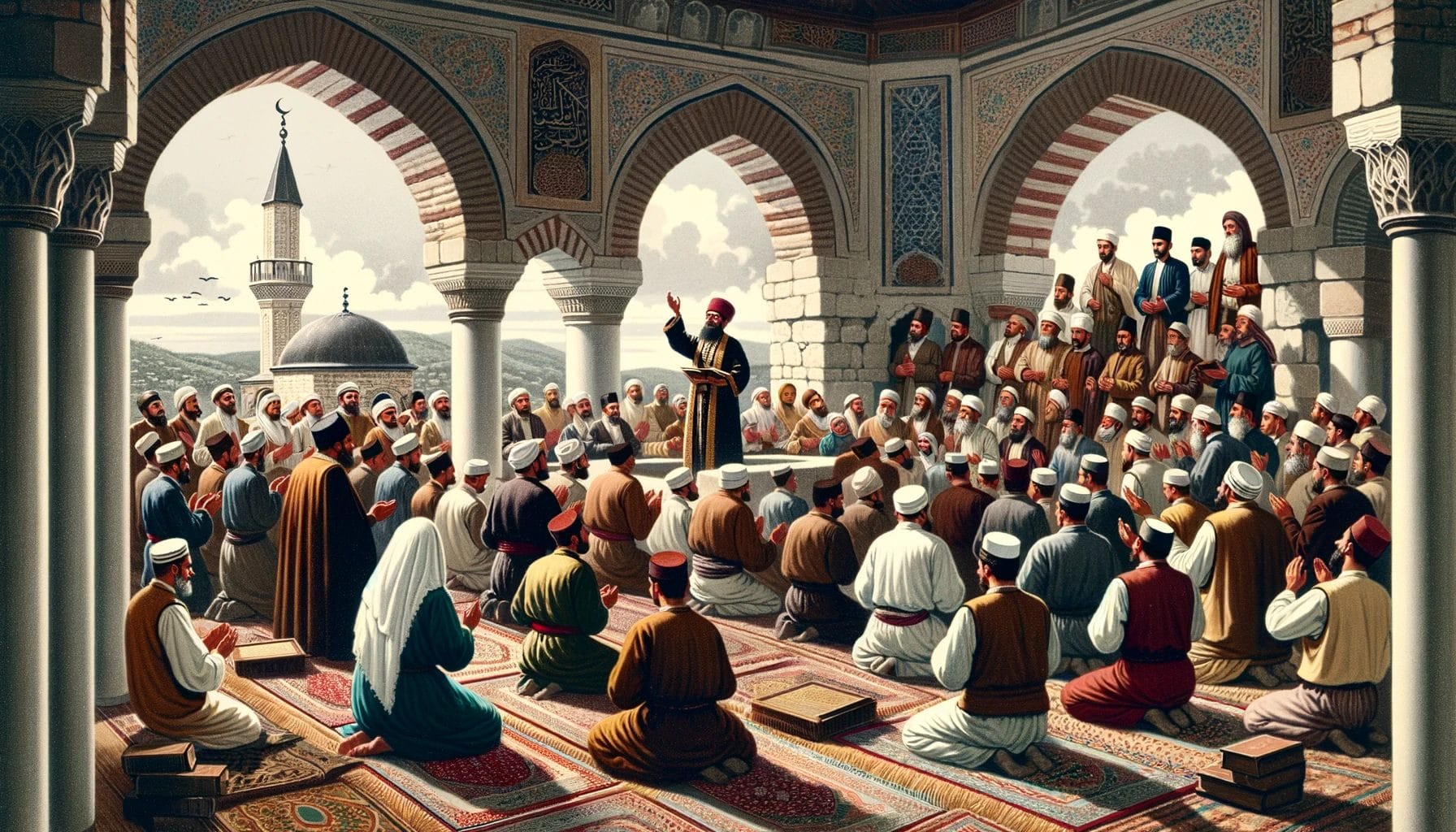
The Ottoman architectural heritage took the hardest hit because it represented both religion and “foreign occupation.” Gorgeous 16th-17th century mosques with intricate stonework, wooden ceilings, and calligraphy got dynamited or converted to warehouses.
Fast forward to 2024-2025: Albania is slowly, inadequately, trying to save what survived.
The bilateral conservation project funded by Turkey and Albania (April 2023-April 2025) focuses on Ottoman-era wall paintings and mosque preservation in Tirana, Berat, Gjirokastër, and Krujë. The Turkish Cooperation Agency (TİKA) restored ten Ottoman mosques, though that’s a drop in the bucket compared to the 740 destroyed.
I visited several during my research:
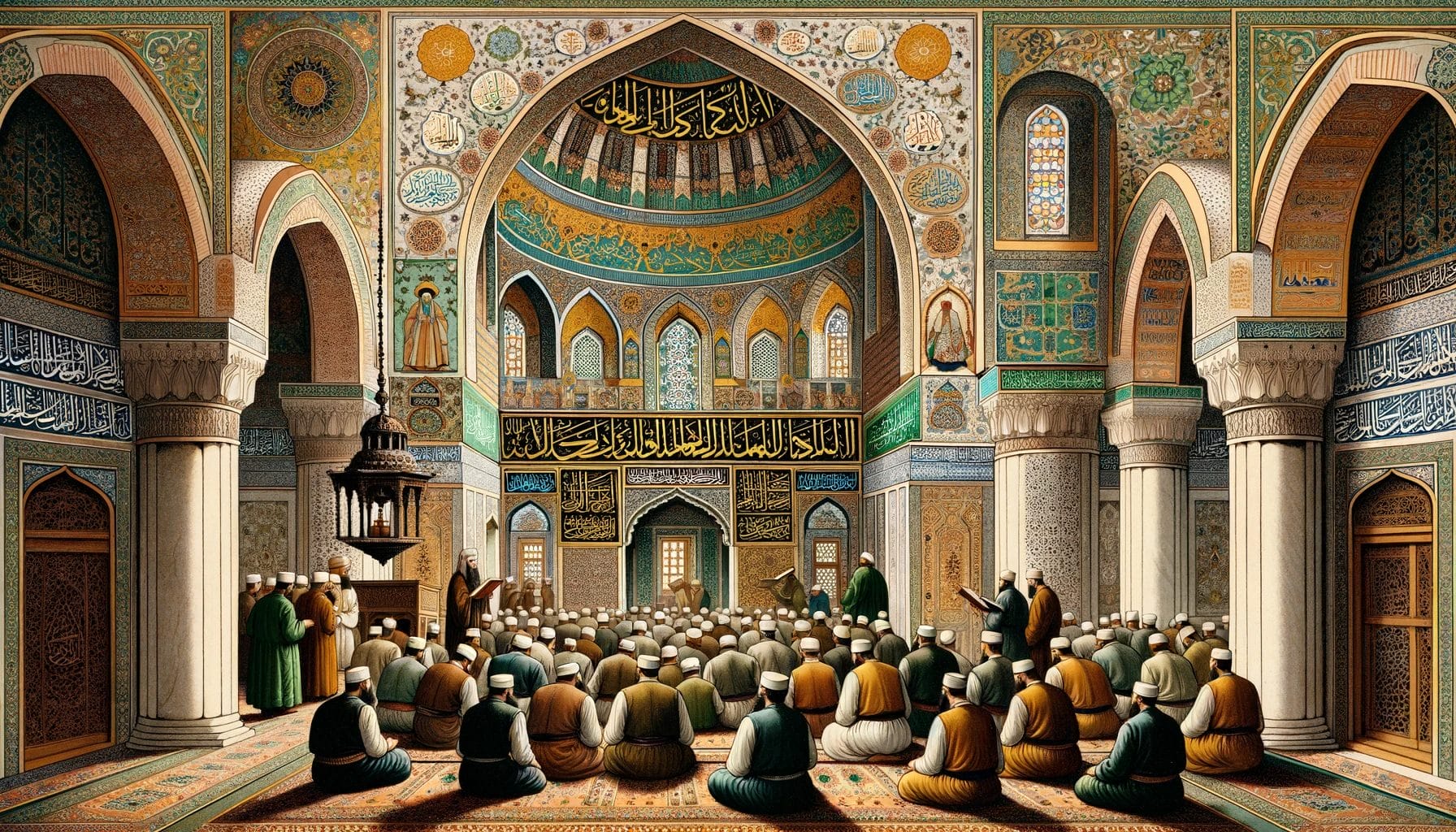
Et’hem Bey Mosque, Tirana (Free entry outside prayer times, located on Skanderbeg Square): Built 1791-1821, this survived communist demolitions by sheer luck—officials decided it had historical value. The interior features exquisite frescoes depicting trees, waterfalls, and bridges (unusual in Islamic architecture, which typically avoids representational art). During the 1991 fall of communism, 10,000 Albanians flooded here to pray publicly for the first time in 24 years—an act of defiance that helped topple the regime.
King Mosque, Elbasan (€2 suggested donation): Built in 1492 shortly after Ottoman conquest, this is one of Albania’s oldest surviving mosques. The prayer hall features Ottoman-era calligraphy and a mihrab (prayer niche) oriented toward Mecca. In 2024, it was shortlisted for the “Building of the Year 2025” award, bringing overdue attention to Albania’s Ottoman heritage.
Pasha Mosque, Gjirokastër (€2 entry): Built in 1757 with a slender minaret visible across Gjirokastër’s old town, this exemplifies mature Ottoman architectural style in Albania—stone construction, wooden ceilings, ornate mihrab.
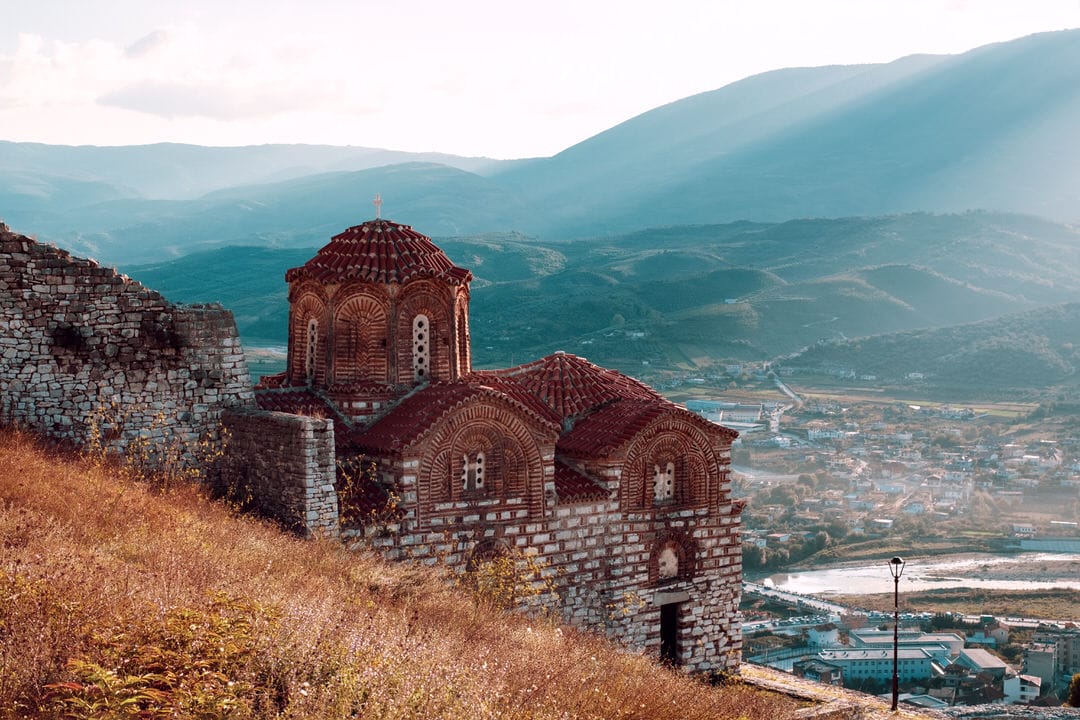
Et’hem Bey Mosque, Tirana—one of few Ottoman mosques that survived communist destruction
The irony: Albania’s newest mosque—the Grand Mosque of Tirana (Namazgah Mosque), completed 2023, opened October 2024—is the largest in the Balkans. It blends contemporary Islamic design with traditional Ottoman elements: large central dome, four minarets, expansive courtyard. Cost: €30 million, mostly funded by Turkey.
So Albania destroyed 740 Ottoman mosques in the 1960s-70s, then built the Balkans’ largest mosque in 2024. History is complicated.
The Albanian Pashas Who Ruled Ottoman Provinces
During the 17th-19th centuries, as central Ottoman authority weakened, Albanian pashas established semi-independent power bases:
The Bushati Family (Shkodër): Controlled the Pashalik of Shkodër from 1757-1831, effectively ruling northern Albania, parts of Montenegro, and Kosovo with minimal Ottoman interference. They maintained their own armies, collected taxes, and conducted foreign policy. The Rozafa Castle museum (€2 entry) documents their rule.
Ali Pasha of Tepelenë: Based in Ioannina (now Greece) but controlling southern Albania from 1788-1822, Ali Pasha became so powerful he negotiated directly with Napoleon and Britain. Lord Byron visited him and wrote admiringly about this Albanian warlord who’d carved out a nearly-independent state within the Ottoman Empire.
These weren’t rebels—they were Albanian Muslims who climbed Ottoman ranks, then used their positions to establish regional power bases. They paid nominal tribute to Constantinople while functioning as independent rulers.
This pattern infuriated 20th-century Albanian nationalists trying to construct a narrative of continuous resistance. How do you celebrate Ali Pasha when he fought for the Ottoman system, not against it?
The Tanzimat Reforms That Backfired
In the mid-19th century, Sultan Mahmud II attempted to modernize the Ottoman Empire through Tanzimat reforms: abolishing the Janissary corps (including Albanian units), reorganizing land ownership, centralizing administration, and imposing universal conscription.
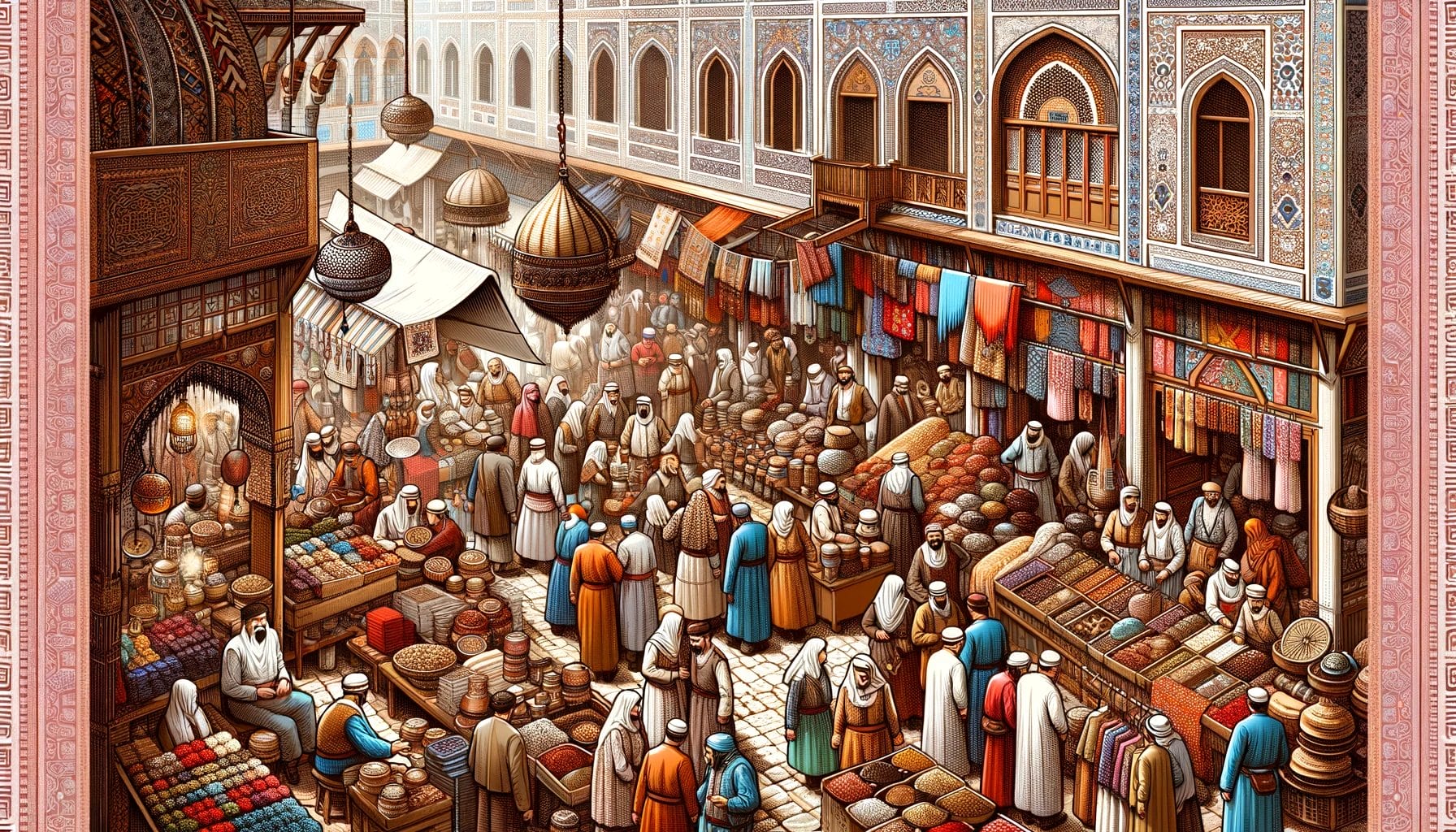
Albanian nobles—both Muslim and Christian—hated these reforms because they undermined local autonomy. The result: widespread revolts in the 1830s-1840s, not against Ottoman rule, but against Ottoman modernization.
I found this documented in the Berat Ethnographic Museum (€2 entry): 19th-century Albanian petitions to the Sultan demanding preservation of traditional privileges, letters from Albanian pashas refusing Tanzimat implementation, weapons from revolts against Ottoman centralization.
The reforms inadvertently fueled Albanian nationalism. When the Ottomans tried to dismantle feudal power structures, Albanian nobles started thinking about independence—not to resist foreign occupation, but to preserve their local privileges.
The Bazaars and Bridges That Survived
Beyond mosques, Ottoman Albania produced impressive secular architecture that Albanian nationalism couldn’t easily demolish:
Krujë Bazaar: Ottoman-era market (17th century) beneath Skanderbeg’s castle, still functioning today with artisans producing traditional crafts. Ironic that Skanderbeg’s fortress looks down on an Ottoman bazaar that’s been there for 400 years.
Gorica Bridge, Berat: Ottoman stone bridge from 1780 spanning the Osum River, connecting Berat’s old quarters. Still carries pedestrian and vehicle traffic after 244 years.
Gjirokastra Old Town: Entire UNESCO World Heritage Site preserves Ottoman-era stone houses (17th-19th centuries) with distinctive slate roofs. The architecture survives because communists designated it a “museum city” rather than demolishing it as “Ottoman occupation heritage.”
Mes Bridge, near Shkodër: Ottoman stone bridge from 18th century, photogenic as hell (free to visit, bring camera). When I visited in early October, shepherds were crossing it with sheep—a scene probably unchanged since 1750.
I spent an afternoon photographing Berat’s Ottoman houses cascading down the hillside—white-painted stone with large windows earning the city its nickname “City of a Thousand Windows.” These weren’t built by conquerors—they were built by Albanian families who’d lived under Ottoman rule for generations and adopted Ottoman architectural styles because they worked in this climate and terrain.
Berat’s Ottoman-era houses—Albanian families still live in homes built 200-300 years ago
What Ottoman Rule Actually Meant: The Uncomfortable Details
Albanian nationalism prefers the Skanderbeg story: heroic resistance against foreign occupation. The reality of 434 years under the Ottomans was far messier:
Mass Conversion: By 1912, roughly 70% of Albania was Muslim—not from forced conversion, but from gradual social and economic pressures over centuries. Christian Albanian communities (Orthodox in the south, Catholic in the north) maintained their faith but became minorities.
Language Survival: Despite Ottoman rule, Albanian language survived—unusual in the Balkans where Ottoman influence often displaced local languages. This happened because the Ottomans didn’t impose Turkish on subject populations as long as they paid taxes. Albanian absorbed Turkish loanwords (thousands still used today) but maintained its structure.
Social Hierarchy: The Ottoman millet system organized society by religion, not ethnicity. Albanian Muslims had more in common with Turkish Muslims than with Albanian Christians. This religious divide still shapes Albanian politics and regional tensions.
Economic Integration: Albania exported food, timber, and textiles to Ottoman markets while importing manufactured goods. Cities like Shkodër, Berat, and Elbasan grew prosperous as Ottoman trade centers. This integration made independence economically complicated when it finally came in 1912.
The Code of Lekë Dukagjini: Northern Albania’s mountain tribes largely avoided Ottoman administration by maintaining traditional clan law (kanun). The Ottomans let them self-govern as long as they didn’t rebel—a pragmatic solution that preserved pre-Ottoman Albanian social structures in isolated regions.
The 1912 End: Not a Liberation, But a Fragmentation
Albanian independence in 1912 didn’t come from military victory over the Ottomans—it came from the Ottoman Empire’s collapse during the Balkan Wars. Serbia, Greece, and Montenegro invaded, carving up Ottoman Albania.
Albanian leaders declared independence not to free themselves from Ottomans, but to prevent partition among neighboring Christian powers. Ironically, many of those Albanian leaders were Muslim elites whose families had prospered under Ottoman rule for generations.
The transition was messy. Albania lost half its ethnic territory to neighbors. The new state had no functioning government, no economy, no infrastructure. Muslim Albanians who’d identified as Ottoman subjects now had to become Albanian nationalists overnight.
Standing in Vlorë at the Independence Museum (€3 entry, housed in the building where independence was declared), I read the original 1912 proclamation. It’s cautious, almost apologetic—asking European powers to recognize Albanian independence, promising to be peaceful neighbors, avoiding any triumphalist language about defeating the Ottomans.
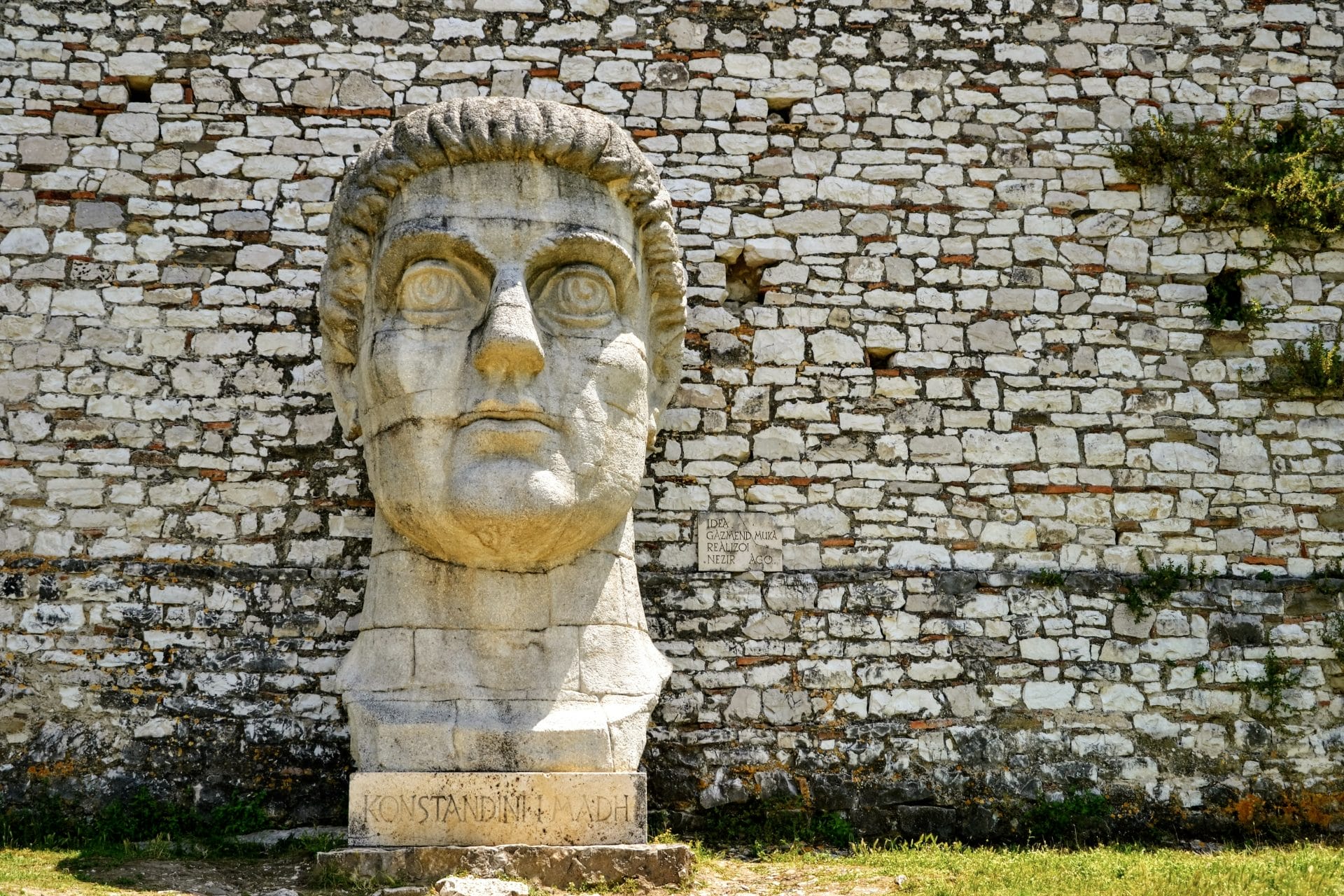
Because Albania hadn’t defeated the Ottomans. The empire had collapsed, and Albanians scrambled to create a nation-state before bigger neighbors swallowed them.
What Visiting Ottoman Albania Teaches You
After months tracing Ottoman heritage—from Skanderbeg’s castle to mosques communists tried to erase, from bazaars still selling the same goods they did in 1700 to bridges shepherds cross with sheep—here’s what struck me:
Albania’s Ottoman period was never the simple occupation-and-resistance narrative that nationalism requires. It was 434 years of complex negotiation, gradual cultural exchange, economic integration, religious transformation, and eventual independence driven more by geopolitics than heroism.
The architecture that survived communist destruction (barely) is gorgeous and desperately underfunded. The mosques being restored in 2024-2025 represent a tiny fraction of what was demolished. And the Albanian relationship with this heritage remains conflicted—pride in resisting the Ottomans, discomfort with how thoroughly Ottoman culture shaped modern Albania.
FAQ: Ottoman Albania Essentials
How long did the Ottomans rule Albania? 1385 (first invasion) to 1912 (independence)—527 years of Ottoman presence, with full control from 1479 (Shkodër’s fall) to 1912 (434 years of uninterrupted rule).
Was Skanderbeg really that important? Yes—his 25-year resistance (1443-1468) prevented earlier Ottoman conquest and became the foundation myth of Albanian nationalism. But his legacy overshadows the 434 years that followed.
Why did so many Albanians convert to Islam? Economic and social incentives: avoiding extra taxes, accessing Ottoman careers, keeping family estates. Conversion happened gradually over centuries, not through forced mass conversion.
What Ottoman sites can I actually visit? Et’hem Bey Mosque (Tirana), King Mosque (Elbasan), Pasha Mosque (Gjirokastër), Krujë Bazaar, Ottoman bridges in Berat and near Shkodër, Ottoman houses throughout Gjirokastër and Berat.
Why did communists destroy 740 mosques? Enver Hoxha’s 1967 atheism campaign targeted all religion, but Ottoman mosques represented both religion and “foreign occupation”—a double offense to Albanian nationalism.
How much should I budget for visiting Ottoman sites? One week: €500-700 including accommodation (€35-50/night), rental car (€30/day), site entries (€2-5 each), food (€15-25/day). Many Ottoman bridges and markets are free to visit.
When’s the best time to visit? Spring (April-June) and fall (September-October) for moderate weather. Summer brings extreme heat. Winter means many mountain sites become inaccessible.