The Independence Nobody Was Ready For
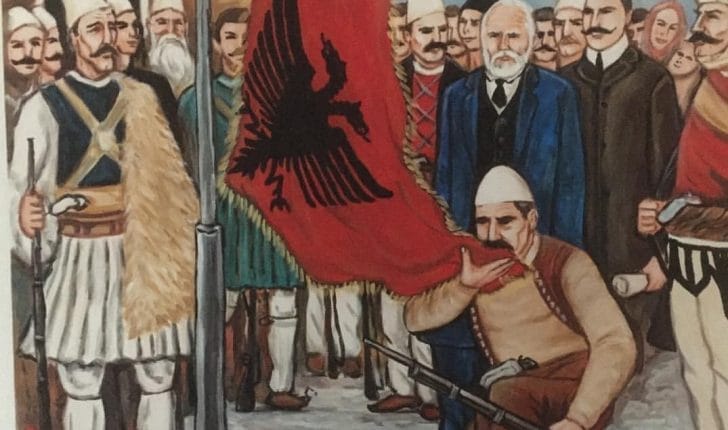
November 28, 1912: Ismail Qemali stood in Vlorë and raised the red flag with the black double-headed eagle, declaring Albania independent from the Ottoman Empire.
Here’s what the patriotic narrative skips: Albania didn’t fight its way to independence. The Ottoman Empire collapsed during the Balkan Wars, and Albanian elites scrambled to declare statehood before Serbia, Greece, and Montenegro carved up the entire territory among themselves.
The declaration in Vlorë was less triumphant liberation and more desperate damage control. And it barely worked.
I attended the 112th independence anniversary celebrations in Vlorë in November 2024—Prime Minister Edi Rama, Kosovo’s Prime Minister Albin Kurti, President Bajram Begaj all there for the ceremonial flag-raising. Over 10,000 people lined Tirana’s “Martyrs of the Nation” boulevard for the parade. The pageantry was impressive.
What struck me was how little most Albanians know about what actually followed that 1912 declaration: 32 years of chaos, foreign occupation, failed monarchies, and near-constant warfare before communists finally imposed order in 1944.
What Independence Actually Looked Like (Spoiler: Terrible)
The November 1912 declaration established a provisional government controlling maybe 40% of ethnic Albanian territory. The rest was occupied by invading Balkan armies during the First and Second Balkan Wars.
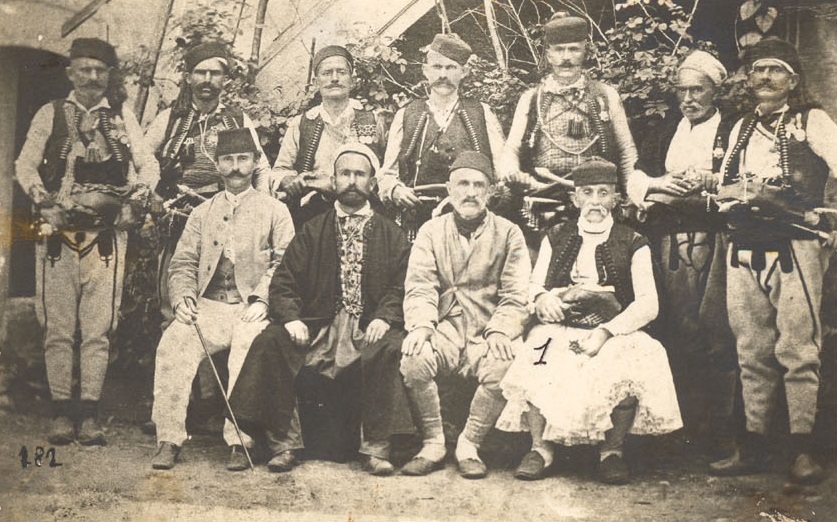
League of Prizren, 1878. Pietro Marubi, Public domain, via Wikimedia Commons
Serbia took Kosovo and parts of northern Albania. Greece occupied southern Albania (Northern Epirus). Montenegro grabbed territory around Lake Shkodër. The Great Powers—Britain, France, Austria-Hungary, Russia, Italy, Germany—decided Albania’s fate at conferences where no Albanians were present.
The Treaty of London (May 1913) granted Albania nominal independence but shrank its borders drastically. Roughly half of ethnic Albanian territory went to Serbia, Greece, and Montenegro. The new Albanian state had no functioning government, no army, no budget, no infrastructure.
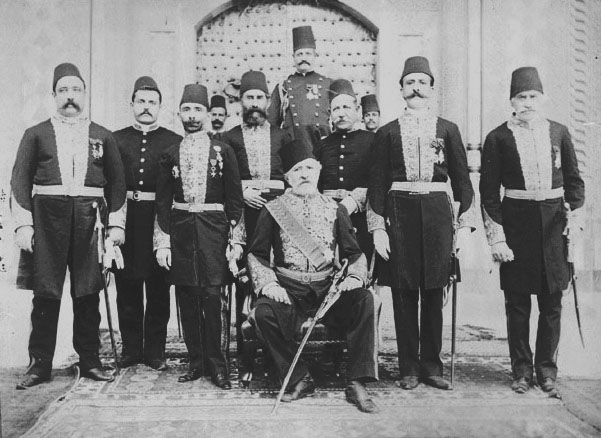
Pashko Vasa (Vaso Pasha), Albanian statesman and writer. http://oldbeirut.com/page/4, Public domain, via Wikimedia Commons
Standing at the Independence Museum in Vlorë (€3 entry, housed in the building where the 1912 declaration was signed), I read the original proclamation. It’s remarkably cautious—politely asking European powers to recognize Albanian independence, promising to be peaceful neighbors, avoiding any triumphalist language.
Because there was nothing to triumph about. Albania had avoided total partition, but barely.
Pro Tip: Visit Vlorë on November 28 (Independence Day) if you want the full patriotic experience—flag-waving crowds, military parades, speeches, fireworks. Visit any other day if you actually want to see the museum without fighting through thousands of people taking selfies.
The German Prince Nobody Wanted (1914)
The Great Powers, in their infinite wisdom, decided Albania needed a monarch. Democracy? Too risky for a poor Balkan backwater. Republic? Same problem. Constitutional monarchy with a European prince who knew nothing about Albania? Perfect.
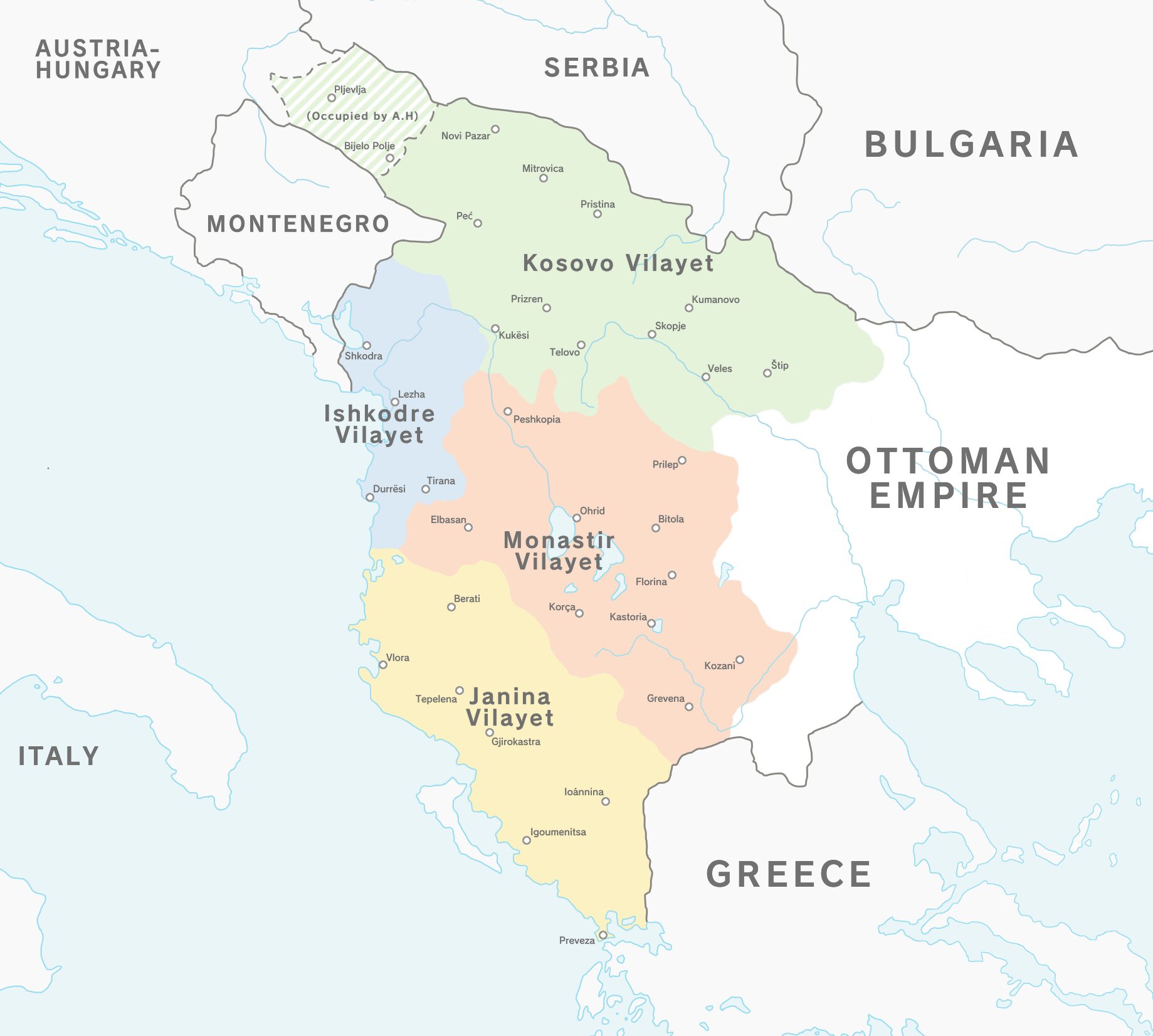
The 4 Ottoman vilayets (Kosovo, Scutari, Monastir and Ioannina), proposed to form the Albanian Vilayet.
Enter Wilhelm of Wied, a 35-year-old German prince who spoke no Albanian, had never visited Albania, and whose primary qualification was being Protestant (acceptable to all sides, offensive to none—or so the Powers thought).
Wilhelm arrived in March 1914 as “Prince of Albania” and lasted exactly six months.
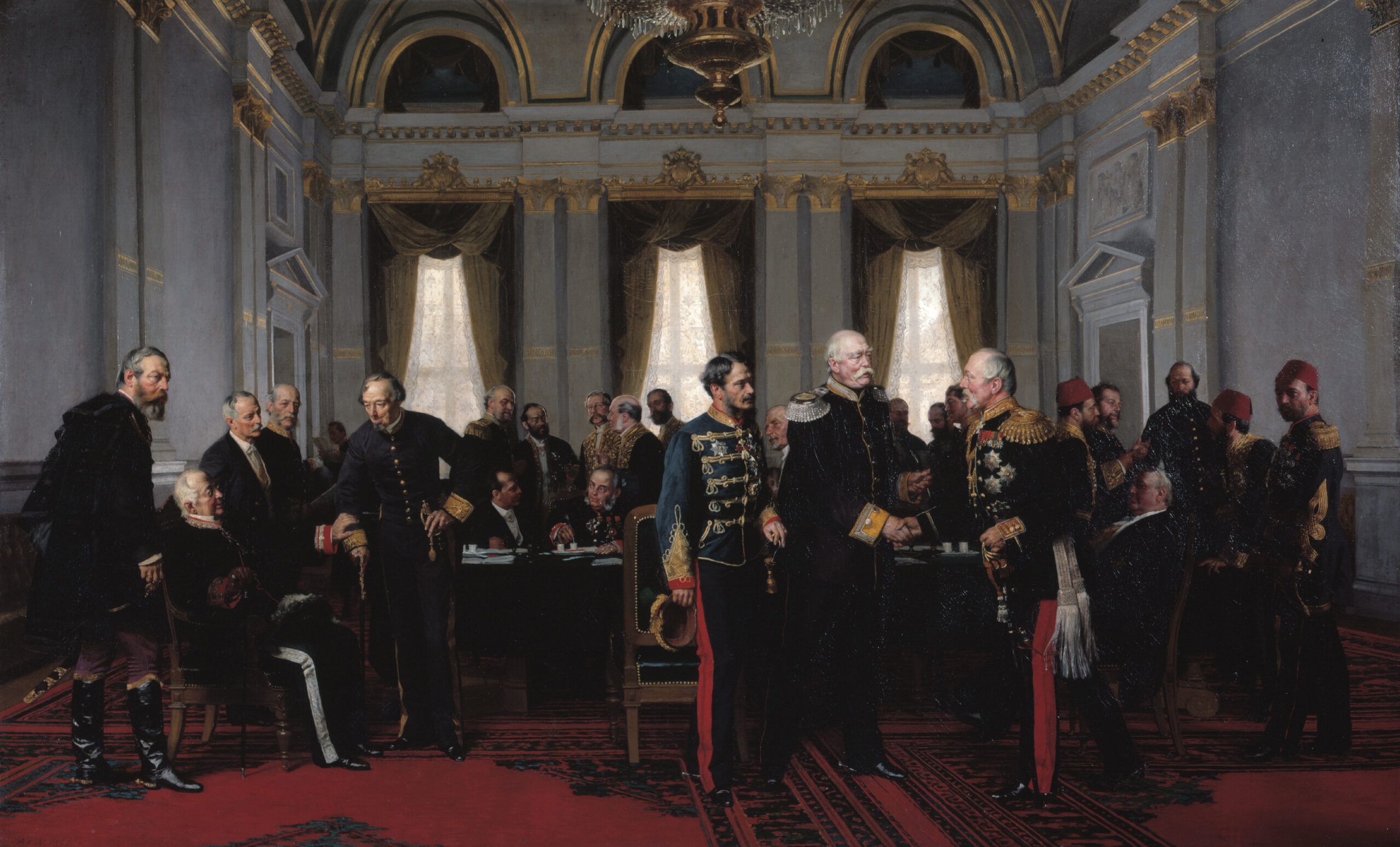
Anton von Werner‘s painting, Congress of Berlin (1881), depicting the final meeting at the Reich Chancellery on 13 July 1878. Bismarck (representing Germany) is shown in the centre, between Gyula Andrássy (Austria-Hungary) and Pyotr Shuvalov (Russia). On the left are Alajos Károlyi (Austria-Hungary), Alexander Gorchakov (Russia) (seated) and Benjamin Disraeli (Great Britain). On the far right is the Ottoman delegation; showing from left to right, Sadullah Pasha, Karatheodori Pasha, and Mehmed Ali Pasha. Anton von Werner, Public domain, via Wikimedia Commons
His government controlled maybe 50 kilometers around the capital, Durrës. The rest of the country was ruled by local warlords, rebel bands, and foreign-backed insurgents. Muslim Albanian nobles resented being ruled by a Christian foreigner. Christian Albanians resented being ruled by a German. Everyone resented that he brought a Dutch bureaucracy that spoke no Albanian and imposed taxes nobody wanted to pay.
The final blow: World War I started in July 1914. Wilhelm’s German nationality became a massive liability. In September 1914, he fled Albania and never returned.
I found his brief reign documented at the National History Museum in Tirana (€5 entry, allow 2-3 hours). There’s a photograph of Wilhelm in Albanian traditional dress, looking profoundly uncomfortable, surrounded by Albanian chiefs who clearly have zero interest in this German prince telling them what to do.
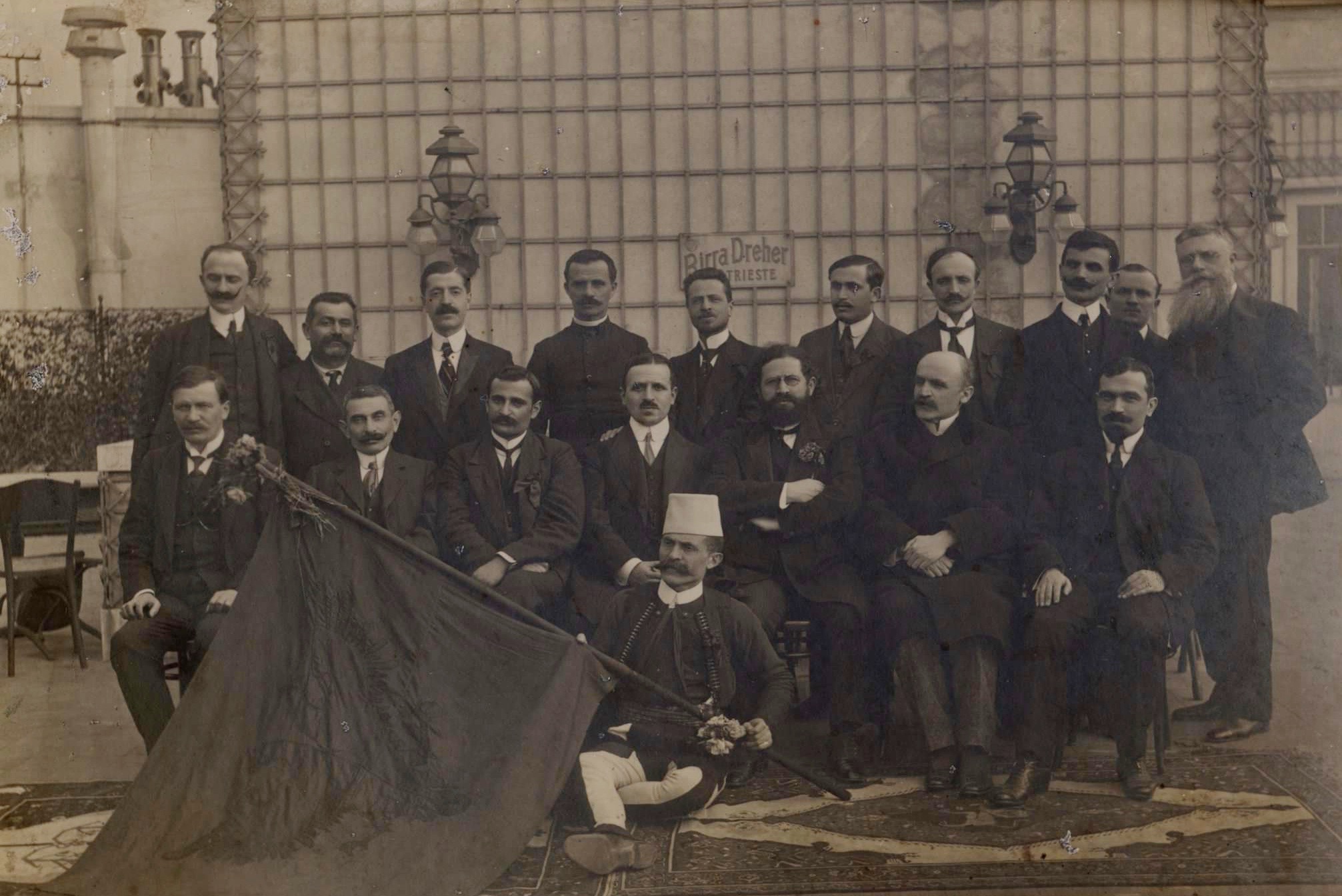
Main delegates of the Congress of Trieste (1913). Albanian representatives from the diaspora and the new state met in Trieste to recognize Ismail Qemali’s provisional government and press European powers to acknowledge Albania’s independence and lift regional blockades. Atelier A.Gerkic, Public domain, via Wikimedia Commons
The caption, in beautifully understated museum language, notes that Wilhelm’s reign “did not successfully establish centralized authority.”
World War I: When Everyone Occupied Albania Simultaneously
From 1914 to 1920, Albania essentially ceased to exist as an independent state. Every power with armies nearby occupied chunks of Albanian territory:
Skopje after being captured by Albanian revolutionaries in August, 1912 who defeated the Ottoman forces holding the city. AnonymousUnknown author, Public domain, via Wikimedia Commons
Italy: Occupied Vlorë in December 1914, expanded to southern Albania by 1916. They wanted control of the Adriatic and didn’t trust Austria-Hungary.
Austria-Hungary: Occupied northern and central Albania, viewing it as a buffer zone against Serbia and Italy.
France: Occupied Korçë and surrounding regions in 1916, establishing a brief “Republic of Korçë” that lasted until 1920.
Serbia/Montenegro: Occupied parts of northern Albania until being driven out by Austrian forces.
Greece: Occupied southern Albania (which they called “Northern Epirus”), claiming ethnic Greek populations justified annexation.
By 1918, seven different armies occupied Albanian territory simultaneously. The population suffered mass starvation, disease, and displacement. An estimated 200,000+ Albanians (roughly 1/3 of the population) died from war-related causes despite Albania being neutral.
I hiked to the Italian WWI monument outside Vlorë (free, bring sturdy shoes, about 2 hours round-trip). The memorial commemorates Italian soldiers who died occupying Albanian territory they had no legitimate claim to. There’s something darkly ironic about building a monument to your soldiers who died occupying someone else’s country.
The view from the top is spectacular—you can see why Italy wanted Vlorë. Control this port and you control Adriatic shipping lanes.
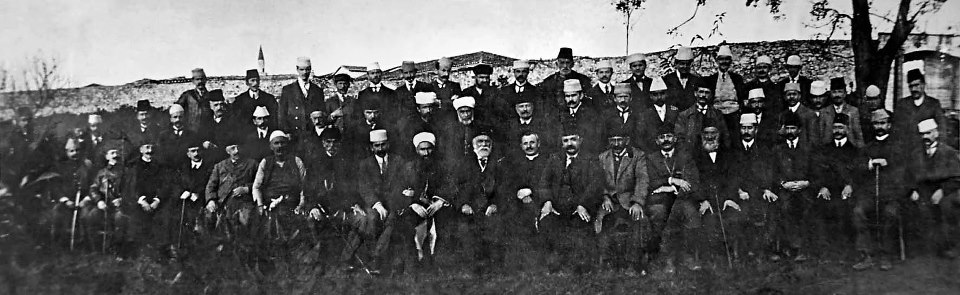
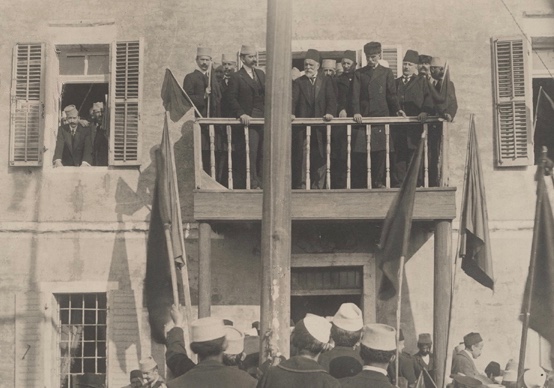
Members of the Assembly of Vlorë photographed in November 1912. Source
The Post-War Scramble: How Albania Almost Disappeared Again
The 1919 Paris Peace Conference nearly erased Albania from the map. Italy, Greece, Serbia (now part of the new Yugoslavia), and France all had plans to partition Albanian territory.
Albanian delegates—including American-educated Bishop Fan Noli and landowner Mehmet Bey Konica—lobbied desperately to save the state. Albanian diaspora communities in the United States organized protests. Woodrow Wilson’s “self-determination” rhetoric provided rhetorical cover.
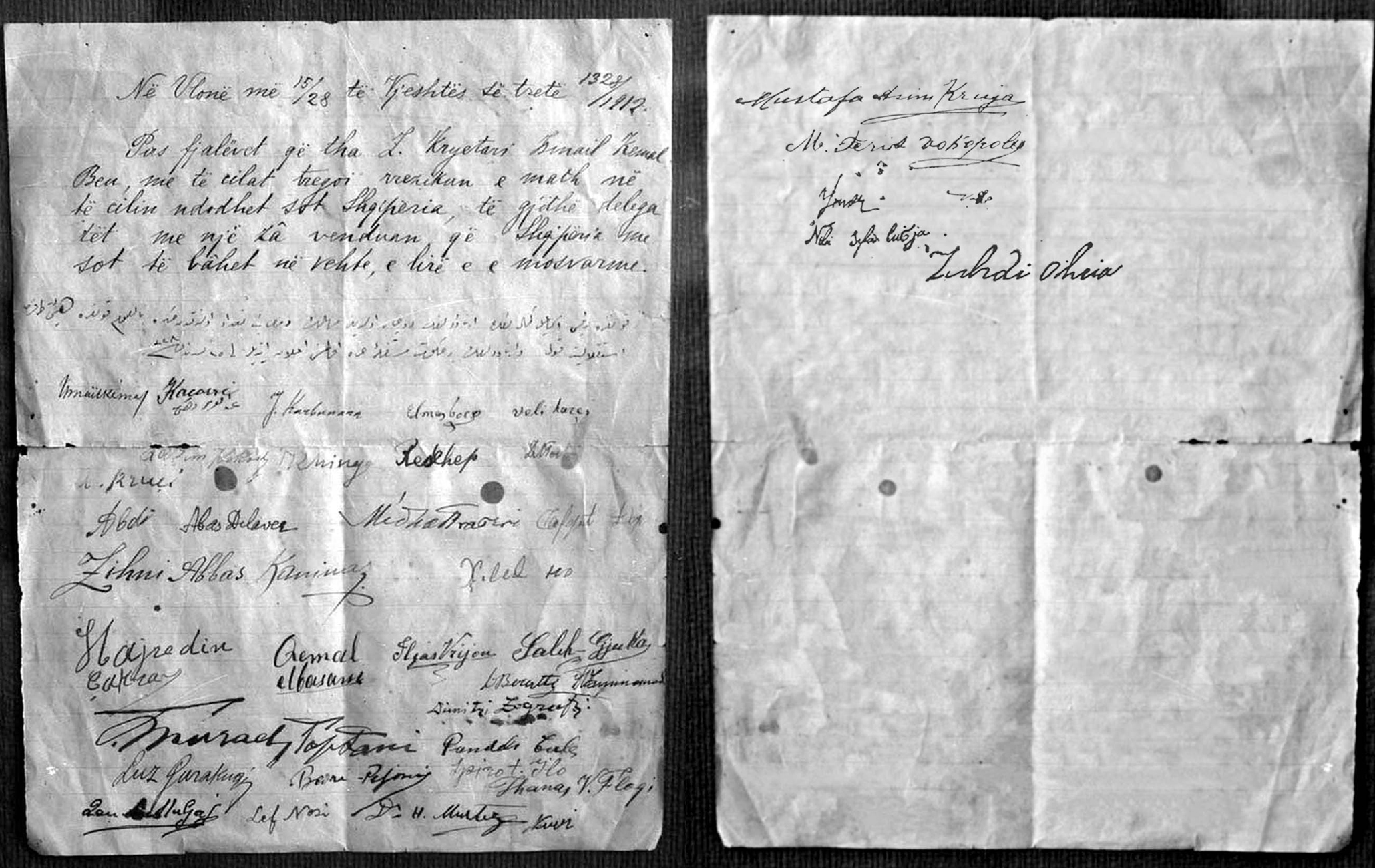
Photomontage of the original Act of the Albanian Declaration of Independence. The original document shown here was later in the posession of Lef Nosi, one of the signatories. It is believed to have dissapeared. Kel Marubi, Public domain, via Wikimedia Commons
Ultimately, Albania survived because the Great Powers couldn’t agree on how to divide it. Italian claims conflicted with Greek claims conflicted with Yugoslav claims. In August 1920, rather than risk war with each other, they reluctantly recognized Albanian independence and withdrew most (but not all) occupation forces.
The National History Museum has correspondence from this period—desperate telegrams from Albanian leaders to Wilson, French Premier Clemenceau, British Prime Minister Lloyd George, begging for recognition. Reading them, you understand how close Albania came to extinction just eight years after declaring independence.
The Warlord Period (1920-1925): Democracy’s Failure
With foreign armies (mostly) gone, Albania attempted democracy. The result was spectacular failure.
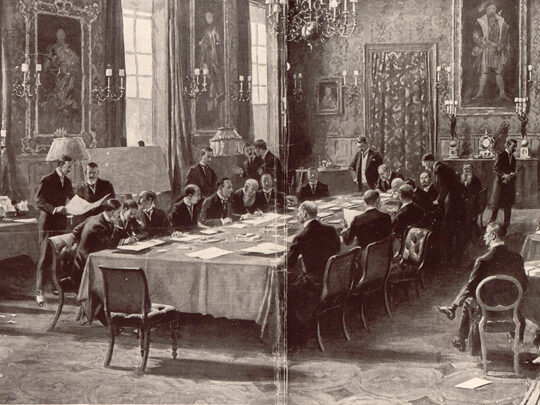
Signing of the Peace Treaty on 30 May 1913. Self-scanned, Public domain, via Wikimedia Commons
Between 1920-1925, Albania had multiple governments, coups, rebellions, and civil wars. The main players:
Ahmet Zogu: A northern Albanian clan leader and former Ottoman officer who built a power base through ruthless political maneuvering and loyalty to landowners.
Fan Noli: American-educated Orthodox bishop, democrat, and idealist who wanted land reform, women’s rights, and modern governance.
In June 1924, Noli’s democratic forces drove Zogu into exile. Noli became prime minister, promising radical reforms. His government lasted six months.
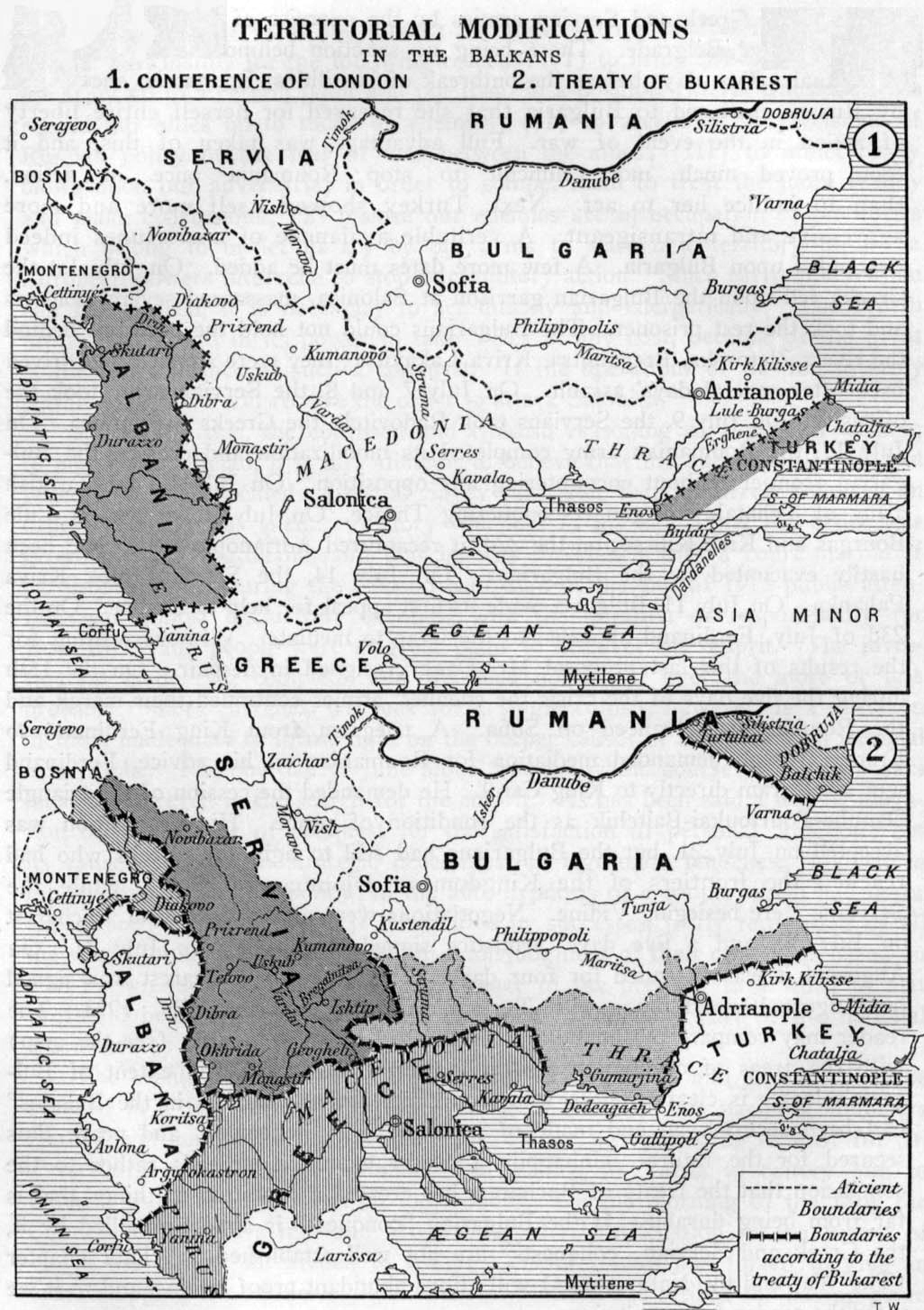
Balkan Wars territorial changes (1912–1913). Map showing boundary revisions imposed by the Conference of London and the Treaty of Bucharest, which sharply reduced Albanian-inhabited territories despite independence.
Zogu returned in December 1924 with Yugoslav military backing, overthrew Noli’s government, and established authoritarian control. Noli fled to the United States, where he spent the rest of his life teaching and writing. Zogu would rule Albania for the next 15 years.
The lesson Albania learned: democracy was a luxury the country couldn’t afford. Strong-man rule was coming.
King Zog: The Cigarette Smuggler Who Became Royalty (1928-1939)
In 1928, Ahmet Zogu pulled off one of the more absurd political transformations in European history: he abolished the republic and declared himself King Zog I of the Albanians.
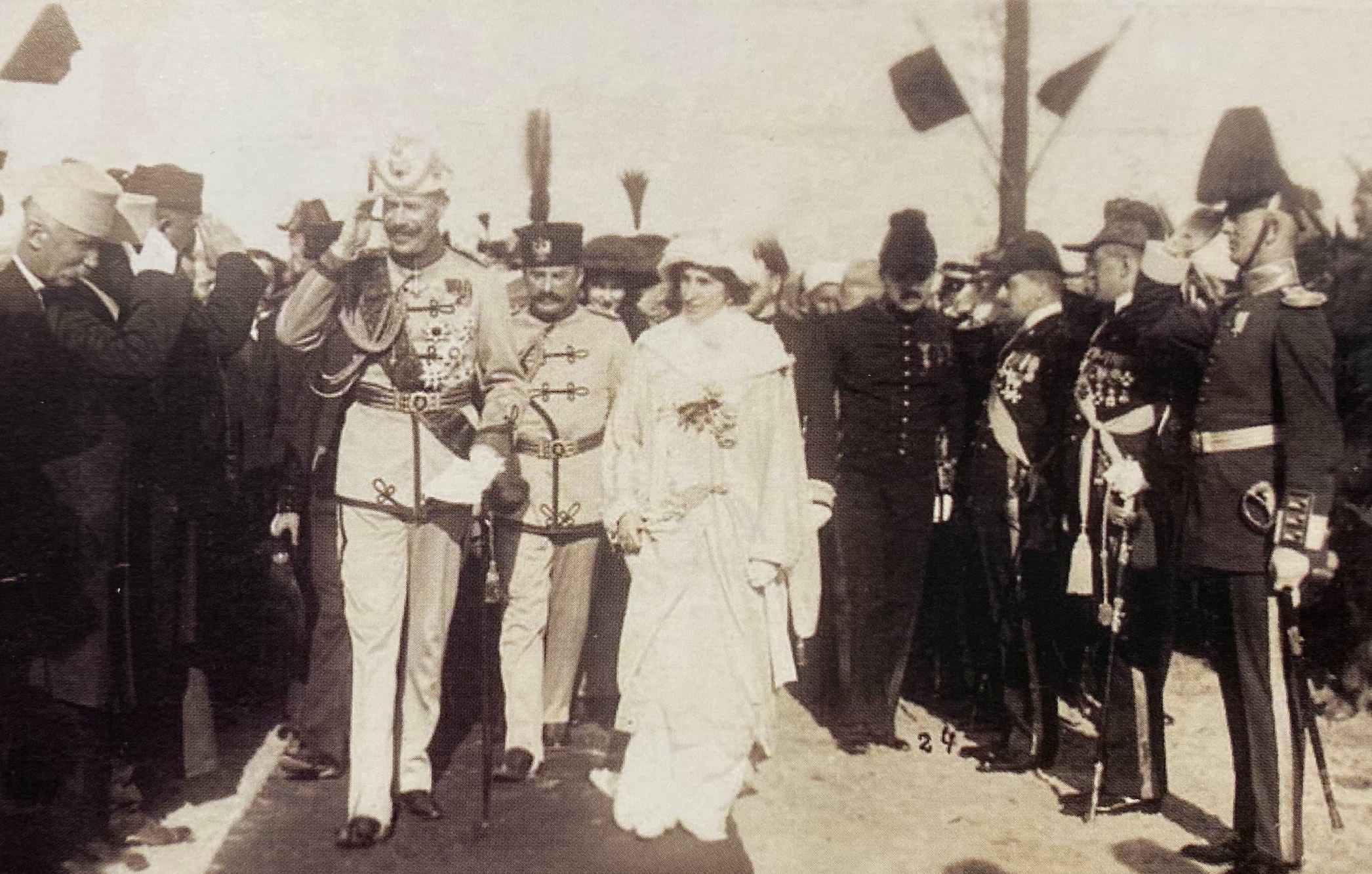
Prince Wilhelm of Wied and his wife, Princess Sophie of Schönburg-Waldenburg arriving in Durrës on 7 March 1914. Source
Nobody made him do this. There was no royalist tradition in Albania (the Wilhelm experiment barely counted). Zogu just decided that “president” wasn’t impressive enough.
The coronation was lavish: new crown, new throne, new palace, elaborate ceremonies—all funded by Italian loans that gave Mussolini increasing control over Albanian finances and foreign policy.
I visited the former royal palace in Tirana (not open to public—it’s now a government building, but visible from the street). It’s surprisingly modest for a royal residence. Zog built it in 1930s Italian rationalist style, reflecting his dependence on Mussolini’s regime.
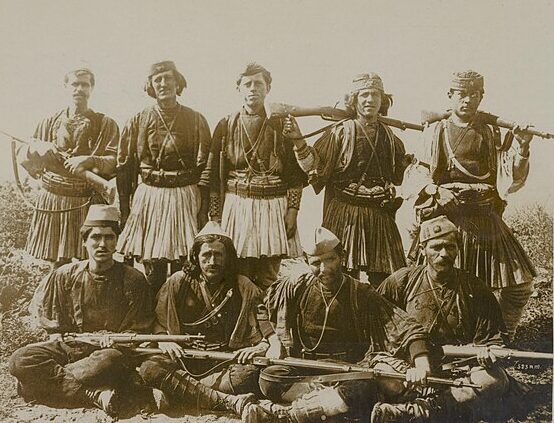
Albanian irregular fighters during World War I (1914–1918). Armed volunteers fighting for Albania’s independence, operating as irregular troops under Italian command. Nationaal Archief, CC0, via Wikimedia Commons
Zog’s rule was complicated. He brought some stability: established a functioning bureaucracy, built roads, created a national education system, expanded women’s rights (Albania was one of the first Muslim-majority regions where women could vote and attend university).
He was also an authoritarian who suppressed opposition, censored press, and allowed Mussolini to turn Albania into an Italian protectorate in all but name.
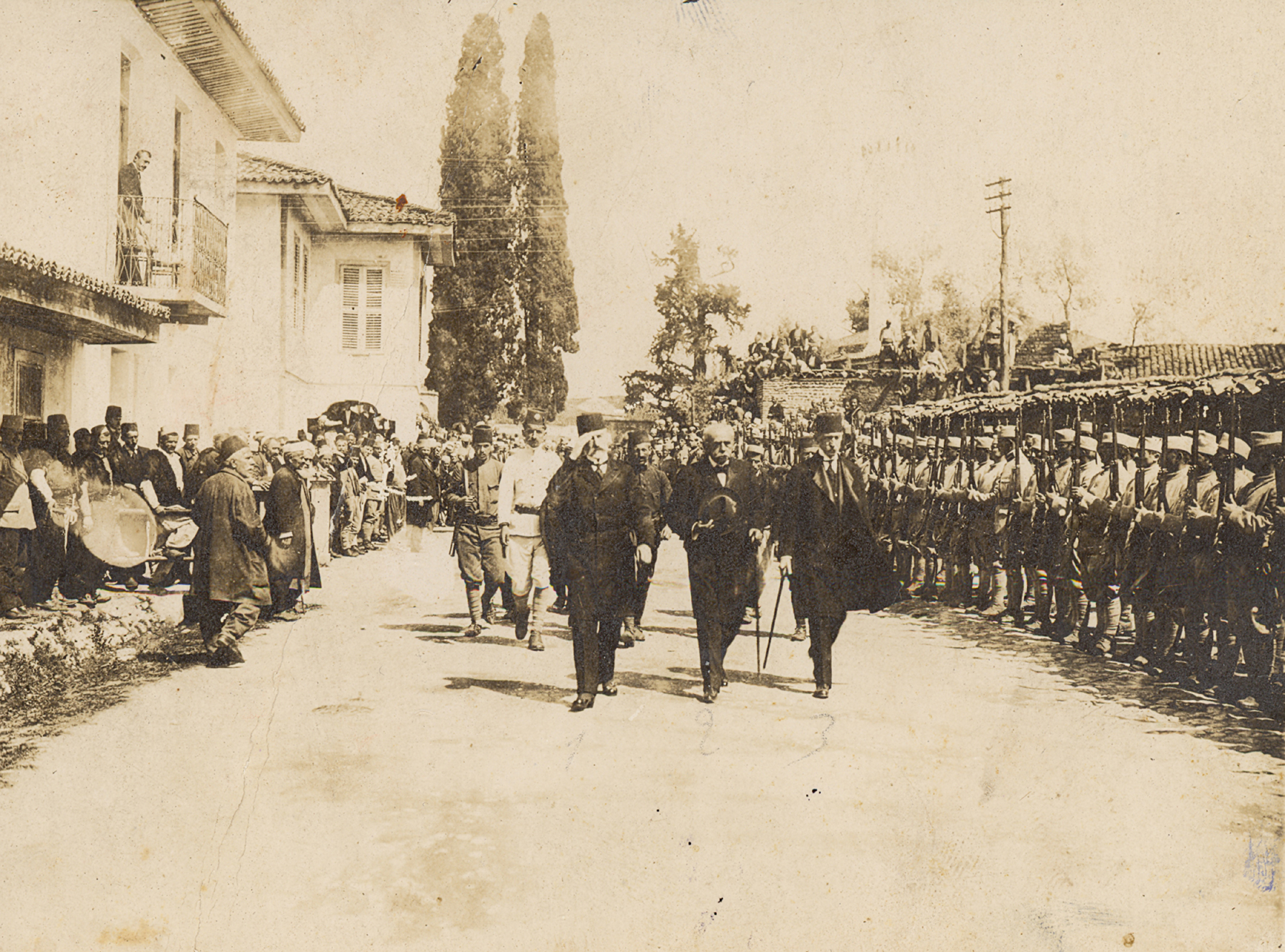
Members of the High Council entering the Regency Building: Aqif Pasha Elbasani, Mihal Turtulli, Abdi Toptani. Drejtoria e Përgjithshme e Arkivave, Public domain, via Wikimedia Commons
A 2024 scholarly article notes that before Italian invasion, Albania under Zog became a safe transit point for Jewish refugees fleeing Nazi Germany—an underappreciated historical footnote showing Albania’s surprising openness despite Zog’s authoritarian rule.
But Zog’s biggest failure: he completely failed to build an Albanian military capable of defending the country.
April 7, 1939: The Invasion Zog Saw Coming
Mussolini’s Italy invaded Albania on April 7, 1939, with overwhelming force. The tiny Albanian army—poorly equipped and outnumbered 10-to-1—collapsed within days.
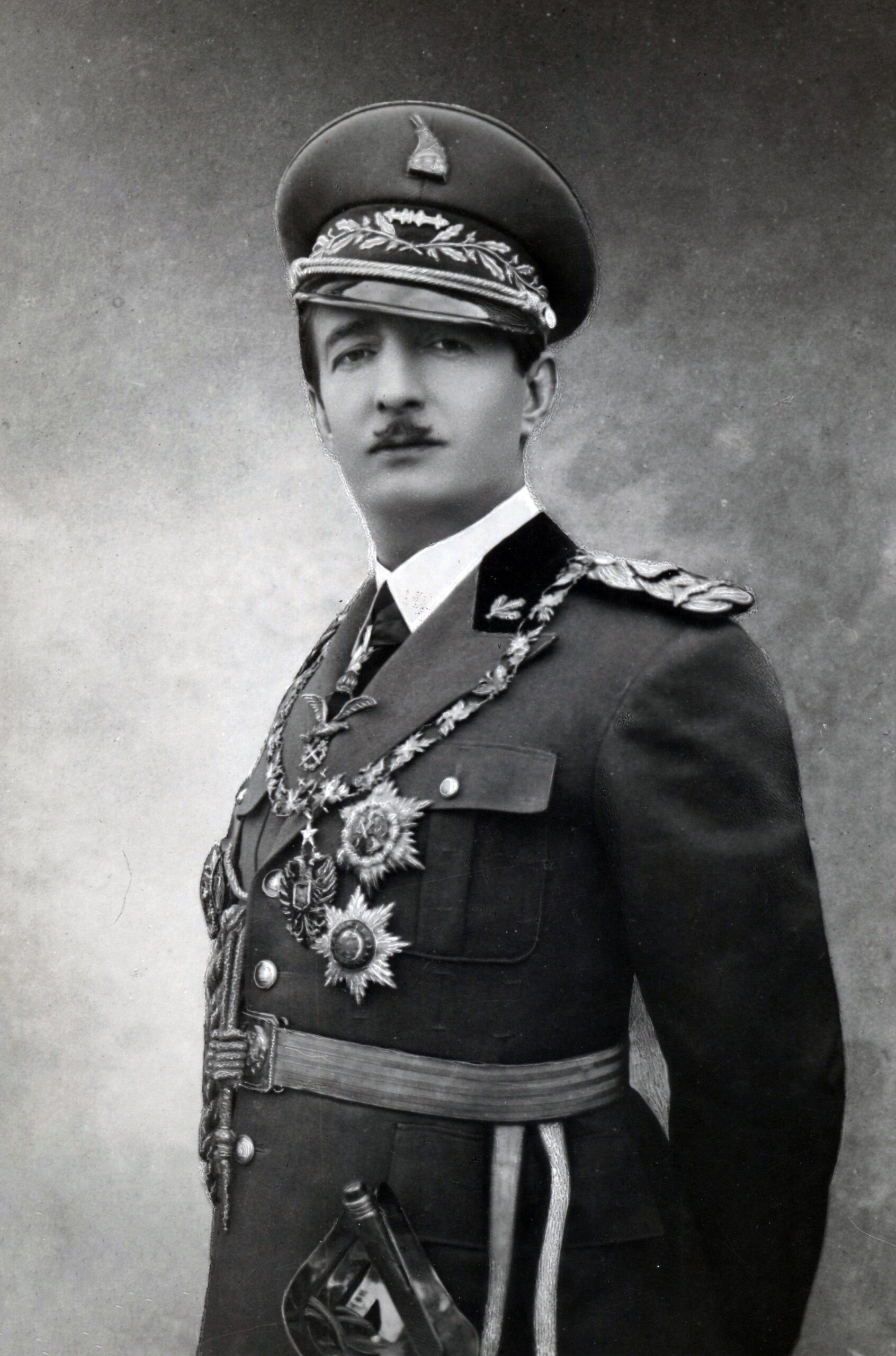
Zog, the self-appointed monarch that nobody wanted.
Zog fled with his family (including his newborn son, literally born two days before the invasion). He would spend the rest of his life in exile, dying in France in 1961, never returning to Albania.
Italy annexed Albania, made Victor Emmanuel III “King of Albania and Italy,” and used Albanian territory as a staging ground for Mussolini’s disastrous 1940 invasion of Greece.
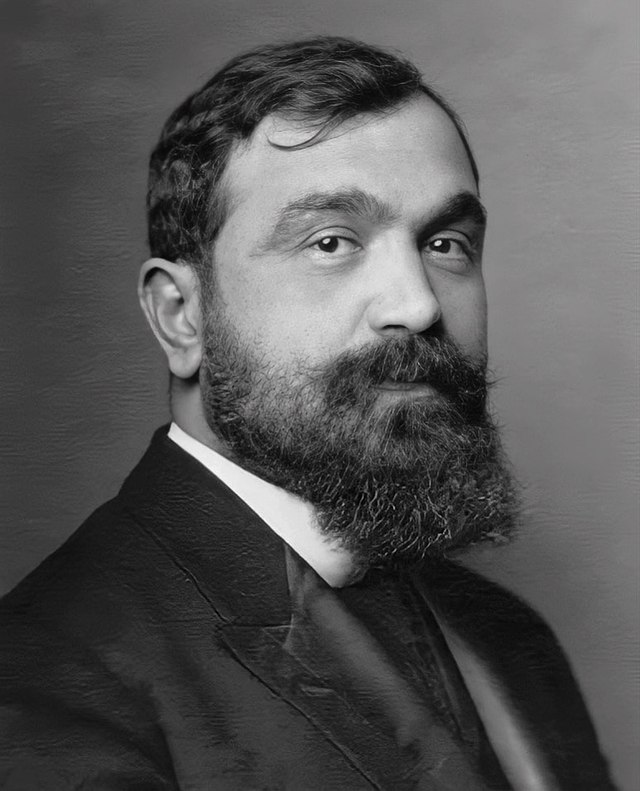
Fan Stilian Noli, Public domain, via Wikimedia Commons
The invasion is documented at Durrës Castle Museum (€3 entry): photographs of Italian troops landing, King Zog’s final proclamation before fleeing, Albanian resistance fighters who died defending the capital.
What the museum doesn’t emphasize: many Albanians welcomed the Italians initially, tired of Zog’s corrupt authoritarianism and hoping Italian rule might bring economic investment. That optimism lasted maybe six months before Italian exploitation became clear.
Pro Tip: The castle museum is small and often empty—you’ll have it to yourself. Combine with the nearby amphitheater and archaeological museum for a full day of Durrës history.
World War II: Occupied Again
Albania spent WWII occupied by Axis powers—Italy until September 1943, then Nazi Germany until November 1944. Albanian partisan groups formed, supported by Britain and Yugoslavia, fighting guerrilla campaigns against occupiers.
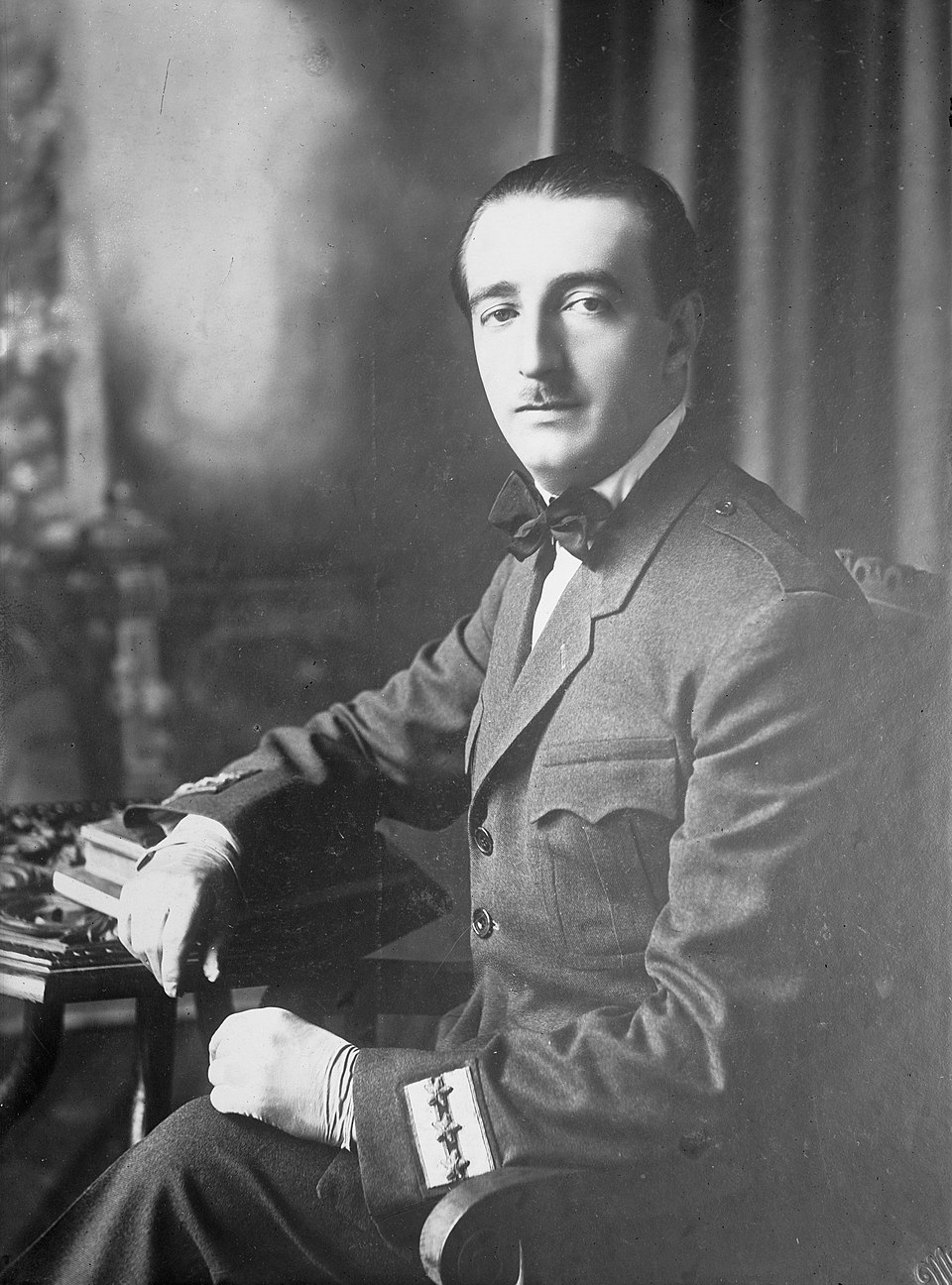
Ahmed Zogu, self-appointed King of Albania. Bain News Service, publisher., Public domain, via Wikimedia Commons
The communist-led National Liberation Movement, under Enver Hoxha’s leadership, emerged as the strongest resistance group. By November 1944, as German forces retreated from the Balkans, communist partisans liberated Albania without significant Allied assistance.
On November 29, 1944, Hoxha declared Albania liberated. Within months, he established a communist People’s Republic that would last 47 years.
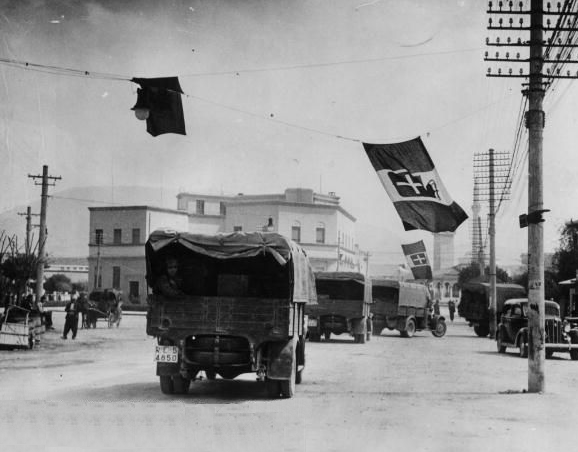
Italian invasion of Albania. Kingdom of Italy, Public domain, via Wikimedia Commons
The democratic experiment (1920-1924) had lasted four years. The monarchy (1928-1939) had lasted eleven years. Communist rule would last from 1944 to 1991—nearly five decades.
What 32 Years of “Independence” Actually Meant
From November 1912 to November 1944, Albania experienced:
- 6 months under a German prince
- 6 years of WWI occupation
- 4 years attempting democracy
- 11 years under a self-proclaimed king
- 5+ years under Italian/German occupation
That’s maybe 15 years of actual Albanian self-governance out of 32 years of nominal independence.
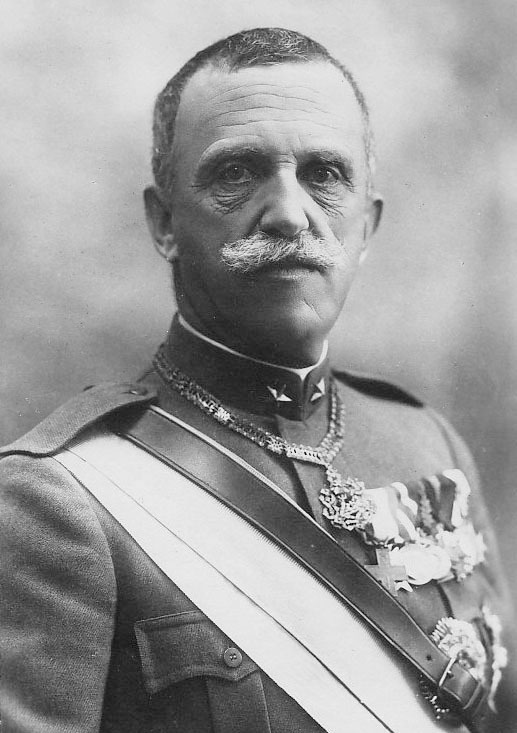
Vittorio Emanuele III. Mario Nunes Vais, Public domain, via Wikimedia Commons
The Independence Museum in Vlorë tries to present this era as triumphant nation-building. The reality was messy, tragic, and frequently absurd.
Standing where Ismail Qemali raised the flag in 1912, I thought about what independence actually meant to most Albanians during this period: not freedom or prosperity, but survival and hope that eventually, someday, Albania might stabilize.
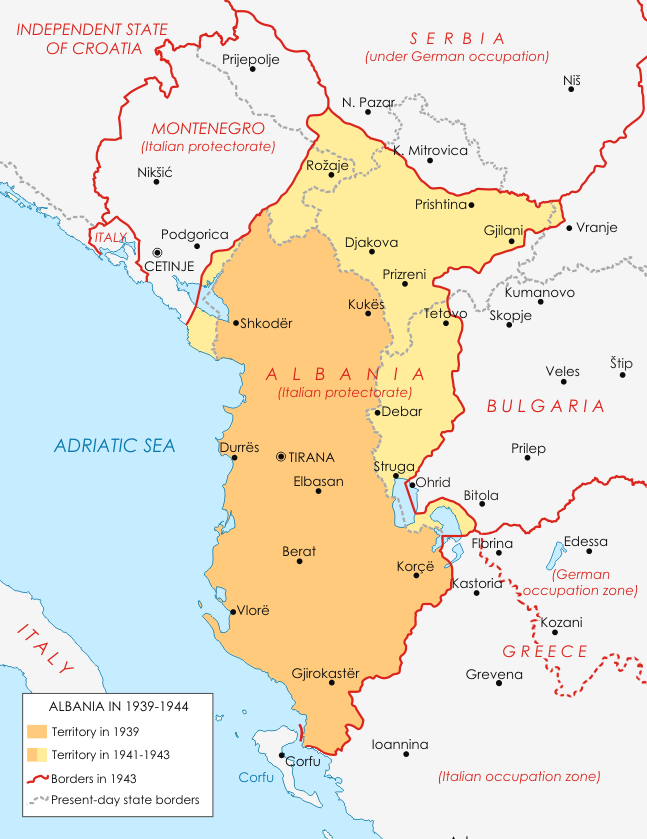
Map of Albania during World War II. Пакко, CC BY-SA 3.0 https://creativecommons.org/licenses/by-sa/3.0, via Wikimedia Commons
That stabilization came in 1944. It was called communism, and it would be its own complicated disaster.
The 2024 Celebrations: What We Choose to Remember
The 112th independence anniversary in 2024 brought massive celebrations—10,000+ participants in Tirana’s parade, official ceremonies in Vlorë, Albanian diaspora events worldwide.
The speeches emphasized pride, sovereignty, and Albanian identity. Nobody mentioned Wilhelm of Wied’s six-month comedy of errors. Nobody dwelled on the seven foreign armies simultaneously occupying the country in 1918. Nobody discussed Zog’s relationship with Mussolini or the decades of chaos.
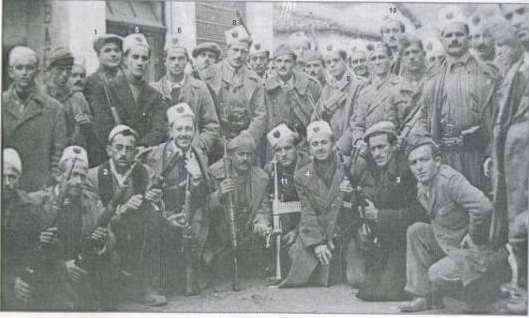
Balli Kombëtar forces in Debar. Public domain, via Wikimedia Commons
National myths require editing. Albania chooses to celebrate November 28, 1912, as a moment of liberation and national assertion—which it was, even if what followed was far more complicated.
I get it. Nations need founding myths. But understanding the messy reality makes modern Albania’s survival all the more impressive.
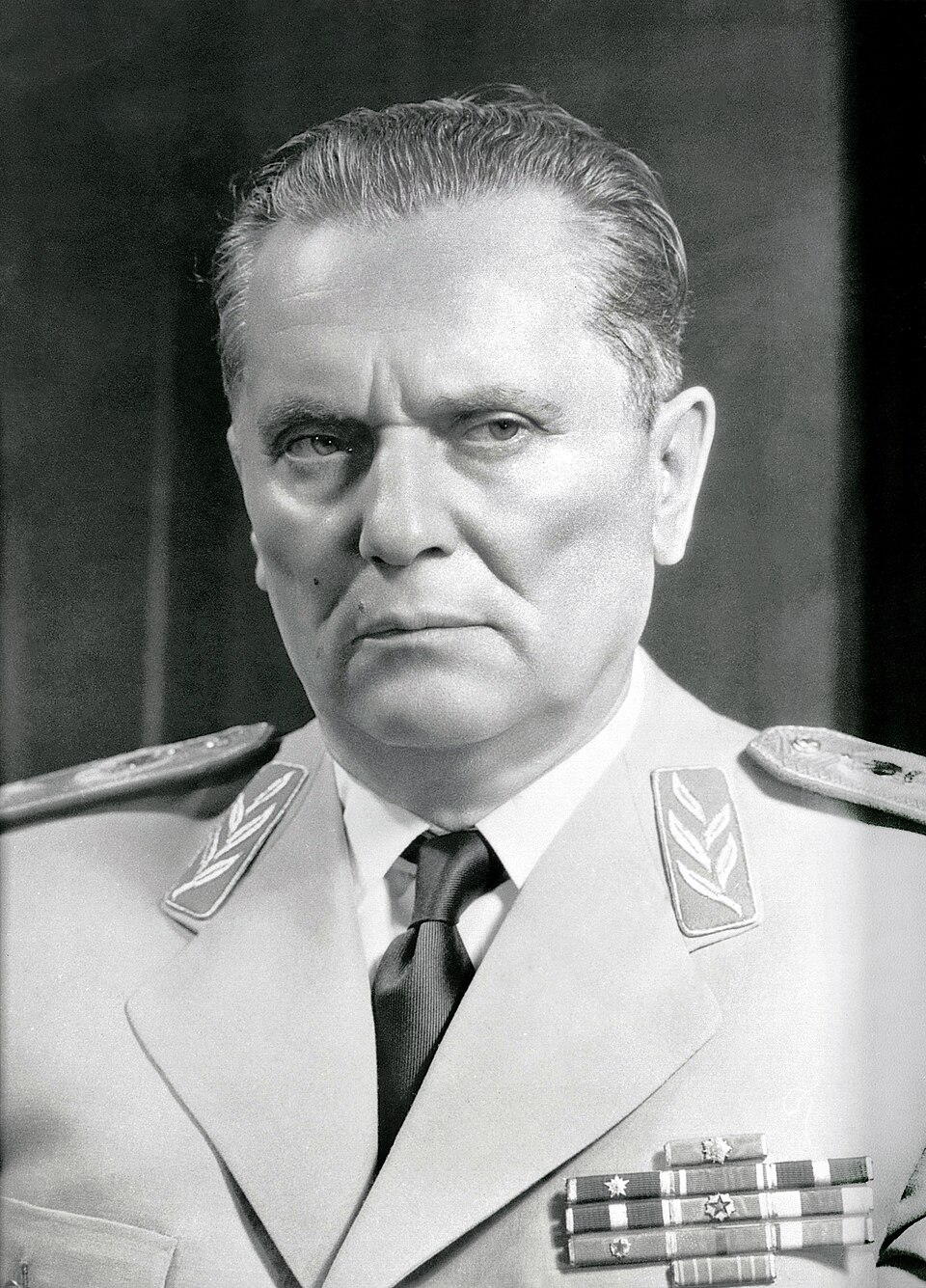
Josip Broz Tito. See page for author, Public domain, via Wikimedia Commons
Albania shouldn’t exist. It’s too small, too poor, surrounded by larger neighbors who all wanted pieces of its territory, caught between empires for millennia. That it exists at all—that Albanians maintained their language, identity, and territorial core through Roman, Byzantine, Ottoman, fascist, and communist rule—is remarkable.
The independence period (1912-1944) wasn’t glorious. It was survival against impossible odds, with occasional moments of genuine hope crushed by geopolitical realities beyond Albanian control.
That’s 32 years compressed into one article. Not bad for a country that spent half that time being occupied by someone.
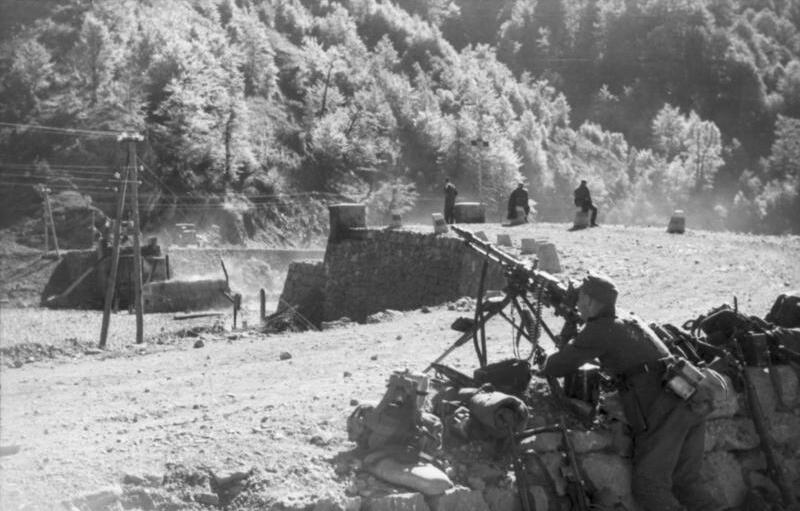
German checkpoint in central Albania, September 1943. Bundesarchiv, Bild 101I-203-1686-25 / Prizibilla / CC-BY-SA 3.0, CC BY-SA 3.0 DE https://creativecommons.org/licenses/by-sa/3.0/de/deed.en, via Wikimedia Commons
FAQ: Albanian Independence Essentials
When did Albania become independent? November 28, 1912—though actual Albanian control over the country was intermittent until 1944. Independence Day remains Albania’s biggest national holiday.
Why did the Ottoman Empire let Albania go? They didn’t “let it go”—the empire collapsed during the Balkan Wars, and Albanians declared independence to avoid partition among Serbia, Greece, and Montenegro.
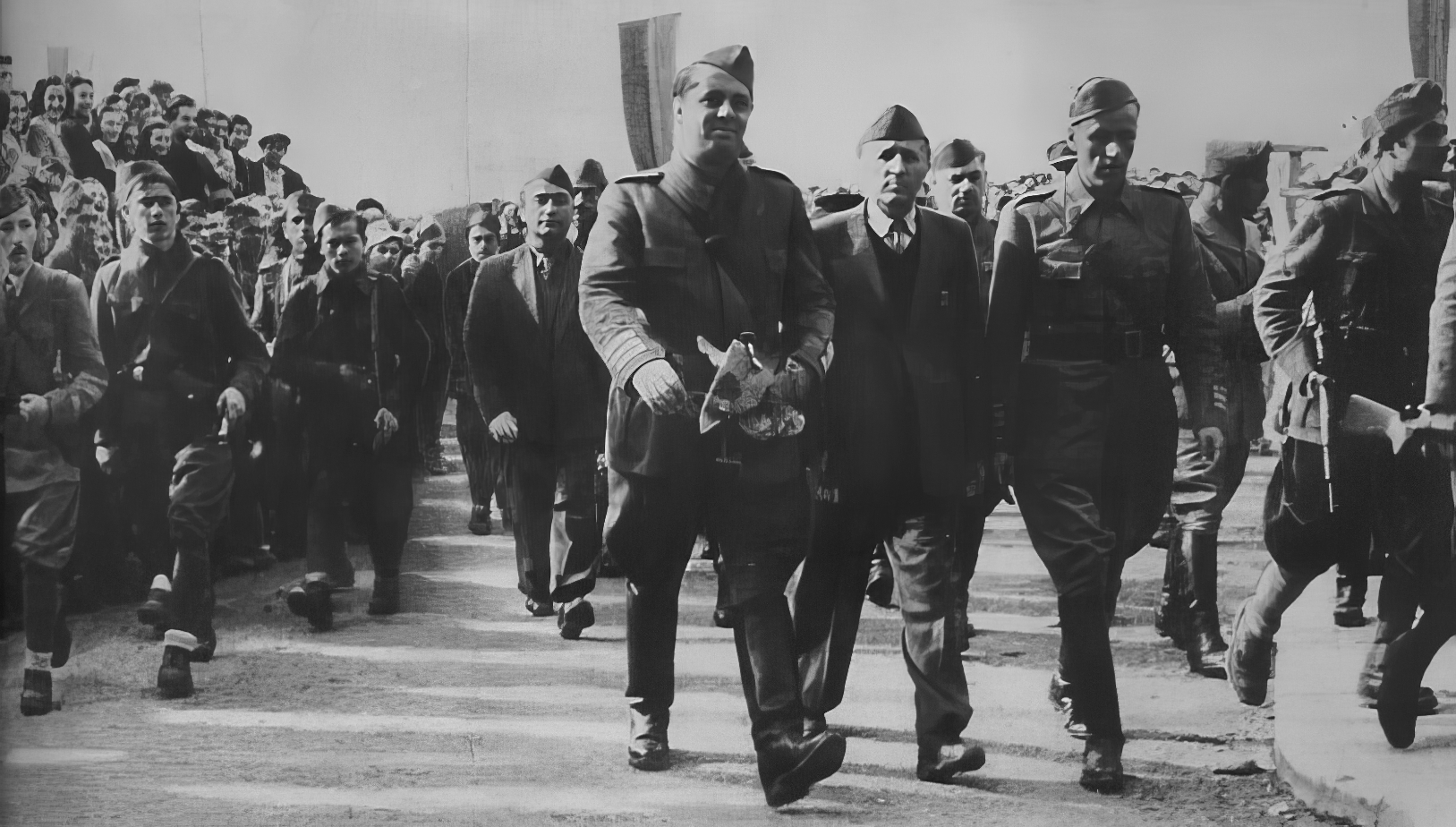
Partisans entering Tirana, November 28, 1944. Public domain, via Wikimedia Commons
Who was Wilhelm of Wied? A German prince imposed as Albania’s monarch in 1914 by European powers. He lasted six months and fled when WWI started. His reign is remembered as a well-intentioned disaster.
Why did Ahmet Zogu make himself king? Political ego and a belief that “King” carried more legitimacy than “President.” Also, everyone in the Balkans was doing monarchy—Yugoslavia had a king, Greece had a king, why not Albania?
Did Italy really invade Albania in 1939? Yes—April 7, 1939. The Albanian military, tiny and poorly equipped, collapsed in days. King Zog fled. Italy annexed Albania until 1943, then Nazi Germany occupied until 1944.
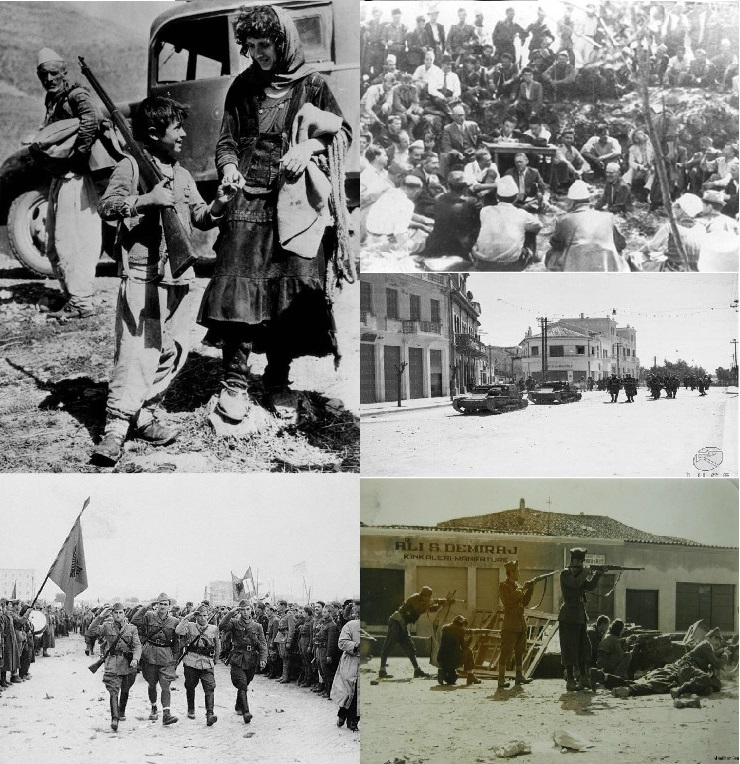
Clockwise from top to left: Albanian boy crossing the border to Yugoslavia in April 12 1939, Ballists and Communists converse during Mukje Agreement, Communist Partisans fighting in Tirana 1944. Partisans march through Tirana after liberating it, 29 November 1944. Euripides ψ, CC BY-SA 4.0 https://creativecommons.org/licenses/by-sa/4.0, via Wikimedia Commons
When did Albania get actual stability? 1944, when communists under Enver Hoxha took power. The stability came at the cost of becoming the most isolated, repressive regime in Europe.
How much should I budget for visiting independence sites? One week hitting major sites: €400-600 including accommodation (€30-45/night), car rental (€30/day), site entries (€2-5), food (€15-25/day). Vlorë, Tirana, and Durrës are the main independence-era cities.
Should I visit Albania on November 28? Only if you want crowds, flags, speeches, and national pride on full display. For actually seeing museums without fighting through school groups taking selfies, visit literally any other day.